
 Worksheets
SEMESTER TWO S.S FINAL EXAM REVIEW- (FRENCH REVOLUTION - SPANISH - AMERICAN WAR)
Total questions: 200
Worksheet time: 2hrs 21mins
France was deep in debt because ___________________.
of the money spent on supporting the American Revolution.
of Marie Antoinette's lavish spending.
the First and Second Estates did not pay taxes.
All of the above
The French Revolution began in ________ with the Storming of the Bastille.
1776
1789
1876
1798
Revolutions in France and the US shared Enlightenment ideas in all the following areas EXCEPT ________.
Where governments get their powers
the purpose of governments
what the people can do if their government does not do its job
what religion governments should promote
The First Estate in French society was composed of
the Clergy
0.5 percent of the population
people who did not pay taxes
all of the above
Most of the people of France belonged to the _________.
First
Estate
Second Estate
Third Estate
Fourth Estate
Why was voting in the Estates General unfair
votes were not secret
each estate voted by how many members there were
each estate got the same number of votes - one.
the King got two votes
When the other Estates refused to change voting rules the Third Estate ________________.
met separately
declared themselves the new government
created the National Assembly
All of the above
Robespierre was sent to the guillotine because _____________.
he was accused of a crime he did not commit.
other radicals thought he might execute them next.
the King's supporters captured him.
None of the above

Which of the following is a SHORT-TERM cause of the French Revolution?
Bad harvests caused bread prices to skyrocket.
The many years of overspending by French kings and queens.
Marie Antoinette telling the starving peasants, "Let them eat cake".
The social structure (Estates 1,2,3) in France that had existed for centuries.
The period of radical take over where “enemies of the revolution” were executed by the guillotine is called _________.
The Unholy Time
Good Friday
The Reign of Terror
The Execution
Why did the Third Estate walk out of the Estates General on May 5, 1789?
They were protesting King Louis XVI's new policy of taxing the clergy.
They were sick of being taxed unfairly and being outvoted by the other two estates.
They wanted to cause drama.
They knew that if they walked out, nobody could take a proper vote.
Which Estate was responsible for paying all taxes in France?
First Estate
Second Estate
Third Estate
Monarchy
The second Estate owned 20% of the land in France.
True
False
The first Estate owned what percentage of the land in France?
10%
25%
40%
70%


What did the Bastille symbolize for the poor people of France?
It represented justice and equality.
It represented fair treatment by the law.
It represented the king's power and all that was wrong with France.
It represented logic and reason.
True or False: Bastille Day is a holiday still celebrated in France.
True
False
Who was the wife of King Louis XVI?
Marie Antoinette
Catherine of Aragon
Anne of Brittany
Jean Antoinette
Where did the National Assembly hold their first meeting?
A tennis Court
The palace at Versailles
A squash court
The National Assembly Hall
What was taken from the Bastille as it was stormed?
Weapons
Food
Money
Jewels
What country's revolution influenced the start of the French Revolution?
The American Revolution
The German Revolution
The Spanish Revolution
The Portuguese Revolution
When, in 1789 was the Bastille stormed?
July 4
July 14
July 30
July 1
Which of the following is a result of the French Revolution?
The middle class and peasants gained political power.
The King was restored to his throne.
France became an unlimited government.
The Church dominated government.
True or False Are the following government changes in the correct order?
National Assembly, Legislative Assembly, National Convention, the Directory, and Napoleon.
True
False
In 1799, he took the title of First Consul and assumed the power of a dictator.
Louis XVI (16)
Marie Antoinette
Napoleon Bonaparte
Fidel Castro
This document was written during the French Revolution and included these rights: liberty, property, security, and resistance to oppression. The document also guaranteed citizens equal justice, freedom of speech and freedom of religion.
Tennis Court Oath
Bastille
Declaration of Rights of man
10 commandments
When the Third Estate delegates found themselves locked out of their meeting room, they broke down a door to an indoor tennis court, formed the National Assembly and pledged to not break up until they had drawn up a constitution for France.
Jacobin
Concentration Camp
Tennis Court Oath
Wimbeley
The Reign of Terror began in 1793 under the rule of Robespierre. It sought to eliminate "enemies of the Revolution"; around 40,000 were executed, with the vast majority being those of the lower or middle class. It ended a year later in 1794.
True
False
Which of the following events led to Napoleon's downfall?
The invasion of Russia
The creation of the Netherland
The Congress of Vienna
the Guillotine
What is Napoleon's family background?
He came from a family of peasants
His family were Italian nobles
He was a descendant from the royal family
He did not have family
Napoleon and his supporters overthrew the _____________ in 1799.
Directory
French Democratic government
Consulate
Dictatorship
Was Napoleon born in France?
Yes
No
One goal of the Congress of Vienna was to __________
restore peace and stability to Europe.
protect Europe from Ottoman advances.
end abuses within the Catholic Church.
redraw the boundaries of Africa.
One way in which Robespierre and Napoleon are similar is that they both ___________________.
played an important role at the Congress of Vienna.
increased their power during the French Revolution.
were executed for treason by French monarchs.
led armies against the Haitians.
The Estates General Meet for the First Time in 175 Years.
The National Assembly Issues Declarations of the Rights of Man.
The Reign of Terror Ends.
Robespierre Dies.
Which event in European history is most closely associated with these headlines?
Puritan Revolution
Hundred Years' War
French Revolution
Signing of the Magna Carta
Which of the following was a way in which Napoleon's reforms positively impacted the French economy?
Created a centralized banking system known as the National Bank of France.
Created an equal taxation system where everyone paid taxes and it helped finance new roads and canals.
Created a new currency which led to France's most stable economy in recent years.
All of the above
Which of the following was NOT a change/ reform under Napoleon's imperial rule in France?
Established public education opportunities.
Institutes a period of persecution and execution known as the "Reign of Terror".
Set up a fair and equal tax code that led to a stable economy.
Seized power through a Coup' Etat and issued the Napoleonic code.
The Napoleonic Code is most important in History because
it legitimized the execution of Louis XVI
put an end to the French Revolution
allowed Napoleon to establish a dictatorship
it was based on enlightenment ideas (freedom of religion and equality for all citizens). It was also successful in establishing a rule of law in France.
Napoleon Bonaparte was born on an island known as ___________ and died on an island known as _____________.
Corsica ...... St. Helena
Bahamas....... Italy
Jamaica........ Elba
None of the above.
Why did the 39/40 German states decide to unify into one powerful nation?
communism
capitalism
imperialism
nationalism
Who was the king of Prussia during the early 1800s?
Victor Emanuel II
Wilhelm I
Guisseppe Garibaldi
Simon Bolivar
Who was the prime minister of Prussia in the early 1800s?
Jose De San Martin
Toussaint L'Ouverture
King Wilhelm I
Otto Von Bismark
Which nationalist leader used guerrilla warfare in a revolution to unite southern Italy?
Giuseppe Garibaldi
King Victor Emanuel
Camillo DI Cavour
Otto Von Bismark
How did Otto Von Bismark unite Germany under Prussian leadership?
Through a series of 3 wars- against Austria, France, and Denmark.
By ending the Seven Years War.
He established international trade with America, Asia, and Africa.
By defeating the other German states.
What common goal did Prime Minister Camillo Di Cavour, King Victor Emanuel, and Garibaldi share?
They wanted Italy to remain separate states.
They wanted Italy to be ruled by different governments.
They wanted to change Italy from a single nation to a collection of states.
They wanted to change Italy from a collection of states to a single country under one leader.
Who was the prime minister of the largest and most powerful Italian state, Piedmont-Sardinia?
Camillo di Cavour
Cavour di Camillo
Emmanuel II
Giuseppe Garibaldi
War with this country completed the unification of Germany.
France
Denmark
Russia
Poland
The majority of Revolutions of 1848_____________
were unsuccessful because revolutionary groups were unorganized.
ended with liberal constitutions.
gave equal rights to the working classes.
brought about nationalistic unification.

What did Otto von Bismark's policy of "realpolitik" state?
Candidates for office must tell the truth
A leader should listen to the will of the people
Justifies all means to achieve and hold power with iron fist.
Military power should be used as a last resort


This man is associated with increasing which of the following across Europe?
Liberalism
Reign of Terror
Economic Trade
Nationalism

The leaders at the Congress of Vienna were largely ____________.
Nationalists
Conservatives
Liberals
Republicans
Nationalism is best defined as _________________________
the achievement of world peace and global understanding.
the desire to take over other societies by force.
a method of solving basic economic problems of the society.
the loyalty of a people to a set of values, traditions, and a geographic region/territory.
Members of a colony who are seeking political independence from the nation that colonized them are considered as ___________.
Abolitionists
Nationalists
Mercantilists
Extremists
An immediate effect of the Napoleonic wars was the spread of Nationalism and revolutions across Europe.
True
False
A Nation- State is a self-governing country that has a defined territory with people who share a common history and culture.
True
False
Napoleon imposed French customs/culture on the places he conquered and this contributed to the spread of nationalism across Europe.
True
False
The spread of Nationalism in Europe was influenced by_________.
Napoleon
The Enlightenment
Both
The widespread spirit of nationalism across Europe caused the unification of nation-states.
True
False
What was the Congress of Vienna?
A meeting of European leaders in an effort to restore the peace after Napoleon.
A meeting of Austrian leaders to restore the peace.
Who led the Congress of Vienna?
Klemens Metternich of Austria
Czar Alexander I of Russia
The Congress of Vienna was called after years of wars due to Napoleon and his conquest to build an Empire. What would you say was the main goal of this meeting?
To plan an attack on France.
To restore peace and stability back to Europe after the Napoleonic Wars.
Why did the leaders at the Congress of Vienna want to crush revolutionary ideas that had spread against Europe?
They were conservatives and wanted Europe to return to the era when Monarchs ruled with absolute power.
They were inspired by the revolutionary ideas.
One goal that was achieved by the Congress of Vienna was they restored Monarchs to their thrones in territories that Napoleon had defeated.
True
False
What would you say was the main cause of the revolutions that happened across Europe in the 1830s and 1840s.
People wanted a change of government.
People missed the warfare.
Which revolutionary group led most of the revolutions across Europe?
Conservatives
Liberals
Who tried to suppress (end) the revolutions?
Nationalists
Conservatives
Independence - a nation or state achieving self-
rule or self-governance from another sovereign
nation or power.
True
False
Unification - to bring together people of the
same culture and traditions.
True
False

Why were the colonists in Latin America unhappy?
hunger and famine
social class struggles
no religious freedom
constant war and chaos
Which group of people were part Spanish and part native (American Indian)?
Mestizos
Peninsulares
Mulattos
Creoles
Which group of people were part Spanish and part native (American Indian)?
Mestizos
Peninsulares
Mulattos
Creoles
Which group of people were part Spanish and part African?
Mestizos
Mulattos
Peninsulares
Creoles
Which group made up the majority of the population in Haiti?
slaves
the French
plantation owners
creoles
Which of the following influenced the leaders of the Latin American independence movements?
the French Revolution
the American Revolution
the Enlightenment
all of the above
When Haiti was under French control, it was known as __________________ ?
Saint Domingue
La Carribea
Saint Virginia
La Muerta
The Grand Blancs were ____.
Plantation owners
British
Large Shopkeepers
Traders
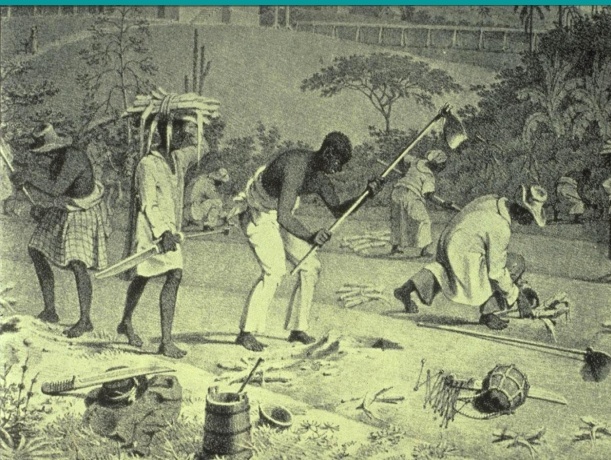

What rumor triggered the first massive revolt in Haiti?
The grands blancs were going to attack them.
The French king had outlawed slavery.
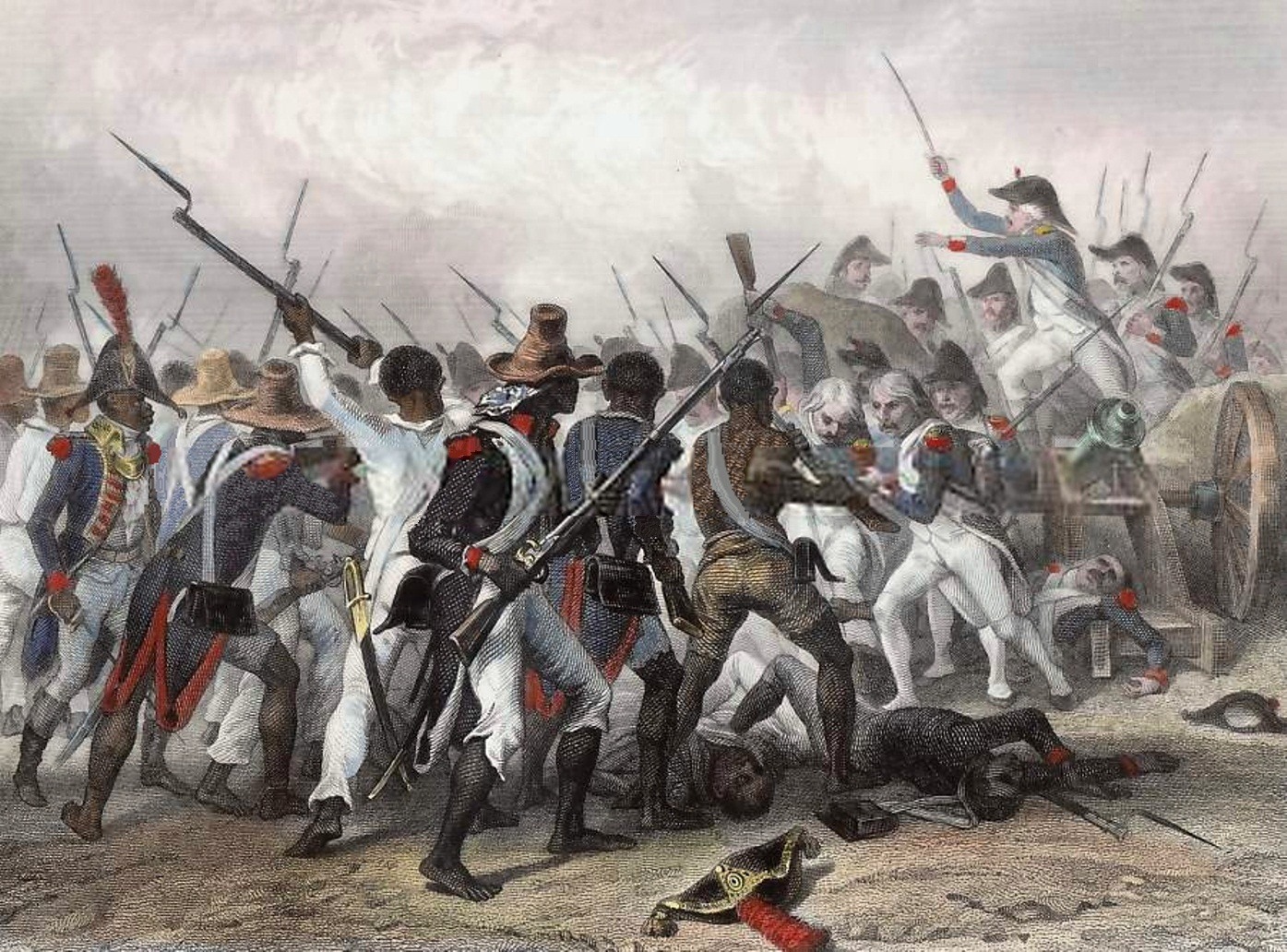
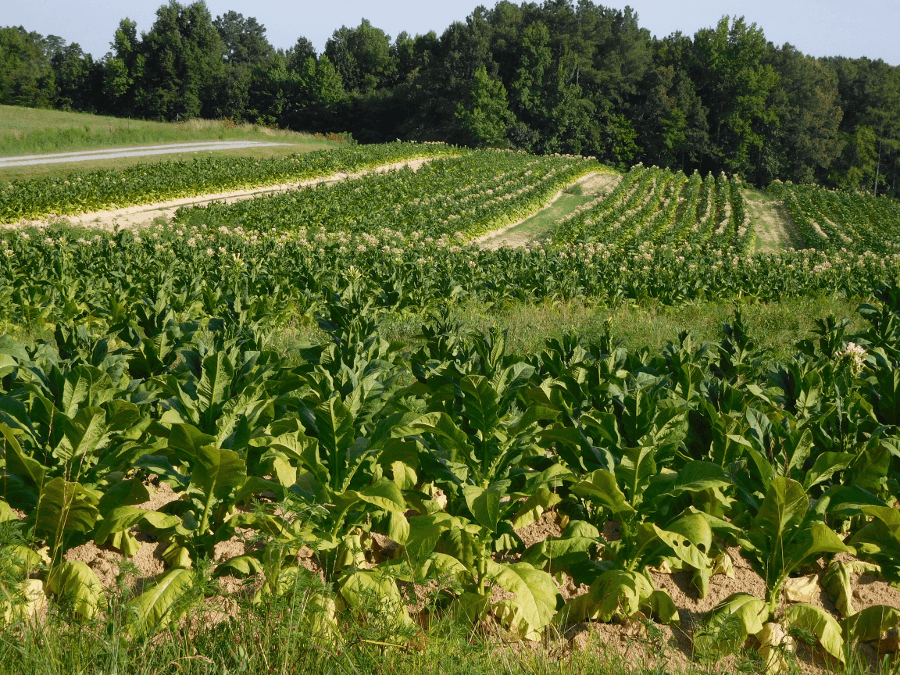
Haiti was a wealthy colony. Which crops were exported in large amounts?
Coffee and Sugar
Tea and Salt
Rubber and Coal
Tobacco and Cotton
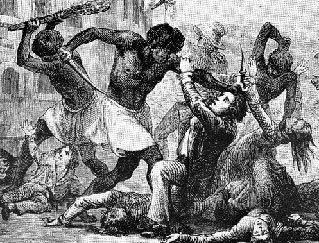
Why did the Haitian Revolution start?
The revolution started because of slaves wanting social equality and freedom.
The Haitian Revolution was influenced by the French Revolution
All of the above
The Haitian Revolution was influenced by the American Revolution
People called Mulattoes were_____________________
1/2 White (French) and 1/2 Black (African)
1/2 Spanish and 1/2 French
Native Haitians
The members of the government in Saint-Dominique
Who were the Petit Blancs?
poor white people in Haiti
rich white people in Haiti
free people of color in Haiti
children born of white plantation owners and slave mothers

Which famous Revolutionary Leader helped the countries of Venezuela, Colombia, Ecuador, and Bolivia all win their independence from Spain?
Jean Dessalines
SImon Bolivar
Jose San de Martin
Toussaint L'Overture
What was a desire of Simon Bolivar?
To unite South America into one nation
To unite the Caribbean islands into one nation
To unite European nations into one nation
To unite Africa into one country
Which statement about the French and Latin American revolutions is accurate?
People in both regions were fighting for freedom from England.
Strong French monarchs led revolutions in Latin America.
Revolutions in both regions were based on the idea of natural rights.
The French Revolution was modeled after revolutions in Latin America.

Based on a comparison of these maps of South America, which conclusion is accurate?
Many regions of South America gained their independence between 1790 and 1828.
All of South America was independent by 1828.
Spain continued to gain South American colonies in the 19th century.
Between 1790 and 1828, South American political boundaries remained unchanged except for Brazil.
What was one effect of the Latin American revolutions of the 19th century?
Democracy became the dominant political system in Latin America.
European colonialism replaced the independent governments of Latin America
Many Latin American countries achieved independence.
Countries in Latin America deported most people with European ancestry.
Which is true about Brazil and the rest of Latin America?
Brazil has a smaller population
The rest of Latin America practices a different religion than Brazil
The rest of Latin America has a higher standard ofliving
Brazil's official language is different than the rest of Latin America
Which South American country was colonized by Portugal?
Ecuador
Chile
Brazil
Mexico
Which best summarizes how Brazil received their independence?
Slave revolt against the French
2 Catholic Priest led the mestizos in an uprisinig
2 Generals combined forces to push out the Spanish
Leader declared independence without a fight
Which best describes the similarities between the French and Latin American Revolutions?
Both involved a class struggle between rich and poor and a desire for self-rule
Both had colonists fighting for independence from foreign rule
Both involved strict racial divisions and desire for absolute rule
Both were primarily border disputes between surrounding countries
Select the BEST answer which indicates the short term effects of the Haitian revolution.
Haiti was independent from France.
All the slaves were free.
Haiti was split into two countries.
Only the Mulattoes were free.
Which of the following was the long term effect of the Haitian revolution.
Haiti became a flourishing nation and wealth was distributed evenly.
Haiti became the poorest country in the Western Hemisphere.


This continent is known as _____________
South America
Latin America
Europe
Africa

The highlighted region is considered to be Central America.
True
False

What country is represented by the letter B?
Panama
Colombia
Chile
Mexico
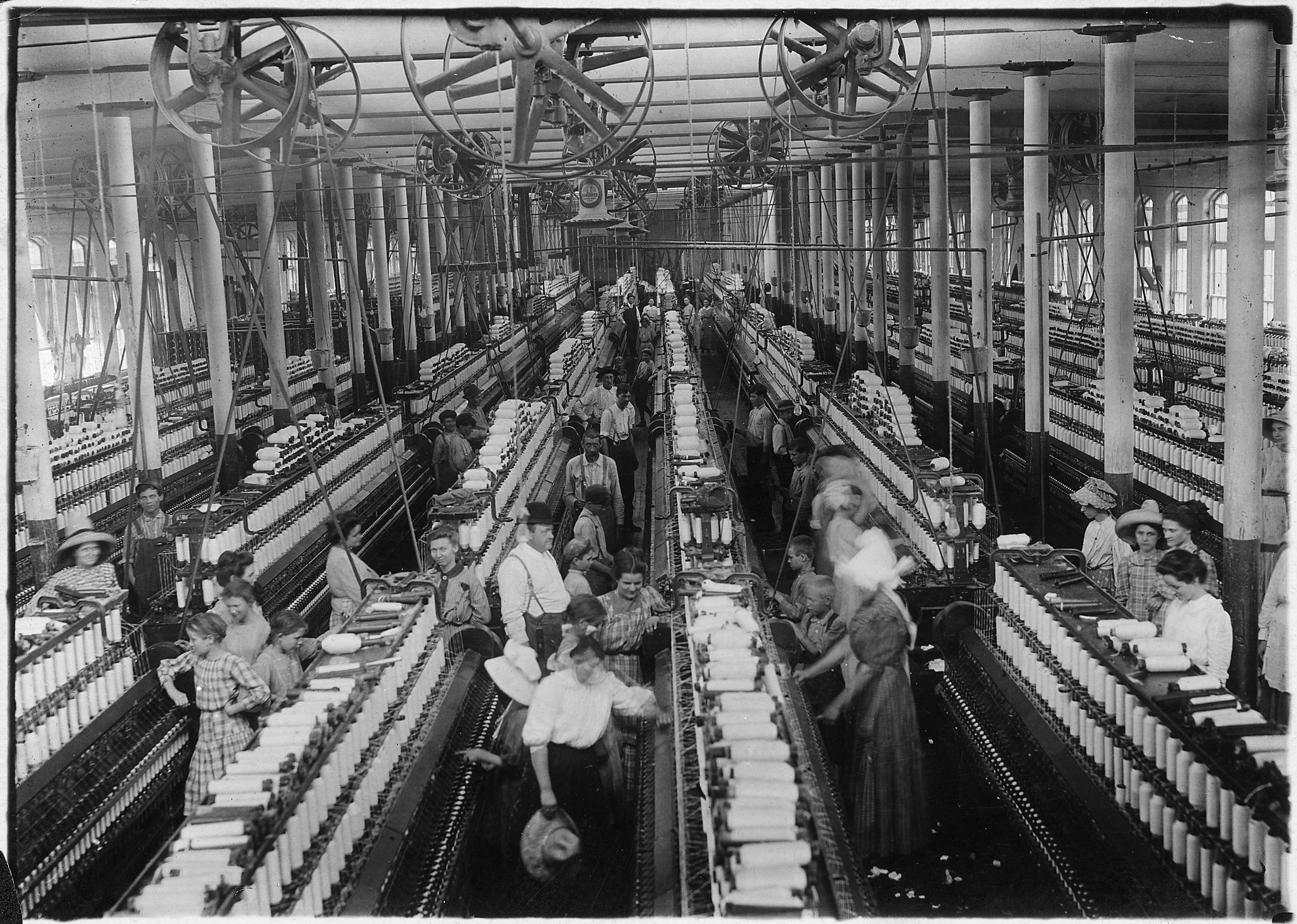
How were many young women employed during the early 1900's
They were not employed
Crew members on ships
Cloth weavers in textile mills
Staff reporters for newspapers
The development of the steamboat led to
new states were added to the Union
canals stopped being built in the northeast
the cost to transport goods decreased
there was no longer a need for wagons
How did the steamboat affect the U.S. economy?
decreased the need for canals
more efficient movement of goods
reduced the costs of settling in new areas
transporting workers


in the British East India Co. army.
Why did many industrialized or advanced countries need to takeover less advanced countries?
For better climate and cleaner environment
To create a democratic government
To teach the local population about recycling
To claim or takeover natural resources located in those countries
Why were European countries interested in colonizing Africa during the Age of Imperialism?
They wanted Africa's natural resources
They wanted land to develop new types of ships
They wanted to create a perfect society
They wanted to learn new languages
The race for European countries to claim land in Africa was called the _________.
Scramble for Africa
African Marathon
Great Competition
Monopoly
Which of the following is true about the Boxer Rebellion?
The rebellion took place in Japan.
The Boxers were trying to keep Christianity in China.
The Boxers were unhappy with foreign influence in China.
The Boxers were able to drive out the foreigners from China.
The Monroe Doctrine prevented Europe from taking over countries in __________________
North America only
South America only
Asia
North and South America
What does the phrase "the sun never sets over the British Empire" mean?
it's always sunny in Britain
it shows how large their empire was
it shows how dangerous they were
is a reference to the shiny money they had
The Opium War was caused by Britain continuing to sell opium to China.
True
False

A settlement on foreign land is known as a
colony
empire
"mother" country
alliance
A group of countries under a single authority is known as
empire
colony
"mother country
alliance
The US called for all countries to have equal trading rights with China. This was known as_______________.
Boxer Rebellion
Open Door Policy
America First Policy
Opium War
The Suez Canal is located in _______________
Europe
Egypt
Which of the following countries were the only two to remain independent in Africa?
Angola
Chad
South Africa
Ethiopia and Liberia
The British pushed out this Indian, Islamic empire to gain resources for their textile factories.
Safavid
Ottoman
Japanese
Mughal
Define "exploit."
To give someone their fair share of the credit or pay.
To clearly define something.
To treat unfairly by using someone’s work or ideas and giving them very little in return
A secret agreement or cooperation especially for an illegal or deceitful purpose
Which of these was NOT a reason European powers colonized Africa and Asia?
They wanted to acquire power and prestige
They wanted to gain access to natural resources such as gold, rubber, timber, and metals
They had a mission to civilize "inferior races"
They wanted to protect weaker nations from other foreign influences



