NEW
Font size
 Worksheets
Natural Selection Review
Total questions: 40
Worksheet time: 10hrs 0mins
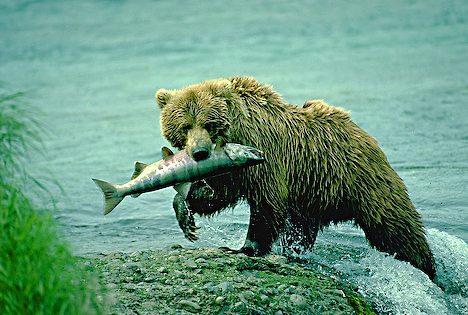
A grizzly bear survives because he is well-adapted to his environment. When he reproduces he passes on those traits to his offspring. this process is called
Natural Selection
Selective Breeding
Random mutations
Variations in a species

It took millions of years for giraffes to develop long necks. Slow evolution is called:
Punctuated equilibrium
Survival of the fittest
Gradualism
Selective Breeding

Which of these species is not extinct?
T Rex
Dodo bird
Mastadon
Bison

The peppered moth's color camouflaged it on the light colored tree bark. It's color was an example of a/n
Variation
Dominant trait
Recessive trait
Adaptation
The peppered moth's color camouflaged it on the light colored tree bark. It's color was an example of a/n
Variation
Dominant trait
Recessive trait
Adaptation

What animal is camouflaged in this picture?
Skunk
Squirrel
Owl
Snake

Where are hereditary traits stored in all organisms?
In the blood
In the brain
In the DNA
In the heart

If a sick person takes an antibiotic but it doesn't kill all of the bacteria causing the sickness, what might explain this?
Variations in the bacteria allowed some organisms to be less affected by the antibiotic?
Bacteria cannot be killed by antibiotics
You cannot cure a bacterial infection
Bacteria do not cause sicknesses

On the Galapagos Islands, different finches evolved on different islands to fit their environment. When a species develops unique traits because it is trapped in one area this is called:
Geographic isolation
Geologic separation
General relocation
Genetic differentiation

Which beak is probably best suited to crack open nuts?
1
2
3
4

One female salmon can lay hundreds of eggs. Why doesn't the salmon population increase dramatically?
Salmon reproduce asexually
Most offspring do not grow up to reproduce
Salmon eggs don't hatch
Salmon are extinct
Most permanent mutations are:
Helpful
Passed on to offspring
Harmful
Selectively bred
Another term for Natural Selection is:
Breeding
Commensulism
Communism
Survival of the fittest
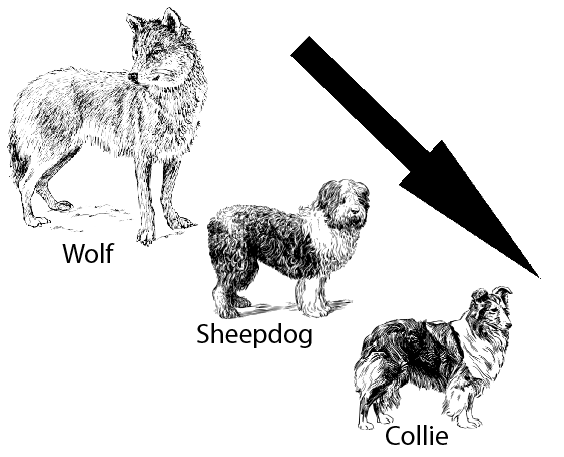
Gradualism means Natural Selection would normally happen over many generations and very
slowly
quickly
in space
beyond time
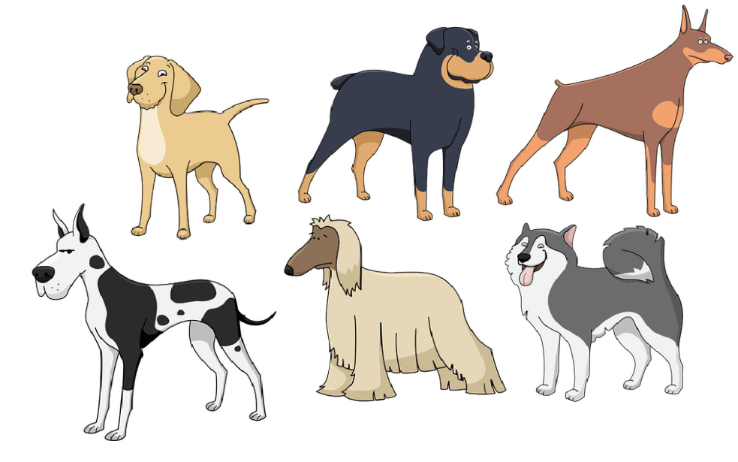
Genetic diversity in a species makes long term survival of some members
impossible
improvable
more likely
less likely
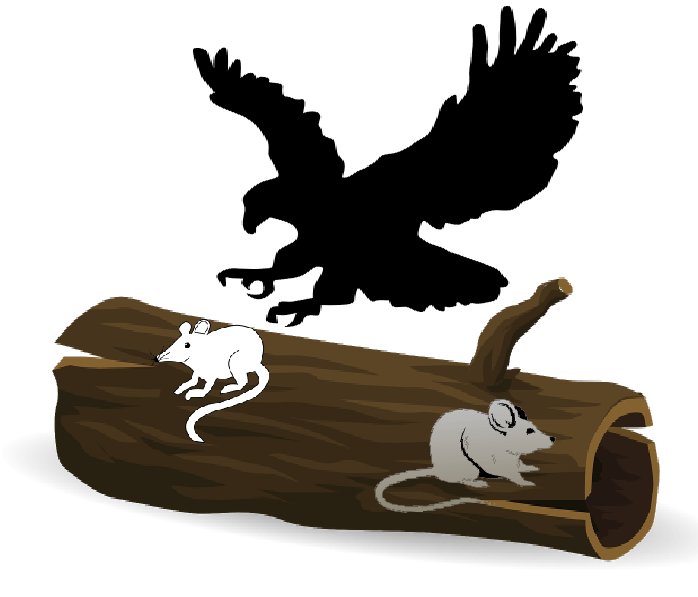
Over the years, white mice became extinct and darker mice survived. This is
stabilizing selection
directional selection
disruptive selection
due to exercise
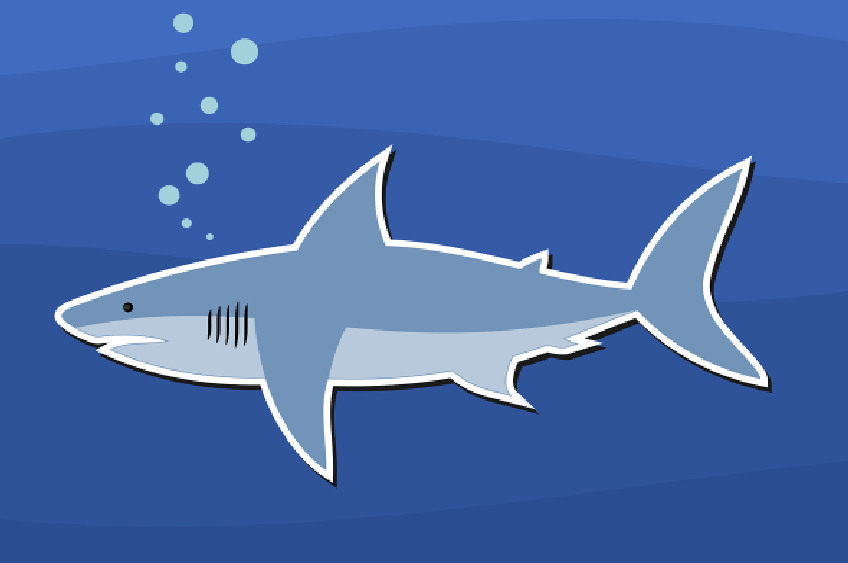
The special niche occupied by a particular species is called a
extinct
punctuated equilibrium
habitat
all of the above
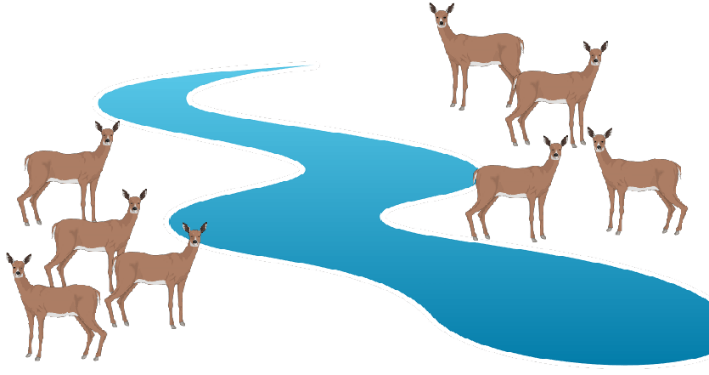
Two populations of the same species are separated by land barriers like rivers or mountains.
geographical isolation
temporal isolation
adaptive ratiation
behavioral isolaton

Two populations of the same species do not have the same mating rituals or signals.
geographical isolation
temporal isolation
adaptive ratiation
behavioral isolaton
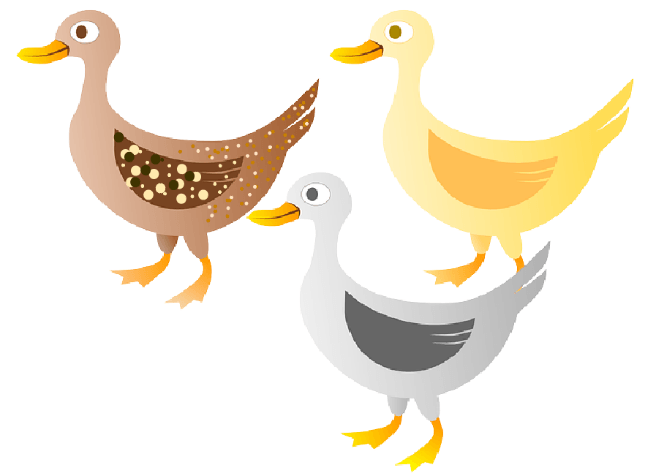
All the possible gene combinations in a population.
allele
gene pool
genome
mitosis
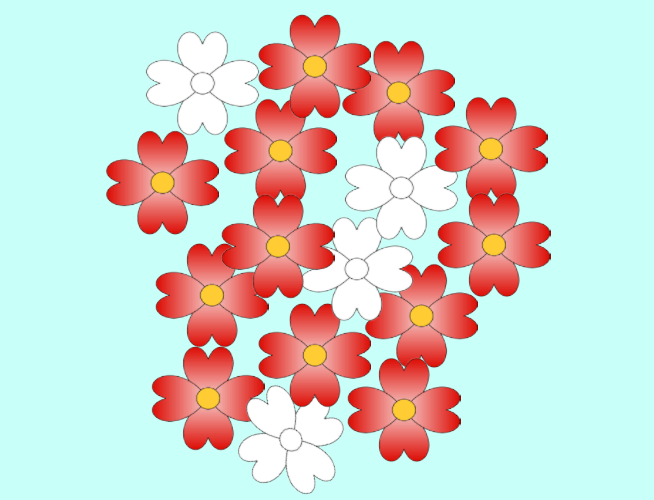
The frequency that single genes (alleles) for a trait appear in a population.
Genome
Gene frequency
Genetic Drift
Population Frequency
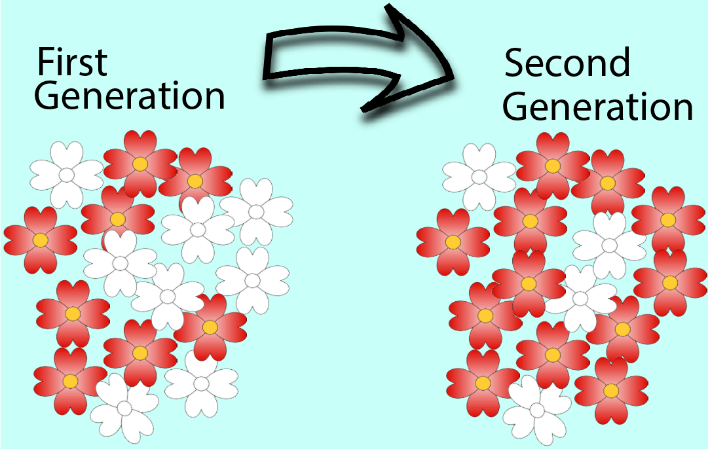
Changes in the gene pool over time.
Mitosis
Genetic Variation
Gene Pool
Genetic Drift
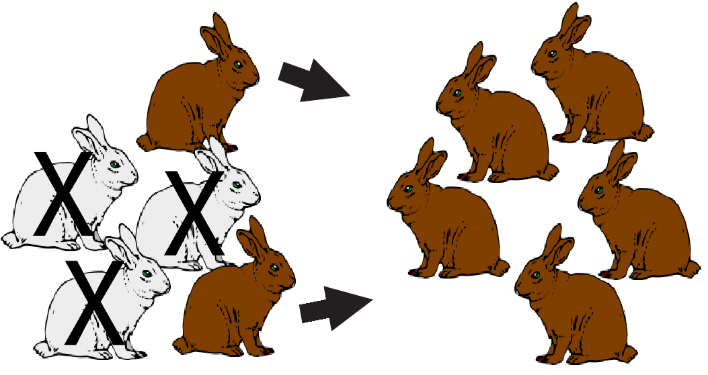
Isolated small populations speed up genetic drift.
Gene Pool
Mitosis
Speciation
Founders Effect
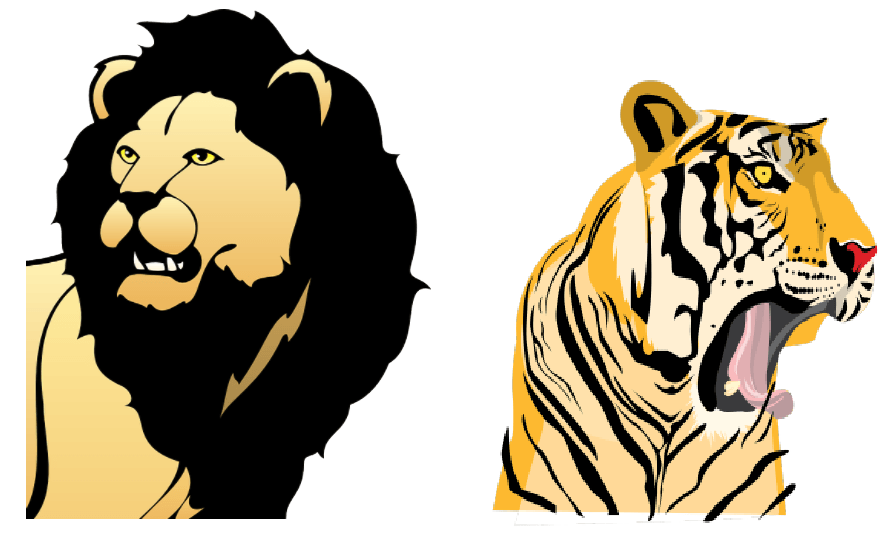
Organisms of the same species can no longer interbreed therefore creating two species.
Gene Pool
Genetic Drift
Gene Frequency
Speciation
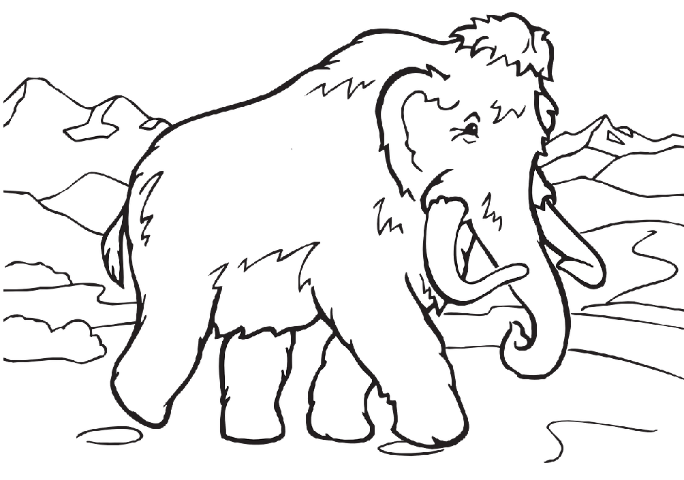
Severe population reduction reduces the gene pool
and increases the rate of genetic drift. Woolly mammoths became extinct. Elephants survived.
Gene Pool
Bottleneck Effect
Founders Effect
Gene Frequency

What is the successful adaptation?