wayground logo

Free Printable Worksheets

Font size

S
M
L
XL
Worksheets

5th Grade Social Studies Review

Total questions: 80

Worksheet time: 2hrs 39mins
Name
Class
Date
1.
What is the introduction to the Constitution called? 
a)
Articles of Confederation
b)
Declaration of Independence
c)
Bill of Rights
d)
Preamble
2.
Which of the following phrases from the Preamble is best described by saying: "We should have a military to protect us!"
a)
common defense
b)
domestic tranquility
c)
perfect union
d)
liberty
3.
Which of the following phrases from the Preamble is best described by saying: "We have FREEDOM, and it can't be taken away!"
a)
liberty
b)
common defense
c)
domestic tranquility
d)
general welfare
4.
Where in the Preamble of the United States Constitution does it mention the idea of, "fairness?" (p. 14)
a)
General Welfare
b)
Domestic Tranquility
c)
Justice
d)
Common Defense
5.
Where in the Preamble of the United States Constitution does it mention the idea of, "peace in our country?" (p. 14)
a)
Justice
b)
Common Defense
c)
General Welfare
d)
Domestic Tranquility
6.
The Articles of Conderation created a ______central government. 
a)
Weak
b)
Strong
c)
Stable
d)
Big
7.
Which of the following phrases from the Preamble is best described by saying: "All citizens should have their basic needs of food, clothing, and shelter."
a)
perfect union
b)
common defense
c)
liberty
d)
general welfare
8.

Which of the following are laws that promote the common good?

a)

Seat Belt Requirements

b)

Public Smoking Ban

c)

Speed Limits

d)

All of the Above

9.
Why was the Declaration of Independence written?
a)
To stop taxes from the British Empire.
b)
To make a United States army.
c)
To gain independence from the British Empire
d)
To install their own king in America
10.
What are the first ten amendments to the Constitution? 
a)
the Preamble
b)
 the Articles of Confederation
c)
the Declaration of Independence
d)
 the Bill of Rights
11.

a government in which the people have the power to make political decisions by voting for their representatives

a)

democracy

b)

Constitution

c)

monarchy

d)

Bill of Rights

12.

The written plan of government for the United States of America

a)

democracy

b)

Constitution

c)

monarchy

d)

Bill of Rights

13.
Which of the following is NOT one of the three branches of government? 
a)
Judicial 
b)
Legislative
c)
Democratic 
d)
Executive
14.
This branch is made up of judges and courts
a)
Legislative
b)
Judicial
c)
Executive
15.
This branch of our state government makes the laws.
a)
Legislative
b)
Judicial
c)
Executive
16.
These are the two parts of the Legislative branch: 
a)
Governor and Senate
b)
Senate and House of Representatives 
c)
House of Representatives and Governor
d)
Mayor and Governor
17.
Which branch has the President?
a)
Legislative
b)
Executive
c)
Judicial
18.

Which branch writes new laws?

a)

Legislative

b)

Executive

c)

Judicial

19.
Which branch interprets the laws?
a)
Legislative
b)
Executive
c)
Judicial
20.
Which branch can veto or approve laws? 
a)
Legislative
b)
Executive
c)
Judicial
21.
Which branch declares laws unconstitutional?
a)
Legislative 
b)
Executive
c)
Judicial
22.
Which branch enforces the laws?
a)
Legislative
b)
Executive
c)
Judicial
23.
The theory of government where one branch has power to keep another branch of government from becoming too powerful is called?
a)
Separation of Powers
b)
Checks and Balances
c)
Limited Government
d)
Constitutional Government
24.
Dividing the government into 3 specific branches is called?
a)
Checks and Balances
b)
Tri-Government Balance
c)
Pyramid of Power
d)
Separation of Powers
25.

Why should citizens vote?

a)

So everyone knows what your opinion is

b)

It is the way citizens have a voice in the government

c)

To make sure that they become more powerful

d)

Because the government said so

26.
What is conflict?
a)
Two characters getting along.
b)
A struggle between two opposing forces.
c)
The climax in a story.
d)
Part of the resolution.
27.

An agreement in which both parties give up something they had originally wanted.

a)

Compromise

b)

Conflict

c)

Cooperation

d)

Agreement

28.

Income set aside for unexpected expenses

a)

savings

b)

goods

c)

services

d)

producer

29.

not having enough

a)

scarcity

b)

supply

c)

human resouce

d)

taxes

30.
What is opportunity cost?
a)
your choice
b)
what you give up to make a choice
31.
Trading something for something else - no currency involved
a)
demand
b)
barter
c)
goods
d)
market
32.

when a country becomes skilled at producing one good or service

a)

specialization

b)

scarcity

c)

profit

d)

labor

33.
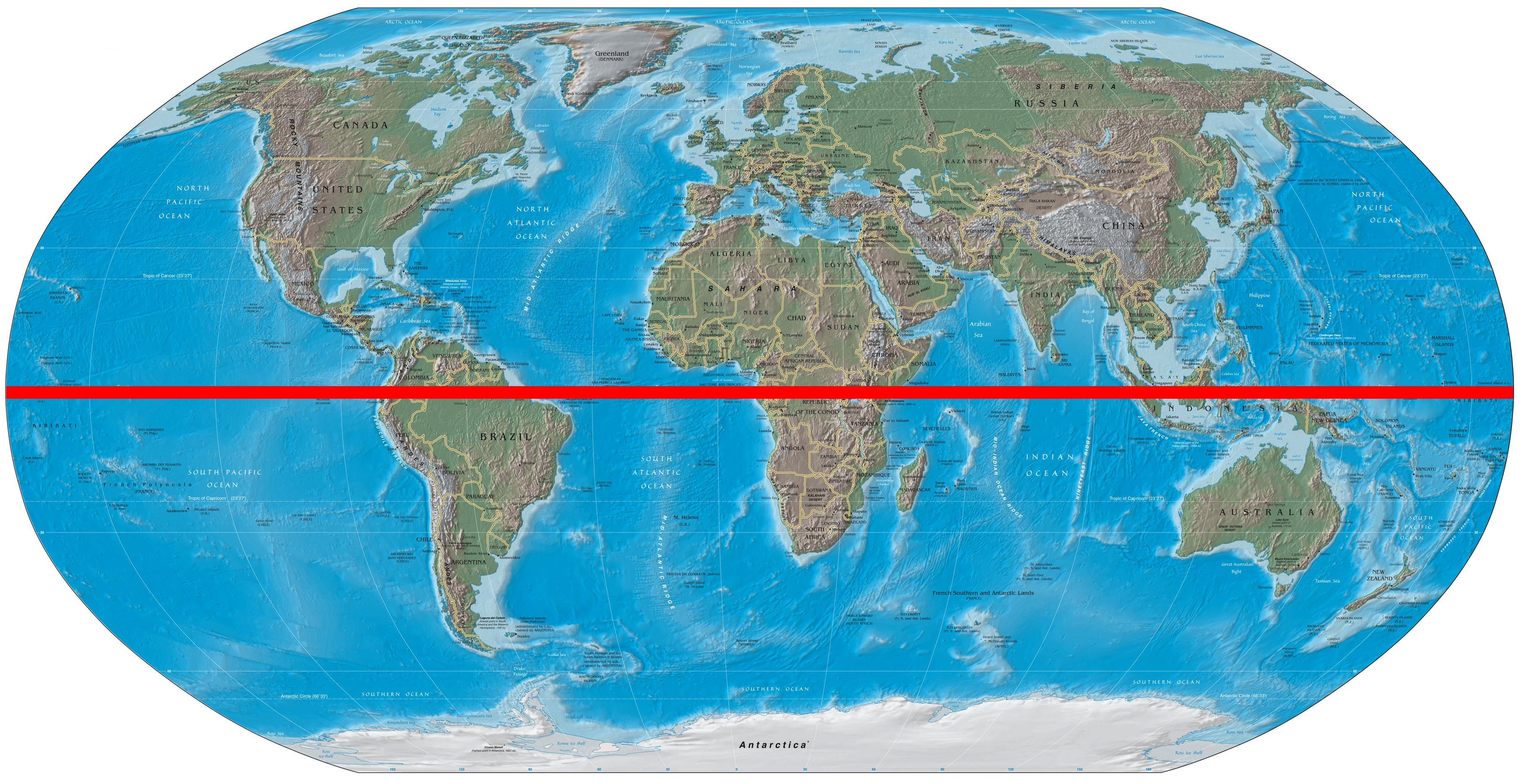
What is the name of this line at 0 degrees latitude?
a)
Prime Meridian
b)
Equator
c)
North Pole
d)
South Pole
34.
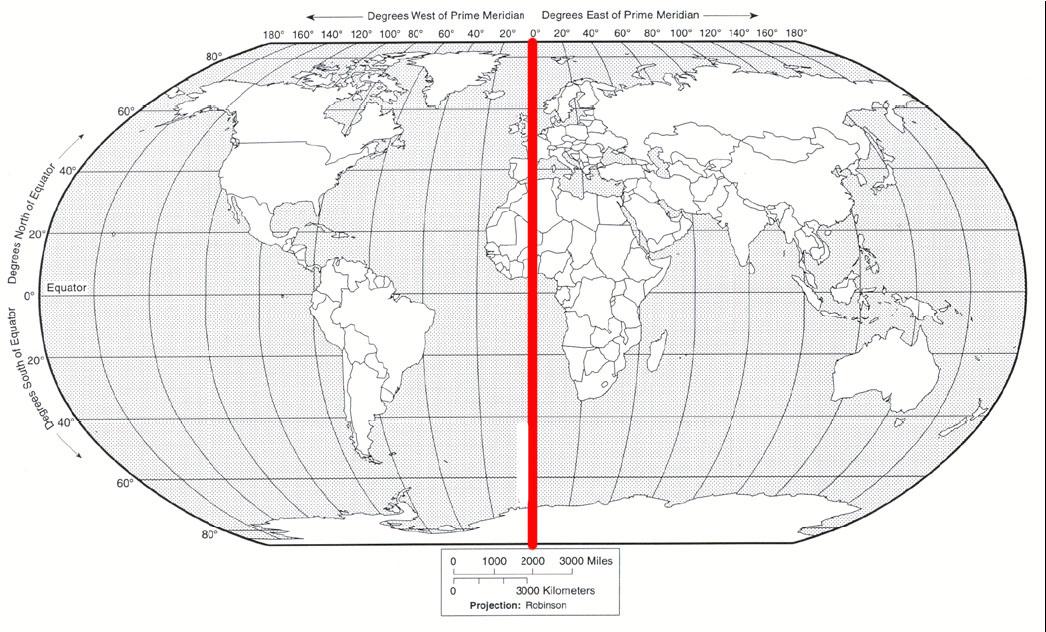
What is the name of the line at zero degrees longitude?
a)
Equator
b)
Prime Meridian
c)
North Pole
d)
South Pole
35.
Which of the following letter is at approximately 60 degrees S, 40 degrees W? 
a)
A
b)
D
c)
E
d)
H
36.
Which letter would you find at 15oS, 60oW?
a)
A
b)
C
c)
L
d)
H
37.
A lake that stores water for human use. 
a)
pond
b)
stream
c)
reservoir
d)
sea
38.

Drought and other geographical characteristics made it necessary for ______________ of the crops.

a)

Agricultural Revolution

b)

irrigation

c)

domestication

d)

specialization

39.

A source created about an event or time-period by someone who was there

a)

Primary

b)

Secondary

40.

Something made about an event or time period by someone who was not there

a)

Primary

b)

Secondary

41.

An article about the Civil War written during the Civil War

a)

Primary

b)

Secondary

42.

A report about the life of Abraham Lincoln written by a 5th grade student

a)

Primary

b)

Secondary

43.

An audio recording of an immigrant talking about their experience of Ellis Island.


What is the audio recording in this sentence?

a)

Primary

b)

Secondary

44.

Which answer below is a Secondary Source?

a)

Autobiography

b)

Photograph

c)

Diary

d)

Textbook

45.

What president gave the order for the Emancipation Proclamation?

a)

Abraham Lincoln

b)

George Washington

c)

Thomas Jefferson

d)

Confederate president Jefferson Davis

46.
What main problem does MLK address in the "I Have a Dream" speech?
a)
African Americans still do not have the rights guaranteed by the Constitution and Declaration of Independence
b)
African Americans do not have the same religious freedom as other groups
c)
African Americans have more rights than whites and are discriminating against them
d)
No one reads the speeches of Abraham Lincoln anymore
47.

Who gave the term "New World" to the Americas.

a)

European Explorers

b)

Natives of the Americas

c)

shipbuilders

d)

spice traders

48.
What was the primary killer of Natvie Americans during the Age of Exploration?
a)
Diseasese
b)
Foreign plants in their forests
c)
Warfare
d)
Poverty
49.
Which of these is not a reason why the Europeans wanted to explore?
a)
To find a faster water route to Asia
b)
To get silk, tea, and spices from Asia
c)
To find a new world
d)
To find riches and fame
50.
This image would be example of people involved with what historical situation?
a)
The encomienda system
b)
The Middle Passage
c)
The Colombian Exchange
d)
Indentured servitude
51.
What was the main cash crop in the Southern colonies that helped to save Jamestown?
a)
Tobacco
b)
Indigo
c)
Wheat
d)
Corn
52.
In 1620, the Mayflower Compact was created to promote ________________ within Plymouth.
a)
a representative assembly
b)
peace and harmony
c)
self-expression
d)
self-government
53.
What was the first permanent English colony?
a)
Jamestown
b)
Roanoke
c)
Plymouth
d)
Boston
54.
The name of the agreement the Pilgrims signed before going ashore in Plymouth was called the
a)
Mayflower Compact
b)
Pilgrim's Progress
c)
Magna Carta
d)
The Constitution
55.
What were some of the reasons England wanted to start colonies in North America?
a)
to gain wealth
b)
to stop slavery
c)
to gain indentured servants
d)
to gain independence
56.
Why was Plymouth established?
a)
To provide a place where Pilgrims could worship freely.
b)
To provide a place where Quakers could worship freely. 
c)
To provide a place where Catholics could worship freely.
d)
To provide a place where Puritans could worship freely. 
57.
The Sons of Liberty were:
a)
the children of our Founding Fathers.
b)
a professional dance team.
c)
Patriots who protested taxes.
d)
the writers of the Declaration of the Independence.
58.
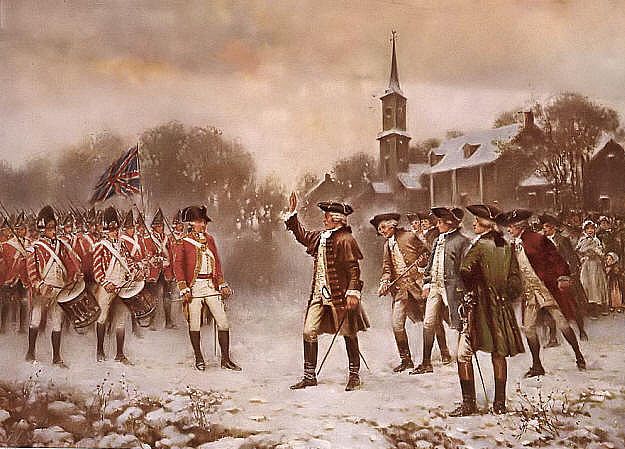
What is another name for British soldiers?
a)
Redcoats
b)
Patriots
c)
Minutemen
d)
Continental Soldiers
59.
What did we call colonists who did NOT want independence from England?
a)
Minutemen
b)
Traitors
c)
Militia
d)
Loyalists
60.
"No ________ without representation"
a)
voting
b)
taxation
c)
rights
d)
liberty poles
61.
What was the purpose of the Boston Tea Party?
a)
to punish merchants for selling imported tea.
b)
to see who could throw a barrel further.
c)
to frame the Native Americans.
d)
to protest taxes
62.
Which side had more resources and training at the beginning of the war?
a)
British
b)
Colonists
63.
Who won the American Revolution?
a)
The British
b)
The American Colonists
64.
Why did the King of Britain start taxing the colonists?
a)
he was bored
b)
he needed money after spending it on the French and Indian War
c)
he needed more money to support the colonists
d)
he needed more money for his family
65.
Which of the following required taxes on every piece of printed paper?
a)
Stamp Act
b)
Townshend Acts
c)
Declaratory Act
d)
Proclamation Line
66.
Which of these required that colonists provide housing for the British soldiers?
a)
Quebec Act
b)
Quartering Act
c)
Boston Port Act
d)
Impartial Administration of Justice Act
67.
Which amendment give you the right of Religion, Assembly, Speech, and Press?
a)
First Amendment
b)
Second Amendment
c)
Third Amendment
d)
Fourth Amendment
68.
Which amendment gives you the right to keep weapons or arms?
a)
First Amendment
b)
Second Amendment
c)
Third Amendment
d)
Fourth Amendment
69.
Which amendment gives you due process?  This means everyone must follow the law. You cannot be brought to trial twice for the same crime. You do not need to tell on yourself.
a)
Fifth Amendment
b)
Sixth Amendment
c)
Seventh Amendment
d)
Eight Amedment
70.
What geographical obstacles did pioneers face while moving west?
a)
Mountain ranges, rivers, and deserts  
b)
Sickness or disease 
c)
Fighting with Native Americans 
d)
Bad weather or storms
71.
How did most people travel to the west?
a)
Boat
b)
Horseback
c)
Car
d)
Covered Wagon
72.

What was the main goal of the Lewis & Clark expedition?

a)

bring back Native Americans that lived in this territory

b)

prevent Spain from claiming all the land

c)

find gold and riches

d)

explore the land acquired by the Louisiana Purchase

73.

What were some of the reasons why pioneers started to move west?

a)

cheap farmland

b)

find gold & riches

c)

religious persecution

d)

new homes

e)

economic opportunity

74.
What is a main reason immigrants came to the US in the late 1800s and early 1900s?
a)
Did NOT want religious freedom
b)
Hoped for economic opportunity (to make money)
c)
Wanted LESS diversity
d)
Wanted to live more simply
75.
The _______________ is the name for the change from goods being made by hand at home to making them by machine in factories.
a)
French Revolution
b)
Machine Revolution
c)
Industrial Revolution
d)
Technological Revolution
76.

What was the Erie Canal used for?

a)

Disney cruises

b)

Test battle ships

c)

Drinking water for the city of Buffalo

d)

Ship goods faster and cheaper

77.
Which of the following was NOT associated with early factory working conditions?
a)
Low wages
b)
Widespread pollution
c)
Dangerous working conditions
d)
Safe working conditions
78.
Which statement is true?
a)
Children were not allowed to work in the mines during the Industrial Revolution
b)
Work conditions were closely regulated
c)
There were no labor laws that prevented children from working
d)
Children were allowed to work but they were treated fairly. 
79.
What is the subject/main idea of the Gettysburg Address?
a)
Freedom 
b)
Self-Reliance
c)
Voting Rights 
d)
Equality
80.

Who wrote the Gettysburg Address?

a)

Thomas Jefferson

b)

Abraham Lincoln

c)

Thomas Paine

d)

George Washington