
NEW
Font size
 Worksheets
Animals - Review Game
Total questions: 37
Worksheet time: 26mins
What does invertebrate mean?
Animals without a backbone
Animals that change their form
Animals with a backbone
Animals that lay eggs

I have a soft-body, a hard shell, and a muscular foot for movement. Which group do I belong to?
Mollusk
Arthropod
Echinoderm
Cnidarian

Why phylum includes sea jellies, corals, and sea anemones?
Sponges
Cnidaria
Mollusk
Echinoderms

Sponges
Are plants
Are plankton
Are found in cold waters
Are filter feeders

A squid is a member of what family that have soft bodies and a muscular foot for movement.
Sponges
Crustaceans
Molluscs
Coelenterates

Leeches are worms that have a round body, which is divided into segments without any appendages. What invertebrate group do leeches belong to?
Mollusk
Echinoderm
Arthropod
Annelid
Which of these is the scientific group made up of worms?
Sponges
Annelids
Cnidarians
Arthropods
Cnidarians capture food and defend themselves by
using stinging cells
using collar cells
budding
forming a hard skeleton
Which of the following is NOT a characteristic of arthropods?
Exoskeleton
Jointed appendages
Segmented body
Endoskeleton
Since the exoskeleton limits the growth of arthropods, they have to shed their exoskeletons and form a new one. This is called ____.
defecating
molting
morphing
excreting
Which of the following correctly describes a crayfish's body regions?
head, thorax, abdomen
head, abdomen
cephalothorax, abdomen
head, cephalothorax
Which of the following crayfish structures is used for gas exchange?
Mandibles
Green glands
Gills
Appendages
What two characteristics do all Arthropods have?
two legs per body segment
jointed legs and a cephalothorax
three body segments and and claws
jointed legs and segmented bodies
Which of the following is the largest group of animals?
sponges
humans
arthropods
mollusks
Where is an exoskeleton located?
in the head
inside the body
inside the bones
outside the body
An animal with six legs and two antennae is called a(n)
insect
crustacean
arachnid
centipede

Many arthropods go through a "life cycle" where they change form. This process in called ________.
Symmetry
Appendages
Molting
Metamorphosis
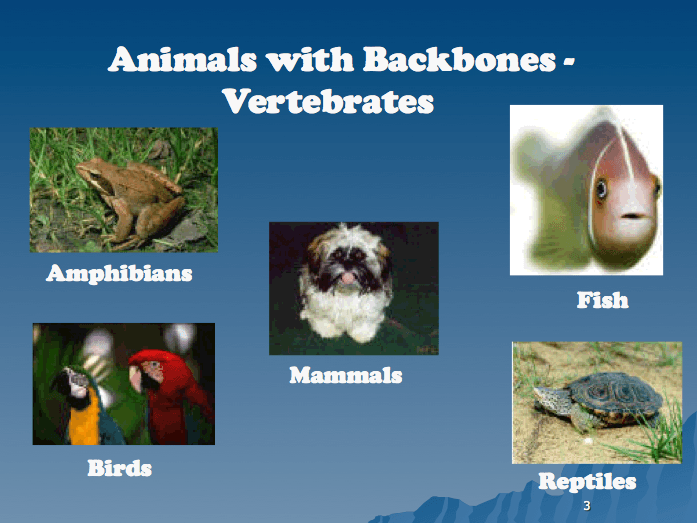
This group has hair or fur.
reptile
amphibian
bird
mammal
This group does not lay eggs
reptile
fish
bird
mammal


What is the scientific word for cold-blooded?
endothermic
ectothermic
thermal
coldtherm
What is the scientific word for warm-blooded?
warmtherm
ectothermic
thermal
endothermic

