wayground logo

Free Printable Worksheets

NEW

Font size

S
M
L
XL
Worksheets

Weather Review

Total questions: 50

Worksheet time: 4hrs 10mins

Name
Class
Date
1.
What does this tool measure?
a)
Wind speed
b)
Wind direction
c)
Air pressure
d)
Temperature
2.
A rain gauge measures what?
a)
Air pressure
b)
Wind speed
wind speed
c)
Amount of rain fall
d)
Wind direction
3.
The weather forecast tomorrow says there will be a 15 mph northeast wind and a high temperature of 52 degrees. What three instruments will a meteorologist use to make this prediction?
a)
anemometer, wind vane, thermometer
b)
barometer, hygrometer, wind vane
c)
thermometer, satellite image, hygrometer
d)
wind vane, satellite image, barometer
4.
Which tool measures air pressure?
a)
Thermometer
b)
Barometer
c)
Wind Vane
d)
Hygrometer
5.
Which tool measures wind speed?
a)
Anemometer
b)
Hygrometer
c)
Barometer
d)
Wind Vane
6.
What instrument measures temperature?
a)
rain gauge 
b)
hydrometer
c)
thermometer 
d)
wind vane
7.
What instrument measures the humidity?
a)
anemometer
b)
rain gauge 
c)
barometer
d)
hydrometer 
8.
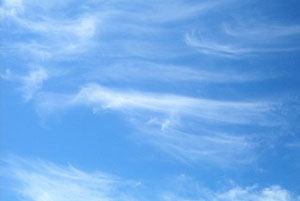
This type of cloud is thin, wispy, and made of ice crystals
a)
cumulus cloud
b)
stratus cloud
c)
cirrus cloud
d)
cumulonimbus cloud
9.
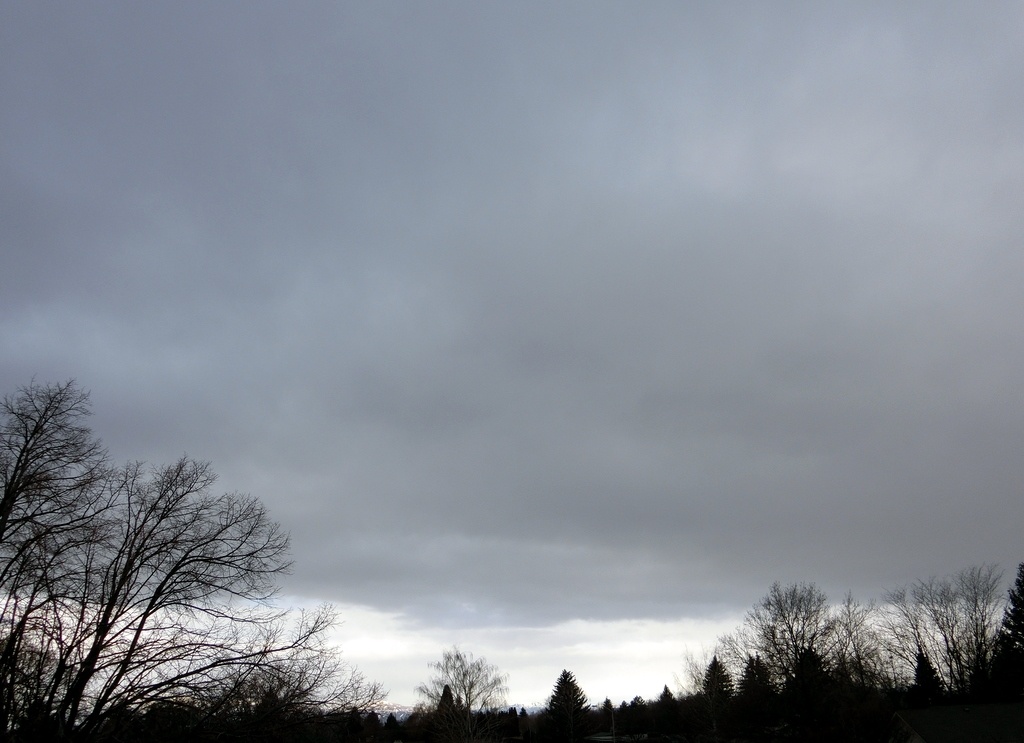
This type of cloud is thin and flat, and the edges are not clearly defined
a)
cirrus cloud
b)
cumulus cloud
c)
stratus cloud
d)
cumulonimbus cloud
10.
This type of cloud is thick and puffy on top, and generally flat on the bottom. It has well-defined edges and can change shape rapidly.
a)
cumulus cloud
b)
stratus cloud
c)
cirrus cloud
d)
cloud 9
11.
Nimbostratus and cumulonimbus clouds can signal what type of upcoming weather?
a)
fair skies
b)
hot, sunny weather
c)
windy weather
d)
rainy weather
12.
Cumulus and cirrus clouds can signal what type of upcoming weather?
a)
fair skies
b)
hot, sunny weather
c)
windy weather
d)
rainy weather
13.
Which of the following is an example of a cloud of vertical development?
a)
nimbostratus cloud
b)
cumulonimbus cloud
c)
cirrus cloud
d)
stratus cloud
14.
A wet, cold air mass would be - 
a)
maritime tropical 
b)
maritime polar
c)
continental tropical 
d)
continental polar
15.
A dry and cold air mass would be...
a)
Maritime polar
b)
Continental polar
c)
Maritime tropical
d)
Continental tropical
16.
When a cold front is approaching, what happens?
a)
warm air is pushing under cold air causing humid weather and lower temperatures
b)
warm air is pushing under cold air causing humid weather and higher temperatures
c)
warm air rises, cools, and causes rain and thunderstorms
d)
cold air is pushed over warm air causing rain and thunderstorms
17.
In a high pressure area, the weather will likely be
a)
cooler and clear skies
b)
warm but cloudy
c)
cold and rainy
d)
snowy and clear
18.
What type of storm front is this? 
a)
warm front
b)
cold front
c)
stationary front
d)
occluded front
19.
What is a boundary area where air masses meet but do not mix?
a)
low pressure system
b)
super cell
c)
front
d)
high pressure system
20.
What type of storm front is this?
a)
warm front
b)
cold front
c)
stationary front
d)
occluded front
21.
What characteristics are used to classify air masses?
a)
temperature and humidity
b)
pressure and temperature
c)
latitude and longitude
d)
wind speed and location 
22.
What type of weather would you expect to see after a cold front has passed through an area?
a)
cool and clear skies
b)
warm and humid
c)
thunderstorms
d)
foggy
23.
What type of weather would you expect to see after a warm front has passed through an area?
a)
cool and clear skies
b)
warm and humid
c)
thunderstorms
d)
foggy
24.
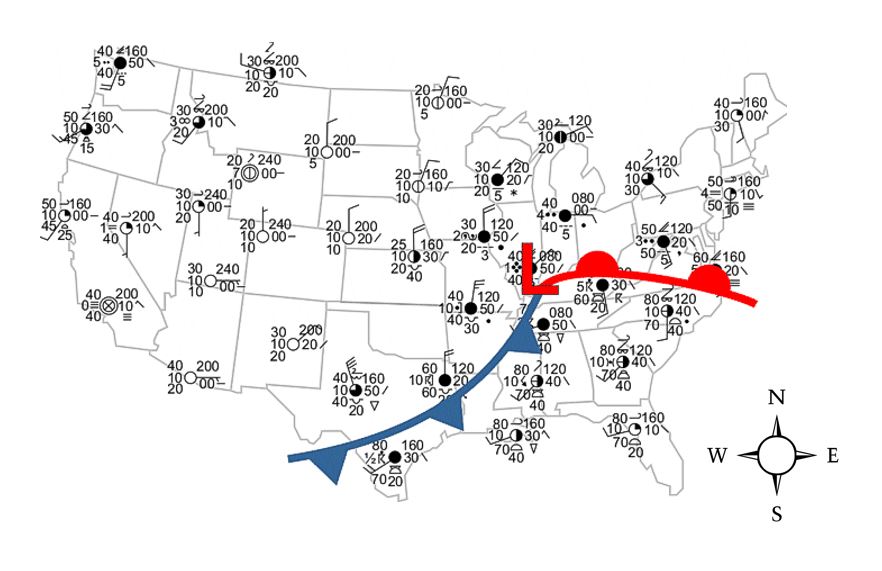
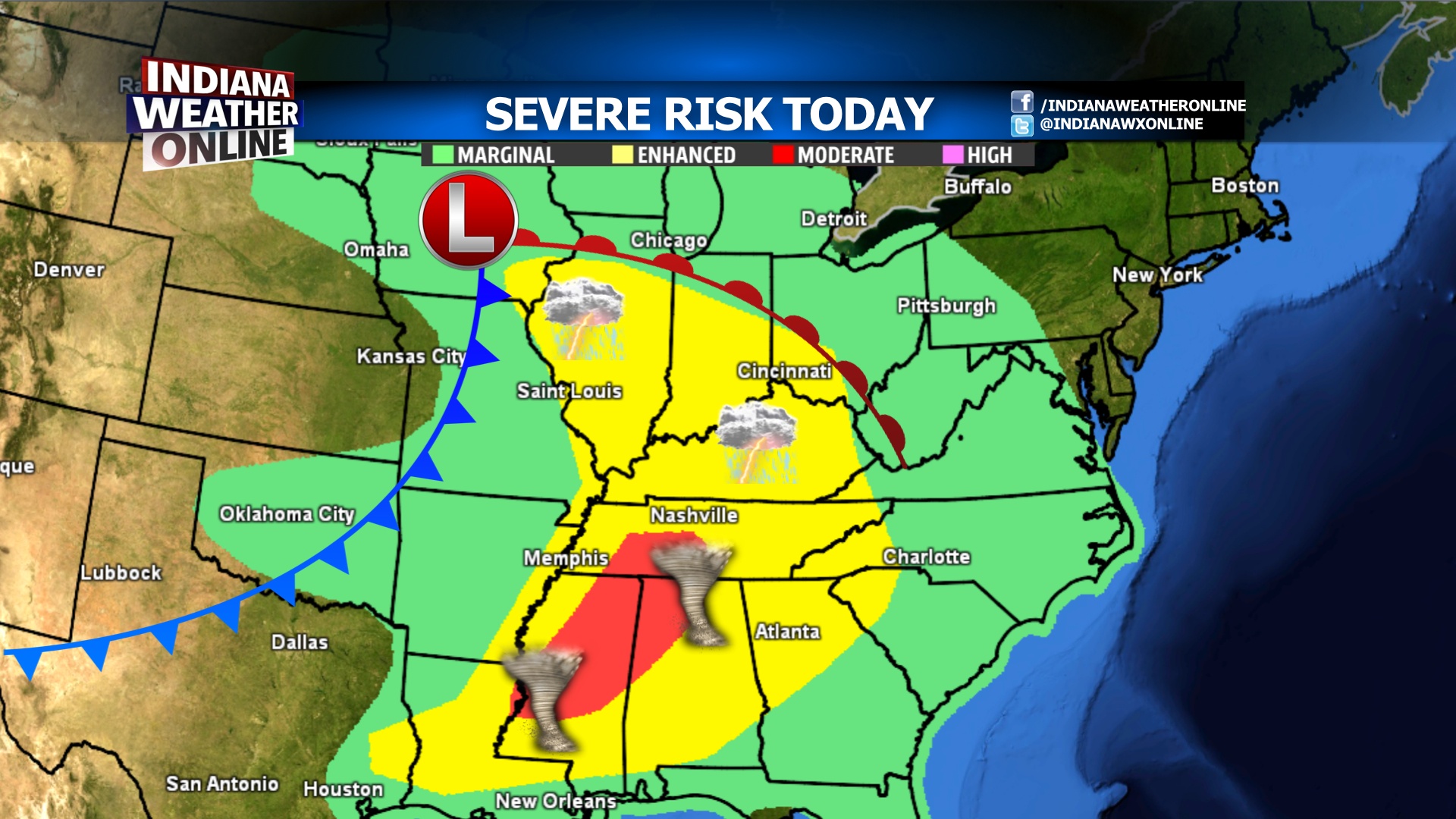
What direction is the cold front moving on the map? 
a)
Southwest
b)
Northwest
c)
Southeast
d)
Northeast
25.

What type of front occurs when a warm air mass and a cold air mass do not have enough energy to move the other one out of the way?

a)

Warm front

b)

Cold front

c)

Stationary front

d)

Occluded front

26.

The highest recorded temperature for Austin, Texas is 112 degrees fahrenheit.

a)

Weather

b)

Climate

27.

The average yearly rainfall in Hawaii is 78 inches.

a)

Weather

b)

Climate

28.

It is usually raining in Seattle.

a)

Weather

b)

Climate

29.

Yesterday was the hottest day of the year.

a)

Weather

b)

Climate

30.
What does this picture show?
a)
weather
b)
climate
31.
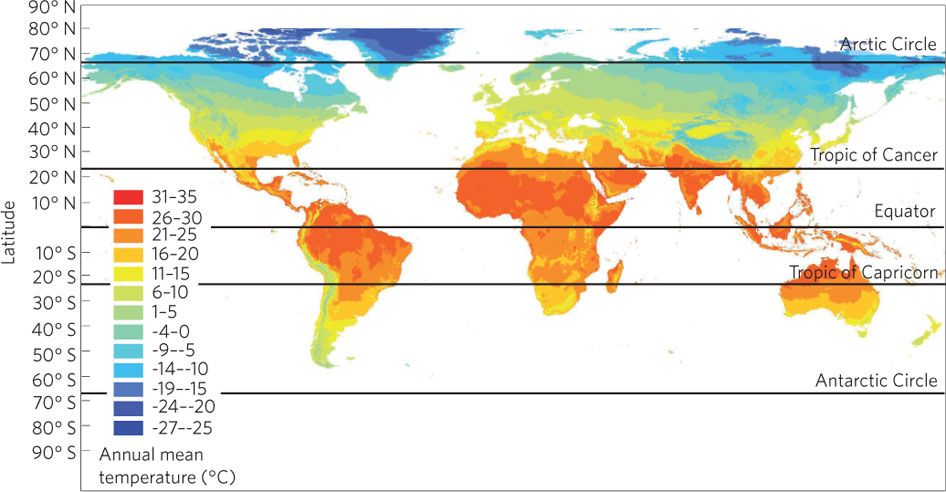
What does this picture show?
a)
weather
b)
climate
32.

Which of the following best describes weather?

a)

day to day conditions of the atmosphere at a place in regards to heat, dryness, sunshine, wind, rain, etc.

b)

long-term conditions (months/years) of the atmosphere at a place in regards to heat, dryness, sunshine, wind, rain, etc.

33.

Which of the following best describes climate?

a)

day to day conditions of the atmosphere at a place in regards to heat, dryness, sunshine, wind, rain, etc.

b)

long-term conditions (months/years) of the atmosphere at a place in regards to heat, dryness, sunshine, wind, rain, etc.

34.
What do meteorologists make from weather data?
a)
tornadoes
b)
forecasts
c)
cold fronts
d)
all of the above
35.
What is a meteorologist?
a)
A type of cloud.
b)
A weather instrument.
c)
A scientist who studies weather.
d)
A person who likes weather.
36.
Wind is caused mainly by air pressure differences that result from...
a)
a. uneven heating of the Earth's atmosphere.
b)
b. absorption of ultraviolet radiation by Earth's land masses.
c)
c. radiation of heat from Earth's land masses to water bodies.
d)
d. rotation of Earth on its axis.
37.
What kind of breeze is this & what time of day/night would it form?
a)
Land breeze - daytime
b)
Land breeze - nighttime
c)
Sea breeze - daytime
d)
Sea breeze - nighttime
38.
Where does the initial source of energy come from that creates winds?
a)
the moon
b)
the sun
c)
the Earth's surface
d)
the rotation of the Earth
39.
Which global winds have the greatest impact on the weather in the US?
a)
trade winds
b)
prevailing westerlies
c)
doldrums
d)
polar easterlies
40.
In which direction do prevailing westerlies flow?
a)
from east to west
b)
from west to east
c)
from north to south
d)
from south to north
41.

Hurricanes move in opposite directions in the northern and southern hemispheres due to ___________________.

a)

El NIno

b)

The Coriolis Effect

c)

La Nina

d)

upwelling

42.
Precipitation is water that falls from clouds.
a)
true
b)
false
43.
Where do hurricanes form?
a)
over water
b)
over land
c)
everywhere
44.
Which storm is defined as a slow moving system that forms over water that causes high winds, rain, and lots of flooding?
a)
thunderstorms
b)
tornadoes
c)
hurricanes
d)
blizzards
45.

Which storm has winds higher than 35 miles per hour, happens in the winter with possible white-outs and lots and lots of snow?

a)

thunderstorms

b)

tornadoes

c)

hurricanes

d)

blizzards

46.
Which storm is caused by thunderstorms, is very small but extremely damaging, comes with little warning, and moves very quickly?
a)
thunderstorms
b)
tornadoes
c)
hurricanes
d)
blizzards
47.

Which storm happens with very little warning, only lasts a few minutes, and is extremely destructive?

a)

thunderstorms

b)

tornadoes

c)

hurricanes

d)

blizzards

48.
Lots of rain in a short amount of time is called:
a)
flooding
b)
drought
c)
thunderstorm
49.

What kind of storm can happen anytime of the year, and usually brings lightning and thunder?

a)

tornado

b)

hurricane

c)

thunderstorm

d)

blizzard

50.

Cold front and warm front meet over land. Cold air pushes warm air up quickly in a rotating motion. This can create a...

a)

tornado.

b)

hurricane.

c)

winter storm.

d)

drought.