Wayground logo

Free Printable Worksheets

Font size

S
M
L
XL
Worksheets

5-20 IPC Spring Final Exam Part 1 TAKE UNTIL 100%

Total questions: 231

Worksheet time: 4hrs 7mins
Name
Class
Date
1.
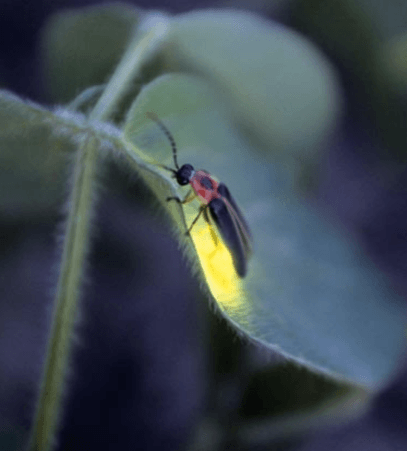
Is a firefly lighting up a physical or chemical change?
a)
Physical
b)
Chemical
2.
Is water melting a physical or chemical change?
a)
Physical
b)
Chemical
3.
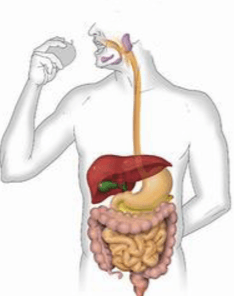
Is digesting your food a physical or chemical change?
a)
Physical
b)
Chemical
4.
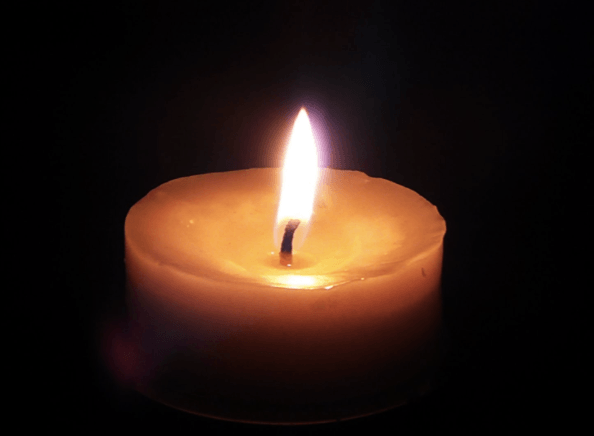
Is a burning candle a physical or chemical change?
a)
Physical
b)
Chemical
5.
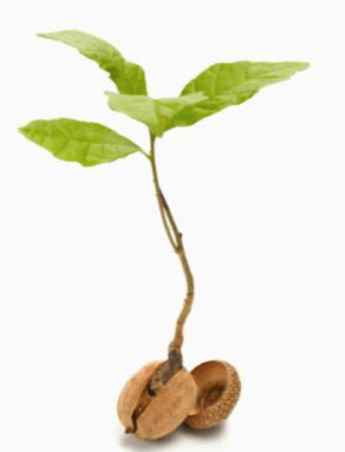
Is a tree sprouting a physical or chemical change?
a)
Physical
b)
Chemical
6.
Is getting a tan a physical or chemical change?
a)
Physical
b)
Chemical
7.
Is melting iron a physical or chemical change?
a)
Physical
b)
Chemical
8.
Is sour milk a physical or chemical change?
a)
Physical
b)
Chemical
9.
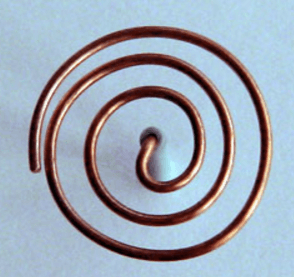
Is bending copper wire a physical or chemical change?
a)
Physical
b)
Chemical
10.
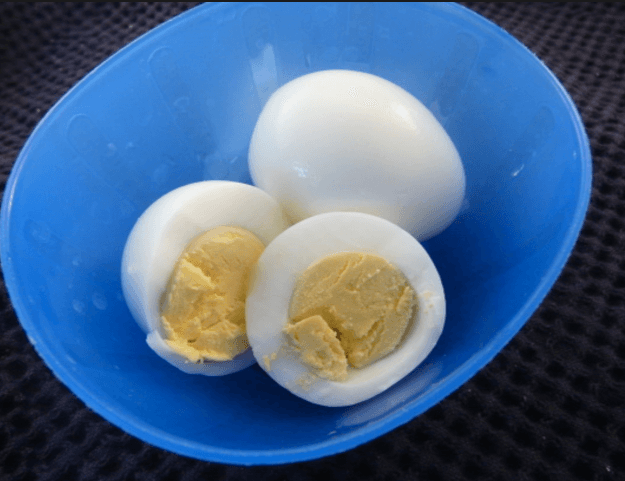
Are hard boiled eggs a physical or chemical change?
a)
Physical
b)
Chemical
11.
Is melting butter a physical or chemical change?
a)
Physical
b)
Chemical
12.
When baking soda and vinegar mix it creates a bubbly mess. Is this a chemical or physical change?
a)
Physical
b)
Chemical
13.
If a new substance is formed would this be a physical or chemical change?
a)
Physical
b)
Chemical
14.
What kind of properties can only be observed when a substance changes into a different substance?
a)
physical properties
b)
chemical properties
15.
Properties that can be observed without changing the identity of the substance.
a)
Physical
b)
Chemical
16.
Definition of Brittleness?
a)
Tendency of a material to break under stress
b)
The ability of material to be reshaped into thin sheets of metal.
c)
The ability of material to be drawn into wire.
d)
The ability of material to be bent.
17.

The SI unit for mass is _________.

a)

Pounds

b)

Inches

c)

Kilograms

d)

Ounces

18.
Matter is anything that has _________ and _________.
a)
length and width
b)
mass and volume
c)
a boiling point and a freezing point
d)
size and shape
19.
What are three common phases of matter?
a)
solid, liquid and gas
b)
atom, element and molecule
c)
mixture, solution and compound
d)
mass, volume and temperature
20.
The amount of matter in a substance, or object, is its __________.
a)
volume
b)
length
c)
temperature
d)
mass
21.
Particles in a __________ have very little movement and the object keeps its shape and volume.
a)
solid
b)
liquid
c)
gas
22.
__________ have a definite volume and tend to take the shape of their container. 
a)
solids
b)
liquids
c)
gases
23.
Solids __________.
a)
take the shape of their container
b)
have a fixed shape
c)
are compressible
d)
have particles that flow easily
24.
Gases __________.
a)
have a fixed shape
b)
are easily compressed
c)
have particles that do not flow easily
d)
have a definite volume
25.
______ is when water vapor in the air turns back into a liquid.
a)
Condensation
b)
Evaporation
c)
Precipitation
d)
Sublimation
26.
Jacob put his water bottle full of water in the freezer. The state of matter of the water will change from ___________.
a)
liquid to gas
b)
gas to liquid
c)
liquid to solid
d)
solid to liquid
27.
Which of these is true?
a)
Solids hold their shape.
b)
Liquids hold their shape.
c)
Gases hold their shape.
d)
Penguins eat pineapples.
28.
2. A change of state from a liquid to a solid is called....
a)
Melting
b)
Freezing
c)
Evaporation
29.
5. What is it called when a solid turns directly into a gas?
a)
Sublimation
b)
Condensation
c)
Liquid
30.
Change from Gas to Solid is called........
a)
Sublimation
b)
Deposition
c)
Fusion
d)
condensation
31.
Change from gas to liquid...
a)
condensation
b)
evaporation
c)
expansion
d)
movement
32.
Change from Liquid to Solid is call......
a)
fusion
b)
Freezing
c)
sublimation
d)
evaporation
33.
change from liquid to gas is called....
a)
expansion
b)
evaporation
c)
condensation
d)
sublimation
34.
What happens to particles when they are heated?
a)
They speed up and spread out
b)
They slow down and compress
c)
They stop moving
d)
They move closer together and speed up
35.
Boiling is ...
a)
liquid to gas
b)
gas to solid
c)
gas to liquid
d)
solid to liquid
36.
A physical change is...
a)
a change that doesn't change the identity
b)
a change that makes something new.
c)
a chemical reaction
37.
A chemical change
a)
doesn't really change much.
b)
creates a new substance
c)
is a change in the state of matter
38.

Subatomic particles with a negative charge

a)

Electrons

b)

Neutrons

c)

Protons

d)

Quarks

39.
subatomic particles found on the outermost shell & responsible for the atom's reactivity
a)
neutrons
b)
valence electrons
c)
isotopes
d)
ions
40.
Subatomic particles with a positive charge
a)
neutrons
b)
atomic mass
c)
protons
d)
isotopes
41.
Measure mainly of the nuclear particles: protons + neutrons
a)
Subatomic Particles
b)
Atomic Number
c)
Atomic Mass
d)
Gluons
42.
Subatomic particles that are neutral in charge
a)
Neutrons
b)
Protons
c)
Nucleus 
d)
Electrons
43.
Atoms of the same element with a different number of neutrons
a)
Ion
b)
Gluons
c)
Isotope
d)
Quarks
44.
The smallest particle of an element that shows all the properties of that element.
a)
Subatomic Particles
b)
Atom
c)
Quarks
d)
Gluons
45.
A tiny but very dense, positively charged portion of the atom that holds most of the atomic mass
a)
Electron Shells
b)
Orbitals
c)
Electron Cloud
d)
Nucleus
46.
Arrangement of elements organized by atomic number
a)
Electron Cloud 
b)
Periodic Table 
c)
Electron Configuration
d)
None of these
47.
Discovered the nucleus of the atom through the Gold Foil Experiment
a)
Rutherford
b)
Chadwick
c)
Thomson
d)
Dalton
48.
Created the Planetary Model of the atom
a)
Bohr
b)
Dalton
c)
Rutherford
d)
Chadwick
49.
Calculation used to find the number of neutrons in an atom
a)
Atomic Mass - Atomic Number
b)
Atomic Number - Atomic Mass
c)
Atomic Mass - Electrons
d)
none of these
50.
Which subatomic particle has a positive (+) charge?
a)
Neutron
b)
Proton
c)
Electron
51.
Which subatomic particle has a negative (-) charge?
a)
Proton
b)
Electron
c)
Neutron
52.
Which two subatomic particles make up the nucleus of an atom?
a)
Protons and Electrons
b)
Neutrons and Electrons
c)
Electrons and Protons
d)
Protons and Neutrons
53.
Where are the Electrons found in the structure of an atom?
a)
In the nucleus
b)
In spaces around the nucleus
54.

A substance that cannot be broken down into other substances by chemical or physical means.

a)

Covalent bond

b)

Atom

c)

Element

55.

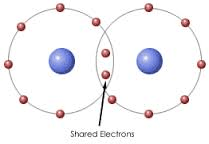
A chemical bond where electrons are shared between two atoms. In this type of bond no ions are. You will find these bonds when carbon bonds to other elements.

a)

Covalent bond

b)

Element

c)

Hydrogen bond

56.

A combination of two or more atoms

a)

Period

b)

Molecule

c)

Atom

d)

Family

57.

A chemical bond between two atoms where one or more electrons are passed from one atom to another. When they give up electrons, each of the atoms should have a filled shell. An example is the sodium chloride bond.

a)

Ionic bond

b)

Hydrogen bond

c)

Element

d)

Covalent bond

58.

Elements in the same vertical column of the periodic table; also called group

a)

Family

b)

Atom

c)

Element

d)

Metals

59.

What is the atomic number?

a)

35

b)

18

c)

17

d)

52

60.

How many protons and electrons does this element have?

a)

35

b)

18

c)

17

d)

52

61.

How many neutrons does Chlorine have?

a)

18

b)

17

c)

35

d)

52

62.

What is the atomic mass of Neon?

a)

10

b)

20

c)

30

63.

How many neutrons does calcium have?

a)

20

b)

40

c)

60

d)

0

64.

What would Au (Gold) be categorized as on the periodic table?

a)

Nonmetal

b)

Metal

c)

Transitional metal

d)

Noble gas

65.

What would He (Helium) be categorized as on the periodic table?

a)

Nonmetal

b)

Metal

c)

Noble gas

d)

Transitional metal

66.

Name the element

a)

Boron

b)

Carbon

c)

Nitrogen

d)

Oxygen

67.

Name the element

a)

Aluminum

b)

Silicon

c)

Phosphorus

d)

Sulfur

68.

How many neutrons does platinum have?

a)

78

b)

117

c)

195

d)

196

69.
The first energy level can hold up to how many electrons?
a)
8
b)
4
c)
2
d)
5
70.
A horizontal row in the periodic table is called....
a)
Group
b)
Family
c)
Column
d)
Period
71.
Rows on the period table are called _____ while columns are called _____.
a)
groups, families
b)
groups, periods
c)
periods, groups
d)
families, groups
72.
What does an atom's period tell us?
a)
Number of protons
b)
Number of electrons
c)
Number of valence electrons
d)
Number of shells
73.
Elements which are shiny, conduct electricity and heat are called
a)
metal
b)
nonmetal
c)
metalloid
d)
nonexistent
74.
Group 18 elements are known as the _____ _____ and have full valence shells.
a)
royal gases.
b)
supreme solids.
c)
noble gases.
d)
legit liquids.
75.
What period and group is Silver (Ag)? 
a)
Period 2, Group 1
b)
Period 3, Group 16
c)
Period 5, Group 11
d)
Period 2, 14
76.
An element's identity is determined by the number of
a)
electrons.
b)
protons.
c)
neutrons.
d)
valence.
77.
Rows on the period table are called _____ while columns are called _____.
a)
groups, families
b)
groups, periods
c)
periods, groups
d)
families, groups
78.
The central region of an atom where its neutrons and protons are is called the
a)
nucleus 
b)
electron cloud
c)
core 
d)
center 
79.
 Why does group number 18 have the least reactive elements?
a)
They all have an odd number of protons.
b)
They all have an even number of protons. 
c)
They have the largest masses.
d)
Their electron shells are the most filled and do not need to be very reactive.
80.
Beryllium is in group number______.
a)
Group 2
b)
Group 3
c)
Group 4
d)
Group 7
81.
The period for Bromine is ___________.
a)
3
b)
2
c)
4
82.
The elements in a column of the periodic table...
a)
have similar atomic numbers
b)
start with the same letter
c)
have similar properties
d)
are not related in any way
83.
What period and group is Flourine on the periodic table?
a)
Period 7, Group 3
b)
Period 5, Group 4
c)
Period 2, Group 17
d)
Period 8, Group 2
84.
Which of the following has six valence electrons?
a)
Sodium
b)
Iodine
c)
Oxygen
d)
Neon
85.
Metals are good conductors of heat and electricity.
a)
true
b)
false
86.
Iron is a good conductor, malleable and magnetic. What type of element is Iron? 
a)
Metal
b)
Nonmetal
c)
Metalloid
d)
Pretty
87.
All of these properties describe metals except...
a)
malleable
b)
conductors
c)
brittle 
d)
shiny
88.
Which of these is a property of metals?
a)
Malleable
b)
Good Insulator
c)
Dull
d)
Very brittle
89.
Which of the following is typically a good conductor of heat?
a)
Metal
b)
Nonmetal
c)
Metalloid
90.
Which of the following represents an element?
a)
H2O
b)
H2
c)
NaCl
d)
CaCO3
91.
What is a cation? 
a)
a metal with a negative (-) charge
b)
a non-metal with a negative (-) charge 
c)
a metal with a positive (+) charge 
d)
a non-metal with a positive (+) charge
92.
What is a anion? 
a)
a metal with a negative (-) charge
b)
a non-metal with a negative (-) charge 
c)
a metal with a positive (+) charge 
d)
a non-metal with a positive (+) charge
93.
Covalent Compounds HAVE a positive (+) or negative (-) charge 
a)
True
b)
False
c)
Que onda, Hagerman? 
d)
What was that now? 
94.
Ionic Compounds HAVE a positive (+) or negative (-) charge 
a)
True
b)
False
c)
Que onda, Hagerman? 
d)
What was that now? 
95.
The correct name for NaCl is...
a)
Sodium Chlorine
b)
Sodium Chloride
c)
Nickel Chloride
d)
Sodium Choroxide 
96.
CO2
a)
Ionic
b)
Covalent
c)
Polyatomic Ion 
d)
Metallic 
97.
(NO3) - 
a)
Ionic
b)
Covalent
c)
Polyatomic Ion
d)
Metallic 
98.
(NH4) +
a)
Ionic 
b)
Covalent
c)
Polyatomic Ion 
d)
Metallic 
99.
SO4
a)
Covalent
b)
Ionic
c)
Metallic
d)
Polyatomic Ion
100.
Ionic compounds tend to be _________ whereas covalent compounds tend to be ______ or _____
a)
solids // liquids or gases
b)
liquids // solids or gases
c)
gases // solids or liquids
d)
solids // solids or liquids 
101.
The octet rule means that all valence shells want to have the number...... 
a)
1
b)
9
c)
8
d)
16
102.
All atoms/elements bond in order to ....
a)
Have a full valence shell
b)
Give away electrons or take electrons
c)
Only share electrons
d)
To create electrical currents for human use 
103.
If pure water has no charge, why is it dangerous to stay in a thunderstorm? 
a)
B/c rain water has other (ionic) compounds mixed with it, giving it a charge
b)
B/c rain water is the same thing as pure water 
c)
B/c water is a polyatomic ion with a small charge
d)
B/c pure water and rain water together create another ionic bond 
104.
What kind of bond forms between two nonmetals?
a)
Covalent bond
b)
Ionic bond
c)
Can be either covalent or ionic
d)
Hydrogen bond
105.
Which of these is covalent?
a)
NaCl
b)
Pb(NO3)2
c)
CO2
d)
AlCl3
106.
When an atom's outer energy levels are not filled completely, the atom ___.
a)
is very stable
b)
is a noble gas
c)
cannot form a compound
d)
can gain, lose, or share electrons
107.
Between metals and nometals
a)
Ionic Bonds
b)
Covalent Bonds
c)
Both bonds
d)
Neither bond
108.
Share electrons
a)
Ionic Bonds
b)
Covalent Bonds
c)
Both bonds
d)
Neither bond
109.
Gain or lose electrons
a)
Ionic Bonds
b)
Covalent Bonds
c)
Both bonds
d)
Neither bond
110.
Covalent bonds actually "share" electrons?
a)
true
b)
false
111.
Covalent bonds are between...
a)
Metal and Non-metal
b)
Non-metal and Non-metal
c)
Metal and Metal
112.
What is a valence electron?
a)
The sum of neutrons and protons.
b)
The # of electrons in the last shell.
c)
A type of bond.
d)
A popular compound.
113.
How are covalent bonds formed?
a)
Sharing of electrons
b)
Transfer of electrons
114.
How are ionic bonds formed?
a)
Transfer of electrons
b)
Sharing of electrons
115.
Why do elements bond?
a)
To be friends
b)
To create a new element
c)
To become stable
116.
Where are the nonmetals located on the periodic table? 
a)
Blue
b)
Red
c)
Green
117.

Name the ionic compound, CaCO3

a)

calcium carbide

b)

calcium carbon trioxide

c)

calcium carbon oxide

d)

calcium carbonate

118.

Name the ionic compound, FeBr3

a)

Iron (II) bromide

b)

Iron (III) bromide

119.
H20 - name?
a)
hydrooxic acid
b)
hydroxic acid
c)
water
d)
hydrogen oxide
120.
What is the proper name for CaCl2?
a)
Calcium dichloride
b)
Monocalcium dichloride
c)
Calcium chloride
d)
Calcium chlorine
121.

What is the correct molecular formula for barium hydroxide?

a)

Ba(OH)2

b)

Ba2OH

c)

BaOH

d)

Ba2OH

122.
find the formula zinc sulfate
a)
ZnSO3
b)
ZnSO4
c)
ZnS
d)
Zn(SO4)2
124.
Name the compound Na2O
a)
Sodium Oxide
b)
Sodium Dioxide
c)
Sodium Oxygen
d)
Natride Oxide
124.
Name the compound Na2O
a)
Sodium Oxide
b)
Sodium Dioxide
c)
Sodium Oxygen
d)
Natride Oxide
125.
Name this formula: 
Al2O3
a)
Aluminum Oxide
b)
Aluminum Oxygen
c)
Antimony Oxide
d)
Aluminum (VII) Oxide
126.
4Si + S8 --> 2Si2S4
a)
Synthesis
b)
Decomposition
c)
Single displacement
d)
Double displacement
127.
3Ca + 2AlCl3 --> 3CaCl2 + 2Al
a)
Synthesis
b)
Decomposition
c)
Single diplacement
d)
Double displacement
129.
3KOH + H3PO4 --> K3PO4 + 3H2O
a)
Synthesis 
b)
Decomposition
c)
Single displacement
d)
Double displacement
129.
3KOH + H3PO4 --> K3PO4 + 3H2O
a)
Synthesis 
b)
Decomposition
c)
Single displacement
d)
Double displacement
131.
2Pb(NO3)2 --> 2PbO + 4NO2 + O2
a)
Synthesis 
b)
Decomposition
c)
Single displacement
d)
Combustion
131.
2Pb(NO3)2 --> 2PbO + 4NO2 + O2
a)
Synthesis 
b)
Decomposition
c)
Single displacement
d)
Combustion
132.
3Mg + N2 --> Mg3N2
a)
Synthesis 
b)
Decomposition
c)
Single displacement
d)
Combustion
133.
Which reaction type is the following: C5H10O4 + O2 --> CO2 + H2O
a)
Decomposition
b)
Single Replacement
c)
Combustion
d)
Double Replacement
134.
Which reaction type is the following: C5H10O4 + O2 --> CO2 + H2O
a)
Decomposition
b)
Single Replacement
c)
Combustion
d)
Double Replacement
135.
Which of the following is the general formula for a decomposition reaction?
a)
A + B  → AB
b)
AB → A + B
c)
AB + C → AC + B
d)
AB + CD → AC + BD
136.
Balance this equation:
 __Li + __Cl2 -> __LiCl
a)
2Li + Cl2 -> 4LiCl2
b)
2Li + Cl2 -> LiCl2
c)
2Li +  Cl2 -> 2LiCl
137.
H2SO4 + Fe -->H2 + FeSO4
a)
Synthesis
b)
Decomposition
c)
Single Replacement
d)
Double Replacement
138.
Which chemical reaction switches 2 elements?
a)
Double Replacement
b)
Single Replacement
c)
Combustion
d)
Decomposition
139.
Which chemical reaction takes place when 2 substances react to form a single product?
a)
Decomposition
b)
Double Replacement
c)
Single Replacement
d)
Synthesis
140.
At the end of chemical reactions, what is the total mass of the reactants compared to the total mass of the products?
a)
the product is doubled
b)
the product is half the mass of the reactants
c)
the mass is the same
d)
the mass changes depending on the reaction
141.
What is a product?
a)
a fancy word for make-up
b)
a volatile chemical
c)
the substances you start with in a chemical reaction
d)
the substances that are formed by a chemical reaction
142.
What is a reactant?
a)
a volatile chemical
b)
a dangerous substance
c)
the substances you start with in a chemical reaction
d)
the substances that are formed by a chemical reaction 
143.
The number of atoms you begin with in a chemical reaction ...
a)
must be the same as the number of  atoms you end with
b)
must be an even number
c)
can be different to the number you finish with
d)
changes depending on how much energy is formed
144.

Balance the following:

____ Fe + ____ Cl2 → ____ FeCl3

a)
1,1,2
b)
1,3,1
c)
2,2,3
d)
2,3,2
145.

Balance the following:

____ Al + ____ O2 → ____ Al2O3

a)
2,3,4
b)
4,3,2
c)
1,1,2
d)
2,1,1
146.

Balancing the following:

____ Al + ____ HCl → ____ AlCl3 + ____ H2

a)
1,3,1,2
b)
2,3,2,3
c)
2,6,2,3
d)
3,2,6,2
147.

Balance the following:

____ H2SO4 + ____ NaNO2 → ____ HNO2 + ____ Na2SO4

a)
1,1,2,1
b)
1,2,2,1
c)
2,3,3,2
d)
4,3,2,1
148.
Always starts with a hydrocarbon that reacts with oxygen and produces carbon dioxide and water. 
a)
Decomposition
b)
Synthesis
c)
Combustion
d)
Single Replacement
149.
One element replaces another in a compound.
a)
Synthesis
b)
Combustion
c)
Single Replacement
d)
Double Replacement
150.
This pictures simulates what type of reaction?
a)
Synthesis
b)
Decomposition
c)
Single Replacement
d)
Double Replacement
151.
What type a reaction is taking place in this picture?
a)
Synthesis
b)
Decomposition
c)
Single Replacement
d)
Double Replacement
153.
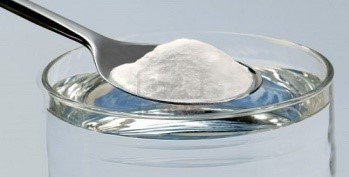
In this mixture, which of the following will be the solute?
a)
The water in the glass
b)
The glass that holds the final mixture
c)
The solution containing both powder and water
d)
The powder on the spoon
153.
In this mixture, which of the following will be the solute?
a)
The water in the glass
b)
The glass that holds the final mixture
c)
The solution containing both powder and water
d)
The powder on the spoon
154.
If we are making Kool-aid with sugar, Kool-aid powder, and water, which part is the solvent?
a)
water
b)
powder
c)
sugar
d)
powder and sugar
155.
What is a substance that is dissolved in another substance? 
a)
solution
b)
solute
c)
solvent
d)
compound
156.
Which is an example of a solution?
a)
Chex Mix
b)
Mixed fruit
c)
Juice
d)
milk and cereal
157.
When no more sugar will dissolve in a glass of water, the solution is
a)
unsaturated
b)
saturated
c)
supersaturated
d)
suspended
158.
To make a solute dissolve more quickly i n a solvent which would you do?
a)
Put it in cold water and stir it
b)
Put it in warm water and stir it
159.
Another name for a homogeneous mixture is 
a)
an element.
b)
a solution.
c)
a compound.
160.
Which of the following is not a way to increase the rate of dissolving
a)
evaporation
b)
stirring 
c)
increasing temperature
d)
using a smaller particle size
162.
The element oxygen, represented by the symbol O, is classified as
a)
a pure substance
b)
a compound
c)
a mixture
d)
a solution
162.
The element oxygen, represented by the symbol O, is classified as
a)
a pure substance
b)
a compound
c)
a mixture
d)
a solution
163.
What is a compound?
a)
an atom with more electrons than protons
b)
a substance in which the atoms of two or more elements are combined together
c)
an atom with more neutrons than protons
d)
a substance in which the atoms of three or more elements are combined together
164.
What defines a mixture?
a)
described by a chemical formula
b)
can be broken down into its basic substances through physical means
c)
created through a chemical reaction
d)
cannot be broken down into simpler substances
165.
The air we breathe contains different individual gases (mostly nitrogen and oxygen). Which of the following correctly describes the air we breathe?
a)
compound
b)
liquid
c)
element
d)
mixture
166.
When salt is dissolved in water, the result is a
a)
homogeneous mixture
b)
gas
c)
compound
d)
heterogeneous mixture
167.
This photo shows water molecules in which state of matter?
a)
Gas
b)
Liquid
c)
Solid
168.
This photo shows water molecules in which state of matter?
a)
Liquid
b)
Solid
c)
Gas
169.
When a solution is saturated:
a)
No additional material will dissolve in it
b)
You need to stir it more 
c)
Two materials have combined to create a clear liquid
d)
Crystals form 
170.
__________ are made up of solutes and solvents.
a)
Solutions
b)
Suspension
c)
Colloid
d)
mixtures
171.
Substance dissolved in a solution
a)
concentration
b)
solute
c)
solvent
d)
solution
172.
Amount of solute in a given amount of solvent or solution
a)
Concentration
b)
Miscible
c)
Solute
d)
solubility
173.
amount of solute that can dissolve in a given amount of solvent at a given temperature
a)
saturated solution
b)
solubility
c)
pure substance
d)
colloid
174.
salt water is a 
a)
compound
b)
element
c)
heterogeneous mixture
d)
solution
175.
This type of mixture contains two or more substances that are visibly distinguishable. 
a)
homogeneous
b)
heterogeneous
c)
solution
d)
colloid
176.

Which of these pH values represent an acid?

a)

4

b)

8

c)

10

d)

12

177.

When acids react with metals, they produce hydrogen gas and salt.

a)

True

b)

False

178.

When an acid is dissolved in water, it turns red litmus paper blue.

a)

True

b)

False

179.

Which of the following are properties of acids?

a)

They conduct electricity when dissolved in water

b)

They taste sour

c)

They react with metals to produce hydrogen gas

d)

All of the answer choices are correct

180.

Which of the following is an acid?

a)

vinegar

b)

bleach

c)

sugar in water

d)

starch in water

e)

toothpaste in water

181.

The pH value of an acid represents its __________ of positive ions in the solution

a)

amount

b)

concentration

c)

color

d)

charge

182.

Bases have many uses. They are mainly used to make

a)

cleaning products

b)

soaps

c)

concrete

d)

all of the answer choices

183.

Which of the following pH values represents a base?

a)

2.1

b)

4.6

c)

6.8

d)

8.1

184.

Bases turn blue litmus paper red.

a)

True

b)

False

185.

If the substance is neutral, what would the pH be?11

a)

3

b)

5

c)

7

d)

9

e)

11

186.
Which of the following word pairs correctly completes the sentence below?
_______ are corrosive substances characterized as having a strong smell, a sour taste, and a _______.
a)
Acids; pH less than 7
b)
Acids; pH greater than 7
c)
Bases; pH greater than 7
d)
Bases; pH less than 7
187.
The esophagus is the tube that connects the mouth to the stomach. Heartburn occurs when some of the stomach juices flow backwards up the esophagus. To help relieve heartburn, a person should take medicine that is
a)
neutral
b)
basic
c)

acidic or basic.
d)
acidic
188.
If an acid is combined with a base of equal strength, the result will most likely be
a)
a neutral solution.
b)
a stronger acid.
c)
impossible to tell without testing the pH.
d)
a stronger base
190.
Holly has an unknown substance in a beaker. She wants to determine the relative pH of the unknown substance. She places a piece of blue litmus paper into the substance, and the litmus paper stays blue.
The substance in the beaker
a)
is a base.
b)
has a neutral pH.
c)
is an acid.
d)
does not have a pH.
190.
Holly has an unknown substance in a beaker. She wants to determine the relative pH of the unknown substance. She places a piece of blue litmus paper into the substance, and the litmus paper stays blue.
The substance in the beaker
a)
is a base.
b)
has a neutral pH.
c)
is an acid.
d)
does not have a pH.
191.
The pH of a solution is tested, and it is found to be a basic solution. Of the following choices, what could the pH have been?
a)
3
b)
9
c)
7
d)
5
193.
Human blood has a pH between 7.35 and 7.45. Which of the following best describes human blood?
a)
strongly acidic
b)
slightly acidic
c)
strongly basic
d)
slightly basic
193.
Human blood has a pH between 7.35 and 7.45. Which of the following best describes human blood?
a)
strongly acidic
b)
slightly acidic
c)
strongly basic
d)
slightly basic
194.
Feel slippery
a)
acid
b)
base
c)
neither
d)
both
195.
What is the range of pH values in a basic solution?
a)
0-6
b)
8-14
c)
7
d)
0-14
196.

Which of the following could you use to determine if a substance is an acid or a base?

a)

Litmus Paper

b)

pH Paper

c)

Red Cabbage Juice

d)

All of the above

197.
The amount of energy required to raise the temperature 1ºC for every kilogram is called____?
a)
Thermal Energy
b)
Specific Heat
c)
Temperature
d)
Kinetic Energy
198.
What is the symbol for Thermal Energy?
a)
Q
b)
t
c)
m
d)
C
199.
What unit do you use to measure Thermal Energy?
a)
J/Kg ºC
b)
Kg
c)
ºC
d)
J
200.
What is the symbol for Specific Heat
a)
Q
b)
t
c)
m
d)
C
201.
What is the equation to measure change in Thermal Energy?
a)
Q=mc∆t
b)
Q=mc
c)
Q= ∆mct
d)
m=QC
202.
Water has a specific heat of 4184 J/KgºC.  Wood has a specific heat of 1760 J/KgºC.  What material needs more energy to raise the temperature 1ºC
a)
Wood
b)
Water
c)
Both are the same
203.
Copper, Stainless Steel, Carbon Steel, and Zinc were all heated using the same thermal energy.  What material would be the coolest after being heated?
a)
Copper
b)
Carbon Steel
c)
Zinc
d)
Stainless Steel
204.
What does temperature measure?
a)
Heat
b)
ºC
c)
Kinetic Energy
d)
Thermal Energy
205.
How does heat flow?
a)
Always from cold to warm
b)
Always from warm to cold
c)
Both warm to cold & cold to warm
d)
It depends on the temperature
206.
 How many joules of heat are needed to raise the temperature of 10.0 g of aluminum from 22°C to 55°C, if the specific heat of aluminum is 0.90 J/gx°C?    
a)
297 Joules
b)
0.003 Joules
c)
297 J/gx°C
d)
0.003 J/gx°C
207.
A 15.75-g piece of iron absorbs 1086.75 joules of heat energy, and its temperature changes from 25°C to 175°C.  Calculate the specific heat capacity of iron.    
a)
0.46 J/gxoC
b)
1.654 J/gxoC
c)
2,567,446.875 J/gxoC
208.
A 0.3 g piece of copper is heated and fashioned into a bracelet.  The amount of energy transferred by heat to the copper is 66,300 J.  If the specific heat of copper is 390 J/g 0C, what Is the change of the copper's temperature? 
a)
566.7 °C
b)
77,571,000 Joules
209.
When a  piece of aluminum foil is taken out of the oven and cools from 100° to 50°, What is the change in temperature?
a)
50°
b)
0°
c)
100°
d)
150°
210.
Specific heat is....
a)
The measure of kinetic energy of an objects particles
b)
A measure of the energy needed to increase the average kinetic energy of the particles
c)
The heating caused by the motion of flluid due to temperature difference
d)
The transfer of energy by electromagnetic radiation
211.
A high specific heat means...
a)
It heats up quickly with energy added
b)
It requires more energy to change temperature
212.
20 g of water. specific heat of water is 4.18 J/x°C.  temperature changes from 25° C to 20° C, how much heat energy (Q) moves from the water to the surroundings?
a)
418 Joules
b)
209 J
c)
83 J
d)
4.18 J
213.
The specific heat of aluminum is 0.21 J/g°C.  How much heat(Q) is released when a 10 g piece of aluminum foil is taken out of the oven and cools from 100° to 50°?
a)
105 J
b)
10.5 J
c)
1.05 J
214.
The specific heat(c) of copper is 0.39 J/g °C. What is the temperature change(∆t) when 100 Joules of heat(Q) is added to 20 grams?
a)
12.82 °C
b)
24.12°C
c)
351 °C
215.
Heat moves easily through materials called?
a)
Conductors
b)
Insulators
216.
Fur, cotton, wool, and plastic are examples of____________
a)
Conductors
b)
Insulators
217.
A device used to measure temperature
a)
Thermometer
b)
Barometer
c)
Blabometer
d)
hamamamometer
218.
Heat always goes from a ____ Temperature to a _____ temperature
a)
Warm to cold
b)
Cold to warm
219.
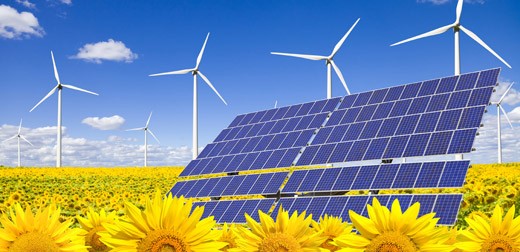
__________ is an energy resource that WILL NOT run out in the next several hundred years.
a)
Renewable Energy Resource
b)
Nonrenewable Energy Resource
220.
__________ is an energy resource that WILL NOT run out in the next several hundred years.
a)
Renewable Energy Resource
b)
Nonrenewable Energy Resource
221.
__________ is an energy resource that WILL NOT run out in the next several hundred years.
a)
Renewable Energy Resource
b)
Nonrenewable Energy Resource
223.
Coal is a __________ energy resource.
a)
Renewable
b)
Nonrenewable
223.
Coal is a __________ energy resource.
a)
Renewable
b)
Nonrenewable
224.
Hyrdo Power is a __________ energy resource.
a)
Renewable
b)
Nonrenewable
225.
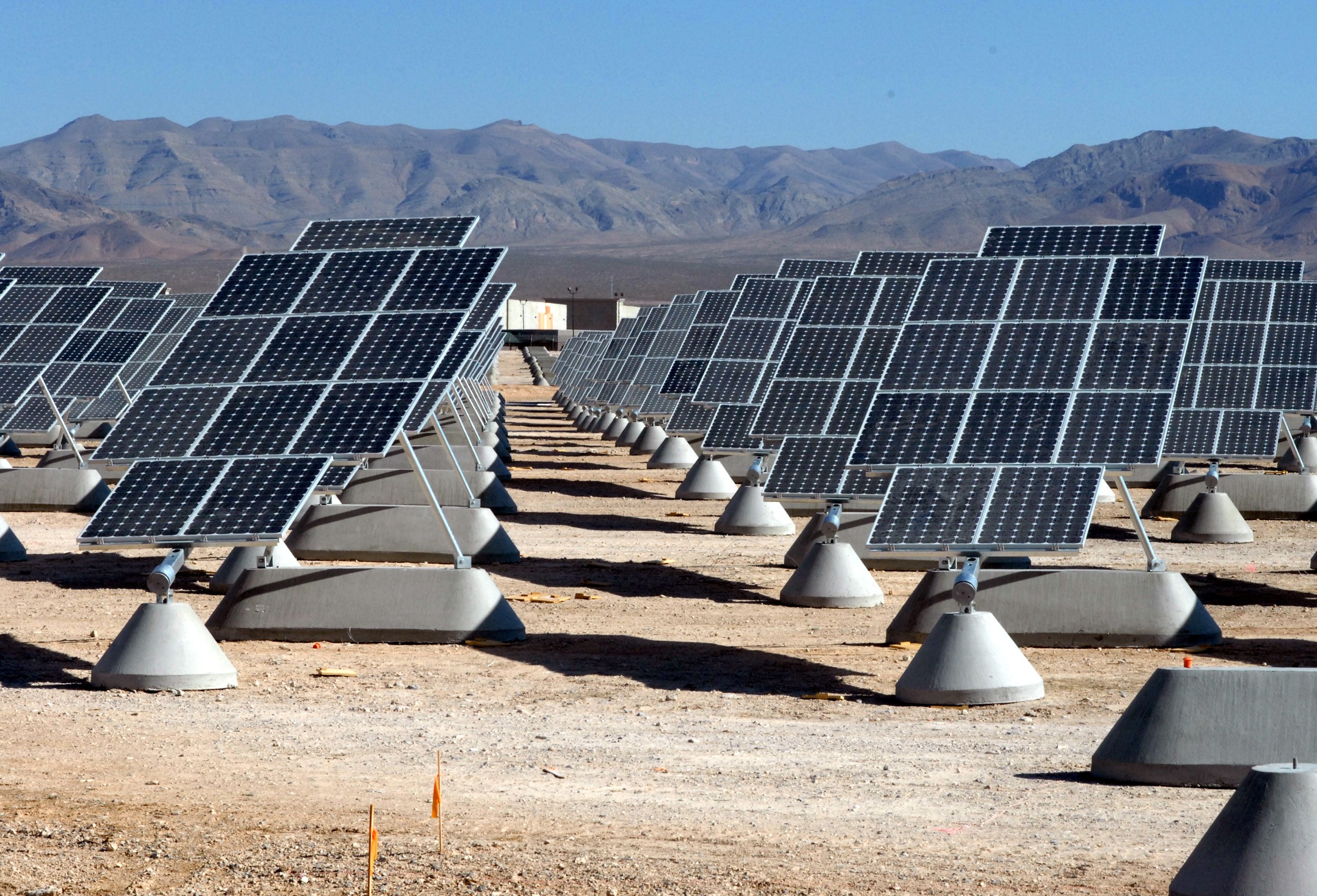
Solar Power is a __________ energy resource.
a)
Renewable
b)
Nonrenewable
226.
Nuclear Power is a __________ energy resource.
a)
Renewable
b)
Nonrenewable
227.
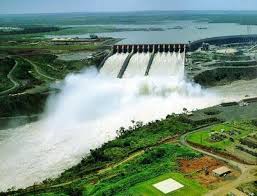
_________is energy generated when moving water turns turbines.
a)
Wind
b)
Hydro
c)
Geothermal
d)
Solar
228.
__________is the energy created by wind turning wind turbines.
a)
Geothermal
b)
Hydro
c)
Wind
d)
Nuclear
229.
What kind of environment would have had to existed in the past for an area to have coal today?
a)
Any environment where a large number of plants and animals died.
b)
A swamp with many generation of plants that died and couldn't decompose naturally.
c)
A sea where many plants and animals died and couldn't decompose.
d)
A desert environment where no living things ever existed. 
230.
When coal is used by humans, it is typically used to 
a)
Heat homes directly
b)
Heat water 
c)
Generate electricity
d)
Heat food
231.
Conservation is
a)
the practice of increasing the use of natural resources in order to use them
b)
the practice of increasing the use of natural resources in order to save them
c)
the practice of decreasing the use of natural resources in order to use them
d)
the practice of decreasing the use of natural resources in order to save them