wayground logo

Free Printable Worksheets

Font size

S
M
L
XL
Worksheets

6th Grade Social Studies Final test Review

Total questions: 70

Worksheet time: 2hrs 4mins

Name
Class
Date
1.
What were the three G's that motivated most people to come to the "new world"?
a)
Gold, God, and Glory
b)
Gifts, Gadgets, and Generosity
c)
Gratitude, Guidance, and Goodwill
d)
Goodness, Grace, and Growth
2.
The Columbian Exchange began after this explorer made trips to the Americas. Who is this explorer?
a)
Hernando de Soto
b)
Leif Eriksson
c)
John Cabot
d)
Christopher Columbus
3.
What caused many Native Americans to die during the time of the Columbian Exchange?
a)
Diseases
b)
Spoiled Food
c)
Spoiled Meat
d)
War with Europeans
4.
Many Africans were brought to the Americas as
a)
slaves
b)
orphans
c)
helpers
d)
laborers
5.
Slaves were brought to the New World from _________.
a)
Africa
b)
New Netherland
c)
Canada
d)
New Zealand
6.
What was the reason for exploration?
a)
God, Gold, and Glory
b)
God, Gold, and gore
c)
God, Gold, and greed
d)
God, Gold, and generosity
7.
Which statement below is the reason Jamestown was settled?
a)
Political
b)
Economic
c)
Geographical
d)
Religion
8.
What reason was Plymouth settled?
a)
to celebrate Thanksgiving
b)
Gold
c)
to build Indian Relationship
d)
to escape religious persecution
9.
What two types of Governments were established in the early colonies?
a)
Democratic and Representative
b)
Monarchy and Tyrannical
c)
Self and Representative
d)
US and European
10.
What type of Government did the Mayflower Compact establish?
a)
democratic government
b)
religion government
c)
polyform government
d)
self government
11.
Which exploring nation set up the Fur Trade with Native Americans?
a)
Britain
b)
Netherlands
c)
France
d)
Spain
12.
Which of these groups treated Native Americans harshly?
a)
Spanish
b)
French
c)
Vikings
13.

Who gave the term "New World" to the Americas.

a)

European Explorers

b)

Natives of the Americas

c)

shipbuilders

d)

spice traders

14.
During the Age of Exploration, explorers were trying to find new trade routes to what place?
a)
Africa
b)
America
c)
Asia
d)
Europe
15.
What religious goal inspired many European explorers?
a)
to visit holy sites
b)
to live in poverty
c)
to learn about other faiths
d)
to spread their beliefs 
16.
What is a cash crop?
a)
the name that Europeans used to refer to the Americas
b)
an early scientific tool used to observe and calculate the position of the sun and other stars
c)
a crop that is grown in large quantities for sale
d)
a person who travels in search of new geographical information
17.
(1754-1763) War fought in the colonies between the English and the French for possession of the Ohio Valley area. The English won.
a)
French and Indian War
b)
Prince Henry
c)
Mercantilism
d)
Treaty of Tordesillas
18.
Spanish conquistador who defeated the Aztecs and conquered Mexico
a)
Caravel
b)
Pizarro
c)
Colonies
d)
Cortes
19.
An economic policy under which nations sought to increase their wealth and power by obtaining large amounts of gold and silver and by selling more goods than they bought.
a)
Capitalism
b)
Megellan
c)
Colonies
d)
Mercantilism
20.
The global transfer of plants, animals, and diseases that occurred during the European colonization of the Americas.
a)
Columbian Exchange
b)
Middle Passage
c)
Capitalism
d)
Colonization
21.
This group of early Americans practiced human sacrificing to appease their gods.
a)
Aztec
b)
Mayans
c)
Iroquois
d)
Navajo
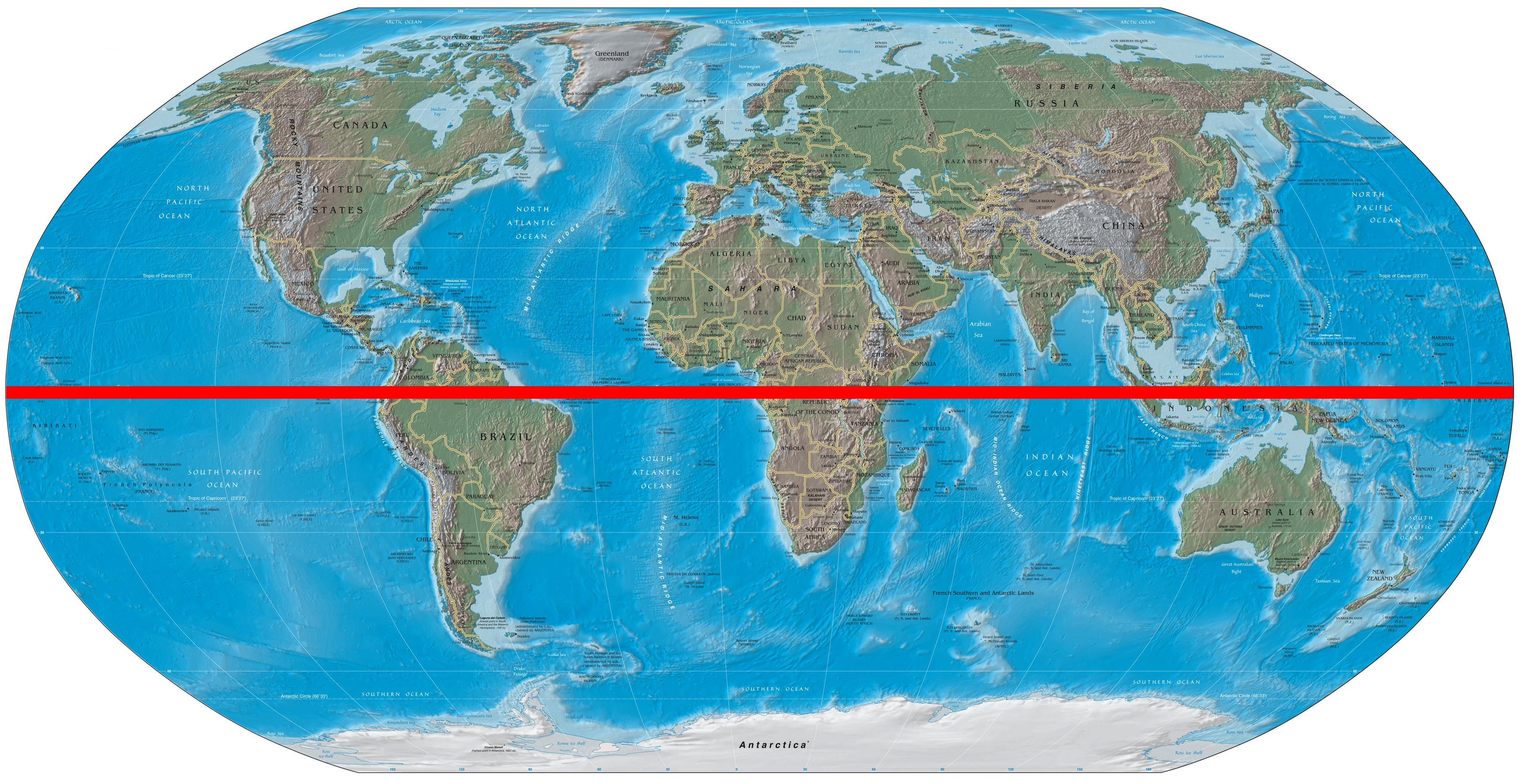
22.
What is the name of this line at 0 degrees latitude?
a)
Prime Meridian
b)
Equator
c)
North Pole
d)
South Pole
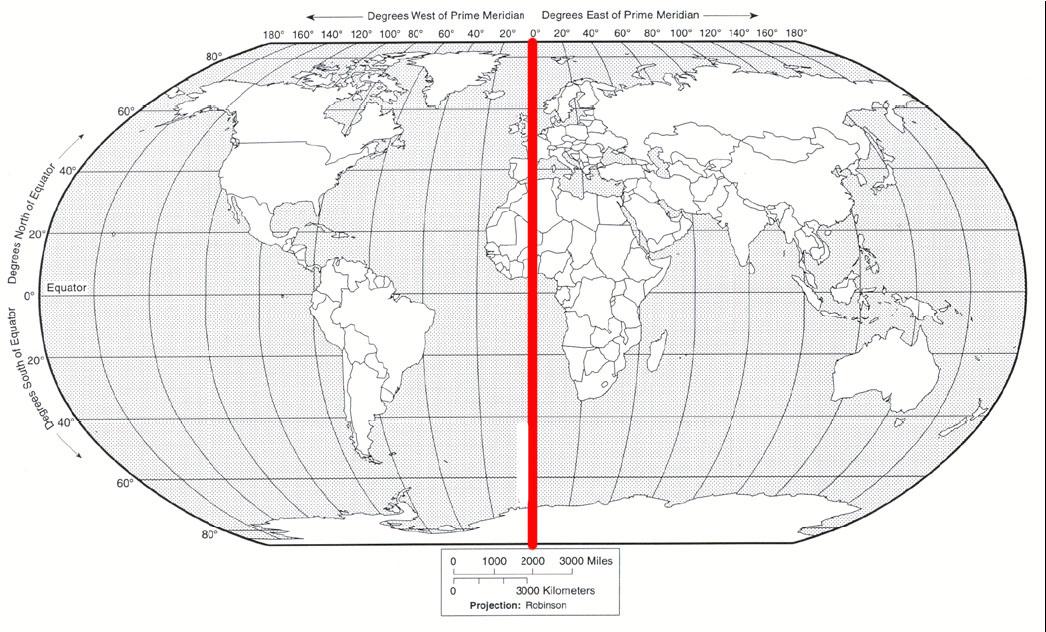
23.
What is the name of the line at zero degrees longitude?
a)
Equator
b)
Prime Meridian
c)
North Pole
d)
South Pole
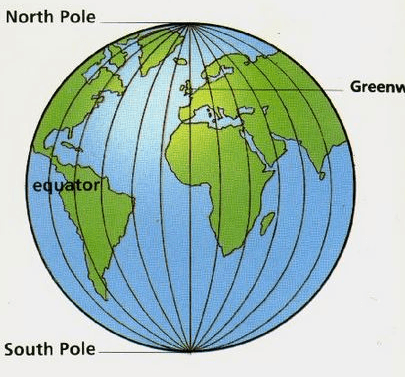
24.
a)
The map show the lines of longitude.
b)
The map shows the lines of latitude.
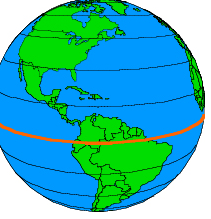
25.
a)
The map shows lines of longitude.
b)
The map shows lines of latitude.
26.
To locate a place on the earth, you need to look at...
a)
where the lines of latitude and longitude meet
b)
the lines of latitude only
c)
the lines of longitude only
d)
the compass rose
27.
Latitude and Longitude are measured in______.
a)
kilometers
b)
degrees
c)
miles
d)
hours
28.
A set of degrees of latitude and longitude that help you locate a place on a map.
a)
coordinates
b)
positions
c)
hemispheres
d)
locations
29.

Locke argued that we had 3 main natural rights. What are they? (Select 3)

a)

Life

b)

Liberty

c)

Pursuit of Happiness

d)

Property

30.

TRUE Or FALSE: According to John Locke, the people have the right to revolt if the government doesn't follow the rules of the social contract.

a)

True

b)

False

31.

John Locke believed that all people had:

a)

Natural Rights

b)

Individual rights

c)

Some rights

32.
Where did democracy originate?
a)
Ancient Greece
b)
Ancient Rome
c)
Visigoths
d)
Mongolians
33.
How do Europeans work to cooperate together and maintain peace?
a)
Membership in the European Union
b)
Agreeing never to argue again
c)
Agreeing that all countries are brothers to one another
d)
Membership in NAFTA
34.
Which country is highlighted on the map?
a)
Germany
b)
Italy
c)
Poland
d)
Ukraine
35.
What is the name of the country that is dark green in the picture?
a)
Germany
b)
Russia
c)
United Kingdom
d)
Poland
36.
Spain  
a)
C
b)
B
c)
D
d)
H
37.
France 
a)
C
b)
B
c)
A
d)
H
38.
The Alps
a)
D
b)
B
c)
F
d)
G
39.

How did the Bubonic Plague spread?

a)

Silk Road

b)

ships

c)

traders

d)

All of these

40.

What system does the picture represent?

a)

feudalism

b)

caste system

c)

Egyptian society

41.

What was the Renaissance?

a)

rebirth of learning

b)

a cultural movement

c)

great advancements in art and science

d)

all of these

42.

The time period where people were interested in learning again is called

a)

the Middle Ages

b)

Black Death

c)

the Renaissance

43.

Which of the following is the definition of religion?

a)

Something that people do with their family

b)

A place that followers go to worship

c)

The eightfold path

d)

A set of beliefs held by a group of people

44.

_____________ is an important person in Christianity.

a)

Buddha

b)

Jesus

c)

Abraham

d)

Muhammad

45.

_____________ is an important person in Islam.

a)

Buddha

b)

Jesus

c)

Abraham

d)

Muhammad

46.

Buddha's name before his enlightenment was _____________ _______________.

a)

Siddharta Gautama

b)

Jesus Christ

c)

Vladimir Putin

d)

Donny Drumpt

47.

A Christian place of worship is called a ______________.

a)

Church

b)

Mandir

c)

Mosque

d)

Yahweh

48.

A Muslim place of worship is called a ______________.

a)

Church

b)

Mandir

c)

Mosque

d)

Yahweh

49.

Which religion does this symbol belong to?

a)

Hinduism

b)

Buddhism

c)

Islam

d)

Judaism

50.

What religion does this symbol belong to?

a)

Hinduism

b)

Buddhism

c)

Islam

d)

Judaism

51.

What religion does this symbol belong to?

a)

Hinduism

b)

Buddhism

c)

Islam

d)

Judaism

52.

What religion does this symbol belong to?

a)

Hinduism

b)

Buddhism

c)

Islam

d)

Judaism

53.

What are the five major world religions?

a)

Islam, Christianity, Judaism, Mormonism, and Hinduism

b)

Islam, Christianity, Judaism, Buddhism, and Hinduism

c)

Islam, Jainism, Judaism, Buddhism, and Hinduism

d)

Islam, Christianity, Judaism, Hinduism, and Zoroastrianism

54.
The belief that there is no god is known as
a)
animistic.
b)
atheistic.
c)
fundamentalist.
d)
monotheistic.
55.
In Judaism they were monotheistic. What does monotheism mean?
a)
Belief in no god
b)
Belief in many gods
c)
Belief in one god
d)
Belief in the worship of animals
56.
What does this symbol represent?
a)
The Eightfold Path
b)
The Eight Pillars
c)
Samsara
d)
The Eight Dwarves
57.

The Torah is a holy book for which religious group?

a)

Christianity

b)

Judaism

c)

Islam

d)

none of the above

58.

What is the most important Christian festival celebrating the resurrection of Jesus Christ?

a)

Ramadan

b)

Yom Kippur

c)

Easter

d)

Rosh Hashanah

59.

The holy book for Christianity is called what?

a)

Torah

b)

Quran

c)

Bible

d)

Vedas

60.

Why do civilizations need a government?

a)

To provide people with jobs.

b)

To exercise authority

c)

In order to protect their community and enforce laws

d)

To educate people on their basic rights.

61.

Asia is considered a culture region because

a)

It has a warm climate with little rainfall

b)

It has many plateaus and mountains

c)

The people share a common heritage

d)

Many ancient ruins are located there

62.

What is NOT included in cultural traits?

a)

Food

b)

Clothing

c)

Beliefs

d)

Climate

63.

What is polytheism?

a)

Religion with no gods

b)

Religion with many gods

c)

Religion with one god

d)

The best religion ever

64.

The beliefs, goals, and practices that a group of people share is known as its

a)

behavior

b)

interdependence

c)

culture

d)

diffusion

65.

The way people eat in their country such as with forks, chopsticks or fingers is an example of a (an)

a)

element of culture

b)

ethnic group

c)

cultural diffusion

d)

culture region

66.

Language, religion, government, and entertainment are

a)

elements of culture

b)

characteristics of globalization

c)

what makes up an ethnic group

d)

elements that make a society level

67.
Music and dance are not considered a part of culture.
a)
True
b)
False
68.

Cultural diffusion is

a)

a certain belief about a group of people

b)

how people worship a God in a culture

c)

the spread of a cultural trait from one group to another

d)

science

69.

Culture is spread by

a)

movement of people

b)

TV and the internet

c)

war and conquest

d)

all are correct

e)

trade

70.
Which of the following is an example of cultural diffusion?
a)
baseball or clothing styles
b)
tsunami
c)
volcano
d)
diversity