
 Worksheets
4th Quarter EQT Review
Total questions: 66
Worksheet time: 1hrs 24mins


What is weathering?
The movement of sediment
The breaking of sediment
The dropping of sediment
What is erosion?
The movement of sediment
The breaking of sediment
The dropping of sediment
Small pieces of rock that have been weathered from a larger rock are known as...
sand
sediment
soil
What is the process of moving sediments from location to another?
Deposition
Erosion
Weathering
Compaction
Which of these is an example of erosion?
Light shinning onto a mountain
Rain breaking down rock
Wind blowing away sediment
All of the above


The process by which rocks are broken down into smaller rocks and sediments is called _______.
melting and cooling
compacting
weathering
erosion
How can someone reduce erosion on a hillside?
make the hillside more steep
remove all the grass
remove more trees
plant more trees and grass
In what order would soil components layer (from bottom to top)?
gravel, humus, clay, sand
gravel, sand, clay, humus
clay, gravel, sand, humus
humus, clay, sand, gravel
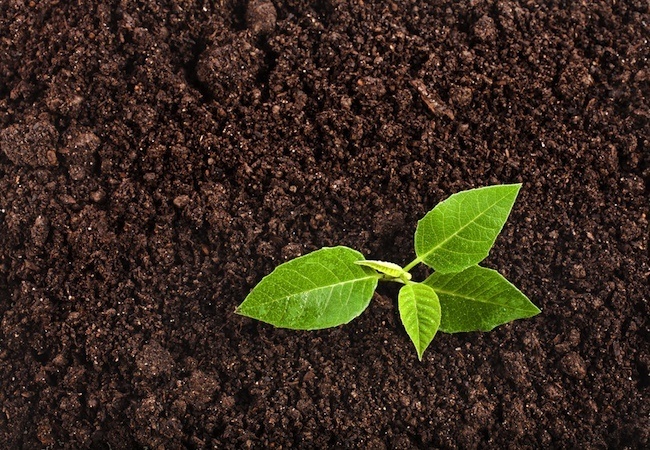
How an object feels is called _____.
roughness
particle size
texture
granular shape
Which of the following is a fast process that can change Earth's surface?
wind erosion
earthquake
water erosion
ice wedging
Which processes are believed to have helped form the Grand Canyon?
water only
earthquakes
landslides
wind and water
A _____ _____ is made up of layers of different soil components.
rock layers
sediment layers
soil profile
soil component layer
The slow process of wearing away and moving sediments by wind and water is called _____.
melting and cooling
erosion
weathering
compaction
Which soil component will hold the most water?
topsoil
clay
humus
gravel
_____ is an example of a fast process that can change the Earth's surface.
Wind erosion
Weathering
Water Erosion
Earthquake
______ ________ are individual pieces of soil that range in size from 0.002 mm to > 5 mm.
soil texture
soil components
soil moisture content
soil particles

A shaking of Earth's surface, caused by movement of rock in the crust.
weathering
landform
earthquake
volcano

A mountain that forms as molten rock flows through a crack onto Earth's surface.
lava
volcano
earthquake
erosion

A section of Earth's crust and mantle that fits together with other sections like puzzle pieces.
landform
weathering
plate
erosion

The process of moving sediment by wind, water, or ice.
erosion
plate
jetty
weathering

A wall-like structure that sticks out into the ocean.
lava
fault
volcano
jetty

A crack in Earth's crust.
lava
landform
fault
volcano

The process of wearing away rocks by natural means.
erosion
plate
weathering
earthquake

Molten rock that flows from a volcano onto Earth's surface.
magma
lava
erosion
volcano

A natural land shape or feature.
lava
erosion
plate
landform

Which is a cause of earthquakes and volcanic eruptions?
weathering
the outer core
plate movement
cinder cones

Which landform change is most easily controlled by humans?
volcanic deposition of lava
coastal erosion
surface movement in earthquakes
erosion of desert sand by wind

Where would you most likely find a delta?
on a mountaintop
in a deep valley
near the mouth of a river
at the base of a volcano

What is a constructive force?
A process that destroys or tears down landforms
A process that builds up an existing landform or creates a new one
A process that causes a delta to form
The process of moving sediment by wind, moving water, or ice

Which of the following is an example of weathering?
flowing water in rivers carries sediments downstream
water flow slows at the mouth of a river
waves carry and move sediments along coastlines
salt crystals form between rocks and cause them to break apart or disintegrate

Which of the following is an example of a constructive force?
roots from a tree breaking a rock
deposition of sand by wind or water
landslides
animals/humans

Which of the following is an example of a destructive force?
floods
deposition of sand by wind or water
water flowing from the mouth of a river to form a delta
roots from a tree breaking rock

Scientists who study earthquakes are called....
oceanographers
volcanologists
herpetologists
seismologists

The Earth's crust is made up of many different broken sections called.....
plates
boundaries
dikes
faults

