wayground logo

Free Printable Worksheets

Font size

S
M
L
XL
Worksheets

Medical Terminology Knowledge Final

Total questions: 110

Worksheet time: 3hrs 4mins

Name
Class
Date
1.
The nervous system is composed of the ___, ___, and ___.
a)
heart, brain, kidneys
b)
lungs, liver, stomach
c)
brain, spinal cord, nerves
d)
eyes, pancreas, veins
2.

The brain controls the body's functions.

a)

True

b)

False

3.

Select the VOLUNTARY action.

a)
b)
c)
d)
4.
What is the function of the nervous system.
a)
provide nutrients for the body.
b)
send and recieve messages
c)
circulate oxygen to sells
d)
remove carbon dioxide from blood
5.

As organisms get more complex, cells become specialized to perform specific functions in the body. What is the function for the cell shown?

a)

contract and shorten movement

b)

provide coverage and protection

c)

carry impulses around the body

d)

connects parts together

6.

Which cell relays messages from one tissue to another?

a)

Red Blood Cell-RBC

b)

White Blood Cell-WBC

c)

Neuron

d)

Tissue

7.

Which system is responsible for the overall control of all the internal processes that occur in the body?

a)

muscular system

b)

nervous system

c)

digestive system

d)

skeletal system

8.
The ________ is a rope-like bundle of nerves. It is also the main pathway for information.
a)
Nerves
b)
Spinal Cord
c)
Brain
9.
The _______ send and receive messages from the brain.
a)
Nerves
b)
Spinal Cord
c)
Brain
10.
A group of organs that work together is called an _________
a)
organism
b)
organ 
c)
organ system
11.

These three parts work together to make up the Central Nervous System. They are the ________, ______, and _______.

a)

Brain, Spinal Cord, and Nerves

b)

Heart, Lungs, Brain

c)

Cerebrum, Cerebral Cortex, Cerebellum

12.
Which hormone is not secreted by the anterior pituitary.
a)
Oxytocin
b)
FSH
c)
TSH
d)
ACTH
13.
Which hormone is secreted directly from the Posterior Pituitary Gland?
a)
Oxytocin
b)
Aldosterone
c)
Epinephrine
d)
Cortisol
14.
The hormone that lowers blood sugar is:
a)
Insulin
b)
Glucagon
c)
Cortisol
d)
GnRH
15.
The pituitary gland is divided into 2 lobes:  anterior and posterior lobes.
a)
true
b)
false
16.
Where are the adrenal glands located?
a)
at the base of the brain
b)
in the pelvic area
c)
on top of each kidney
17.
The Islets of Langerhans are located in the ______.  They produce glucagon and insulin. 
a)
thymus
b)
gonads
c)
thyroid
d)
pancreas
18.
___________is a hormonal disorder that develops when your pituitary gland produces too much growth hormone during adulthood. When this happens, your bones increase in size, including those of your hands, feet and face.
a)
Addison's Disease
b)
Cushing's Disease
c)
Acromegaly
d)
Grave's Disease
19.
What other system is the pancreas a part of?
a)
circulatory system
b)
digestive system
c)
lymphatic system
20.
The overproduction or under production of this  hormone can lead to giantism or dwarfism. 
a)
oxytocin
b)
growth hormone
c)
prolactin
21.
_______ is a sex hormone that plays important roles in the body. In men, it's thought to regulate sex drive (libido), bone mass, fat distribution, muscle mass and strength, and the production of red blood cells and sperm
a)
Estrogen
b)
Testerone
c)
Oxytocin
22.
Hormone release provides immediate body responses because the hormones are directed toward:
a)
target organ cells
b)
cardiac cells
c)
nerve cells
d)
synaptic junctions
23.
Controls glucose levels in blood
a)
Parathyroid
b)
Pancreas
c)
Pituitary gland
d)
Hypothalamus
24.
controls changes in growing male's body
a)
ovaries
b)
testes
c)
pancreas
d)
thymus
25.
Which of the following produces adrenaline?
a)
thyroid gland
b)
parathyroid glands
c)
pancreas
d)
adrenal glands
26.
the lining of the uterus that thickens as an egg matures
a)
cervix
b)
endometrium
c)
uterus
27.
reproductive organs that produce eggs and hormones
a)
cervix
b)
vagina
c)
ovaries
28.
On what day of the cycle is ovulation?
a)
Day 4
b)
Day 8
c)
Day 14
d)
Day 28
29.

The two hormones that maintain the lining of the uterus are:

a)

FSH and estrogen

b)

LH and estrogen

c)

estrogen

d)

Progesterone and estrogen

30.

The lining of the uterus coming out through the vagina (sometimes called 'having a period').

a)

Conception

b)

Fertilization

c)

Implantation

d)

Menses

31.
The structure that has 3 layers of tissue to hold and nurture the fetus is the
a)
Fallopian tube
b)
vagina
c)
uterus
d)
ovary
32.
The structure that draws the mature egg into the Fallopian tube is the 
a)
fimbriae
b)
cervix
c)
vagina
d)
corpus luteum
33.
The inner layer of the uterus is the 
a)
endometrium
b)
fimbriae
c)
corpus luteum
d)
vulva
34.
What do you call a sterilization procedure that cuts the vas deferens to prevent transport of sperm?
a)
Ejaculation
b)
Tubal ligation
c)
Abstinence
d)
Vasectomy
35.
Name the structure that produces a thin milky fluid that aids in sperm motility and contributes to about 30% of overall semen volume.
a)
testis
b)
seminal vesicle
c)
prostate gland
d)
bulbourethral gland
36.
the reproductive organs that produce sperm and testosterone
a)
prostate gland & seminal vesicle
b)
testes or testicles
c)
semen
37.
the organ that contains the urethra where urine and semen leave the body. 
a)
scrotum
b)
penis
c)
semen
38.
the sex cells that are made by the testes and are needed to fertilize eggs
a)
sperm
b)
vas deferens
c)
epididymis
39.
sperm + fluids from seminal vesicle and prostate gland
a)
semen
b)
testes or testicles
c)
scrotum
40.

The human male reproductive system is adapted for the production of

a)

sperm and the delivery of these cells for internal fertilization

b)

gametes that transport food to the egg

c)

zygotes and the development of these cells into a fetus

d)

hormones that stimulate placenta formation in the male

41.
Which are the tubes that carry urine from the kidney to the bladder?
a)
Adrenal tubes
b)
Kidneys
c)
Ureters
d)
Urethras
42.
There are two kidneys, two ureters, one urinary bladder, and one urethra.
a)
True
b)
False
43.
The _________ is/are responsible for urine storage.
a)
Bladder
b)
Kidneys
c)
Ureter
d)
Urethra
44.
The major organ of the urinary system is the
a)
Gallbladder
b)
Ureter
c)
Kidney
d)
Nephrons
45.
What is the main function of the urinary system?
a)
Keep your body hydrated
b)
Expelling water from your body
c)
Removing poisons from your body
d)
Removing solid wastes from your body
46.
What is the function of the urethra?
a)
It filters urea out of the bloodstream
b)
It delivers urine from the bladder to the outside world
c)
It transfers urine from the kidneys to the bladder
d)
It prevents urine from leaking out of the bladder
47.
Before the kidney filter it out, where does urea exist?
a)
In your intestines
b)
In your liver
c)
In your stomach
d)
In your bloodstream
48.

What structure in the kidneys filters the blood?

a)

Ureters

b)

Nephrons

c)

Bladder

d)

Urethra

49.

What is another word for stone?

a)

Calculus

b)

Geometry

c)

Algebra

d)

Calcium

50.

What is one way to prevent UTIs from occurring?

a)

Drink more coffee

b)

Wipe from back to front

c)

Wipe from front to back

d)

Wear rayon undergarments

51.

What is the external opening of the urethra called?

a)

Urinary meatus

b)

Urinary follicle

c)

Urinary calculus

d)

Urinary hole

52.

What term means scanty urine?

a)

anuria

b)

polyuria

c)

oliguria

d)

hematuria

53.
Which of the following parts is not found in the urinary system?
a)
Ureters
b)
Urethra
c)
Bladder
d)
Rectum 
54.

Approximately how many muscles are in our body

a)

600

b)

200

c)

350

d)

12

55.

What is it called where two or more bones connect

a)

Joint

b)

Tendon

c)

ligaments

d)

cartilage

56.

Which part of the skeletal system protects the spinal cord?

a)

pelvis

b)

cranium/skull

c)

vertebra

d)

scapula

57.

Which body system is responsible for our movement, energy, and for moving food from one organ to another?

a)

muscular

b)

circulatory

c)

nervous

d)

skeletal

58.

The type of involuntary muscle that lines the heart is the ___________ muscle.

a)

skeletal

b)

cardiac

c)

smooth

d)

bicep

59.

Muscles that you have NO conscious control over, such as the muscles that line the digestive system, are classified as ___________.

a)

voluntary

b)

involuntary

c)

skeletal

d)

cardiac

60.

The location where two or more bones meet

a)

joint

b)

tendon

c)

wrist

d)

knee cap

61.

Approximately how many bones does the adult human body have?

a)

200

b)

350

c)

600

d)

12

62.

The skeletal system has several jobs. Select one of the following that describe its jobs.

a)

identifies and acts upon germs and bacteria that invade the body

b)

breaks down food and absorbs nutrients into the blood stream

c)

protects internal organs

d)

carries blood through out the body

63.

There is only one example of cardiac muscle in the body. It is the ________.

a)

heart

b)

brain

c)

bicep

d)

rib cage

64.

What is the main purpose of the musculoskeletal system?

a)

remove waste from the body

b)

break down and process food into nutrients for the cells

c)

gas exchange - bring oxygen; take away carbon dioxide

d)

provide movement and support for the body

65.

What are soft connective tissues that attach muscles to bones?

a)

ligaments

b)

tendons

c)

joints

d)

nerves

66.
The __________________ system is made up of muscles of the body.
a)
Skeletal
b)
Nervous
c)
Muscular
d)
Integumentary
67.
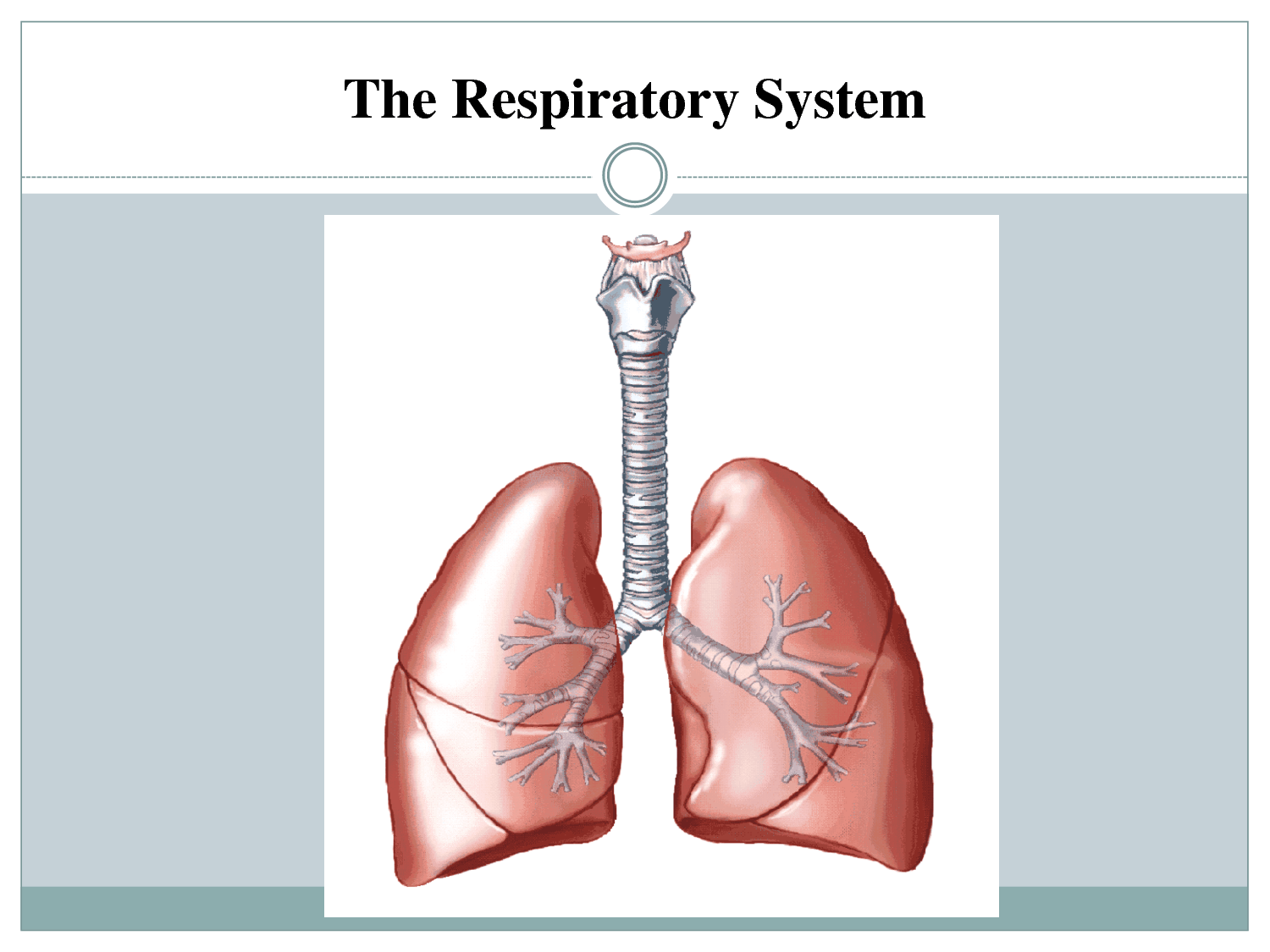
Looking at diagram (to the right): What system is represented?
a)
Respiratory System
b)
Skeletal System
c)
Circulatory System
d)
Integumentary System
68.
TRUE or False: Blood cells are produced in the bone marrow.
a)
True
b)
False
69.
What is scoliosis.
a)
A type of bone
b)
A abnormal shape in the bone 
c)
A abnormal shape in the spine
d)
A good condition for the back
70.
What part of your body holds minerals?
a)
Tissue
b)
Joints
c)
bones
d)
Cartilage 
71.
Which blood cells are most abundant in the body?
a)
erythrocytes
b)
platelets
c)
lymphocytes
d)
eosinophils
72.
Which leukocyte produces antibodies?
a)
lymphocytes
b)
monocytes
c)
eosinophils
d)
basophils
73.
Blood has how many parts?
a)
1
b)
2
c)
3
d)
4
74.
These blood cells are the protectors and help fight off disease.
a)
Red blood cells
b)
White blood cells
c)
Plasma
d)
Platelets 
75.
This part of blood helps it clot, when you get cut.
a)
Red blood cells
b)
Plasma
c)
Platelets
d)
White blood cells
76.
These blood cells deliver oxygen to the parts of the body.
a)
Red
b)
White
c)
Patelets
d)
Plasma
77.
What part of blood is responsible for carrying wastes, nutrients, and minerals?
a)
Red Blood Cells
b)
White Blood Cells
c)
Platelets
d)
Plasma
78.
What part of blood is responsible for carrying oxygen and carbon dioxide to or from body cells?
a)
Red Blood Cells
b)
White Blood Cells
c)
Platelets
d)
Plasma
79.
What part of blood is responsible for fighting infections?
a)
Red Blood Cells
b)
White Blood Cells
c)
Platelets
d)
Plasma
80.
What does blood consist of?
a)
plasma, red blood cells, white blood cells, platelets
b)
hormones, oxygen, nutrients, water
c)
red blood cells
d)
carbon dioxide and minerals
81.
How many valves does  the heart have ? 
a)
7
b)
4
c)
d)
82.
How many chambers does the heart have ? 
a)
4
b)
6
c)
3
d)
1
83.
The average blood pressure is 
a)
120/80
b)
80/120
c)
115/180
d)
120/180
84.
Which part of the heart pumps deoxygenated (oxygen-poor) blood?
a)
Left side
b)
Right side
c)
Top side
d)
Bottom side
85.
Which vessels carry blood to the heart?
a)
Veins
b)
Arteries
c)
Capillaries
86.
Which part of the heart pumps oxygenated blood?
a)
Left side
b)
Right side
c)
Top side
d)
Bottom side
87.
Which vessels carry blood away from the heart?
a)
Veins
b)
Arteries
c)
Capillaries
88.
What creates the "lub dub" heart sounds?
a)
Flow of blood
b)
Closing of valves
c)
Opening of valves
d)
Breathing
89.
_______ circulation takes blood from the heart to the lungs and back.
a)
Systemic
b)
Pulmonary
c)
Body
d)
Blood
90.
The bottom chambers of the heart are called
a)
ventricles
b)
atria
c)
vena cava
d)
valves
91.
What are tube-like structures that include the arteries, arterioles, capillaries, venules, and veins?
a)
Blood Vessels
b)
Lymph
c)
Glands
d)
Strep
92.

Small vessels that carry blood from arterioles and to small vessels called venules which then empty into veins

a)

Arterioles

b)

Arteries

c)

Veins

d)

Venules

e)

Capillaries

93.

A universal donor

a)

Type O negative

b)

Type AB

c)

Type B

d)

Type A

94.

What is the main function of the respiratory system?

a)

to provide oxygen and remove carbon dioxide from the body

b)

o break down food and absorb nutrients

c)

to remove oxygen from the body and deliver carbon dioxide

95.

What are the main organs of the respiratory system that allow us to breathe and for gas exchange to happen?

a)

diapragm

b)

lungs

c)

trachea

96.
When you breathe, your lungs take in ___ and remove ___. 
a)
air/oxygen
b)
oxygen/carbon dioxide 
c)
carbon dioxide/waste 
d)
waste/air 
97.
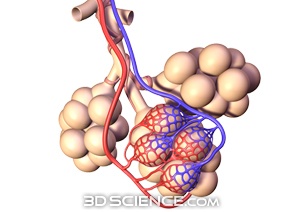
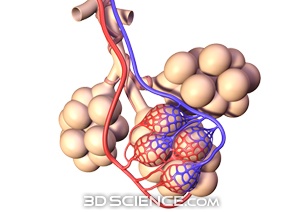
The air sacs that are covered with capillaries where gas exchange takes place
a)
bronchi
b)
lungs
c)
oxygen
d)
alveoli
98.

What type of cells carry oxygen in the blood?

a)

red blood cells

b)

white blood cells

99.

The circulatory system works with the ___________ system to provide our body with oxygen and get rid of CO2 (carbon dioxide).

a)

respiratory

b)

digestive

c)

muscular

d)

skeletal

100.
Inhale!!!!
Your lungs are ___________  air
a)
taking in
b)
letting out
101.
Flap of skin that covers the opening to the windpipe during swallowing
a)
Stomach
b)
Trachea
c)
Pancreas
d)
Epiglottis
102.
The air sacs that are covered with capillaries where gas exchange takes place are found in..?
a)
bronchi
b)
lungs
c)
oxygen
d)
alveoli
103.

Capillaries

a)

connect arteries to veins, gasses are exchanged

b)

connect heart valves together

c)

connect arteries to other arteries

104.

What is the purpose of the AED machine?

a)

get the heart to beat and correct heart rhythm

b)

keep blood circulating

c)

help someone with a seizure

105.
The process by which the body breaks down food so that it can be used for energy.
a)
composition
b)
digestion
c)
deposition
d)
absorption
106.
The muscular organ in the body where chemical and mechanical digestion take place.
a)
pancreas
b)
liver
c)
stomach
d)
esophagus
107.
A series of wave-like muscle contractions that moves food to different processing stations in the digestive tract.
a)
adduction
b)
primary wave
c)
peristalsis
d)
inversion
108.
The place where waste is stored before it leaves the body.
a)
rectum
b)
anus
c)
small intestine
d)
large intestine
109.

Which organ only stores the bile?

a)

liver

b)

gallbladder

c)

pancrease

110.
Where does physical digestion occur in the digestive system?
a)
pancreas and liver
b)
mouth and small intestine
c)
stomach and small intestine
d)
mouth and stomach