
 Worksheets
Revolutions Exam Review
Total questions: 100
Worksheet time: 57mins
How could the British government have prevented the American Revolution?
By forcing King George III to give up the throne
By allowing colonists to elect representatives to Parliament
By overruling the decisions of the colonial legislatures
By increasing taxes on the colonists
If you were a colonist, why would you have been upset about the Quartering Act?
It would've forced you to pay taxes on tea, paper, and other British goods
It would've made all of your Colonial money worthless
It would've prevented you from being represented in Parliament
It might have forced you to let British soldiers live in your house
What is the best definition of "tyranny?"
Not allowing citizens to have any say in the government
Allowing a legislative body to determine tax policy
Maintaining a standing army
Passing laws that some people don't like
Place the following events in sequence: A) The Boston Massacre; B) The Stamp Act; C) The Tea Act
A,C,B
B,A,C
C,B,A
B,C,A
If you were boycotting British tea, what would you be doing?
Tarring and feathering British tea merchants
Dumping British tea into Boston Harbor
Refusing to buy British tea
Paying high prices for British tea
How was the Boston Massacre different from the battles of the Revolutionary War?
The war was fought between two armies; in the Massacre, soldiers shot unarmed civilians
The war began during the 1770s; the Massacre took place during the 1760s
The war was fought far away from Massachusetts, where the Massacre took place
The Massacre involved guns; the battles were fought with swords
What does it mean to "repeal" a law?
to protest it
to overturn it
to refuse to obey it
to obey it grudgingly
How did the British respond to the Boston Tea Party?
They pulled all British troops out of Massachusetts
They passed the Townshend Acts
They blockaded Boston Harbor
They invaded the United States
Why didn't the colonists like the Tea Acts?
They prevented the colonists from exporting tea.
They gave the British a monopoly on selling tea.
They raised taxes on tea.
They stated that the colonists could not grow tea in America.
How did the colonists get access to British ships during the Boston Tea Party?
They attacked and killed the British guards.
They paid the ship's captain to let them on.
They dressed like Mohawk Indians.
They pretended to be British soldiers.
What was a major effect of the Boston Tea Party?
King George understood that the colonists were unhappy.
All shipments of tea to America stopped.
Paul Revere warned colonists that the British were coming.
The Declaration of Independence was signed.
Which of the following was true about the Minutemen?
There were more of them than British soldiers.
They were not as well-trained as the British soldiers.
They had trained as soldiers all their lives.
They wore bright yellow uniforms with green stripes.
What was Paul Revere trying to prevent the British from doing?
stealing the colonists' ammunition and supplies
passing the Tea Acts
shutting down Boston Harbor
attacking the colonists' church
What was a direct effect of the Intolerable Acts?
The French-Indian War began.
Colonists dumped $70,000 worth of tea into Boston Harbor.
Democracy in Massachusetts was restricted.
Nearly 75 British soldiers were killed in Concord.
Why were the Americans more successful at the Battle of Concord than at the Battle of Lexington?
The British were standing in straighter lines.
The British were wearing brighter red coats.
The Americans used guerilla-style fighting tactics.
The Americans had more help from Indians.
How did the colonial militias differ from the modern U.S. Army?
Colonial militiamen trained for months; modern soldiers are hardly trained at all
Colonial militias used swords and bayonets; the modern Army uses guns
The colonial militias were volunteer forces; the modern Army consists of paid, professional soldiers
The colonial militias had no ranks; the modern Army does
Place the following events in sequence: A) Battle of Yorktown; B) Battle of Bunker Hill; C) Battle of Lexington
C,B,A
B,A,C
B,C,A
C,A,B

What word provides the best description of the time the Continental Army spent at Valley Forge?
uneventful
refreshing
restful
grueling

How did Ben Franklin help the American war effort?
By writing the Declaration of Independence
By serving as President of the Continental Congress
By serving as a general in the Continental Army
By convincing the French government to aid the colonists
What did George Washington have in common with Lord Cornwallis?
They were both elected by their fellow citizens
They were both in charge of their respective armies
They both won key victories over the British Army
They both received titles from the King of England

In the phrase, "Thomas Paine exhorted the colonists to support independence," what does "exhorted" mean?
politely asked
strongly urged
discouraged
expected
If you were a soldier at Valley Forge, what would be the biggest risk to your well-being?
heat stroke
attacks by the British soldiers
frostbite
drowning
Which of the following is an opinion about the American Revolution?
Fighting on their home soil was an advantage for the Continental Army
Washington's men showed far more courage than the British
The last major battle of the war took place in Virginia
Washington's men respected him
What is the significance of the Battle of Saratoga?
It was where the first shots of the war were fired
It was the last major battle in the American Revolution
It was a major British victory
It's considered the turning point of the war
Which of the following was a cause of the French Revolution?
unfair taxation of the Third Estate
the First Estate’s desire for freedom of religion
Napoleon’s invasion of Russia
disputes over whether use of the guillotine should continue
King Louis XVI’s life can best be described as ________.
simple
underprivileged
lavish
ordinary
Which of the following is a reason that the Third Estate was angry with King Louis XVI?
King Louis XVI forced all members of the Third Estate to work at Versailles.
King Louis XVI outlawed all philosophers in France.
King Louis XVI ignored the Third Estate’s votes.
King Louis XVI invaded Russia.
Leaders of the French Revolution were inspired by ________.
the Napoleonic Code
the ideas of Enlightenment philosophers
the Reign of Terror
Russian theory
Robespierre’s reign can best be described as ________.
peaceful
tolerant
uneventful
violent
Which of the following describes the correct order of events?
- the Tennis Court Oath
- the Storming of the Bastille
- the Reign of Terror
- the Reign of Terror
- the Tennis Court Oath
- the Storming of the Bastille
- the Tennis Court Oath
- the Reign of Terror
- the Storming of the Bastille
- the Storming of the Bastille
- the Tennis Court Oath
- the Reign of Terror
Who led the Jacobins during the Reign of Terror?
Napoleon Bonaparte
King Louis XVI
Maximilien de Robespierre
the clergy
In 1804 Napoleon crowned himself the ________ of France.
king
president
philosopher
emperor
Which of the following is true about Napoleon?
He led the revolutionaries who overthrew King Louis XVI.
He carried out a coup in France, conquered land and passed liberal laws.
Along with the Third Estate, he swore the Tennis Court Oath.
He stormed the Bastille in order to steal gunpowder for his weapons.
Which of the following caused Napoleon’s decline?
a disastrous invasion of Russia
the storming of the Bastille
the American Revolution
the rise of King Louis XVIII
An absolute monarchy is most similar to which system of government?
a dictatorship
a democracy
a repubic
a socialist state
Which idea is most closely associated with the Age of Enlightenment?
The only path to freedom is through violent revolution
A king has every right to ignore the will of the people
Absolute monarchy denies average citizens basic rights
Religious leaders should play a major role in government
What effect did the American Revolution have on the French Revolution?
It popularized the idea of democracy, and also helped bankrupt the French government
It led the revolutionary French government to grant freedom to their colonies in North and South America.
It led the French revolutionaries to establish a system of government with three branches
It caused the revolutionary French government to declare war on England
The National Assembly was most similar to:
The Supreme Court of the United States
US Congress
The National Council of Churches
The United Nations
Which term best describes conditions in Paris prior to the French Revolution?
tranquil
optimistic
carefree
chaotic
Which person might have been a member of the Third Estate?
a Catholic priest
a lawyer
a wealthy duke
the son of the King
How did the Reign of Terror get its name?
French revolutionaries committed acts of terrorism in other countries.
European monarchs became terrified that their people would overthrow them.
French revolutionaries began killing all of their enemies.
The King of France tried to crush the revolution with violence.
Place the following events in sequence: A) Storming of the Bastille; B) Formation of the National Assembly; C) Calling together of the Estates-General
C,B,A
A,B,C
C,A,B
A,C,B
Why was the storming of the Bastille so important?
Because it freed many political prisoners.
Because it made the king realize he had lost power over the people.
Because it was Napoleon's first important military victory.
Because it resulted in the death of King Louis XVI.
The rule of Napoleon Bonaparte was most similar to:
a dictatorship
a democracy
a republic
a socialist state
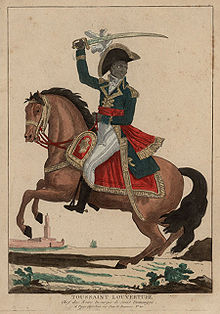
Who was the leading general of the Haitian Revolution?
Napoleon Bonaparte
Jean Jacques Dessalines
Hidalgo
Toussaint L'Ouverture
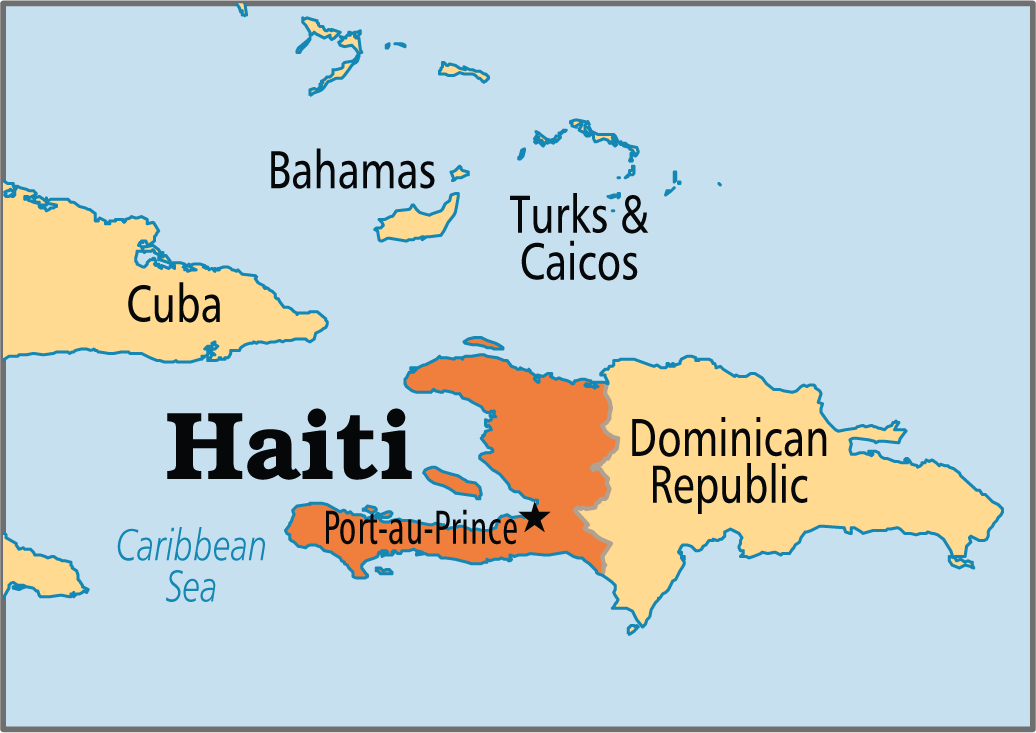
What was the original name of Haiti?
Turks
St. Domingue
Brazil
Cuba
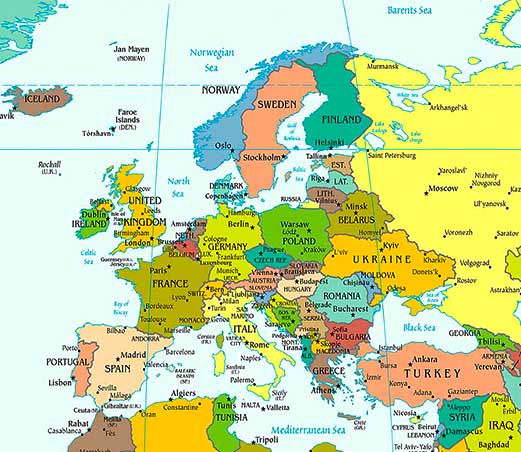
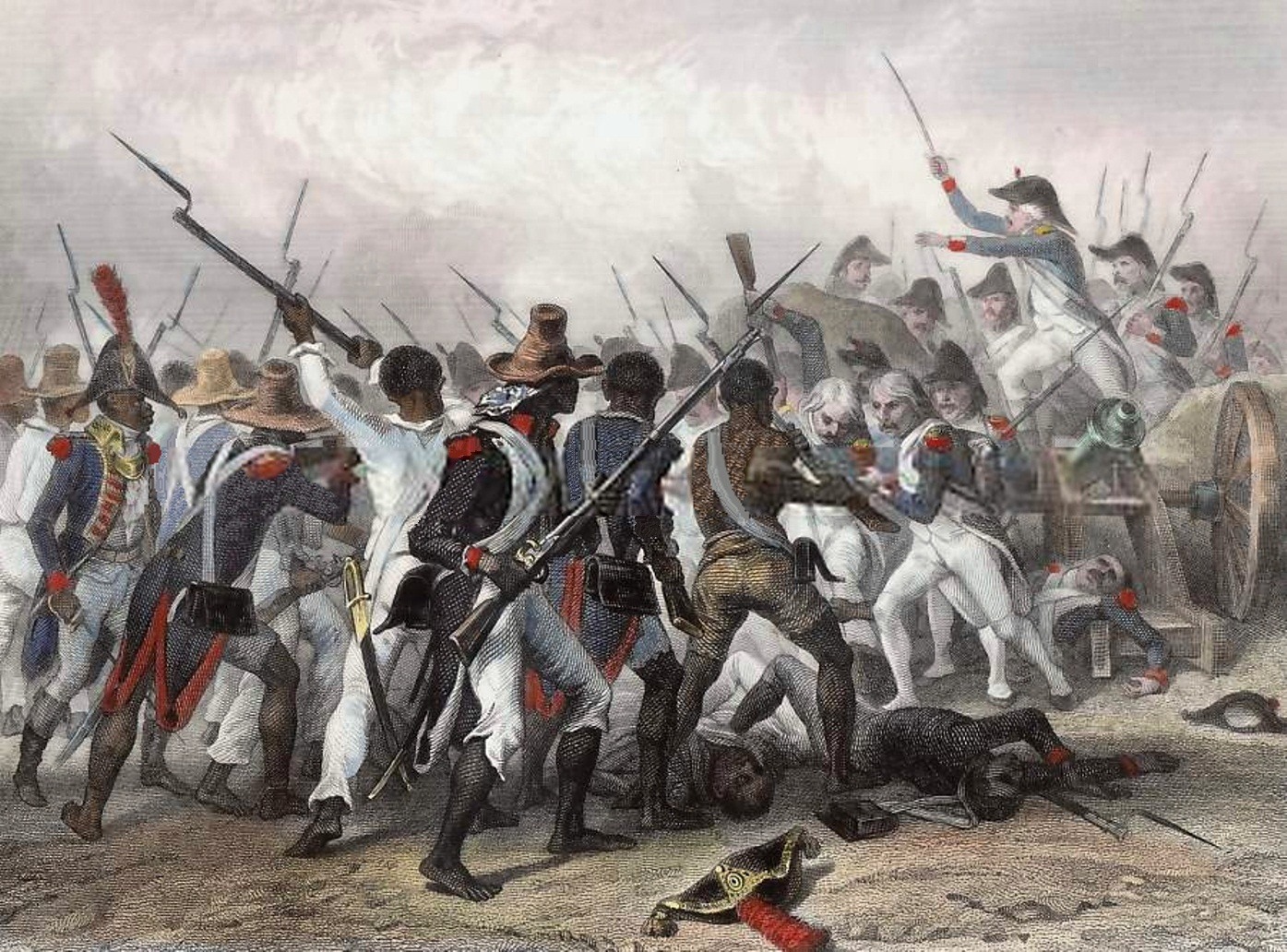
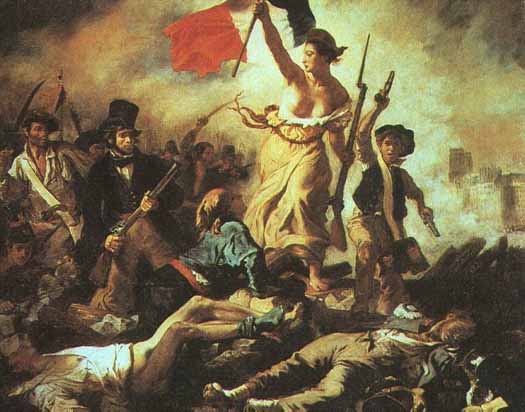
The Haitian Revolution was influenced mainly by which revolution?
French
American
Spanish American
Russian
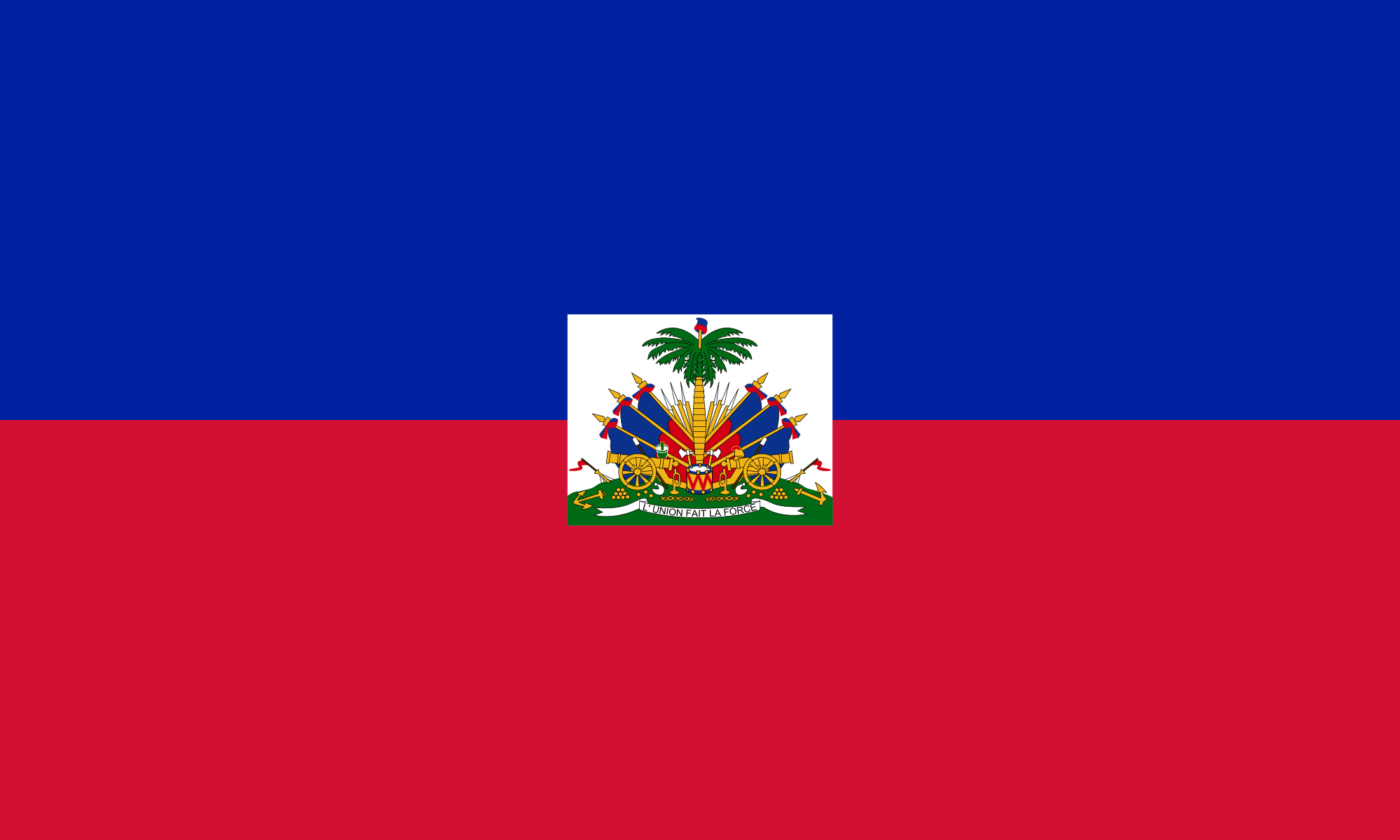
Who won the Haitian Revolution?
The French
The British
the Haitian Slaves
The Spanish
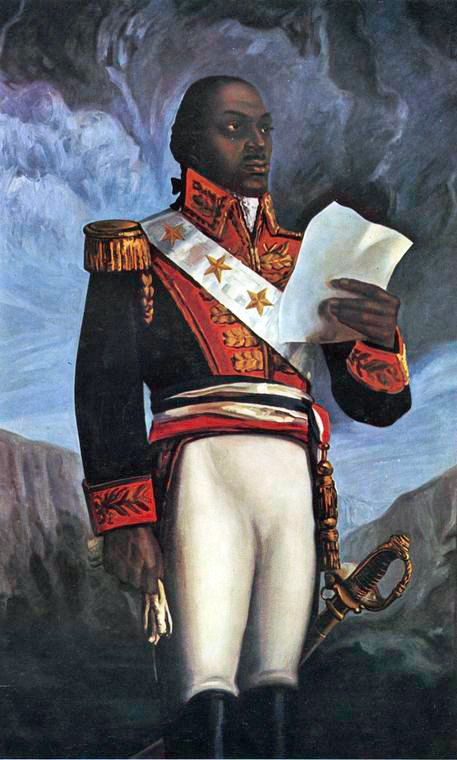
True or False: Touissant L'Ouverture lived to see a free and independent Haiti.
True
False
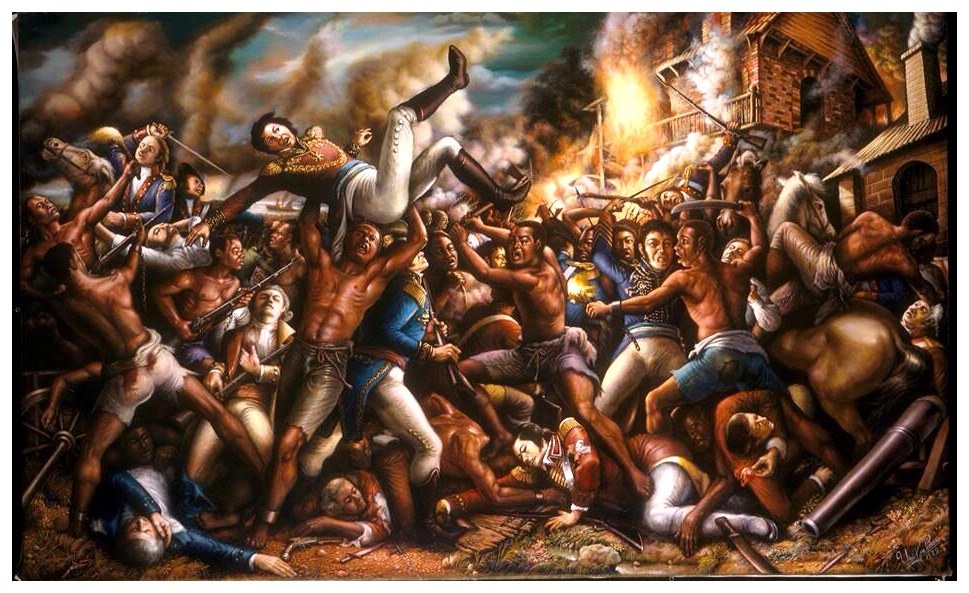
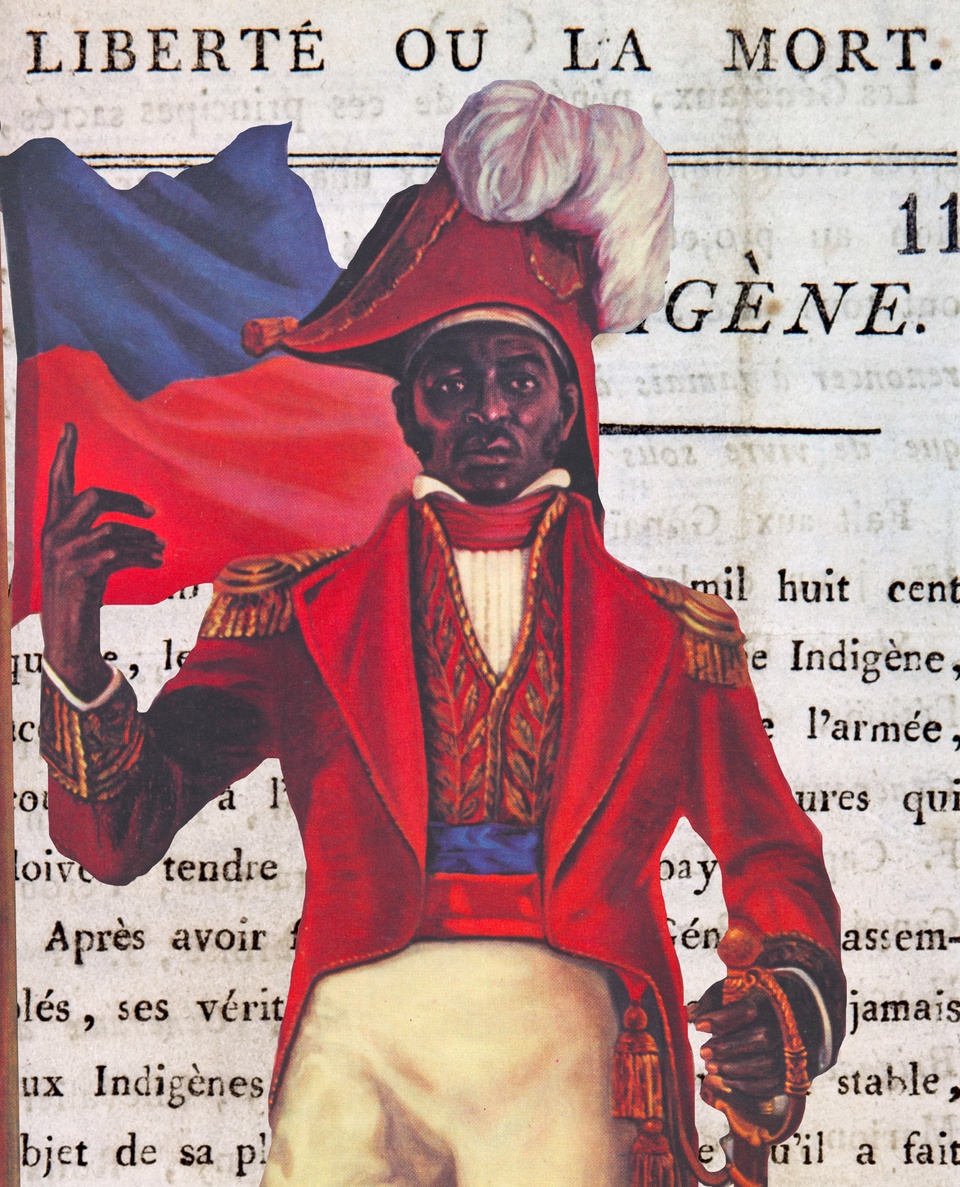
As a result of the Haitian Revolution, Haiti created the first ever
black monarchy
black dictatorship
black republic
black oligarchy
Which of the following was acquired by the United States at the close of the Mexican-American War?
Texas
Nebraska
Utah
Louisiana
What effect did the Battle of the Alamo have on the Mexican-American War?
It led to the unconditional surrender of the Mexican Army
It enabled Texas to join the United States
It drummed up American anger against Mexico before the war began
It preceded the American attack against Mexico City
What role did Abraham Lincoln play in the Mexican-American War?
As President, he ordered American troops to attack.
As a Congressman, he opposed it.
As a Senator, he voted in favor of the war.
He was a close advisor to the sitting President.
What can you infer about how the Mexican-American War affected General Zachary Taylor's career?
It made him so popular that he was soon elected President
It enabled him to serve as Governor of Texas for two decades
It ruined his prospects for ever being elected to public office
It made him extremely popular in Mexico, but unpopular in the United States
What can you conclude about General Santa Anna?
He is regarded as the worst leader in Mexico's history.
He was a brilliant general and military tactician.
He was a great believer in democracy and individual rights.
He was more concerned with gaining power than human rights.
Which of the following is an opinion about Manifest Destiny?
It reached the height of its popularity during the 1840s.
Its goals were racist and unethical.
Its goals required the U.S. to acquire Mexican land.
Its supporters were pleased by the outcome of the Mexican-American war.
Place the following events in sequence, from left to right: A) Treaty of Guadalupe Hidalgo; B) Battle of the Alamo; C) Texas becomes a U.S. state
A,C,B
B,C,A
C,B,A
B,A,C
If you wanted to visit land that the United States bought from Mexico a few years after the Mexican-American war, where would you go?
Northern California
Southern New Mexico
Western Nevada
Eastern Oregon
Why did Mexico believe that Santa Anna's forced signing of the Treaties of Velasco made them invalid?
As a military commander, Santa Anna was not empowered to sign treaties
Santa Anna could not read English, so he couldn't understand the treaty
Santa Anna's signature was forged by the Texians who captured him
In order for a peace agreement to be valid, both sides need to sign it voluntarily
Why did the Mexican-American War cause lingering resentment among Mexicans?
Any major military defeat is bound to upset the populace.
They were close to winning the war until the very end, when General Scott entered Mexico City.
It was an unprovoked war that resulted in the loss of more than half of their land.
Mexican citizens lost their right to vote and own property after the war.
Which of the following occurred during Porfirio Diaz's reign as Mexico's President?
A war between the U.S. and Mexico
An increase in U.S. investment in Mexico
Substantial reform of the hacienda system
The writing of a new constitution
How was the hacienda system similar to the feudal system in medieval Europe?
Virtually all land was owned by the Catholic Church
The lowest-class laborers were known as serfs
Peasants were allowed to farm their own land
Peasants were forced to labor for the benefit of rich landowners
Which of the following is an example of Porfirio Diaz's dictatorial behavior?
He modernized Mexico's industries
He increased the building of railroads
He supported a "No Re-Election" policy
He refused to hold fair elections
What did Pascual Orozco, Francisco "Pancho" Villa, and Emiliano Zapata have in common?
They all ran against Porfirio Diaz in the election of 1910
They all supported Porfirio Diaz against Madero's uprising
They all served as president of Mexico at one point or another
They all led revolutionary forces in the struggle against Porfirio Diaz
What crime did Francisco I. Madero commit that landed him in prison?
He attempted to rig an election.
He led a violent uprising against wealthy landowners.
He attempted to overthrow Porfirio Diaz.
He didn't commit any crimes; he was a political prisoner
Which of the following phrases best characterizes the years following the overthrow of Porfirio Diaz?
Infighting among the revolutionaries
A peaceful transfer of power
A period of Mexican conquest overseas
A war between Mexico and the United States
What did Venustiano Carranza have to do with the Constitution of 1917?
He wrote it.
He organized the constitutional convention that led to its creation.
He denounced it.
He led a political party that attempted to have it overturned.
In what order did the following men serve as President of Mexico? A) Victoriano Huerta; B) Francisco I. Madero; C) Alvaro Obregon
C,A,B
B,A,C
A,C,B
C,B,A
What made Emiliano Zapata a "folk hero?" Choose the best answer
His friendship with Pancho Villa
His disputes with Francisco I Madero
His popularity among the Mexican people
His assassination by Venustiano Carranza
Why is it said that the Mexican people were the true winners of the revolution?
Because Mexico became a Communist state after the revolution
Because they took control of Mexico after Diaz was overthrown
Because they fought in the armies that overthrew the various dictators
Because they received land reform and a constitutional government
Revolutionaries angry over the slow pace of change assassinated the reformed-mind, czar, _______________________________.
Alexander II
Nicholas II
Alexander III
Ivan IV
___________________________________ attempted to wipe out revolutionaries by using harsh measures, such as, strict censorship, secret police, teacher-spies, and sending political prisoners to Siberia.
Ivan the Terrible
Nicholas II
Alexander III
Peter the Great
A group of Russian workers and their families marched to the royal palace in St. Petersburg with a list of demands. Government troops shot many of them. The event was called ____________________________________.
March Revolution
October Revolution
Black Tuesday
Bloody Sunday
_______________________ was Russia’s first Parliament.
Duma
Diet
National Assembly
House of Burgesses
__________________________ was a self-described “holy man,” who claimed t have magical healing powers.
Ivan the Terrible
Peter the Great
Vladimir Lenin
Rasputin
The _______________________________ began when women textile workers led a city wide strike and riots over shortages of bread and fuel flared.
March Revolution
October Revolution
Bloody Sunday
Russo-Japanese War
___________________________were local councils consisting of workers, peasants, and soldiers. In many cities, they had more influence than the provisional government.
Communists
Socialists
Soviets
Marxists
__________________________ was leader of Bolsheviks who redistributed land to the peasants and gave control of the factories to the workers.
Joseph Stalin
Adolf Hitler
Vladimir Putin
Vladimir Lenin
___________________________ is the word used to describe a classless society that would exist after workers had seized power.
Democracy
Theocracy
Socialism
Communism
Cold, hard, and impersonal, _________________________________became absolute dictator of The USSR in 1929.
Vladimir Lenin
Vladimir Putin
Joseph Stalin
Mikhail Gorbachev
The Bolshevik Revolution of 1917 was a major turning point in history because
Russia ceased to be an important force in world affairs
It was the last revolution in the 20th century
The royal family was exiled to Mexico
Russia became the first nation with a communist economic system
Which sentence shows that Lenin used violence to hold on to his power?
In 1903, Lenin went to a meeting for one of Russia's political groups.
Eventually, Lenin became the leader of a group of Marxists known as the Bolsheviks.
To defeat his enemies, Lenin launched a vicious campaign known as the Red Terror.
Lenin imagined a Russia where there would be no fighting and no poverty.
Which is a TRUE statement about Lenin?
Lenin began taking part in protests only after he received his law degree.
Lenin learned from Karl Marx that workers took advantage of rich people.
Lenin wanted peasants and workers to control the Russian government.
Lenin believed those who ruled Russia after his death would follow his goals.
How did Lenin help form the Soviet Union?
Lenin and Emperor Nicholas II agreed to share power and create the Soviet Union.
Lenin and a group of palace guards fought workers to create the Soviet Union.
Lenin asked Marx to lead a large group of workers to create the Soviet Union.
Lenin led a revolution with the Bolsheviks and they created the Soviet Union.
Which Main Ideas best summarize the Russian Revolution?
Czar Nicholas II was a bad leader because he did not listen to the people; Vladimir Lenin was better because he cared about equality.
The first Russian revolution overthrew the rule of the czars; The second was when the Bolsheviks took over and set up a communist government.
World War I caused the first Russian revolution; Lenin would later fix Russia's relationship with Germany.
Czar Nicholas II tried to hand over power to his brother, but his brother refused; Vladimir Lenin made many changes to government and society in Russia.
Which BEST reflects the main goal of the Bolsheviks?
The Bolsheviks wanted to set up a government where everyone shared everything.
The Bolsheviks wanted to create peace between Russia and Germany.
The Bolsheviks wanted to eliminate the previous history of the Russian people.
The Bolsheviks wanted Vladimir Lenin to be in power forever.
How did the Bolsheviks come to power?
They took over the anti-Bolsheviks after a civil war.
They took over the Duma that had been in charge for a long time.
They took over the temporary government soon after the first revolution.
They took power away from Czar Nicholas II.
Which of these statements is TRUE?
Stalin took land away from the peasants.
Stalin cooperated with the Bolsheviks once in power.
Stalin wanted Russia to change slowly.
Stalin had a good relationship with Hitler.
Which of the following are two main ideas best summarizes Stalin's reign in Russia?
Stalin was from a part of Russia called Georgia; even though he had a scarred face and a deformed arm, he rose to power quickly.
Stalin was the leader of the Soviet Union after Lenin; he made a deal with Hitler that Hitler broke, and then Stalin fought against the Nazis.
Stalin was sent to prison in 1902 for organizing a strike; he eventually escaped and quickly rose to power in the Soviet Union.
Stalin had complete control over the Soviet Union; he made Russia a powerful country by hurting people and taking away their freedom.
Place the events in chronological order: a) Lenin and the Bolsheviks took over and created a Communist government; b) Bloody Sunday occurred when the Russian military killed peaceful protesters.; c) The February Revolution occurred and Tsar Nicholas II abdicated the throne.
A, B, C
B, A, C
C, A, B
B, C, A
What was the immediate result of Bloody Sunday?
Nicholas II was forced to abdicate his throne.
Russians supported the Tsar even more.
Russians began revolting against the Tsar.
The Russians entered World War I.
What happened to Tsar Nicholas II and his family?
They were exiled.
They were executed by the Bolsheviks.
They were forced to fight in World War I.
They were forced to move to Germany.
Who was blamed for the massive loss of Russian life during World War I?
Joseph Stalin
Leon Trotsky
Czar Nicholas II
Vladimir Lenin

