
NEW
Font size
S
M
L
XL
 Worksheets
T3 Science Review
Total questions: 56
Worksheet time: 2hrs 52mins
Name
Class
Date
1.
Elements essential for good health. e.g. Calcium, Iron, Potassium
a)
Protein
b)
Fat
c)
Minerals
d)
Carbohydrates
2.
The amount of energy the body gets from food is measured in.
a)
Metabolism
b)
Diet
c)
Calories
d)
Protein
3.
Which nutrient is our body's MAIN source of energy?
a)
Carbohydrates
b)
Fats
c)
Water
d)
Minerals
4.
How does calcium help our body?
a)
Builds muscle
b)
Helps eyesight
c)
Develops red blood cells
d)
Builds strong bones
5.
Which of the following are proteins?
a)
arugula
b)
Strawberries
c)
tortilla
d)
Beans, eggs, chicken
6.
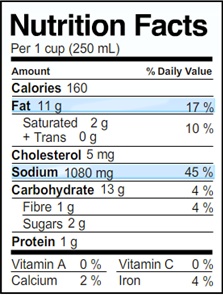
How many calories in 1 cup of soup?
a)
160
b)
120
c)
100
d)
60
7.
Which nutrient helps rebuild and repair muscles?
a)
Dairy
b)
Sodium
c)
Carbohydrates
d)
Protein
8.
What measures energy in food?
a)
Calories
b)
Ruler
c)
Thermometer
d)
Food label
9.
Which of the following are greenhouse gases?
a)
Carbon dioxide
b)
Methane
c)
Nitrous Oxide
d)
All answers are correct
10.
The gradual increase in the temperature of the atmosphere is known as ________________.
a)
Greenhouse Effect
b)
Global Warming
c)
Carbon Dioxide Gases
d)
Methane
11.

Burning fossil fuels is one of the main causes for global warming.
a)
True
b)
False
12.
Which of the following is NOT an effect of Global Warming?
a)
Polar ice caps will melt.
b)
Coastal regions will be covered with rising sea levels.
c)
Some areas will experience serious droughts
d)
The Earth's rotation will slow down and eventually stop
13.
Things you can do to help decrease global warming include:
a)
Eat more ice cream.
b)
Keep your freezer door open.
c)
Keep your air conditioner on high.
d)
Turn off your lights when you’re not using them.
14.
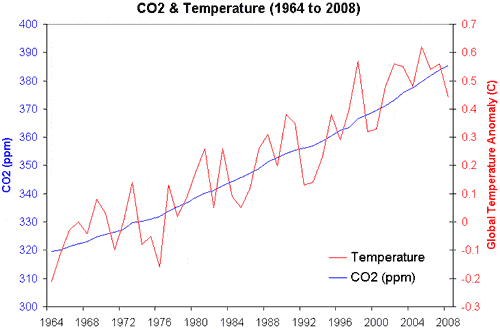
The graph below shows CO2 emissions and temperatures from 1909 to 1949. What conclusion is best supported by the graph?
a)
There is no relationship between carbon dioxide concentrations and temperatures
b)
As carbon dioxide concentrations increase, temperatures increase
c)
As carbon dioxide concentrations increase, temperatures decrease
d)
As carbon dioxide concentrations decrease, temperatures increase
15.
In a parasitic relationship, one organism is ___________ and one organism is benefiting.
a)
helped
b)
harmed
c)
not effected
d)
happy
16.
In a mutual relationship, both organisms are ________________.
a)
hurt
b)
not effected
c)
harmed
d)
benefiting
17.
Commensalism is where one organism is benefiting and the other organism is _____________________.
a)
not effected
b)
helped
c)
harmed
d)
hurt
18.

1. A bee and a flower work together to benefit each other. This is an example of _________________. The bee helps the flower by pollinating it and the flower helps the bee by providing it with nectar.
a)
commensal relationship
b)
parasitic relationship
c)
mutual relationship
19.
A dog is harmed by a tick when it sucks the dog’s blood. The tick is benefiting because it is getting nutrients from the dog. This is an example of a ________________.
a)
parasitic relationship
b)
mutual relationship
c)
commensal relationship
20.

A clown fish and a sea anemone are in a close relationship. The sea anemone provides shelter and protection for the clown fish. However, the sea anemone is not harmed. This is an example of ______________________.
a)
commensalism
b)
parasitic relationship
c)
mutualism
21.

A shark has barnacles that attach to his skin. The barnacles get a free ride from the shark. The shark is not helped by this relationship. This is an example of _________.
a)
commensalism
b)
parasitism
c)
mutualism
d)
competition
22.
A tree is a ....
a)
composer
b)
decomposer
c)
producer
23.

Where do all life forms get their energy?
a)
Earth's Core
b)
Water
c)
Plants
d)
The Sun
24.

Which of the following organisms is a herbivore.
a)
butterfly
b)
snake
c)
fox
d)
ladybird
25.

Which of the following organisms is a carnivore.
a)
greenfly
b)
titmouse
c)
mouse
d)
buzzard
26.
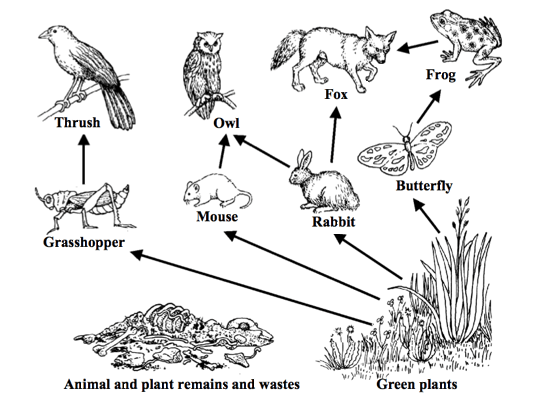
The owl receives energy from which organisms?
a)
grasshopper and mouse
b)
mouse and rabbit
c)
rabbit and butterfly
d)
butterfly and frog
27.
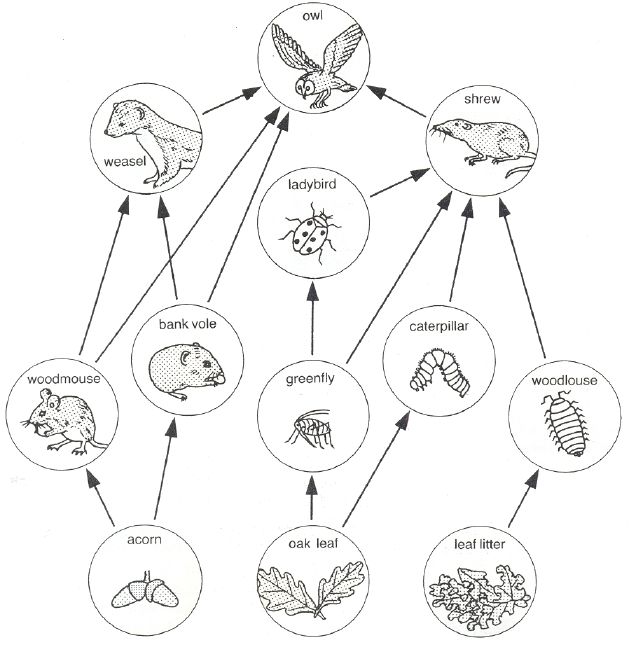
What type of consumer is the shrew?
a)
herbivore
b)
omnivore
c)
carnivore
28.

They caracal is prey to which animal?
a)
snake
b)
mouse
c)
grasshopper
d)
baboon
29.

What type of consumer is the wolf?
a)
herbivore
b)
omnivore
c)
carnivore
d)
decomposer
30.
What process does a multi-cellular organism use to replace its damaged body cells?
a)
mitosis
b)
meiosis
c)
replication
d)
transcription
31.
A chromosome is packaged
a)
DNA
b)
Protein
c)
Carbohydrates
d)
Lipids
32.
Which of the following cells is a gamete?
a)
egg
b)
bone
c)
heart
d)
muscle
33.
The fertilized egg is termed a/an _____.
a)
gamete
b)
allele
c)
homolog
d)
zygote
34.

What is one of the advantages, of reproducing sexually versus asexually?
a)
survival of the fittest
b)
overproduction
c)
genetic variation
d)
cloning
35.
The respiratory system works together with the ____ system so that all cells of the body receive oxygen.
a)
nervous
b)
endocrine
c)
circulatory
d)
integumentary
36.
This system provides the body with support, shape, and it helps to protect vital organs.
a)
nervous
b)
unrinary
c)
skeletal
d)
muscular
37.
The skeletal system works together with the _____ system so that the body can move.
a)
muscular
b)
urinary
c)
excretory
d)
immune
38.
Which organ belongs to the digestive system?
a)
heart
b)
stomach
c)
femur
d)
brain
39.
Which organ system does the brain belong to?
a)
Reproductive
b)
Cardiovascular
c)
Integumentary
d)
Nervous
40.
Which organ belongs to the respiratory system?
a)
biceps brachii
b)
humerus
c)
stomach
d)
right lung
41.
Which organ system includes the heart, blood vessels, and blood?
a)
Digestive system
b)
Circulatory system
c)
Respiratory system
d)
Endocrine system
42.
Which organ system includes the esophagus, stomach, small intestines, and large intestines?
a)
Digestive system
b)
Circulatory system
c)
Respiratory system
d)
Endocrine system
43.
Which organ system includes the kidneys, ureters, bladder, and urethra?
a)
Endocrine system
b)
Muscular system
c)
Skeletal system
d)
Excretory system
44.
This organelle takes food and turns it into ENERGY for plant and animal cells.
a)
Chloroplast
b)
Mitochondria
c)
Lysosome
d)
Ribosome
45.

Which part of the cell is often called "the brain of the cell"?
a)
nuclear membrane
b)
endoplasmic reticulum
c)
nucleus
d)
mitochondria
46.

I am the outer most layer of an animal cell. What am I?
a)
cell wall
b)
nucleus
c)
cell membrane
d)
cell skin
47.
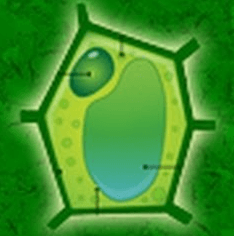
A rigid layer that lies outside the cell's membrane is...
a)
Cytoskeleton
b)
Cilia
c)
Cell Wall
d)
Flagella
48.
Consists of a jellylike substance that contains many organelles.
a)
ribosomes
b)
cytoplasm
c)
chloroplasts
d)
cell wall
49.
Which organelle uses energy from sunlight to make sugar?
a)
mitochondria
b)
nucleus
c)
chloroplasts
d)
vacuoles
50.
Controls what enters/leaves a cell
a)
cell membrane
b)
Nuclear membrane
c)
cell wall
d)
cytoplasm
51.
hold/store water, mainly found in plant cells
a)
nuclolus
b)
ribosomes
c)
golgi bodies
d)
vacuoles
52.
Provides structure and support for plant cells.
a)
Cell membrane
b)
Chloroplast
c)
Ribosomes
d)
Cell Wall
53.
Controls the cell and contains DNA
a)
Nucleus
b)
Mitochondria
c)
Chloroplast
d)
Cell Wall
54.

makes proteins from amino acids
a)
ribosomes
b)
mitochondria
c)
nucleus
d)
lysosome
55.
In which era do we currently live?
a)
Jurassic
b)
Paleozoic
c)
Mesozoic
d)
Cenozoic
56.
What era did dinosaurs go extinct ?
a)
Paleozoic
b)
Mesozoic
c)
Cenozoic
Reset

