wayground logo

Free Printable Worksheets

NEW

Font size

S
M
L
XL
Worksheets

SNC1W EXAM REVIEW - ELECTRICITY

Total questions: 52

Worksheet time: 13hrs 0mins

Name
Class
Date
1.
Two like charges
a)
 neutralize each other.
b)
repel each other. 
c)
must be neutrons. 
d)
attract each other.
2.
The charge of an electron is 
a)
positive. 
b)
negative. 
c)
Electrons have no charge
3.
An atom loses an electron.  What type of charge does it have now?
a)
positive
b)
negative
4.
An atom gains an electron.  What type of charge does it have now?
a)
positive
b)
negative
c)
No charge
5.
Charged objects are not attracted to neutral objects
a)
True
b)
False
6.
When a balloon is rubbed on clothes it acquires a charge by ___________
a)
Induction
b)
reduction
c)
friction 
d)
concuction
7.

Where do electrons go when you rub a balloon on your hair?

a)

Onto the balloon

b)

Into your hair

c)

Nowhere

8.

After you rub a balloon on your hair, what charge does the balloon have?

a)

Positive

b)

Negative

c)

Neutral

9.

After you rub a balloon on your hair, what charge does your hair have?

a)

Positive

b)

Negative

c)

Neutral

10.
When a glass rod is rubbed with silk and the glass rod becomes positively charged, what happens to the electrons?
a)
they are removed from the rod
b)
they are added to the rod
11.
What do you call the process of charging a conductor by bringing it near another charged object?
a)
induction
b)
polarization
c)
neutralization
d)
conduction
12.
Which of the following is not a good conductor of electricity?
a)
copper
b)
silver
c)
Glass
d)
aluminum
13.
Which of the following is not a good insulator?
a)
Copper
b)
Glass
c)
rubber
d)
wool
14.

After a balloon is rubbed against wool, the two objects will ________ each other because they have ___________ charges

a)

attract; like

b)

attract, opposite

c)

repel; like

d)

repel; opposite

15.

What is the end result of charging by friction?

a)

Both object have the same charge, so they will attract one another

b)

Both object have the same charge, so they will repel one another

c)

Both object have the opposite charge, so they will attract one another

d)

Both object have the opposite charge, so they will repel one another

16.

After grounding, how will objects interact?

a)

Both will have the same charge, so they attract one another

b)

Both will be neutral, so they will attract one another

c)

Botn will be neutral, so they will repel one another

d)

Both will be neutral, so they will not attract nor repel

17.

A balloon is rubbed against a student's hair and then touched to a wall. The balloon sticks to the wall due to

a)

The balloon is charged neutral, so is the wall, so it attracts to the wall

b)

The balloon is charged opposite the wall, so it attracts to the wall

c)

The balloon has a charge, so it attracts the neutral wall

d)

The wall grounds the balloon, so it sticks

18.
When a plastic rod is rubbed with wool, the wool acquires a positive charge because
a)
protons are transferred from the wool to the rod
b)
protons are transferred from the rod to the wool
c)
electrons are transferred from the rod to the wool
d)
electrons are transferred from the wool to the rod
19.
This is an example of a _______ circuit
a)
open
b)
series
c)
parallel
d)
square
20.
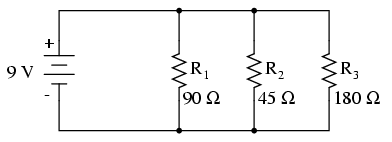
This is an example of a ______ circuit
a)
Series
b)
Parallel
c)
Open
d)
Dihexihedral
21.
This circuit has more than one loop. When one light goes out, the others stay on. 
a)
closed circuit
b)
series circuit
c)
parallel circuit
d)
open circuit
22.
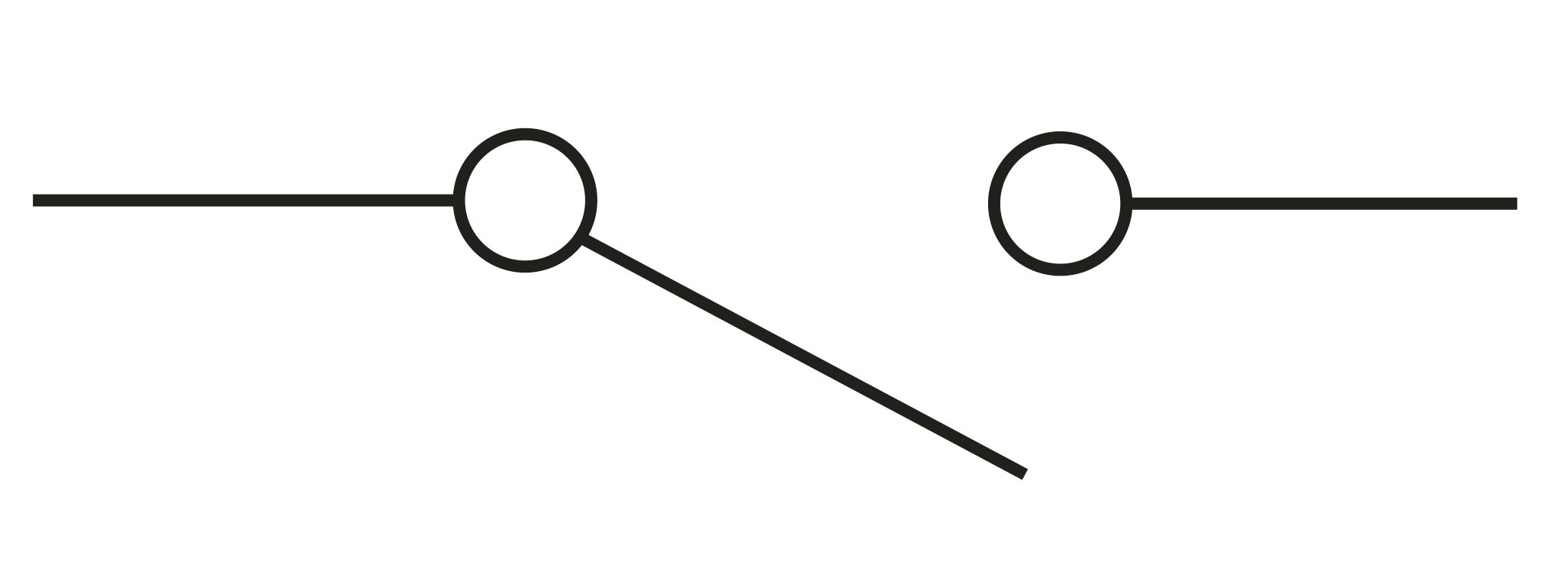
this is the symbol for a _____?
a)
switch
b)
light 
c)
battery
d)
wires
23.
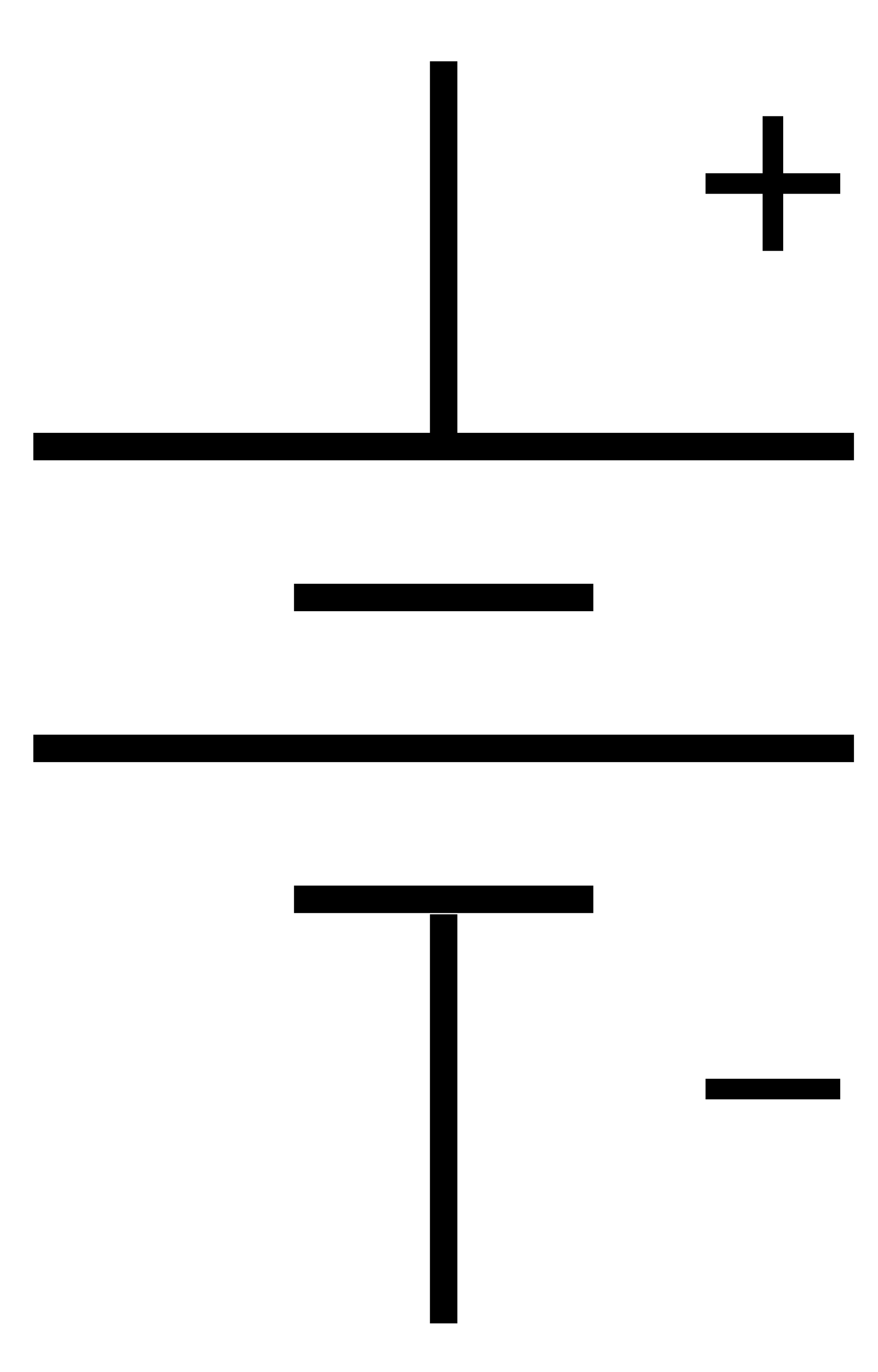
what is this symbol for?
a)
light bulb
b)
switch
c)
battery
d)
resistor
24.
a)
Series circuit - Bulbs are lit
b)
Series circuit - Bulbs are off
c)
Parallel circuit - Bulbs are lit
d)
Parallel circuit - Bulbs are off
25.
This circuit does not work because…
a)
the bulbs are not connected properly
b)
the single cell is not powerful enough
c)
there is a break in the circuit
d)
there is a short crcuit
26.
a)
all bulbs are lit equally
b)
the two top bulbs are brighter
c)
the single lower bulb is brighter
d)
the single bulb does not light and the other two are dim
27.
As the resistance of a circuit increases, the current will...
a)
increase
b)
decrease
c)
stay the same
28.
What 'flows' in a wire?
a)
Protons
b)
Neutrons
c)
Atoms
d)
Electrons
29.
In a parallel circuit, if one connection is broken, all of the connections stop working.
a)
True
b)
False
30.
A series circuit has ____ path(s) that the electric current can take. 
a)
One
b)
Two 
c)
Three 
d)
Four
31.
In a parallel circuit if one of the light bulbs burns out the rest _________.
a)
stop the flow of electricity
b)
 can still light up
c)
 will go out
d)
of the light bulbs burn out also
32.
What does the resistance of a wire tell you?
a)
The speed of electron flow through it.
b)
How tough it is for electrons to flow through it.
c)
The amount of energy given to the electrons.
d)
The amount of energy taken away from the electrons.
33.
Unit for resistance
a)
Ampere
b)
Ohm
c)
Volt
d)
Watt
34.
Unit for current
a)
Ohm
b)
Ampere
c)
Volt
d)
Watt
35.
What size resistor would produce a 3 Amp current flow with a 12 Volt battery
a)
1 Ohm
b)
3 Ohms
c)
4 Ohms
d)
12 Ohms
36.
Electricity that flows in a closed path is called a
a)
path
b)
current
c)
circuit
d)
light
37.
What is the Voltage of a circuit that has a resistance of 5 Ω and a current of 2 A?
a)
25 V
b)
10 V
c)
2.5 V
d)
0.4 V
38.
Current times Resistance equals
 (I X R)
a)
Power
b)
Voltage
c)
Amperage
d)
Ohm
39.

Voltage divided by Resistance

(V / R)

a)

Current

b)

Power

c)

Ohms

d)

Watts

40.

Voltage divided by Current

(V / I)

a)

Current

b)

Power

c)

Resistance

d)

Watts

41.

If the battery produced 12.6 Volts what would be the current flow for a 6 Ohm resistor?

a)

2.1 Amps

b)

2.4 Amps

c)

1.71 Amps

d)

15 Amps

42.

1. Which switch or switches must be closed to make the lamps light?

a)

Only switch 1

b)

Only switch 1

c)

Switches 1 and 2

d)

Switches 1 , 2 and 3

43.

If lamp 2 is unscrewed from its holder, what will happen to lamp1?

a)

It will stay lit

b)

It will go out

c)

It will get dimmer

d)

It will dissapear

44.

What needs to be done to this circuit so that the lamp lights up?

a)

Close the switch

b)

Add a source and close the switch

c)

Add another lamp

d)

Add another lamp and a switch

45.

If lamp 1 is unscrewed from its holder, what will happen to lamp 2?

a)

It will get brighter

b)

It will stay the same brightness

c)

It will go out

d)

Nothing will happen

46.

Draw a circuit with a battery connected to four resistors, R1, R2, R3, and R4, as follows. Resistors R1 and R2 are connected in parallel with each other, resistors R3 and R4 are connected in parallel with each other, and both parallel sets of resistors are connected in series with each other across the battery.

a)
b)
c)
d)
47.
Does this statement best describe a parallel or a series circuit.
 
When more light bulbs are added they all remain bright. 
a)
Parallel circuit
b)
Series circuit
48.

Resources that are not able to be reproduced as quickly as they are used are called _____.

a)

renewable resources

b)

replaceable resources

c)

non renewable resources

d)

non replaceable resources

49.

Renewable resources ...

a)

are not replaceable

b)

are used more frequently than non renewables

c)

are never going to run out

d)

going to run out

50.

Uranium atoms are split to create a tremendous amount of heat in a _____ power plant.

a)

biomass

b)

geothermal

c)

nuclear

d)

hydroelectric

51.

Which of these is non renewable

a)

natural gas

b)

water in a dam

c)

solar power

d)

wind energy

52.

Which of these is renewable energy?

a)

coal

b)

petroleum

c)

oil

d)

biomass