
 Worksheets
Year 10 Chemistry revision term 2
Total questions: 48
Worksheet time: 1hrs 15mins
All matter is made of ...
energy
atoms
electrons
compounds
The central region of an atom where its neutrons and protons are found
nucleus
electron cloud
core
center
An atom with atomic number 6 would have how many protons
6
12
3
cannot be determined

What does the 1.00794 stand for?
mass number
atomic number
average atomic mass
number of protons
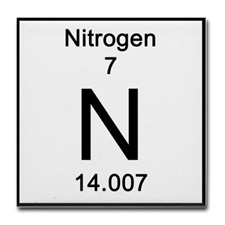
If an atom has 12 protons, which of the following must it also have to be considered a neutral atom?
12 neutrons
12 electrons
12 protons
24 protons and neutrons
What charge does an atom have when it GAINS electrons?
Positive
Negative
Neutral
When an atom loses an electron, it becomes a(n) _____________ ion.
positive
negative
neutral
polyatomic

If the mass number of this chlorine atom is 36, how many neutrons does it have?
17
18
19
can't be determined

What is the atomic number of this atom shown in the Bohr model?
11
12
13
can't be determined

What is the mass number of the atom shown in the Bohr model?
11
12
23
Can't be determined
Is this atom an ion? If so what would it's charge be?
Yes, 1-
No it is neutral
Yes, 1+
Can't be determined
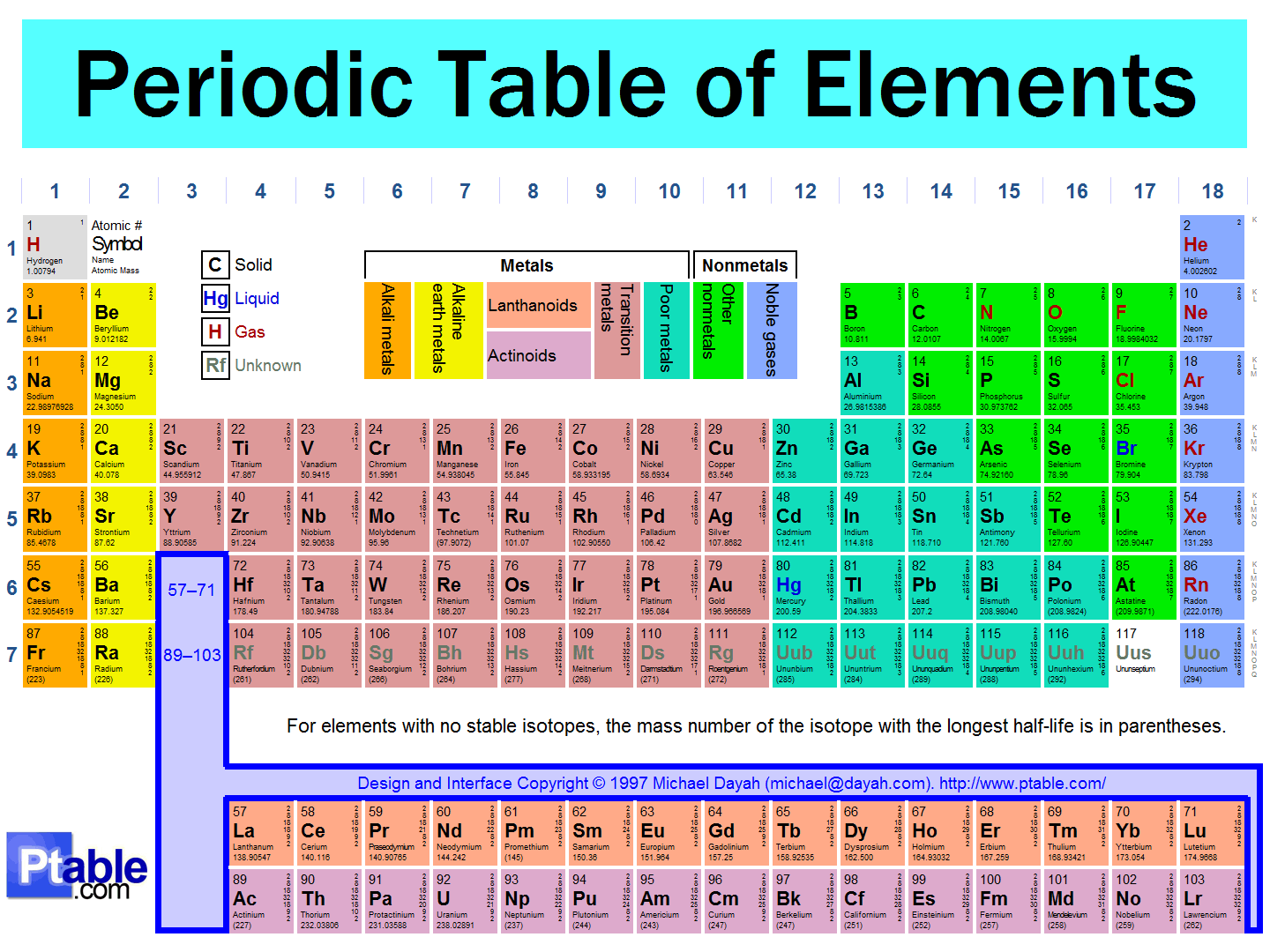
The vertical (up and down) columns in the Periodic Table are called
groups
towers
periods
atomic numbers
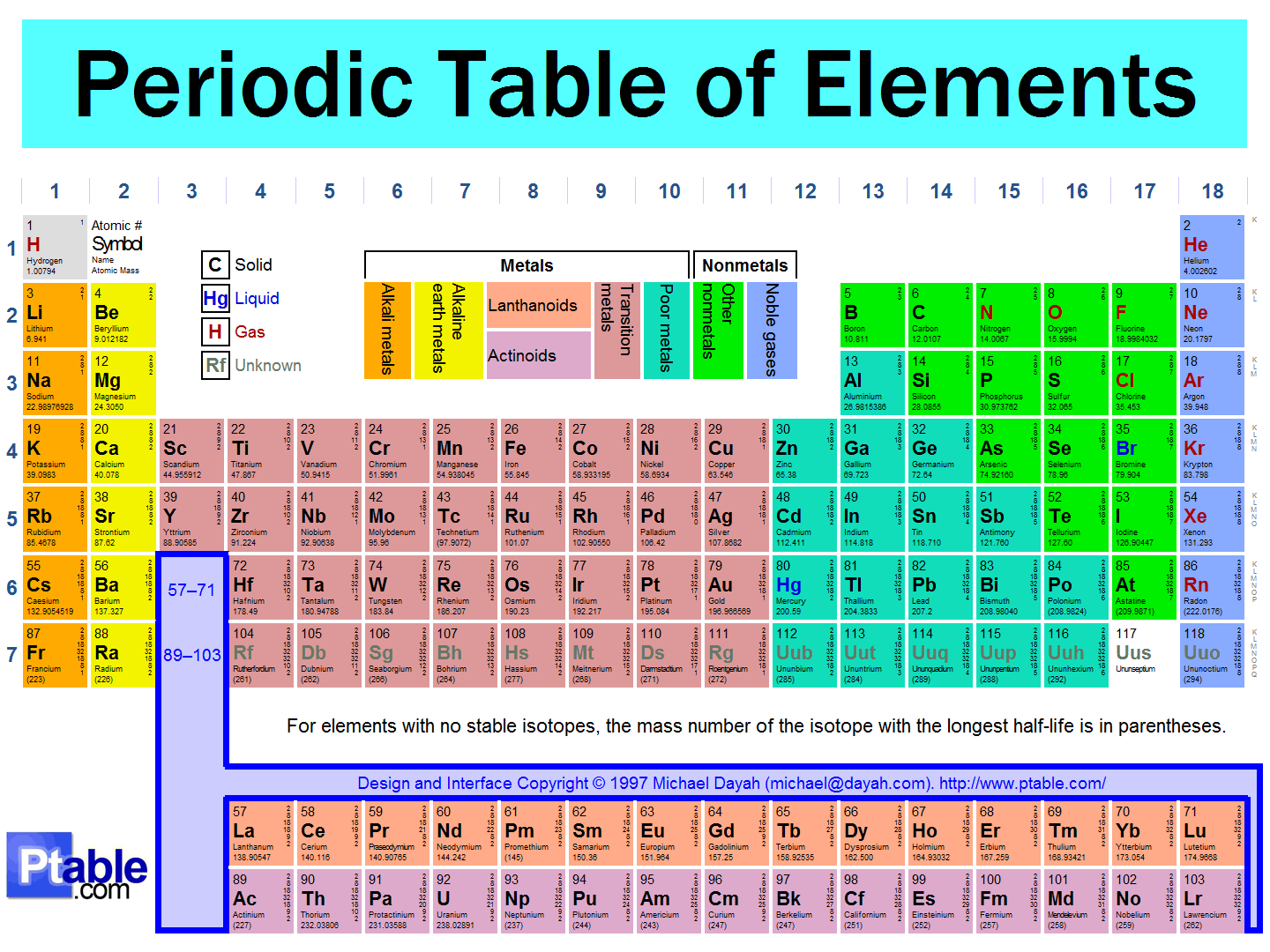
The horizontal (side to side) rows in the Periodic Table are called
groups
families
periods
atomic numbers
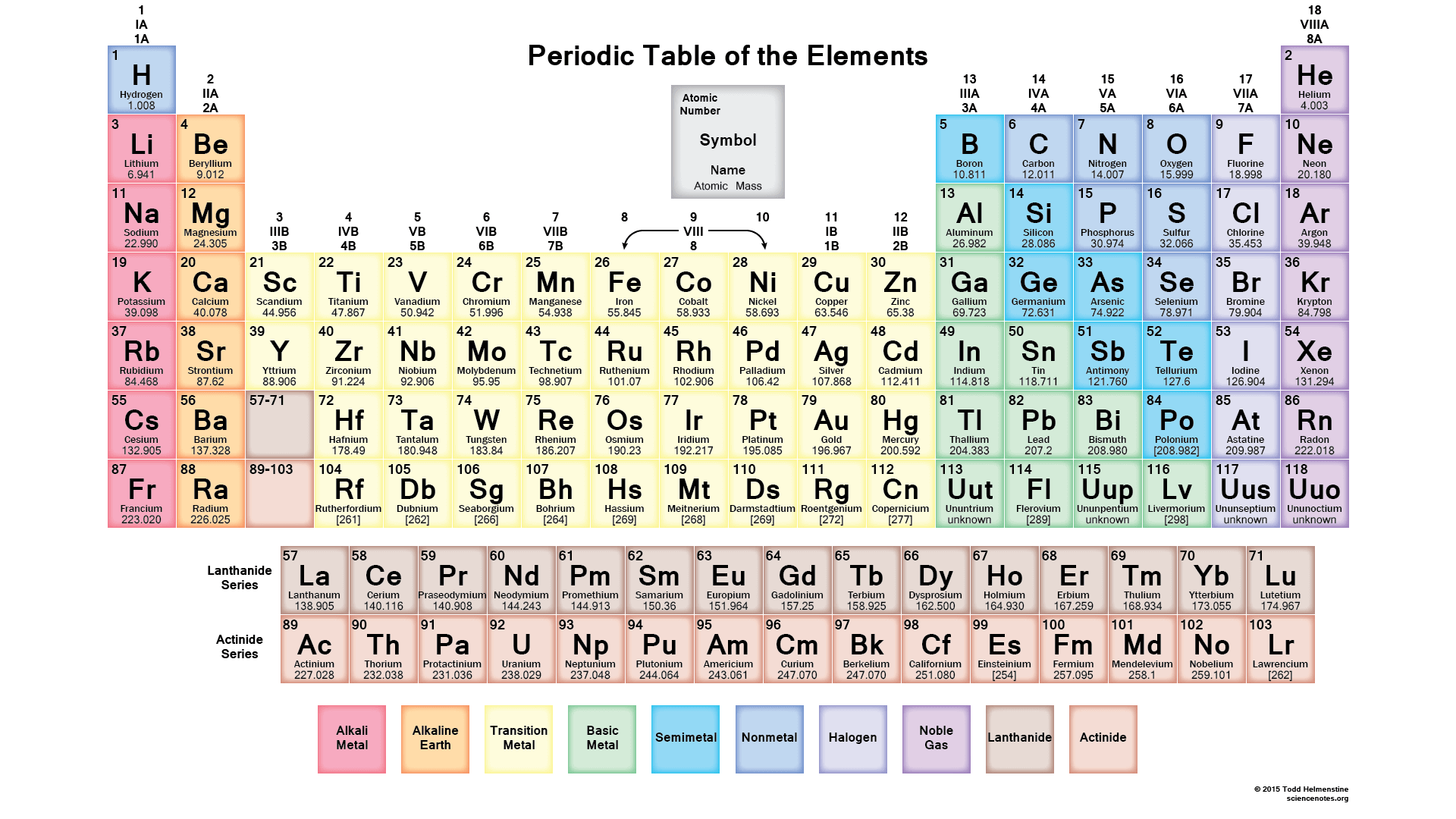
What type of bonds share electrons?
hydrogen
covalent
ionic

What type of bond is shown in the image?
Hydrogen
Ionic
Covalent
Which of the following elements is a metal?
Sodium
Oxygen
Hydrogen
Argon


N2+O2--> _NO
(Check ALL answers)
Al + O2 → 2Al2O3
Ca(OH)2
soluble
insoluble
When solutions of two ionic compounds are combined and a solid forms, the process is called
hydration
solvation
dissociation
precipitation

