
 Worksheets
Cells, organelles, cell theory REVIEW
Total questions: 29
Worksheet time: 53mins
There are two types of cells:
eukaryotic and gigantic
carbohydrate and lipids
prokaryotic and eukaryotic
probiotic and nucleic acid
Prokaryotic cells do not have
ribosomes
nucleus
DNA
all of the above
An example of a prokaryotic cell is
plant cell
animal cell
eukaryotic cell
bacteria
Prokaryotic cells do not have
ribosomes
cell membrane
membrane-bound organelles
DNA
Controls what goes in or out of the cell
cell wall
mitochondria
endoplasmic reticulum
cell membrane
gel-like substance that holds all the organelles in place
cytoplasm
cell membrane
Golgi apparatus
nucleus
Makes proteins
cytoplasm
ribosomes
Golgi apparatus
nucleus
Genetic material
cytoplasm
Golgi apparatus
DNA
mitochondria
ALL Eukaryotic cells have a ____________.
flagella
cell wall
nucleus
none of the above
Plant cells are an example of
prokaryote
eukaryote
animal
microorganism
Animal cells are an example of
prokaryotic cell
eukaryotic cell
plants
carbohydrate
In a eukaryotic cell, DNA is found in the
Golgi apparatus
endoplasmic reticulum
nucleus
ribosomes
In a prokaryotic cell, DNA is found in the
nucleus
ribosomes
Golgi appartus
cytoplasm
Eukaryotic cells have
nucleus
membrane-bound organells
both nucleus and membrane-bound organelles
Eukaryotic cells do not exist.
Rough ER (Endoplasmic reticulum) is the site for protein synthesis
controls what goes in and out of cell
site for protein synthesis (makes proteins)
where photosynthesis takes place
holds organelles in place
Provides energy for the cell
nucleus
mitochondria
Golgi apparatus
cytoplasm
Cleans the cell by digesting old materials and organelles.
cytoplasm
lysosome
vacuole
Endoplasmic reticulum
These cells do not have a nucleus or any other membrane-bound organelles. They were the first living things on Earth.
Prokaryotes
Eukaryotes
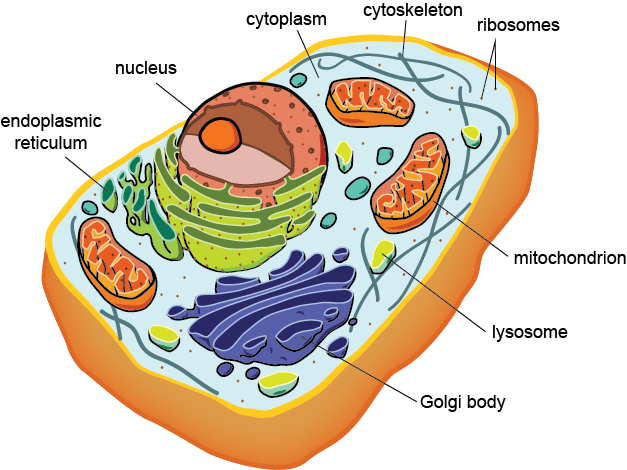
Which of the following statements is NOT part of the cell theory?
Cells are the basic unit of structure and function in all living things.
All cells are produced from other cells.
All living things are multicellular
All living things are made of cells.

What is one way in which all living things on Earth are alike?
All living things have hair.
All living things are made of cells.
The cells of all living things have chloroplast.
All living things can move.
This scientist who discovered and named the cell.
Robert Hooke
Anton Van Leeuwenhoek
Goldberg
Mathias Schleiden


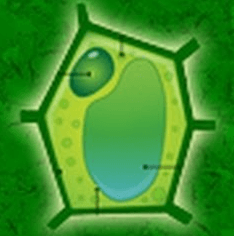
Cytoskeleton
Cilia
Cell Wall
Flagella

