
 Worksheets
Economics: EWoT
Total questions: 17
Worksheet time: 5mins
How many EWoTs are there?
34
1
7
10
The crux of all economics is _______________ forces tradeoffs.
scarcity
opportunity costs
incentives
unintended consequences
According to an economist, we do stuff IF
costs are greater than benefits
benefits are greater than costs
there is money in it
there are no incentives
Deciding to eat that 4th piece of pizza or not is what EWoT?
scarcity forces tradeoffs
markets coordinate trade
incentives matter
thinking at the margin
things that "nudge" people towards certain behaviors is known as ___________. Examples include speed limits, school suspensions, and pay for work.
incentives
scarcity
opportunity costs
future consequences
______________ makes people better off. That's why our presidents are wrong concerning China and Mexico tariffs.
scarcity
trade
government
future consequences
Which of the following is NOT a market?
Amazon
HyVee
all of these are markets
a back alley or the dark website "Silk Road."
The idea of unintended consequences is which EWoT?
markets coordinate trade
future consequences matter
scarcity forces tradeoffs
costs v. benefits
The acronym for the crux of ch 1, "How to think like an economist" is...
KFC
EWoT
Ewok
TANSTAAFL
T or F: Economic is Everywhere.
False
True
Trust me
Falsetto
Which of the following is NOT one of the top 3 scarce things discussed?
Time
Money
Attention Span
Water
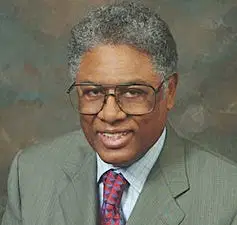
Who is this?
Milton Friedman
Adam Smith
Thomas Sowell
Trent Goldsmith
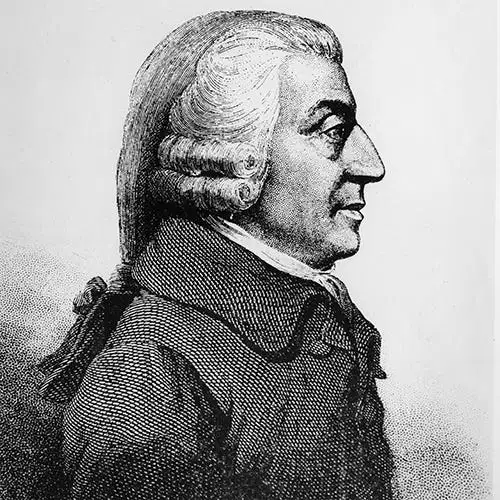
Founder of Modern Day Economics.
Adam Smith
Milton Friedman
Trent Goldsmith
Thomas Sowell

Who said" There is no such things as a free lunch." Which means that everything has a cost?
Adam Smith
Milton Friedman
Thomas Sowell
Trent Goldsmith
The economic problem, summarized in one word, is...
choice
scarcity
government
Goldsmith
Tangible
Goods
Services
According to an economist, the best way to allocate scarce resources is
price
war
rationing
first come, first servied

