wayground logo

Free Printable Worksheets

Font size

S
M
L
XL
Worksheets

Quiz Game for Unit 1

Total questions: 37

Worksheet time: 37mins

Name
Class
Date
1.

What is Government?

a)

the services provided a community, such as police protection, fire protection, and public health programs

b)

the laws that protect peoples' rights and ensure the safety of a state's citizens

c)

the institution through which a society makes and enforces its public policies

d)

the process by which public officials are elected to and removed from office

2.

What founding Document features the line "We hold these truths to be self evident that all men are created equal"?

a)

The Constitution

b)

The Articles of Confederation

c)

The Magna Carta

d)

The Declaration of independence

3.

What are some components of a democracy

a)

Rule by a single leader

b)

Rule by a powerful few

c)

Power rests with the people

d)

Three Branches Legislative, Executive, Judicial

e)

Voting by citizens

4.

The main job of the legislative branch is to _____________________.

a)

carry out and enforce the laws

b)

veto laws that have been passed

c)

make the laws

d)

decide the meaning of laws

5.

The President of the United States represents which branch of government?

a)

Judical

b)

legislative

c)

international

d)

executive

6.

The main job of the executive branch is to ___________________.

a)

Write and file laws

b)

carry out and enforce the laws

c)

Make the laws

d)

Decide the meaning of the laws

7.

The main job of the judicial branch is to ___________________.

a)

write and file laws

b)

carry out and enforce the laws

c)

make the laws

d)

decide the meaning of laws

8.

The congress of the United States represents which branch of government?

a)

Judicial

b)

legislative

c)

international

d)

executive

9.
Which compliant is listed here
"He has dissolved Representative Houses repeatedly, for opposing with manly firmness his invasions on the rights of the people."
a)
quartering soldiers 
b)
dissolving legislatures 
c)
suspending trial by jury 
d)
limiting judicial power
10.
Why is July 4, 1776 an important date in U.S. history?
a)
Common Sense was published.
b)
The Olive Branch Petition sent to King George III.
c)
The American Revolution ends.
d)
The Declaration of Independence is signed.
11.
According to the Declaration of Independence, where does government get its power?
a)
From the King
b)
From the Supreme Court
c)
From God
d)
From the people
12.
The List of Grievances were the part of the Declaration that
a)
detailed the colonists' complaints with King George.
b)
listed a man's natural rights.
c)
introduced the Declaration.
d)
concluded the Declaration, declaring America a free country.
13.
What are our natural rights according to Jefferson?  (He got the idea from John Locke, but he changed the last right.)
a)
Freedom of speech, religion, and press
b)
Life, liberty, and property
c)
Life, liberty, and the pursuit of happiness
d)
Voting, rebelling, and health
14.
According to the Declaration of Independence who gives us our rights? 
a)
given by God at birth 
b)
given by our government 
c)
given by our president 
d)
given by our parents 
15.
 Who wrote the Declaration of Independence?
a)
Benjamin Franklin
b)
James Madison
c)
Thomas Edison
d)
Thomas Jefferson
16.
When Thomas Jefferson copied John Locke's ideas about the social contract, what did he say the people had the right to do to a government who was not protecting the people's rights?
a)
Write a letter
b)
Suggest how it could be better
c)
Wait until they started to respect the people's rights
d)
Abolish it
17.
Who gives government the ability to govern?
a)
The people
b)
Parliament
c)
The King
d)
The Sons of Liberty
18.
What country did The United States declare independence from?
a)
Britain
b)
France
c)
Spain
d)
Belgium
19.

Locke argued that we had 3 main natural rights. What are they? (Select 3)

a)

Life

b)

Liberty

c)

Pursuit of Happiness

d)

Property

20.

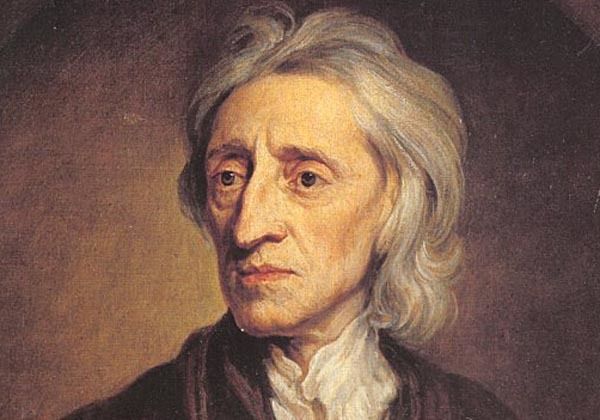
According to John Locke, if the government didn't protect the people's natural rights, what could the people do?

a)

Overthrow the government

b)

Petition the government for their rights

c)

Nothing, the people don't have rights

21.

Which American Founding Father did John Locke influence the most?

a)

Ben Franklin

b)

George Washington

c)

John Adams

d)

Thomas Jefferson

22.

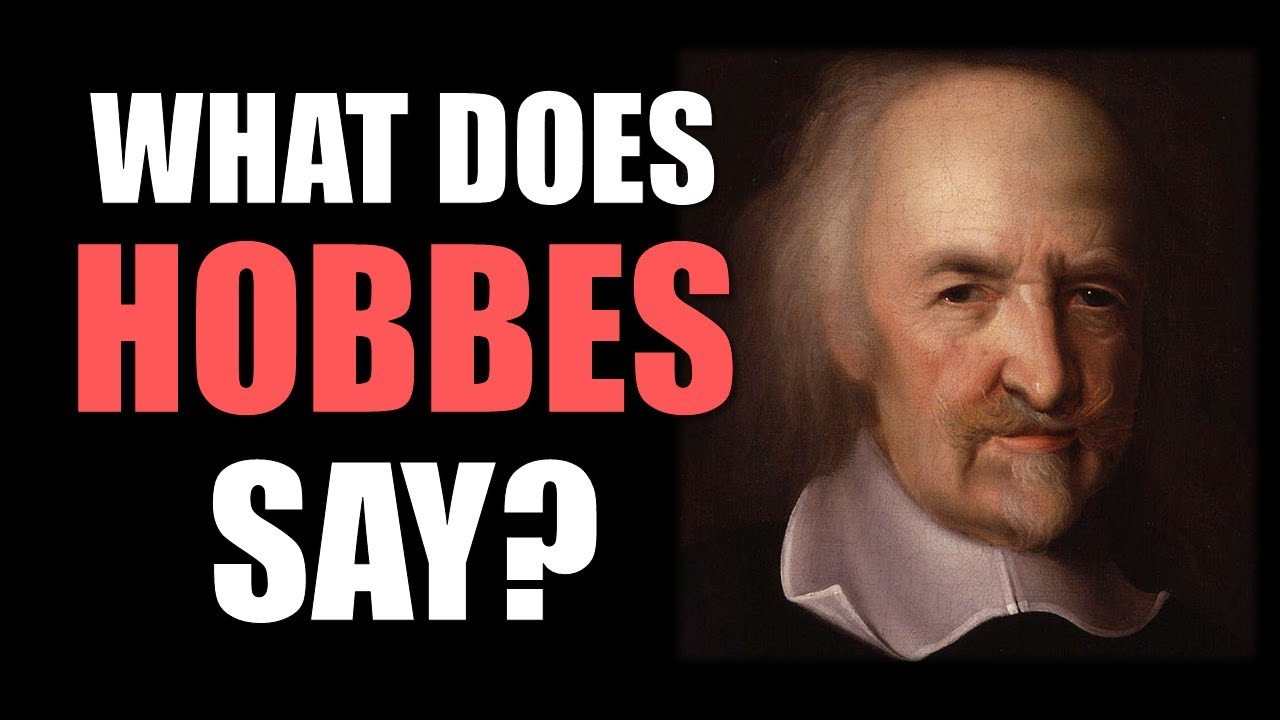
What did Hobbes describe people as?

a)

kindhearted

b)

mean

c)

generous

d)

selfish

23.

In Hobbes' mind, who should be in charge?

a)

king

b)

pope

c)

queen

d)

himself

24.
How did Hobbes sum up people's quality of life in a state of nature?
a)
life, liberty, and the pursuit of happiness
b)
poor, nasty, brutish, and short
c)
fulfilling, long-lived, philosophical, and introspective
d)
scared, hungry, lonely, and cold
25.
According to Hobbes, people agreed to give up some __________________ in exchange for __________________ as part of the social contract.
a)
rights and power / protection
b)
food and shelter / weapons
c)
security and protection / freedom
d)
money / goods and services
26.
In Hobbes's view of the social contract, people retained the right to question, overthrow, or replace their government.
a)
True
b)
False
27.
Hobbes believed that a single __________, or ruler, should have complete authority over the people.
a)
emperor
b)
magnate
c)
overlord
d)
sovereign
28.
For both Hobbes and Locke, the social contract is an agreement between...
a)
plaintiff and defendant
b)
sovereign states
c)
companies and shareholders
d)
citizens and government
29.
Locke believed that people's natural rights are granted to them by their government(s).
a)
True
b)
False
30.
How did Hobbes view human nature?
a)
We are inquisitive and industrious.
b)
We are naturally selfish and quick to fight.
c)
We are naturally altruistic and usually willing to compromise.
d)
We are born a 'blank slate', and we develop differently according to our life's experiences..
31.
How did Locke view human nature?
a)
We are a born a 'blank slate', and we develop differently according to our life's experiences..
b)
We are naturally altruistic and usually willing to compromise.
c)
We are inquisitive and industrious.
d)
We are naturally selfish and quick to fight.
32.

In a state of nature, Hobbes believed that everyone had a right to everything, This means that _________.

a)

People would be free to enjoy their lives

b)

People would be in a constant state of war

c)

People would be in a constant state of peace

d)

People would share their property

33.
Ancient Greece/Athens had the first __________ which greatly influenced the US government.
a)
Republic
b)
Democracy
c)
Monarchy 
d)
Dictatorship
34.
Ancient Rome set up a _____ where citizens elected representatives to rule.
a)
Dictatorship
b)
Monarchy
c)
Democracy
d)
Republic
35.
An introduction explaining why the Declaration is being written.
a)
Preamble
b)
Natural Rights
c)
Grievances
d)
Resolution of Independence
36.
Which NOT an example of a grievance?
a)
The king has refused to agree to laws that would benefit the people.
b)
All men are created equal.
c)
The king has housed large numbers of troops in our communities.
d)
Our own governments have been abolished.
37.
Document written by Thomas Jefferson that formally proclaimed America's freedom from Great Britain.
a)
Fundamental Orders of Connecticut
b)
Magna Carta
c)
Declaration of Independence
d)
Articles of Confederation