wayground logo

Free Printable Worksheets

NEW

Font size

S
M
L
XL
Worksheets

Unit 1 Test Review

Total questions: 37

Worksheet time: 1hrs 5mins
Name
Class
Date
1.
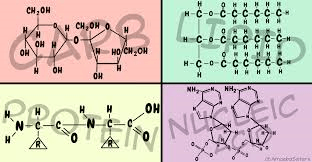
What biomolecule do enzymes belong to? 
a)
Carbohydrate
b)
Lipid
c)
Nucleic Acid
d)
Protein
2.
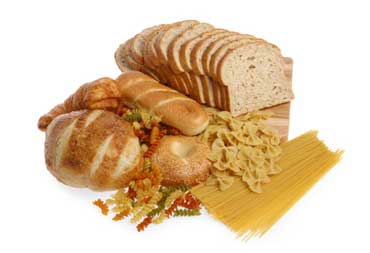
Which biomolecule is found in pasta and bread?
a)
Lipid
b)
Protein
c)
Nucleic Acid
d)
Carbohydrate
3.
Which biomolecule is a main source of quick energy?
a)
Nucleic Acid
b)
Protein
c)
Lipid
d)
Carbohydrate
4.
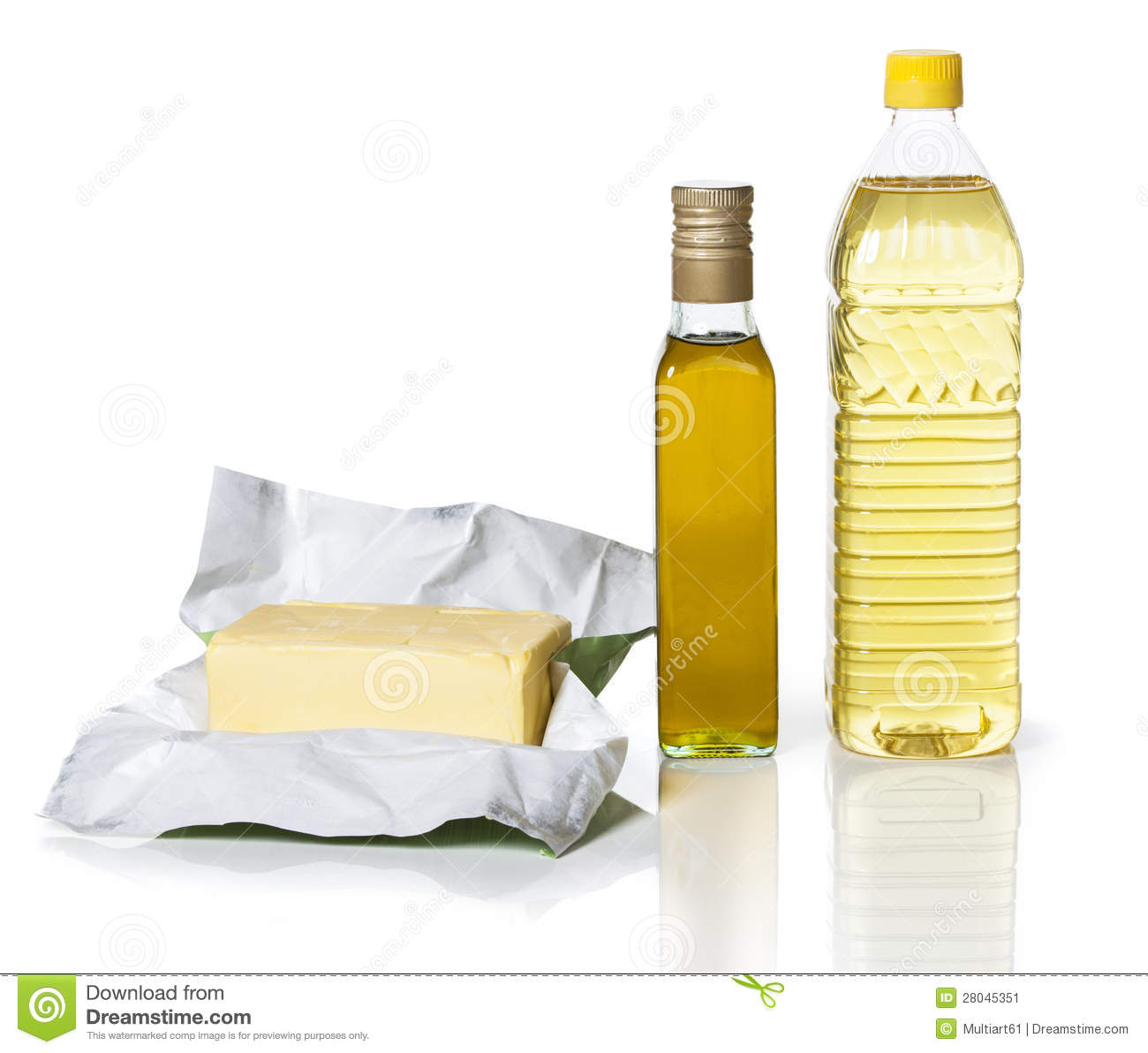
Which biomolecule is found in fats, oils, and waxes and is a source of long-term energy
a)
Proteins
b)
Nucleic Acid
c)
Lipids
d)
Carbohydrate
5.
What is the function of a nucleic acid?
a)
Stores genetic information
b)
Stores energy
c)
Quick source of energy
d)
Builds structures
6.
Carbon, Hydrogen, Oxygen and Nitrogen are elements in what biomolecule?
a)
Carbohydrate
b)
Lipid
c)
Protein
d)
Nucleic acid
7.

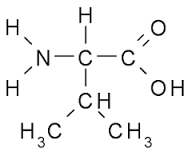
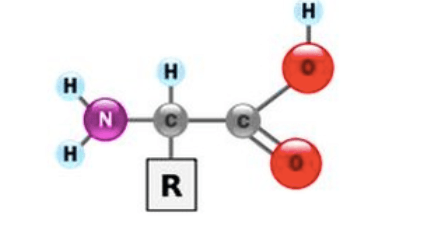
This picture shows a biomolecule that functions to build tissues and structure, aids in hormone production, and speed up chemical reactions. Which type of biomolecule is this?

a)

Protein

b)

Nucleic Acid

c)

Lipid

d)

Carbohydrate

8.

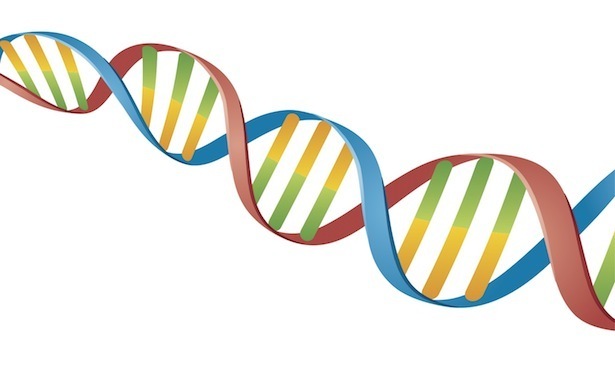
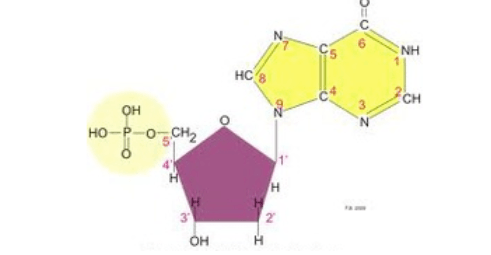
This image shows a monomer that is composed of a phosphate group, a pentose sugar, and a nitrogen base. There are four possible nitrogen bases that create a code when combined. Which biomolecule is this a picture of?

a)

Protein

b)

Nucleic Acid

c)

Lipid

d)

Carbohydrate

9.
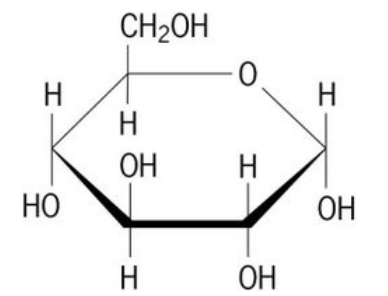
Which biomolecule is this a picture of?
a)
Protein
b)
Nucleic Acid
c)
Lipid
d)
Carbohydrate
10.
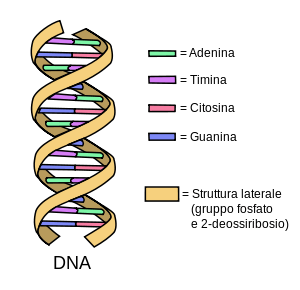
Which biomolecule is made of nucleotides and contain you DNA?
a)
Carbohydrate
b)
Lipids
c)
Protein
d)
Nucleic Acid
11.

Which biomolecule helps form muscles?

a)

Nucleic Acid

b)

Carbohydrate

c)

Protein

d)

Lipids

12.
Which biomolecule is responsible for insulation and energy storage?
a)
Protein
b)
Nucleic Acid
c)
Lipid
d)
Carbohydrate
13.
Which biomolecule has sugars and starches?
a)
Lipids
b)
Proteins
c)
Carbohydrates
d)
Nucleic Acid
14.
What type of molecule is this?
a)
Nucleic acid
b)
Protein
c)
Carbohydrate
d)
Lipid
15.
What elements are common to all 4 biomolecules?
a)
Carbon, hydrogen, nitrogen
b)
Carbon, Nitrogen, Phosphorus
c)
Carbon, Hydrogen, Oxygen
d)
Carbon, Hydrogen, Phosphorus
16.
A monomer is ...
a)
a single atom
b)
a building block for polymers
c)
a single element
d)
is an inorganic molecule
17.
Enzymes are considered to be 
a)
Lipids
b)
Carbohydrate
c)
Protein
d)
Nucleic Acid
18.
What is the purpose  of an enzyme?
a)
give permission for the reaction
b)
raise activation energy
c)
speed up reactions
d)
control how many reactions occur
19.
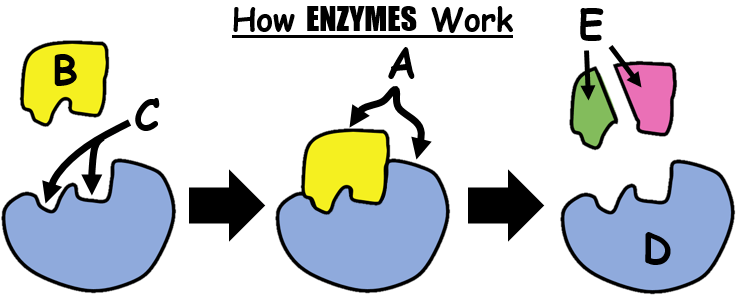
Letter D...
a)
active site
b)
enzyme
c)
substrate
d)
products
20.

In what organelle is the genetic material found inside?

a)

cell membrane

b)

chloroplast

c)

nucleus

d)

ribosome

21.

What organelle is called the "powerhouse" of a cell?

a)

mitochondria

b)

nucleus

c)

cell wall

d)

cell membrane

22.

A large central vacuole is found in a _____ cell.

a)

animal

b)

plant

23.

What is the function of a chloroplast?

a)

makes proteins for animal cells

b)

allows materials in and out of the cell

c)

provides structure and support

d)

absorbs sunlight for photosynthesis

24.

What is the structure that contains DNA and directs the cell?

a)

endoplasmic reticulum

b)

central vacuole

c)

cell wall

d)

nucleus

25.

Looking in a microscope, you see cells that have rectangular shapes and a green color. What type of cells are you probably viewing?

a)

plant cells

b)

animals cells

c)

muscle cells

d)

blood cells

26.

Identify the structure that is indicated by the arrow in the image.

a)

cell wall

b)

central vacuole

c)

chloroplast

d)

nucleus

27.

Identify the structure that is indicated by the arrow in the image.

a)

cell wall

b)

central vacuole

c)

chloroplast

d)

cell membrane

28.

The arrow is showing the fluid inside the cell that surrounds the cell organelles. What is the arrow pointing to in the cell?

a)

cytoplasm

b)

mitochondria

c)

ribosomes

d)

nucleus

29.

What type of cell is being shown in the image?

a)

plant

b)

animal

30.

Identify the structure that is labeled "C" in the image.

a)

central vacuole

b)

nucleus

c)

chloroplast

d)

mitochondria

e)

cell membrane

31.

Identify the structure that is labeled "H" in the image.

a)

cell wall

b)

chloroplast

c)

mitochondria

d)

nucleus

e)

cell membrane

32.

I make proteins for the cell. What am I?

a)

ribosome

b)

cell membrane

c)

nucleus

d)

chloroplast

33.
Has membrane bound organelles
a)
Prokaryote
b)
Eukaryote
c)
both
34.
Plants and animal cells are examples of ___ cells 
a)
prokaryotic cells 
b)
eukaryotic cells 
35.
Both prokaryotes and eukaryotes have a nucleus.
a)
True
b)
False
36.
Has membrane bound organelles
a)
Prokaryote
b)
Eukaryote
c)
both
37.
Has nucleus
a)
Prokaryote
b)
Eukaryote
c)
both