
 Worksheets
Rocks, Minerals, and Fossils
Total questions: 54
Worksheet time: 38mins
Name
Class
Date
1.
What is Hardness?
a)
The tendency of a mineral to split easily along flat surfaces.
b)
A measure of how easily a mineral can be scratched.
c)
The way a mineral shines, or reflects light.
2.
What is Luster?
a)
The color of a mineral when it is ground into a powder.
b)
A measure of how easily a mineral can be scratched.
c)
The way a mineral shines, or reflects light.
3.
What is a Mineral?
a)
A nonliving solid material that has a definite chemical make up and is found in Earth's outermost layer.
b)
A measure of how easily a mineral can be scratched.
c)
The way a mineral shines, or reflects light.
4.
What is a Streak?
a)
The tendency on a mineral to split easily along flat surfaces.
b)
A measure of how easily a mineral can be scratched.
c)
The color of a mineral when it is ground into a powder.
5.
Another way to test hardness is...
a)
Mineral scale
b)
Moh's scale
c)
Streak scale
6.
What is an igneous rock?
a)
Rock that forms when melted, or molten rock from deep below Earth's surface cools and hardens.
b)
A solid material made up of one or more minerals.
c)
Rock that forms when existing rocks are changed by heat, pressure, or chemicals beneath the Earth's surface.
7.
What is metamorphic rock?
a)
Rock that forms when melted, or molten rock from deep below Earth's surface cools and hardens.
b)
A solid material made up of one or more minerals.
c)
Rock that forms when existing rocks are changed by heat, pressure, or chemicals beneath the Earth's surface.
8.
What is a rock?
a)
Rock that forms when melted, or molten rock from deep below Earth's surface cools and hardens.
b)
A solid material made up of one or more minerals.
c)
Rock that forms when existing rocks are changed by heat, pressure, or chemicals beneath the Earth's surface.
9.

This rock was found near the mouth of a volcano. What type of rock is this?
a)
Sedimentary
b)
Igneous
c)
Metamorphic
10.

This rock was molten lava that cooled quickly as it came out of a volcano. What type of rock is this?
a)
Sedimentary
b)
Igneous
c)
Metamorphic
11.
In order for a metamorphic rock to form, _______ is needed.
a)
Pressure
b)
Heat
c)
Heat and Pressure
d)
Weathering
12.
Is magma below or above ground
a)
above
b)
below
13.
What are Igneous Rocks that form as magma cools underground called
a)
extrusive rocks
b)
intrusive rocks
14.
What are 3 properties that are used to identify minerals?
a)
luster, color and sound
b)
smell, color and hardness
c)
luster, color and hardness
d)
luster, smell and hardness
15.

This rock cooled on the outside of a volcano and contained air bubbles when it was forming. What type of rock is this?
a)
Sedimentary
b)
Igneous
c)
Metamorphic
16.

This rock started as molten magma. What type of rock is this?
a)
Sedimentary
b)
Igneous
c)
Metamorphic
17.
A slow cooling igneous rock will have _____ crystals
a)
large
b)
small
c)
average
d)
black
18.
Metamorphism is caused by intense _____ & _____.
a)
foliation & nonfoliation
b)
texture & composition
c)
cementation & compaction
d)
temperature & pressure
19.
_____ rock forms when magma ______ & solidifies.
a)
Sedimentary; thickens
b)
Igneous; thickens
c)
Metamorphic; deepens
d)
Igneous; cools
20.
If magma cools ____, it has a ____ texture.
a)
quickly; course-grained
b)
quickly; fine-grained
c)
slowly; course-grained
d)
slowly; fine-grained
21.
Texture is based on:
a)
size & shape of a rock's mineral grains
b)
how/where a rock forms
c)
the minerals a rock is made up of
22.
A rock is a naturally-occuring solid mixture of one or more minerals and ___ matter.
a)
organic
b)
inorganic
23.
Formed from heat and pressure
a)
Igneous
b)
Metamorphic
c)
Sedimentary
24.
Hot molten rock that forms beneath Earth' surface
a)
felsic
b)
magma
c)
rock cycle
d)
stratification
25.
Which of these is a characteristic of a mineral?
a)
It is organic
b)
It exists in a liquid state
c)
It is a naturally formed
d)
It has a varying chemical composition
26.
Scientists who study fossils are called
a)
Geologists
b)
Paleontologists
c)
Fossil Scientists
d)
Meteorologists
27.

What type of fossil is this?
a)
Mold
b)
Cast
c)
Preserved remains
d)
Trace fossil
28.

Which layer is oldest?
a)
A
b)
W
c)
G
d)
Z
29.

In which kind of rock do we usually find a fossil?
a)
sedimentary rock
b)
rock candy
c)
hard rock
30.
Which is an example of a trace fossil?
a)
animal tracks
b)
coprolite
c)
burrows
d)
all of the answers given here
31.

What is a fossil?
a)
the remains or physical evidence of an organism preserved by geologic processes
b)
fossils can be preserved in rock, amber, asphalt, or ice
c)
any naturally preserved evidence of animal activity
d)
fossil of an organism that lived during a relatively short period of time
32.
Fossilized tracks or other evidence of activity of an organism.
a)
trail
b)
trace
c)
index
d)
absolute
33.
Which of the following would NOT help an organism become fossilized?
a)
shell
b)
skeleton
c)
buried quickly with sediment
d)
soft body parts
34.
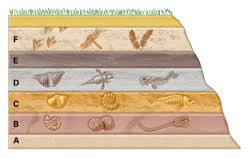
Which rock layer contains the newest fossils?
a)
F
b)
E
c)
B
d)
C
35.
Which type of rock results from melting and cooling of magma?
a)
Igneous
b)
Metamorphic
c)
Sedimentary
d)
Extrusive
36.
Which type of rock forms from extreme heat and pressure?
a)
Igneous
b)
Sedimentary
c)
Organic
d)
Metamorphic
37.
A metamorphic rock changes into an igneous rock by what two processes?
a)
Melting and cooling
b)
Extreme heat and pressure
c)
Compaction and cementation
d)
Weathering and erosion
38.
Wind, water, and ice breaking down rock is called
a)
Erosion
b)
Deposition
c)
Compaction
d)
Weathering
39.
What is the MAIN way rocks are classified?
a)
Their color and shapes
b)
How they form
c)
Mineral bands
d)
Where they form
40.
True/False: Igneous rocks can only turn into metamorphic rocks.
a)
True
b)
False
41.
The process in which dissolved minerals crystallize and glue sediment together.
a)
compaction
b)
deposition
c)
organic rock
d)
cementation
42.

When sediments are pressed together tightly, this is called ____________.
a)
Compaction
b)
Cementation
c)
Weathering
d)
Erosion
43.
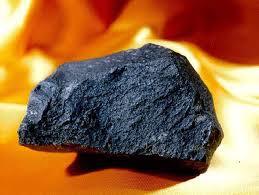
This rock was found near the mouth of a volcano. What type of rock is this?
a)
Sedimentary
b)
Igneous
c)
Metamorphic
44.
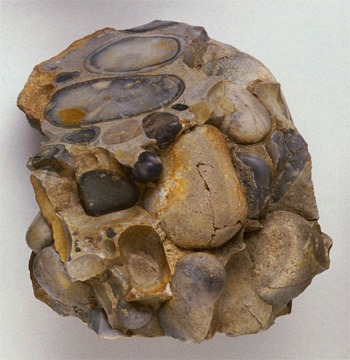
This rock was formed by smaller pieces of rock that settled at the bottom of a lake millions of years ago. What type of rock is this?
a)
Sedimentary
b)
Igneous
c)
Metamorphic
45.
What are the 3 major types of rocks?
a)
Igneous, Metamorphic, Sedimentary
b)
Metamorphic, Igneous, Cementation
c)
Brown, Red, Gray
d)
Streak, Hardness, Breakage
46.

This rock started as lava that cooled and then was heated and put under pressure over time. What type of rock is this?
a)
Sedimentar
b)
Igneous
c)
Metamorphic
47.

This rock started as molten magma. What type of rock is this?
a)
Sedimentary
b)
Igneous
c)
Metamorphic
48.

This rock is made from tiny pieces of other rocks that settled to the bottom of a valley millions of years ago. What type of rock is this?
a)
Sedimentary
b)
Igneous
c)
Metamorphic
49.

This rock was molten magma that slowly cooled under the ground. What type of rock is this?
a)
Sedimentar
b)
Igneous
c)
Metamorphic
50.

This rock cooled on the outside of a volcano and contained air bubbles when it was forming. What type of rock is this?
a)
Sedimentary
b)
Igneous
c)
Metamorphic
51.

After lots of time, pressure, and heat, you get this kind of rock. What type of rock is this?
a)
Sedimentary
b)
Igneous
c)
Metamorphic
52.

Each rock type can follow only one pathway of the rock cycle.
a)
True
b)
False
53.
Fossils are often found in ____________ because it is formed from the remains of once living things.
a)
metamorphic
b)
magma
c)
igneous
d)
sedimentary
54.

This rock was formed by lots of fossils that settled on top of each other over time. What type of rock is this?
a)
Sedimentary
b)
Igneous
c)
Metamorphic
100 %

