wayground logo

Free Printable Worksheets

Font size

S
M
L
XL
Worksheets

Macromolecules Quiz- AP Biology

Total questions: 40

Worksheet time: 2hrs 33mins
Name
Class
Date
1.
What biomolecule do enzymes belong to? 
a)
Carbohydrate
b)
Lipid
c)
Nucleic Acid
d)
Protein
2.
Which biomolecule is a main source of quick energy?
a)
Nucleic Acid
b)
Protein
c)
Lipid
d)
Carbohydrate
3.
Which biomolecule is found in fats, oils, and waxes and is a source of long-term energy
a)
Proteins
b)
Nucleic Acid
c)
Lipids
d)
Carbohydrate
4.
What is the function of a nucleic acid?
a)
Stores genetic information
b)
Stores energy
c)
Quick source of energy
d)
Builds structures
5.
Carbon, Hydrogen, Oxygen and Nitrogen are elements in what biomolecule?
a)
Carbohydrate
b)
Lipid
c)
Protein
d)
Nucleic acid
6.
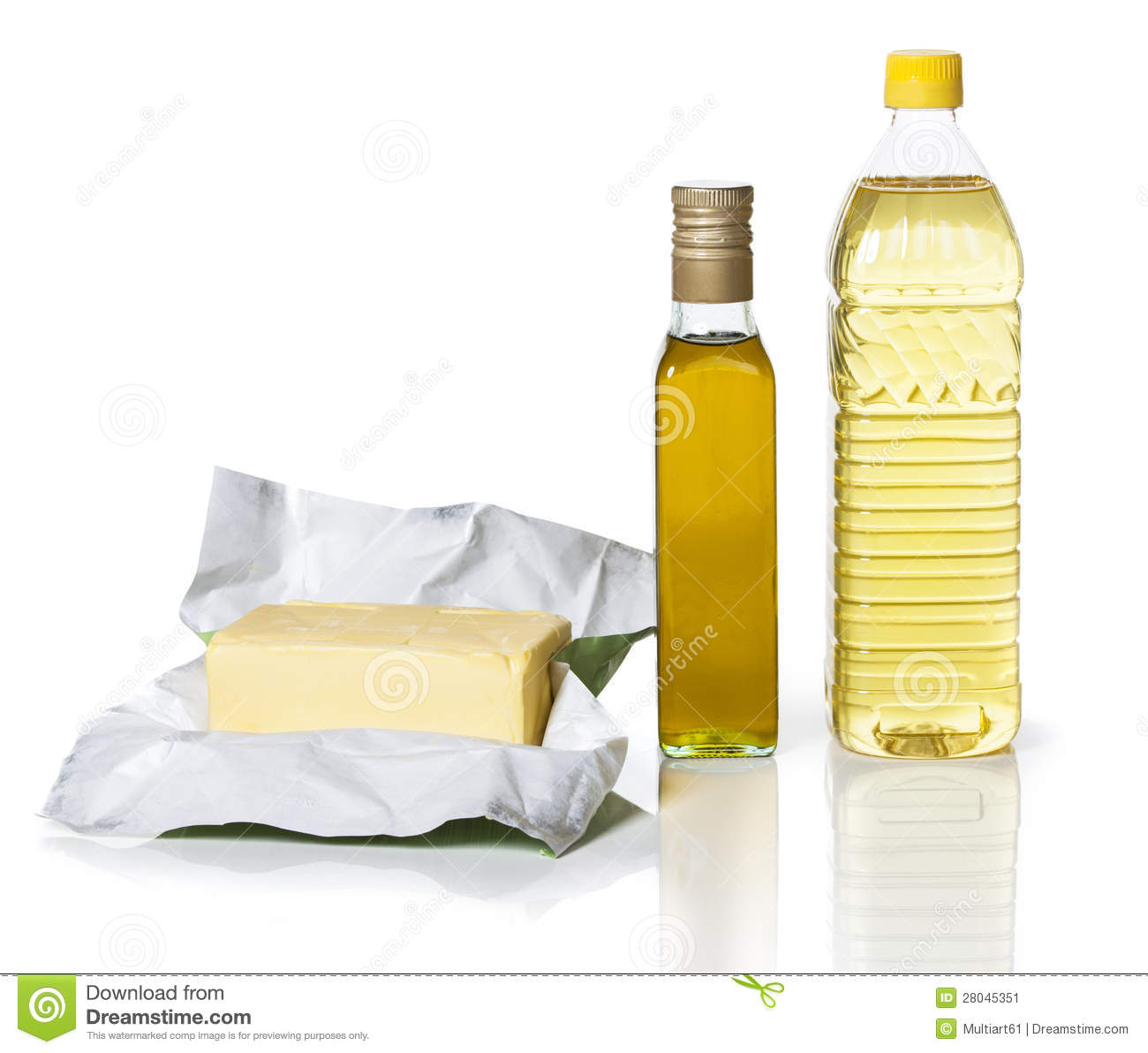
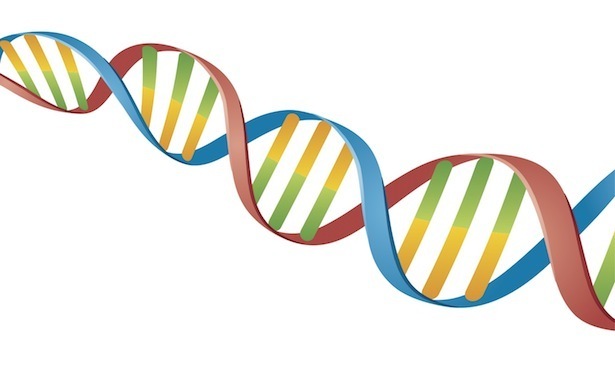
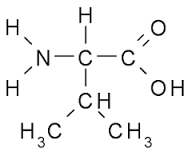
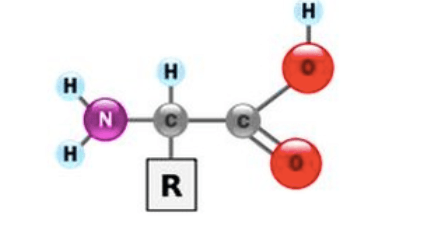
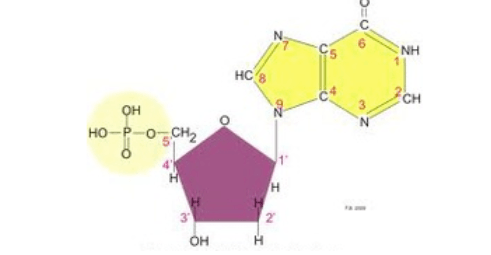
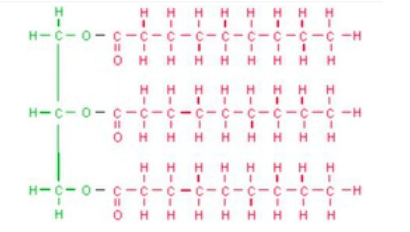
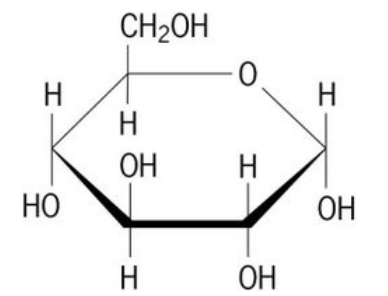
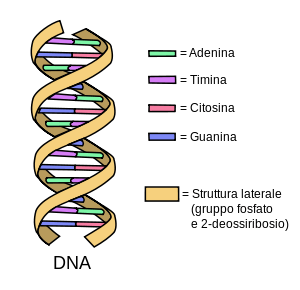
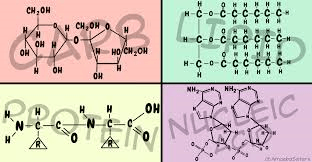
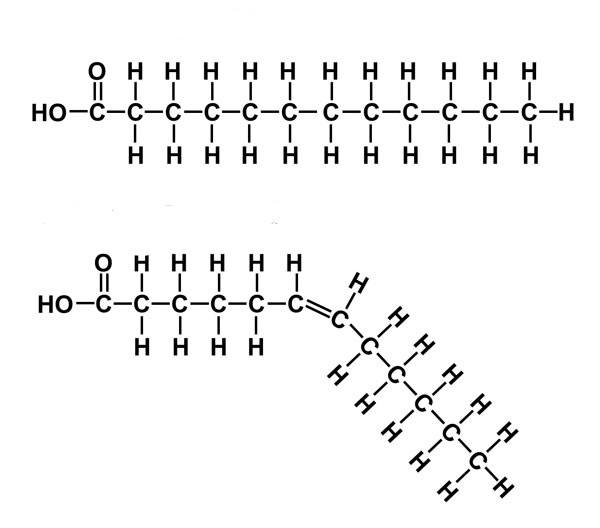
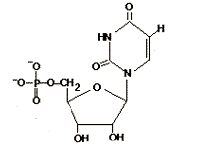
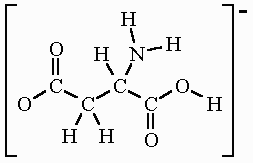
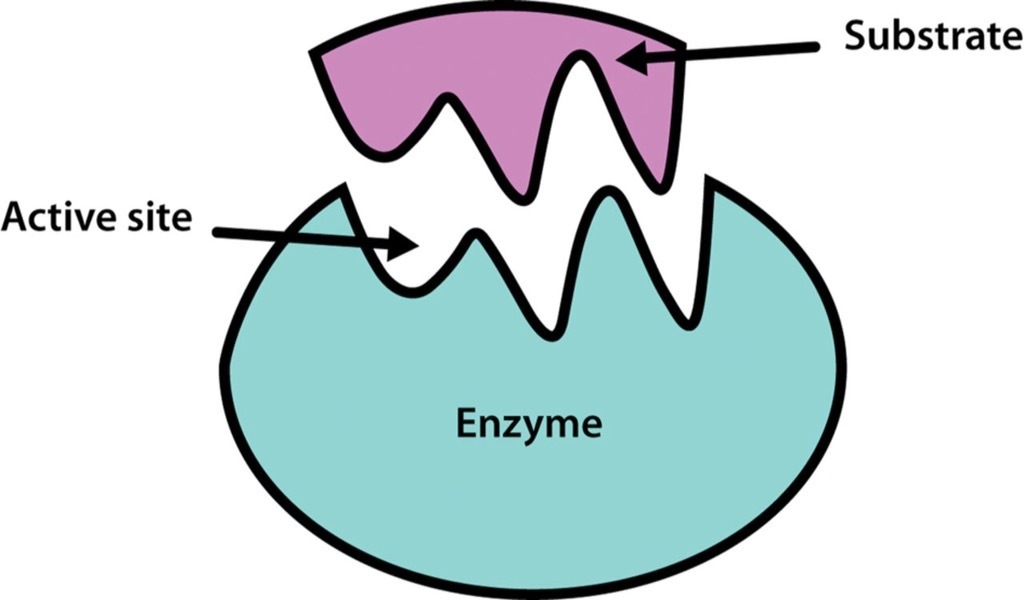
Which biomolecule is this a picture of?
a)
Protein
b)
Nucleic Acid
c)
Lipid
d)
Carbohydrate
7.
Which biomolecule is this a picture of?
a)
Protein
b)
Nucleic Acid
c)
Lipid
d)
Carbohydrate
8.
Which biomolecule is this a picture of?
a)
Protein
b)
Nucleic Acid
c)
Lipid
d)
Carbohydrate
9.
Which biomolecule is this a picture of?
a)
Protein
b)
Nucleic Acid
c)
Lipid
d)
Carbohydrate
10.
Which biomolecule is made of nucleotides and contain you DNA?
a)
Carbohydrate
b)
Lipids
c)
Protein
d)
Nucleic Acid
11.
Which biomolecule is responsible for insulation and energy storage?
a)
Protein
b)
Nucleic Acid
c)
Lipid
d)
Carbohydrate
12.
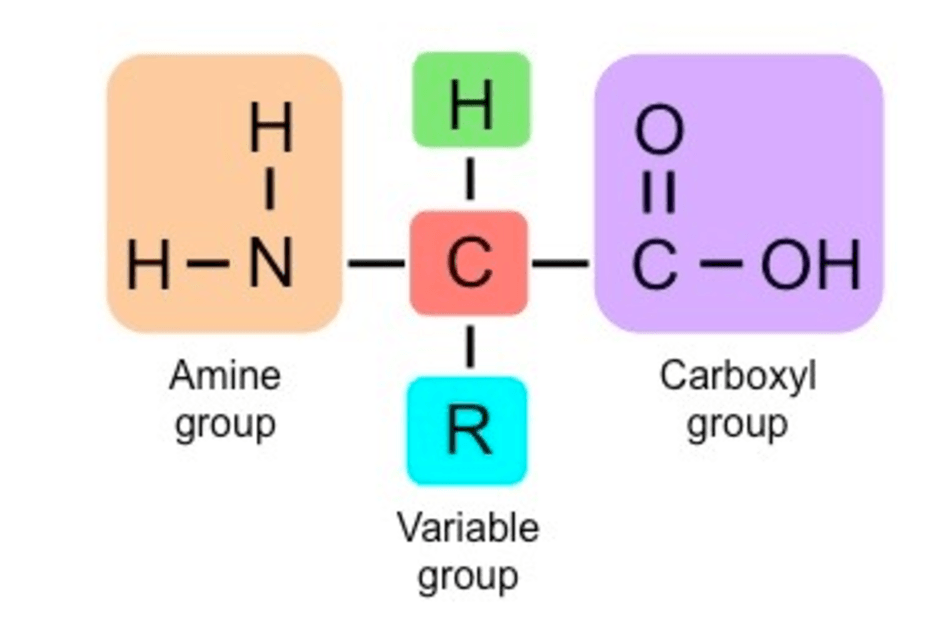
What type of molecule is this?
a)
Nucleic acid
b)
Protein
c)
Carbohydrate
d)
Lipid
13.
What elements are common to all 4 biomolecules?
a)
Carbon, hydrogen, nitrogen
b)
Carbon, Nitrogen, Phosphorus
c)
Carbon, Hydrogen, Oxygen
d)
Carbon, Hydrogen, Phosphorus
14.
A monomer is ...
a)
a single atom
b)
a building block for polymers
c)
a single element
d)
is an inorganic molecule
15.
Enzymes are considered to be 
a)
Lipids
b)
Carbohydrate
c)
Protein
d)
Nucleic Acid
16.
What is the purpose  of an enzyme?
a)
give permission for the reaction
b)
raise activation energy
c)
speed up reactions
d)
control how many reactions occur
17.
What is the monomer of a protein?
a)
amino acid
b)
monosaccharide
c)
fatty acid
d)
nucleic acid
18.
What is the function of a protein?
a)
cell energy
b)
enzymes and body tissue
c)
long term energy storage
d)
contain genetic information
19.
The name of the initial chain of monomers in a protein is called.....
a)
polypeptide
b)
polysaccharide
c)
polyester
d)
polynucleotide
20.
The two types of folding in the secondary structure are.....
a)
alpha-helix & beta-pleated sheets
b)
polypeptide & nucleotide
c)
globular & fibrous
21.
The main bonding in the secondary structure of a protein is due to.....
a)
covalent bonding
b)
ionic bonding
c)
hydrogen bonding
d)
polar bonding
22.
The tertiary structure folding in proteins is primary due to the interactions of....
a)
the 'R' groups
b)
the 'P' groups
c)
the 'A' groups
d)
the 'S'
23.

which of the following terms refers to the order in which amino acids are linked together in a protein.

a)

Primary

b)

Secondary

c)

Tertiary

d)

Quaternary

24.

The chain of amino acids folds and coils on itself

a)

Primary

b)

Secondary

c)

Tertiary

d)

Quaternary

25.

The entire polypeptide forms a three-dimensional structure

a)

Primary

b)

Secondary

c)

Tertiary

d)

Quaternary

26.

Two or more polypeptides attached together and work as one unit

a)

Primary

b)

Secondary

c)

Tertiary

d)

Quaternary

27.
Water-repelling
a)
hydrophobic
b)
myoglobin
c)
coagulation
d)
gluten
28.
How many different amino acids are there?
a)
15
b)
20
c)
25
d)
30
29.

monosaccharides, fatty acid and glycerol, amino acids, and nucleotides are examples of _____________.

a)

Elements

b)

Compounds

c)

Macromolecules

d)

Monomers

30.

What are the monomers that make up carbohydrates?

a)

monosaccharides

b)

glycerols and fatty acids

c)

amino acids

d)

nucleotides

31.

What are the monomers that make up lipids?

a)

monosaccharides

b)

glycerols and fatty acids

c)

amino acids

d)

nucleotides

32.

What are the monomers that make up nucleic acids?

a)

monosaccharides

b)

glycerols and fatty acids

c)

amino acids

d)

nucleotides

33.

Carbohydrates are made of which elements?

a)

Carbon (C)

b)

Hydrogen (H)

c)

Oxygen (O)

d)

Nitrogen (N)

e)

Phosphorus (P)

34.

Lipids are made of which elements?

a)

Carbon (C)

b)

Hydrogen (H)

c)

Oxygen (O)

d)

Nitrogen (N)

e)

Phosphorus (P)

35.

Proteins are made of which elements?

a)

Carbon (C)

b)

Hydrogen (H)

c)

Oxygen (O)

d)

Nitrogen (N)

e)

Phosphorus (P)

36.

Nucleic Acids are made of which elements?

a)

Carbon (C)

b)

Hydrogen (H)

c)

Oxygen (O)

d)

Nitrogen (N)

e)

Phosphorus (P)

37.

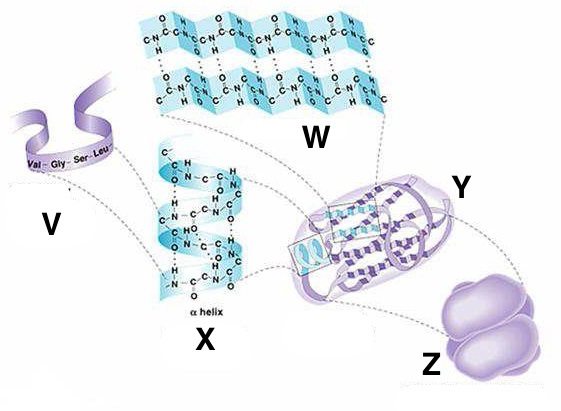
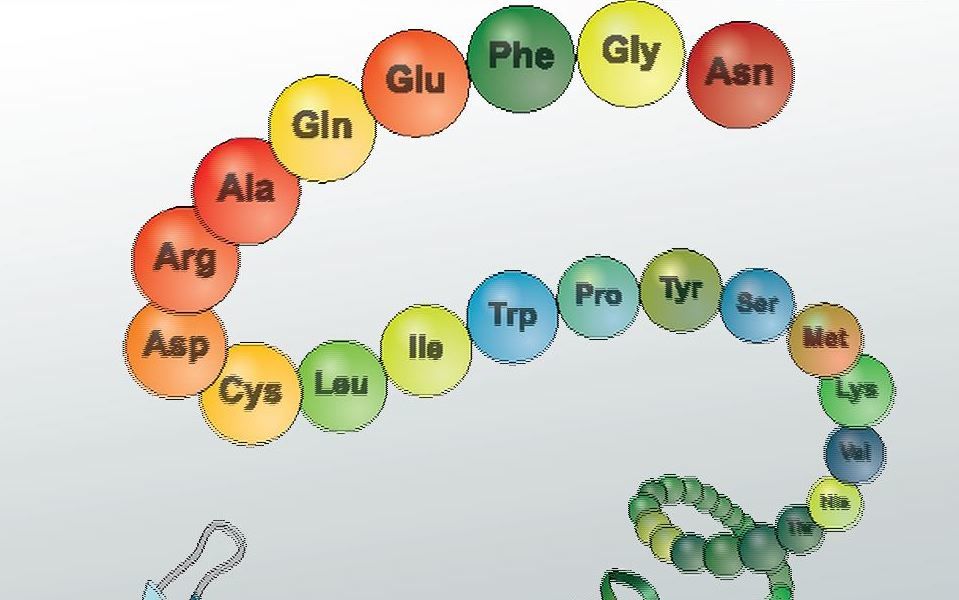
What macromolecule is shown above?

a)

Carbohydrate

b)

Lipid

c)

Protein

d)

Nucleic Acid

38.

What macromolecule is shown above?

a)

Carbohydrate

b)

Lipid

c)

Protein

d)

Nucleic Acid

39.

What macromolecule is shown above?

a)

Carbohydrate

b)

Lipid

c)

Protein

d)

Nucleic Acid

40.

What macromolecule is shown above?

a)

Carbohydrate

b)

Lipid

c)

Protein

d)

Nucleic Acid