
 Worksheets
Geography of the Americas and Early Americans
Total questions: 42
Worksheet time: 1hrs 24mins
The geography and climate of the region had a huge influence on the culture of the Native Americans that inhabited that region.
True
False
How were the earliest Americans able to cross the Bering Strait, today a body of water?
They walked on the frozen water.
They walked on dry land that had been uncovered due to the water forming glaciers during the last Ice Age
They sailed in a boat.
They walked on the ice.
What two continents were connected by the land bridge? PICK TWO!
Asia
North America
Africa
Spain
Australia
Which of the following sentences reflects RELATIVE LOCATION?
The USS Constitution is made of wood.
The island of St. Lucia is located in the Caribbean Sea northwest of Barbados.
Tortuga and Port Royal are both islands.
Boston, Massachusetts is located at 43 degrees north and 71 degrees west
Regions are ...
Areas of the world, usually large, that have common physical, human or cultural characteristics.
An absolute location on Earth.
The physical and human characteristics of a place.
A place is...
The physical and human characteristics of a location, usually smaller in size
The way people, goods and ideas travel from place to place.
Areas of the world that have common physical, human or cultural characteristics.
An example of an exact location would be.........
37.02 degrees N, 93.20 degrees W
United States of America
The South
An example of relative location would be............
37.02 degrees N, 96.2 degrees W
10 miles south of Springfield on HWY 65
Paris, France
Which theme of geography? The Inca farmed in mountainous areas by cutting steps into the steep mountainsides.
human-environment interaction
movement
location
region


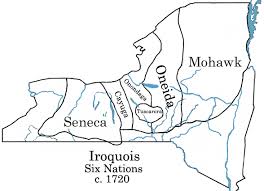
Which is an example of how the Iroquois used their environment for their survival
using mud bricks to build pueblos
using ice to build igloos
using trees to build longhouses
using palm leaves to build roofs
The term confederacy means...
a form of government where one person or group has all the power
a form of government where there is a king or queen
a form of government that contains city-states
a form of government where many parts are joined together or unified
The primary reason the Iroquois formed a confederacy was to
improve trade
hunt more efficiently
promote peace
improve travel
Where would you most likely find artifacts of ancient Iroquois civilzation?
California
Minnesota
New York
Washington
Choosing leaders by voting is an example of
representative democracy
federalism
checks and balances
habeus corpus
A photograph is classified as a primary source because it
can be found on the Internet
can be found in a library collection
is an actual recording of a historical event
is easy to tell what is going on in the picture
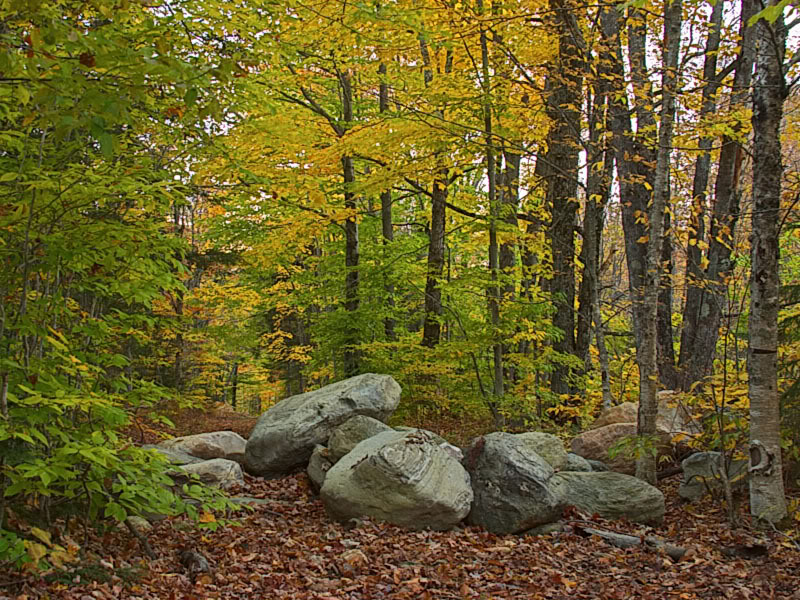
Where did the Iroquois live, and what type of houses did they live in?
Great Plains, Longhouses
Eastern Woodlands, Teepees
Eastern Woodlands, Longhouses
Pacific Coast, Teepees

A source created about an event or time-period by someone who was there
Primary
Secondary
Something made about an event or time period by someone who was not there
Primary
Secondary
An article about the Civil War written during the Civil War
Primary
Secondary
A report about the life of Abraham Lincoln written by a 5th grade student
Primary
Secondary
An audio recording of an immigrant talking about their experience of Ellis Island.
What is the audio recording in this sentence?
Primary
Secondary
Which answer below is a Secondary Source?
Autobiography
Photograph
Diary
Textbook
A Native American's journal that describes what it was like to meet white settlers for the first time
Primary
Secondary
I go to a play about Christopher Columbus discovering America. What is the play?
Primary
Secondary

Forest fires sometimes begin through natural events. Very little rainfall and dry forests are ideal situations for fires to start. All it takes is a lightening strike, sparking a fire that can destroy the entire forest. Often, forest fires are so large that firefighters can't stop them, and these fires sometimes threaten homes and businesses. Then, people are forced to flee the fire and hope that their property isn't destroyed.
Based on this passage, what is the initial cause of some forest fires?
a lightening strike
little rainfall
campfires
dry forests

Suri and Dawson are rock climbing. Suri decides to attempt a new skill she has learned. At first, she is successful, but then she loses her grip and falls. Suddenly, the safety ropes catch her, but she smashes her hand on the rock.
What is the effect of Suri's fall?
Suri decides to try a new skill.
Suri smashes her hand.
At first, she is successful.
Suri is rock climbing.
Which of the following is a fact?
There were 13 original English colonies
George Washington was the best president
I'm the smartest student in this class
Social Studies is the most difficult course in 7th grade

