
Font size
 Worksheets
Canadian Federal Government Review
Total questions: 45
Worksheet time: 8hrs 30mins
The document which outlines the way a country will be governed is called the:
Magna Carta
Order Paper.
Charter of rights
Constitution.
Canada is a _____________ country
Communist
Fascist
Democratic
Who is the symbolic head of government for Canada?
The King
Governor-General
Prime Minister
Members of Parliament
What are the three levels of government called in Canada?
Municipal, Provincial, Federal
Executive, Legislative, Judicial
Student, Teacher, Principal
Cities, Provinces, Country
Who is the Governor-General in Canada's government?
Official who represents the prime minister in Canada's government
Official who represents the president of America in Canada
Official who represents the Queen in Canada
The Prime Minister is part of of this level.
Provincial government
Federal government
Municipal government
In Canada, the Prime Minister is elected by
Being the leader of the party with the most votes
Appointed by the Queen of England
Members of Parliament select the Prime Minister
The President of America chooses
What does the executive branch do?
elect the Prime Minister
make the laws
enforces the laws
count the votes
The head of Alberta's government is the ____________________.
Prime Minister
Premier
Mayor
MPP
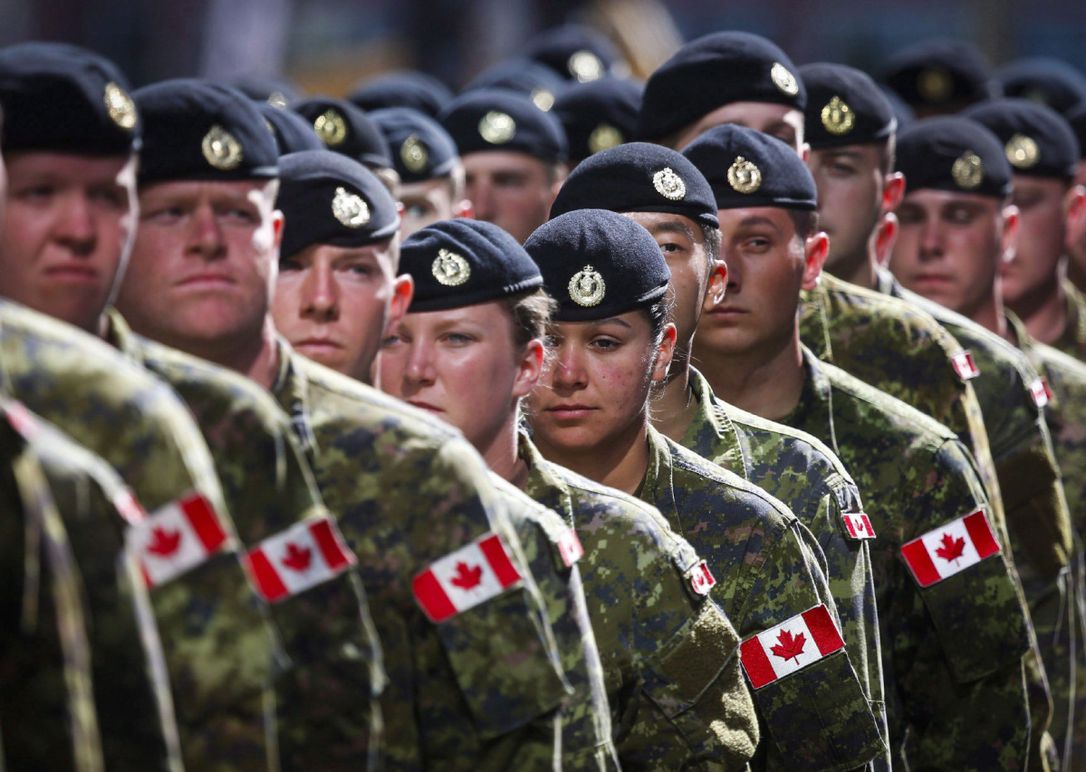
This level of government oversees the military.
Federal
Provincial
Municipal
Trade is a responsibility of the...
Federal government
Provincial government
Municipal government
Canada's parliament is made up of three houses.
True
False
The people who lead the government agencies and advise the prime minister are called the Prime Minister's cabinet.
True
False
To be Prime Minister in Canada you must be
a citizen for 7 years, minimum of 35 years old, voted in by popular majority in a federal election
a citizen for 9 years, minimum of 25 years old, voted in by popular majority in a federal election.
a natural born citizen, voted in by popular majority in a federal election
All least 18 years, hold a seat in the House of Commons, and be the selected leader of your party.
The Cabinet is part of the executive branch of the federal government.
True
False
The prime minister and the cabinet ministers make up the judicial branch.
True
False
Where do the majority of Canadians live?
near the western border with Alaska
near the northern border along the Arctic Ocean
In eastern Canada, near the southern border with the U.S.
near the eastern border along the Atlantic Ocean
One of the main jobs of the members of Parliament is to pass laws.
True
False
True or False: The number of senators is the same for all Provinces?
True
False
The main goal of the system of checks and balances is to make sure that no person or group has all the power in the government.
True
False
How many Supreme Court Justices sit on the Supreme Court of Canada?
7
9
5
12
The Supreme Court is part of the legislative branch of the federal government.
True
False
The _________________________ Branch of our government enforces our laws.
Legislative
Democratic
Executive
House of Representatives
A Member of Parliament or MP is:
an appointed official that represents a specific region of Canada in the Senate
An elected individual that represents the constituents of a defined riding in The House of Commons.
one of 238 elected officials that represent the different regions through out Canada
are members of the Prime Ministers inner circle that handle the day to day operations of the Government.
An electoral district represented by a MP is called a:
Candidate
citizenry
constituency
constitution.
Currently there are how many seats in the House of Commons?
308
343
318
454
When the party in power has fewer than 50% of the seats, but more than other parties they are a:
Minority Government
Majority Government
Coalition Government
The leader of a political party is normally chosen by
the cabinet
members of their party
the caucus.
the people of Canada.
The "chamber of sober second thought” of parliament is a term used to describe the responsibilities of the:
Senate
Opposition
House of Commons
Speaker of the House
In the Canadian parliamentary system the Official opposition is:
a group of ministers in charge of government departments
a group of people which always support the majority in Parliament.
the only party that is allowed to criticize the government.
the political party with the second largest number of elected members.
Which of the following is does not describe the functions of the cabinet?
work on committees.
appointed by the party leader to help run day to day operations of government
determine government policy.
interpret the laws created in the legislative branch
The legislative branch of government:
makes new laws.
signs the bills into law
interprets the law.
puts laws Into effect.
The executive branch of government:
makes new bills.
signs the bills into law
interprets the law.
puts laws Into effect.
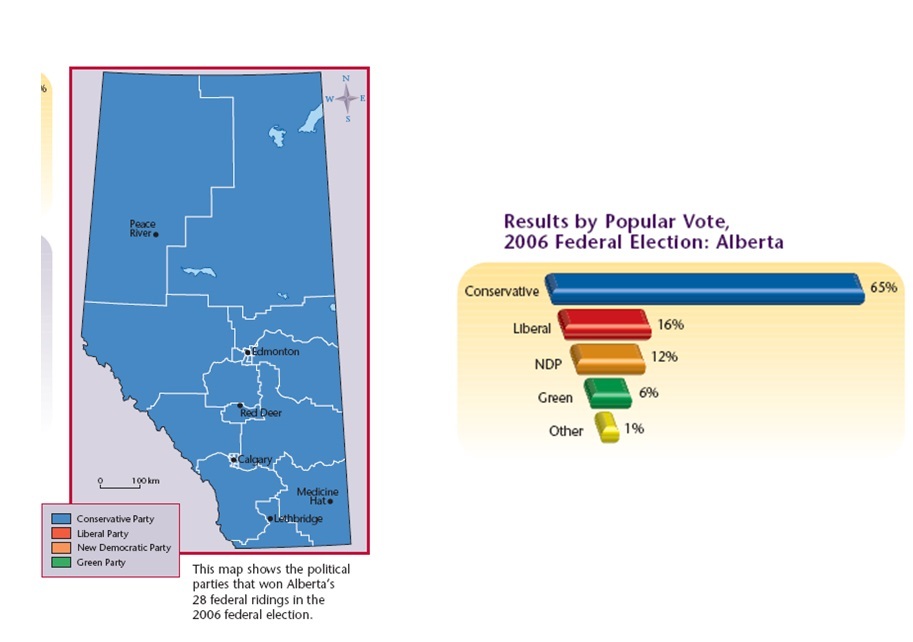
After looking at the image which of the following statements is inaccurate
Alberta sent 28 Conservative MP'S to the House of Commons
Approximately 35% of the voters did not vote for Conservatives
Approximately 16% of the Members of Parliament in Alberta are Liberal
Citizens will vote and elect one MP for their riding
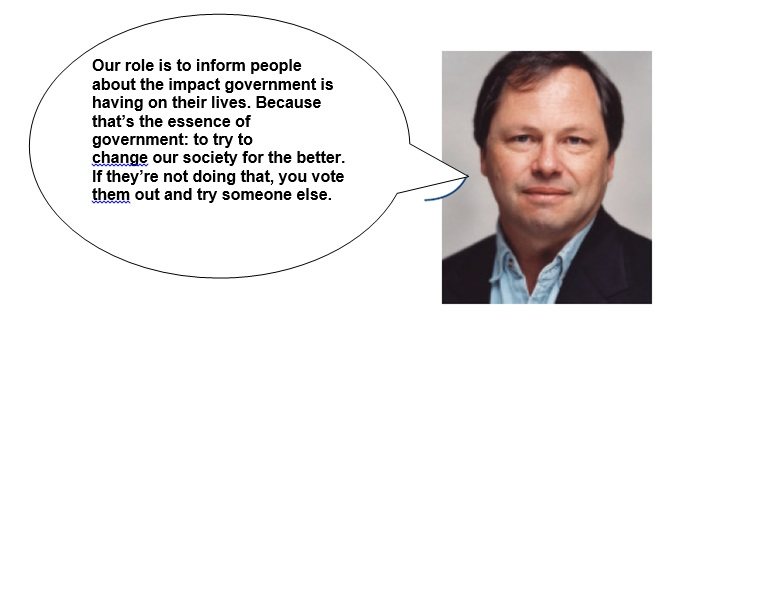
The man speaking above is talking about the role of the:
Government
Prime Minister
Media
Cabinet
Which official is the last to sign a bill before it actually becomes law?
Prime Minister
Governor-General
Leader of the Opposition
Speaker of the House of Commons
Proposed legislation under consideration by the legislature is a?
Law
Bill
Amendment
Tax bills must be raised in which House of Congress
House of Representatives
Senate
A small group of Senators and/or MP's who review bills and evaluate the impact the new law will have on citizens
Community
Review Panel
Committee Stage
How old must you be to be in the House of Commons as an MP and the Senate as a senator?
18 (House of Commons) 30 (Senate)
20 (House Of Commons) 30 (Senate)
25 (House of Commons) 30 (Senate)
35 (House of Commons) 45 (Senate)
What comes first in the lawmaking process?
debating the bill on the floor
working in committees
introducing a bill in either house
sending the bill to the Prime Minister to sign or veto

