NEW
Font size
 Worksheets
Types of Heat Transfer
Total questions: 30
Worksheet time: 26mins
How does heat move?
from a warmer to a cooler object
from a cooler to a warmer object
toward a hot object
away from a cold object
How is energy from the Sun transferred?
by radiation
by conduction
by convection
by the force of gravity
__________ is the transfer of heat by the movement of a fluid.
Conduction
Convection
Radiation
When you heat up an object, the particles in the object move _________.
faster
the same speed
slower
Cold water has ______________ density than warm water.
less
more
the same
When you touch hot sand, heat is transferred by _________ to your skin.
conduction
convection
radiation
_____________, convection, and conduction are the three types of heat transfer.
Conveyance
Radiation
Translocation

The Sun's heat reaches the Earth through the vacuum of space.
Radiation
Conduction
Convection
none of these

A toaster oven heats the air inside, creating cycles of hot air that warm food.
Radiation
Conduction
Convection
none of these

You touch a warm light bulb and it burns you.
Radiation
Conduction
Convection
none of these

Two fluids, one warm and one cold, mix. The warm fluid rises and the cool fluid sinks
Radiation
Conduction
Convection
none of these

A material that stops the transfer of heat is called a(n)
insulator
conductor
radiometer
transfer

A material that allows heat transfer by the heat passing through it is called a(n)
insulator
radiometer
transport
conductor
Materials made of liquids or gases that can easily change their location.
fuel
conductors
fluids
insulators

The kind of heat transfer that travels through space in electromagnetic waves is called
convection
conduction
radiation
insulation

The type of heat transfer that occurs in fluids such as warm air rising and cold air sinking.
convection
conduction
radiation
insulation
Which is most responsible for the uneven heating of the air in the atmosphere?
radiation
convection
conduction
condensation
People sitting around a campfire are able to feel the heat from the fire. How are the people able to feel the heat from the fire without touching the fire?
The heat from the fire travels through the ground and heats the ground around the people.
The heat from the fire is conducted through air molecules to the people.
The heat from the fire rises in the air and then settles around the people.
The heat from the fire radiates from the fire to the people.
Bill stands in a swimming pool and notices that the water around his feet is a lot cooler than the water near the surface. Which process causes this difference in temperature?
convection
evaportaion
radiation
conduction


What is true of two objects when heat is passed between them?
They are both hot.
They are both large.
They are at different temperatures.
They have a lot of energy.

If the temperature of each object is the same, which has the most thermal energy?
a small pan of water
a large bowl of water
a bathtub full of water
a small cup of water
Which situation best represents convection?
heat from a campfire
a hot air balloon taking off
touching a hot piece of metal
getting sunburned

The circular movement of heated liquids or gases due to density differences is called a(an)____.
infrared wave
convection current
conductor
insulator

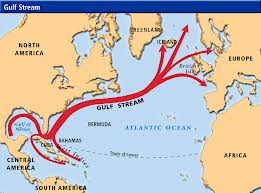
How do currents transfer heat in the ocean?
by radiation
by convection
by conduction
by evaporation