wayground logo

Free Printable Worksheets

Font size

S
M
L
XL
Worksheets

Mod J, Unit 1, Lesson 2 Review

Total questions: 39

Worksheet time: 1hrs 18mins

Name
Class
Date
1.
all matter is made of what 
a)
energy 
b)
atoms 
c)
electrons 
d)
compounds 
2.
The smallest part of an element is known as the 
a)
Periodic Table
b)
Atom
c)
Group
d)
Period
3.
an atom with atomic number 6 would have how many protons 
a)
6
b)
12
c)
3
d)
cannot be determined 
4.

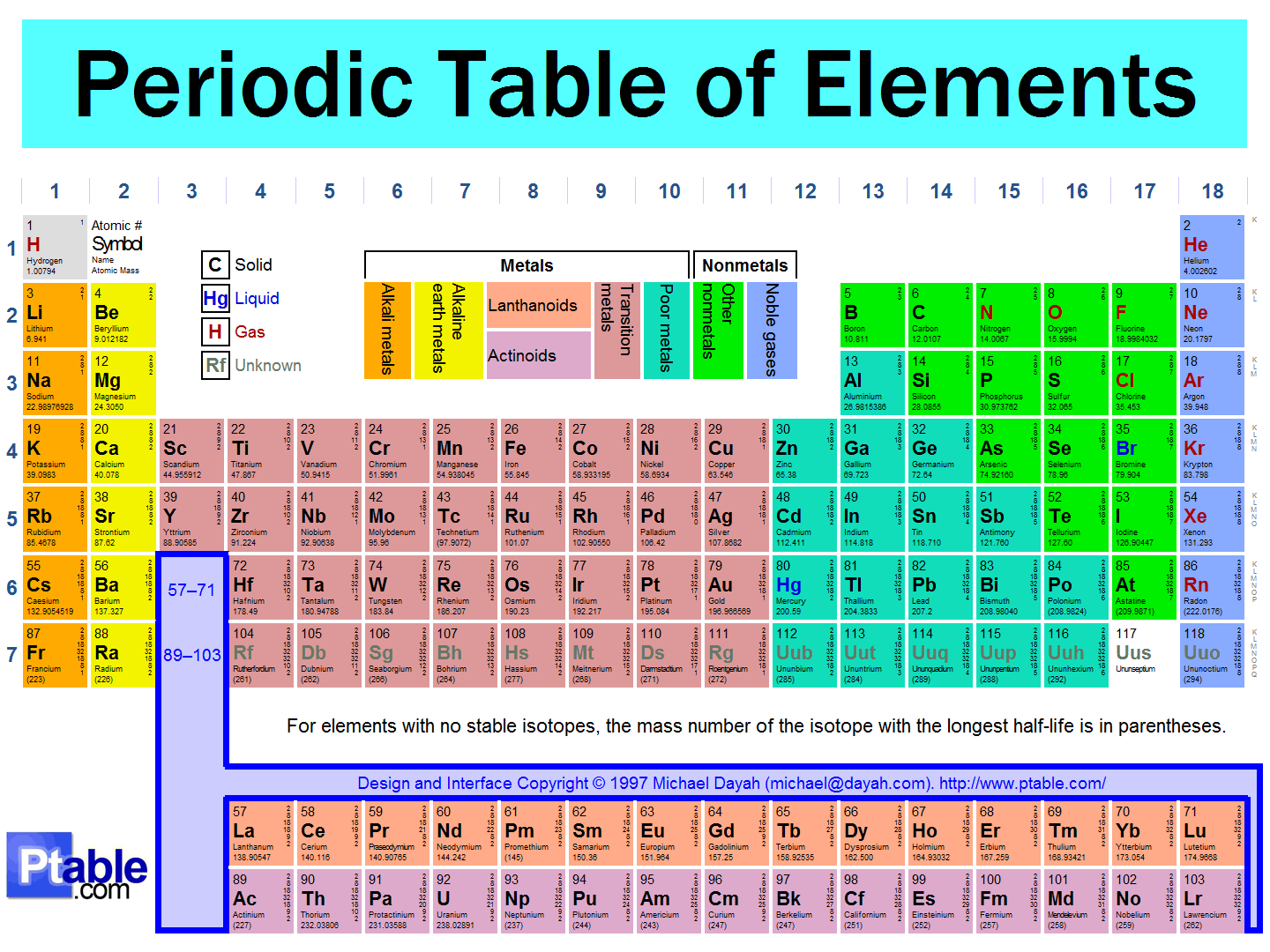
What does the 1.00794 stand for?

a)

mass number

b)

atomic number

c)

average atomic mass

d)

number of protons

5.
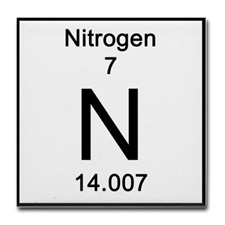
What is the number of protons that the element in this image contain?
a)
14
b)
7
c)
15
d)
18
6.

Where is the element's atomic NUMBER located?

a)

the top

b)

the bottom

c)

the top + the bottom

d)

the number of protons + the number of neutrons

7.

Where is the element's atomic MASS located?

a)

at the top

b)

at the bottom

c)

the top number + the bottom number

d)

the number of protons + the number of neutrons

8.
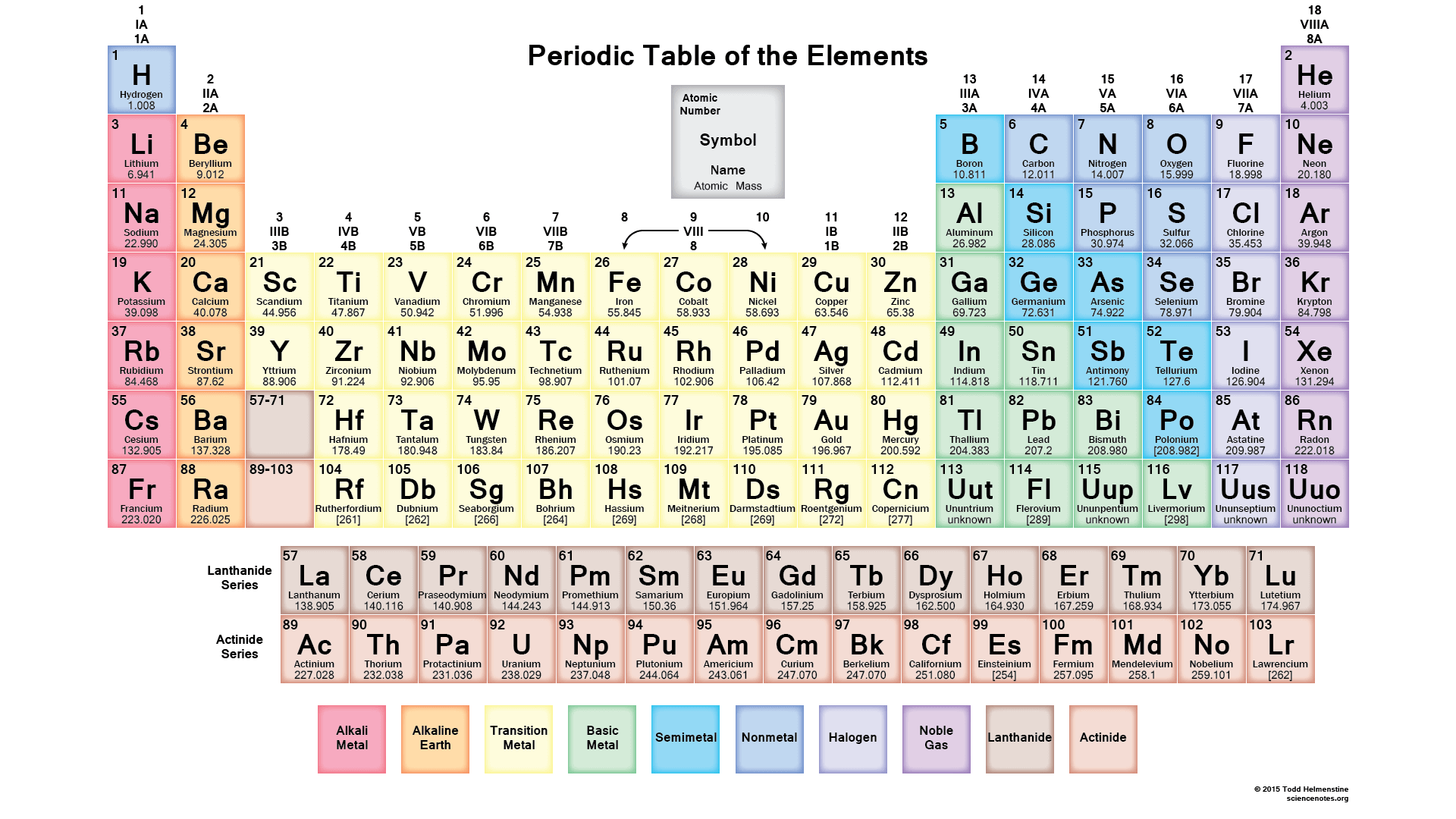
What is the atomic mass of "F"
a)
9
b)
18
c)
17
d)
19
9.

The vertical (up and down) columns in the Periodic Table are called

a)

groups

b)

towers

c)

periods

d)

atomic numbers

10.
The Modern Periodic Table of Elements is arranged by
a)
atomic mass
b)
atomic number
c)
valence electrons
d)
number of isotopes
11.
Sodium (Na) is found in period 
a)
3
b)
2
c)
4
d)
1
12.
Sodium (Na) is found in group 
a)
1
b)
2
c)
3
d)
4
13.
The atomic number tells you what?  READ THE ANSWERS CAREFULLY
a)
only the number of electrons
b)
 only the number of protons
c)
only the number of neutrons
d)
the number of both electrons and protons in an atom.
14.
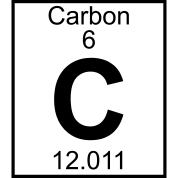
What does the 6 represent?
a)
atomic mass
b)
atomic number
c)
element name
d)
chemical symbol 
15.
What does 12.011 represent?
a)
atomic mass
b)
atomic number
c)
element name
d)
chemical symbol 
16.
What does the C represent?
a)
atomic mass
b)
atomic number
c)
element name
d)
chemical symbol 
17.
These are found on the Periodic Table.
a)
Compounds
b)
Elements
c)
Mixtures
18.

The horizontal (side to side) rows in the Periodic Table are called

a)

groups

b)

families

c)

periods

d)

atomic numbers

19.

Which pair of elements is most likely to have similar properties?

a)

tungsten and osmium

b)

osmium and hassium

c)

seaborgium and rhenium

d)

bohrium and tungsten

20.

Which properties do atoms of the same element share? Select all that apply.

a)

atomic number

b)

chemical reactivity

c)

melting point

21.

Imagine that you have a sample of a substance. You cannot physically separate that substance into components. You also cannot chemically separate that substance into components. Which of the following are true about your sample? Choose all that apply.

a)

The sample is made up of one type of atom.

b)

The sample is made up of multiple elements.

c)

The sample is made up of a single element.

d)

The sample is made up of several types of atoms.

22.
A pure substance CAN'T BE separated physically. 
a)
True
b)
False
23.
Which of the following is a pure substance? 
a)
Water
b)
Salad
c)
Chocolate milk
d)
All of them 
24.

___________ are the smallest unit of an element that maintains the properties of that element.

a)

Atoms

b)

Elements

c)

Compounds

d)

Mixtures

25.

An _______________ is made up of one or more of the same kind of atom chemically combined.

a)

atom

b)

element

c)

molecule

d)

compound

26.

True or False: elements AND compounds are pure substances.

a)

True

b)

False

27.

Each element has a place in an arrangement called the ____________________________________.

a)

Elements Table

b)

Elementary Table

c)

Kitchen Table

d)

Periodic Table of the Elements

28.
True or False:  The density of a specific type of material never changes.  
a)
True
b)
False
29.
Frank has a paper clip. It has a mass of 9g and a volume of 3cm3. What is its density?
a)
3 g/cm3
b)
1/3 g/cm3
c)
27 g/cm3
d)
39 g/cm3
30.
Frank has an eraser. It has a mass of 4g, and a volume of 2cm3. What is its density?
a)
8 g/cm3
b)
2 g/cm3
c)
1/2 g/cm3
d)
24 g/cm3
31.
A student knows the mass of an object. What other variable does the student need to know to calculate the object's density?
a)
Color
b)
Weight
c)
Volume
d)
Length
32.
Which would be the most useful for identifying an unknown liquid?
a)
Weight
b)
volume
c)
mass
d)
density
33.
True or False:  The density of a specific type of material never changes.  
a)
True
b)
False
34.
What two types of measurements make up DENSITY
a)
Mass and Volume
b)
Temperature and Mass
c)
Grams and Centimeters
d)
Volume and Weight
35.
What units can be used to express density?
a)
g/mL
b)
grams
c)
millimeters
d)
milliliters
36.
What units are used to measure mass?
a)
g
b)
cm3
c)
g/cm3
d)
cm3/g
37.

What is an element?

a)

a substance that cannot be separated or broken down into simpler substances by chemical or physical means.

b)

an arrangement of all the known elements in order of their atomic number

c)

a material that cannot be physically separated into its parts.

d)

a measure of the amount of matter in an object

38.

What is a pure substance?

a)

a substance that cannot be separated or broken down into simpler substances by chemical or physical means.

b)

an arrangement of all the known elements in order of their atomic number

c)

a material that cannot be physically separated into its parts.

d)

a measure of the amount of matter in an object

39.

What is the periodic table?

a)

a substance that cannot be separated or broken down into simpler substances by chemical or physical means.

b)

an arrangement of all the known elements in order of their atomic number

c)

a material that cannot be physically separated into its parts.

d)

a measure of the amount of matter in an object