
 Worksheets
Intro to 2D CQA 1
Total questions: 23
Worksheet time: 12mins
A way of showing gradual changes in lightness and darkness in a drawing or painting
Shading
Tint
Shade
Hatching

A shading technique that changes the value of a color little by little smoothly_________
Blending
Hatching
Cross Hatching
Stippling

The shading technique that is used here is called
Stippling
Dotting
Hatching
Gradient dots

This image is an example of ___________________
Hatching
Stippling
Blending
Cross Hatching

This shading technique is an example of
Cross Hatching
Cross Pollination
Hatching
Scumbling
The use of the techniques of perspective and overlapping to show deep space on a 2D surface
Depth
Zoom
Horizontal perception
One point perception
The plan, placement, or arrangement of the elements of art in an artwork
Composition
Map
Balanced design
Positive space

An inexpensive, low-tech way to reproduce and/or enlarge an image that you want to paint or draw. This involves drawing a grid over your reference photo, and then drawing a grid of equal ratio on your work surface.
Grid system (method)
Graph method
Geometric system (method)
Organic method

This is an example of a ____________painting
Monochromatic
Monolithic
Perspective
Monoscape
A color that cannot be mixed from other colors. These include Red, Blue, and Yellow.
Primary colors
Secondary colors
Intermediate colors
Complementary colors
A color made by mixing two primary colors together. These include Orange, Green, and Violet
Secondary colors
Intermediate colors
Tertiary colors
Analogous colors
A color that is a mixture of a primary and a secondary color. These include Red Violet, Blue Violet, Blue Green, Yellow Green, Yellow Orange, Red Orange
Intermediate colors
Complementary colors
Analogous colors
Interstate colors
Drawing and painting process where the artist roughly establishes the composition and structure of the subject. It’s a popular technique with portrait artists.
Rough draft
Blocking in
Blocking out
Creating depth
A plan for organizing colors according to artistic and design concepts
Color scheme
Designer plan
Color enhancement
Color connection
initial layer of paint applied to a ground, which serves as a base for subsequent layers of paint. This is often monochromatic and help to define color values for later painting
Undercover
Depth
Layering
Underpainting

Colors that consist of reds, oranges, and yellows
Cool colors
Warm colors
Analogous colors
Complementary colors

Colors that consist of Blues, Greens, and Violets.
Secondary colors
Warm colors
Intermediate colors
Cool colors
The process of adding color on top of other colors to give the sense of depth and value
Layering
Underpainting
Stacking
Complementary
The quality of letting light pass through
Transparent
Opaque
Transitional
Clear
The quality of not letting light pass through
Alpaca
Solid
Opaque
Transparent
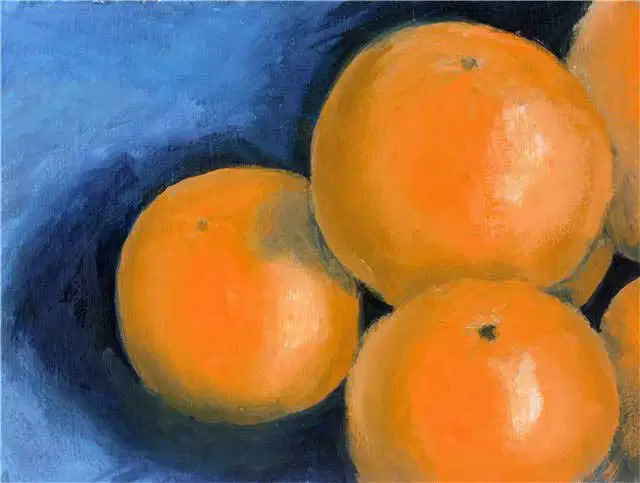
Colors that contrast each other and are opposite each other on the color wheel
Primary colors
Secondary colors
Analogous colors
Complementary colors
A light value of a color that is created by mixing it with White
Analogous
Tint
Shade
Transparent
A dark value of a color that is created by mixing it with black
Shade
Tint
Primary
Opaque

