wayground logo

Free Printable Worksheets

Font size

S
M
L
XL
Worksheets

WC midterm review

Total questions: 183

Worksheet time: 2hrs 25mins

Name
Class
Date
1.
Which Frankish king was crowned Holy Roman Emperor by the Pope, uniting their powers?
a)
Charlemagne
b)
King John
c)
King Henry
d)
St. Cyril
2.

How much of Europe's population was killed by the Black Death?

a)

1/4

b)

1/2

c)

1/3

d)

1/5

3.
What is the actual name for the Black Plague
a)
Rodent Plague
b)
Black Misery 
c)
My life is over Plague
d)
Bubonic Plague
4.
How did the plague impact Europe?
a)
People started to question the church
b)
1/3 of the population died
c)
It contributed to the decline of feudalism
d)
All are correct
5.
Which institution held the most power during the Medieval Times?
a)
The King
b)
The Emperor
c)
The Serfs
d)
The Church
6.
What was the primary religion of Europeans when the plague struck?
a)
Roman Catholic
b)
Protestant
c)
Jewish
d)
both a & b
7.
Who invented the printing press?
a)
Alexander Graham Bell
b)
Johann Gutenberg
c)
Thomas Farnsworth
d)
Guglielmo Marconi
8.

In what year was the printing press invented?

a)

1400

b)

1450

c)

1640

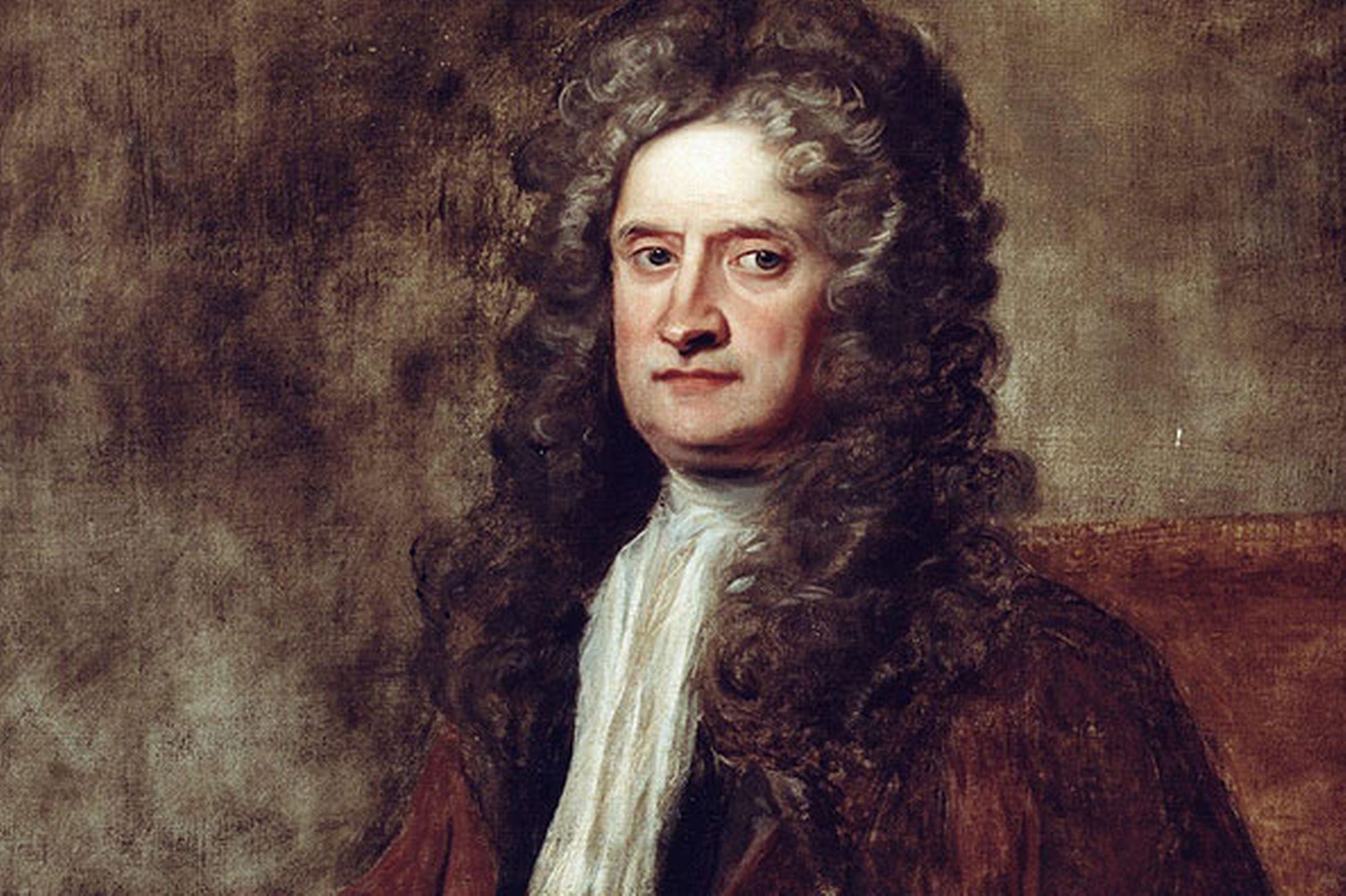
d)

1880

9.
Which of the following was the first printed/published book?
a)
Encyclopedia Britannica
b)
The Bible
c)
Webster's Dictionary
d)
The Epic of Gildamesh
10.
Which of the following was the MOST profound effect of the printing press?
a)
Books became cheaper
b)
News spread
c)
Increased Literacy Rates
d)
Books could be produced in mass
11.

During the Renaissance, a new intellectual movement known as humanism evolved. What was the significance of the humanist movement?

a)

Humanists felt formal education was impractical and unnecessary; therefore, many schools were closed.

b)

Humanists spread the teachings of Eastern philosophers such as Confucius throughout Europe.

c)

Humanists were very interested in religious studies and sought to increase the influence of the Church.

d)

Humanists were inspired by classical texts and emphasized the dignity and worth of the individual.

12.

Which of these men of the Renaissance was known equally for his art as well as inventions?

a)

Rueben

b)

Leonardo da Vinci

c)

Michelangelo

d)

Aristotle

13.

What sculpture is this?

a)

David by Donatello

b)

Danny by Raphael

c)

David by Leonardo

d)

David by Michelangelo

14.

Where do historians feel the Renaissance began in Italy?

a)

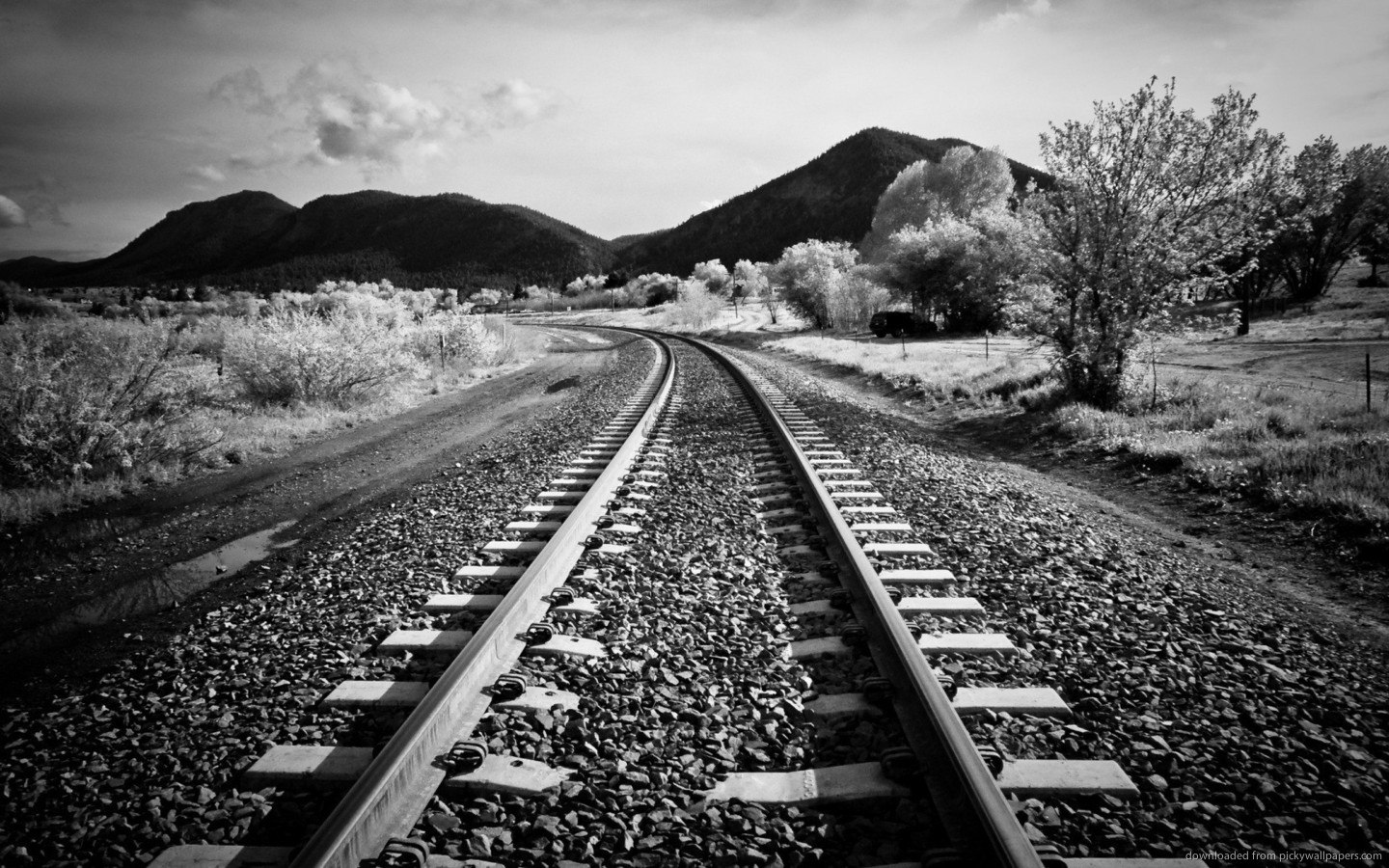
Twin Valley Middle School

b)

Venice

c)

Florence

d)

The Globe Theater

15.

Philosophers and painters of the Renaissance and wanted to return to the times of ...

a)

Perspective

b)

Greece and Rome

c)

The Middle Ages

d)

about 3 weeks ago

16.

Which was a key intellectual movement or philosophy of the Renaissance?

a)

Humanism

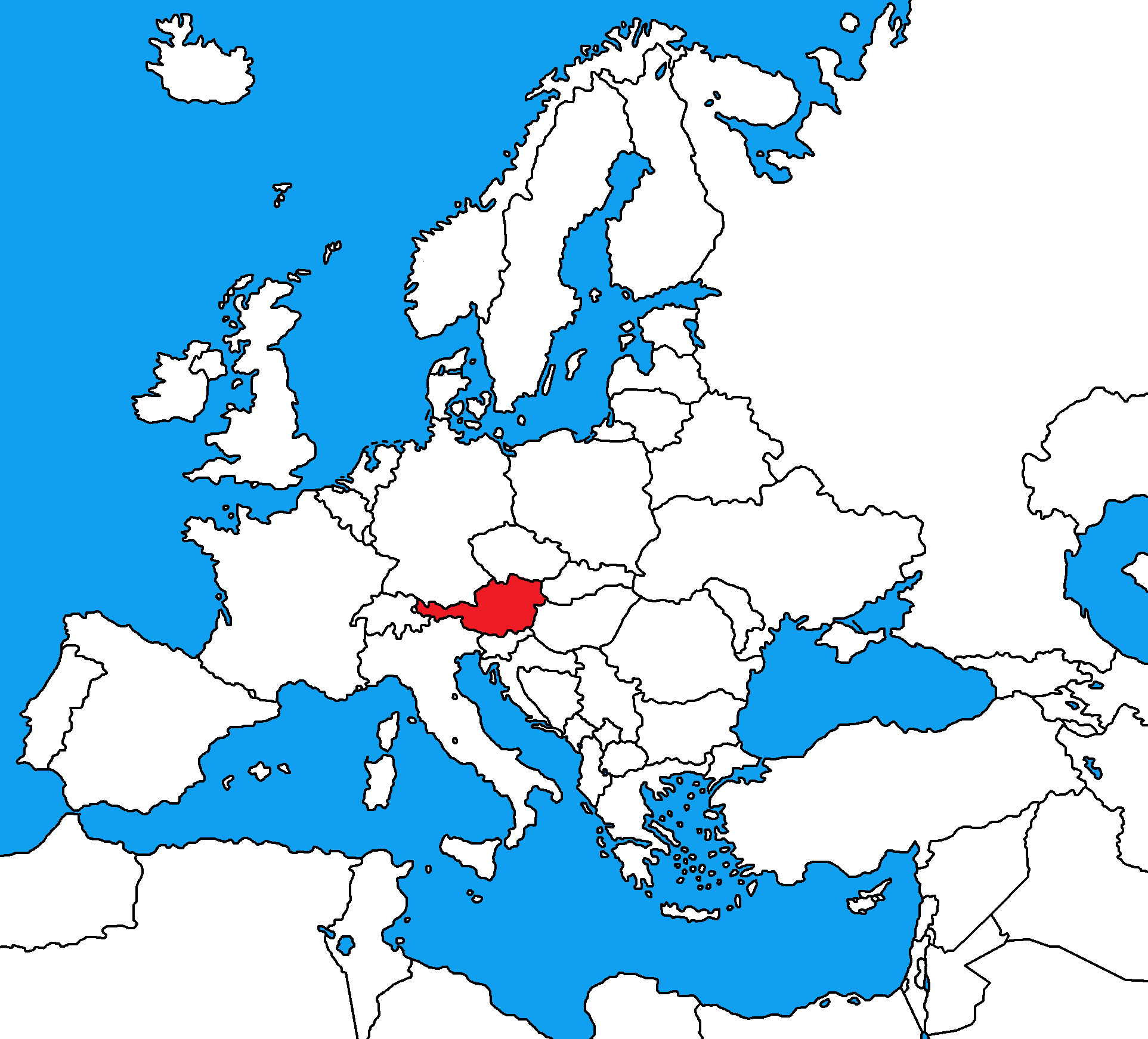
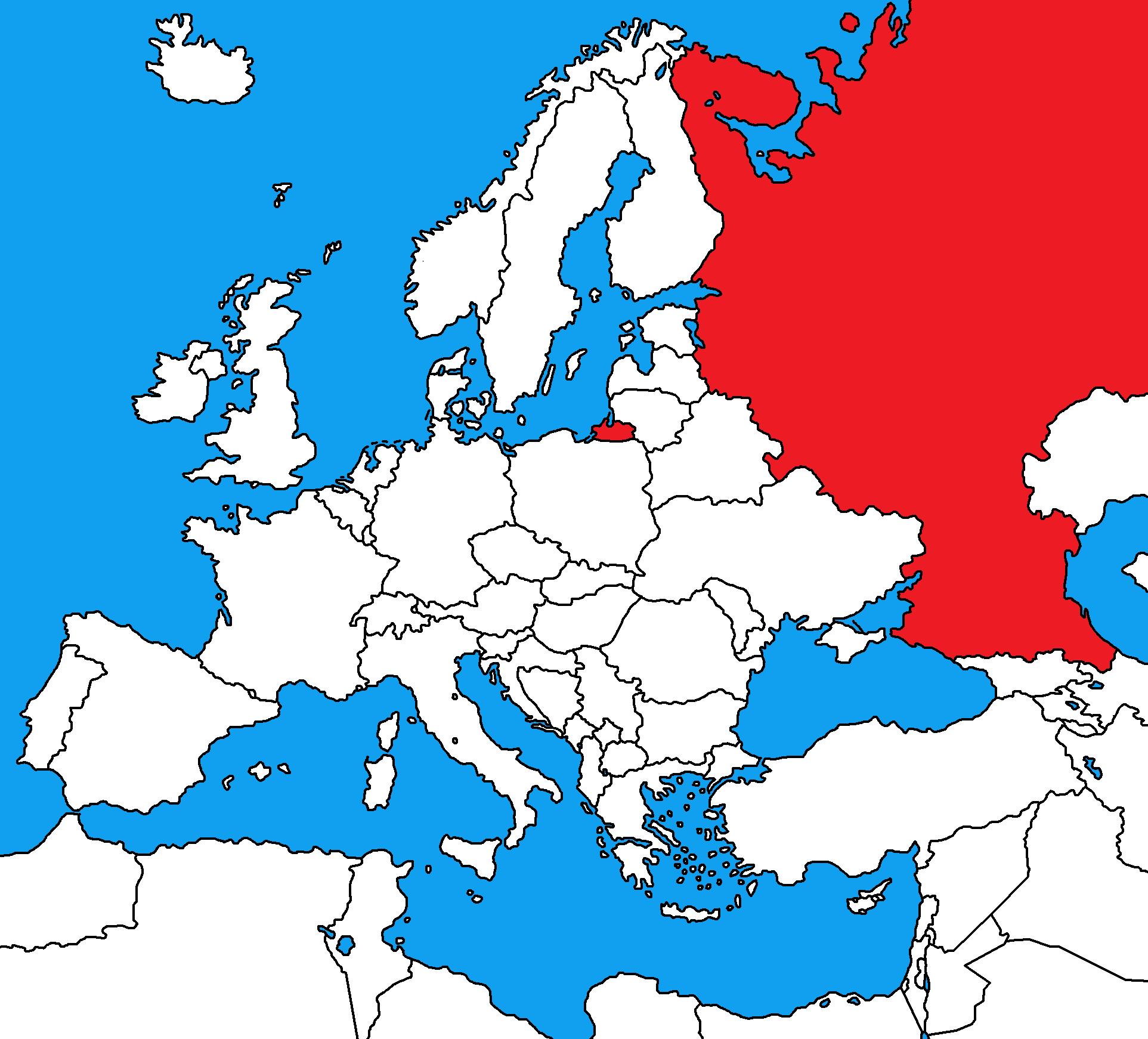
b)

City State

c)

Cultural relativism

d)

Behavioralism

17.

What does the word Renaissance translate to?

a)

Rebirth

b)

New Born

c)

Secular

d)

Dowry

18.

What was the theory that said that the Earth and all the planets revolve around the sun?

a)

Geocentric

b)

Heliocentric

c)

Geographic

d)

The Earth is flat

19.
On what peninsula did the Renaissance begin?
a)
Spain
b)
England
c)
Italy
d)
Germany
20.
Humanism...
a)
emphasized the Bible
b)
leads to happier lives
c)
encourages people to learn Latin and Greek
d)
focuses on the potential of humans to achieve 
21.
An intellectual movement that focused on human potential and achievements
a)
Secular
b)
Patrons
c)
Merit
d)
humanism
22.
What kind of person represented the ideal of the "Renaissance man"?
a)
someone who enjoyed worldly pleasures
b)
someone who excelled in many areas of study
c)
someone who specialized in a particular field of study
d)
someone who supported and appreciated the arts without creating art
23.
A 16th-century movement for religious reform, leading to the founding of Christian churches that rejected the pope’s authority was the _________________________.
a)
Catholic Reformation
b)
Secular
c)
Reformation
d)
Renaissance
24.
A period of European history, lasting from 1300 to 1600, during which renewed interest in classical culture led to far-reaching changes in art, learning, and views of the world was ____________________________.
a)
Catholic Reformation
b)
Reformation
c)
Peace of Augsburg
d)
Renaissance
25.

the leading English language poet and playwright of the Renaissance

a)

Gutenberg

b)

Shakespeare

c)

Albrecht Durer

d)

Thomas More

e)

Erasmus

26.

German artist who spread Renaissance ideas in northern Europe

a)

Gutenberg

b)

Shakespeare

c)

Albrecht Durer

d)

Thomas More

e)

Erasmus

27.

Rubens, van Eyck, and Bruegel were all

a)

Italian humanists.

b)

northern Renaissance painters.

c)

northern Renaissance writers.

d)

best known for their engravings.

28.

What was the time in history when the Roman Catholic Church was questioned?

a)

Middle Ages

b)

Renaissance

c)

Reformation

d)

All of the Above

29.
What was Indulgences?
a)
a first church
b)
leaders
c)
pardons for sins sold by the Catholic Church
30.

95 Theses, Protestantism & Calvinism support which of the following?

a)

Reformation

b)

Counter Reformation

31.

Which area of Europe supported Martin Luther's reforms?

a)

Northern Europe

b)

Southern Europe

c)

Eastern Europe

d)

Western Europe

32.

Which area of Europe supported the Counter Reformation?

a)

Northern Europe

b)

Southern Europe

c)

Eastern Europe

d)

Western Europe

33.
Which of the following best helped Martin Luther's ideas reach other parts of Europe? 
a)
The Bible
b)
The printing press
c)
Church Hierarchy
d)
The Diet of Worms
34.
In his attempt to reform the Catholic Church, what did Martin Luther do?
a)
Bought a certificate of indulgence to be pardoned.
b)
Helped Pope Leo X rebuild St. Peter's Basilica in Rome.
c)
Prepared a list of 95 arguments against indulgences.
d)
Decided to become a lawyer. 
35.
What are the complaints called that Martin Luther wrote against Indulgences? (watch the spelling)
a)
The 90 Thesis
b)
The 95 Theories
c)
The 95 Arguements
d)
The 95 Theses
36.

What was the time in history when the Roman Catholic Church was questioned?

a)

Middle Ages

b)

Renaissance

c)

Reformation

d)

All of the Above

37.

What was the list of complaints against the Church called?

a)

95 Theses

b)

Peace of Augsburg

c)

Magna Carta

d)

New Testament

38.

What was the treaty called that allowed kingdoms to choose whether they were protestant or Catholic?

a)

Council of Trent

b)

Peace of Augsburg

c)

Jesuits

d)

95 Theses

39.
What country sponsored Christopher Columbus?
a)
Spain
b)
England
c)
Italy
d)
Portugal
40.
What is the name of the tool that allowed explorers to determine their position north and south?
a)
Astrolabe
b)
Magnetic compass
c)
Caravel
d)
navigator's level
41.
Conquered Mexico and defeated Aztec 
a)
Francisco Pizarro 
b)
Sir Francis Drake 
c)
Hernan Cortez 
d)
Henry the Navigator 
42.
Conquered Incan Empire and established Lima Peru 
a)
Prince Henry 
b)
Christopher Columbus 
c)
SIr Francis Drake 
d)
Francisco Pizarro 
43.
tool used to determine direction (N,S,E,W)
a)
Compass
b)
Astrolabe 
c)
caravel 
d)
telescope 
44.
Used to see far away 
a)
Compass
b)
telescope 
c)
caravel 
d)
astrolabe 
45.
Sleek ships that could carry large loads long distances 
a)
telescope 
b)
Compass 
c)
Astrolabe 
d)
Caravel 
46.
The exchange of goods and people between Europe, Africa, and the Americas is the ________________?
a)
Triangular Trade
b)
Mercantilism
c)
Capitalism
d)
Columbian Exchange
47.
The Middle Passage was_______________?
a)
The exchange of goods, ideas, and diseases from the New World to Europe.
b)
The transport of Africans to the Americas by boat across the Atlantic ocean.
c)
Trading goods among three people.
d)
The transfer of cash crops to the Americas.
48.
Conquered the Inca
a)
Hernan Cortes
b)
Christopher Columbus
c)
Jacques Cartier
d)
Francisco Pizarro
49.
Conquered the Aztecs
a)
Hernan Cortes
b)
Christopher Columbus
c)
Jacques Cartier
d)
Francisco Pizarro
50.
Did not sail for Spain
a)
Columbus
b)
Pizarro
c)
de Gama
d)
Magellan
51.
Main motivation for European exploration
a)
the need for Slave labor
b)
God, Gold, Glory
c)
to see if the earth was flat
d)
none of these are correct
52.
The global transfer of plants, animals, and diseases that occurred during the European colonization of the Americas.
a)
Columbian Exchange
b)
Middle Passage
c)
Capitalism
d)
Colonization
53.
Which European country controlled this portion of North America?
a)
Spain
b)
England
c)
France
d)
Portugal
54.
To get from Europe to America by traveling west, explorers had to cross the ______________ Ocean. 
a)
Indian
b)
Atlantic
c)
Pacific
d)
Artic
55.
What was the name of the trade route that Columbus established from America to Europe?
a)
the Silk Road
b)
the St. Lawrence Shuttle
c)
the Columbian Exchange 
d)
the Polo Express
56.

This animal, the _________ was introduced in the New World as a beast of burden by the Europeans.

a)

chicken

b)

horse

c)

pig

d)

panther

57.
This Chinese invention used the Earth's magnetic poles to help explores find their cardinal directions.
a)
Compass
b)
Compass Rose
c)
Astrolabe
d)
Quadrant
58.

What did Zheng He accomplish?

a)

He conquered Japan

b)

He discovered America

c)

He spread spread Confucianism

d)

He expanded China's political influence

59.

Zheng He followed what religion?

a)

Confucianism

b)

Buddhism

c)

Islam

d)

Hinduism

60.

Zheng He was from

a)

Korea

b)

China

c)

Japan

d)

India

61.
The French Revolution began in 
a)
1776
b)
1789
c)
1876
d)
1798
62.
The idea that reason should guide society rather than tradition helped cause the revolution and came from
a)
the Declaration of Independence
b)
the Scientific Revolution
c)
the Enlightenment
d)
all of the above
63.
The French Revolution began when King Louis XVI
a)
was executed
b)
had his troops attack Paris
c)
called the Estates General together
d)
abdicated
64.
Most of the people of France belonged to the 
a)
1st 
Estate
b)
2nd Estate
c)
3rd Estate
d)
4th Estate
65.
What happened at the Storming of the Bastille? 
a)
When French women stormed the palace. 
b)
A period of mass executions. 
c)
Storming of the French prison.End of the French Revolution. 
d)
Peasants storm a French prison. Beginning of French Rev. 
66.
The Bastile was
a)
A fortified fort in Paris for the kids to play in
b)
A prison that also held weapons and gun powder
c)
A new place for Marie and Louis to go to have dinner
d)
Where King Louis XVI and Marie Antoinette lived
67.

Peter the Great

a)

England

b)

Spain

c)

France

d)

Russia

e)

Prussia

68.

Philip II

a)

England

b)

Spain

c)

France

d)

Russia

e)

Prussia

69.

Maria Theresa

a)

England

b)

Spain

c)

France

d)

Russia

e)

Austria

70.

Oliver Cromwell

a)

England

b)

Spain

c)

France

d)

Russia

e)

Austria

71.

Family? Peter the Great

a)

Bourbon

b)

Romanov

c)

Stuart

d)

Tudor

e)

Hapsburg

72.

What is Divine Right?

a)

a set of rules used by the greeks

b)

the God given right to rule

c)

Hitler's reason to exterminate Jewish people

d)

Machiavelli's theory on power

73.

The "Sun King" - "I am the state."

a)

Louis XIV

b)

Thomas Hobbes

c)

Peter the Great

d)

Henry VIII

74.

What is one reason why King Louis XIV built a palace in Versailles?

a)

because it was pretty

b)

to keep an eye on the nobles

c)

to be closer to family members

d)

to raise his family in a nice place

75.
Where did Louis XIV move France's palace?
a)
Lyon
b)
Gordes
c)
Versailles
d)
Dinan
76.

This Russian ruler helped to modernize and "Westernize" Russia.

a)

Tokugawa Ieyasu

b)

Napoleon Bonaparte

c)

Louis XIV

d)

Peter the Great

77.
According to Copernicus, the sun  
a)
Revolved around the earth
b)
Was the center of the Universe
c)
Was the biggest star
d)
 Had many moons
78.
During the Scientific Revolution the heliocentric view of the universe was first proposed by __.
a)
Ptolemy
b)
Francis Bacon
c)
Isaac Newton
d)
Nicolaus Copernicus
79.
The idea that the sun is the center of the universe is the ____________ theory.
a)
geocentric
b)
heliocentric
c)
solar
d)
sunny
80.
What did Galileo Improve?
a)
The astrolabe
b)
the stars
c)
The Telescope
d)
cat food.
81.
Who created the heliocentric theory?
a)
Copernicus
b)
Galileo 
c)
Ptolemy
d)
Kepler
82.
 _____________________ was an Italian astronomer who developed the telescope, which then confirmed Copernicus’ Heliocentric Theory 
a)
a. Isaac Newton
b)
b. Galileo Galilei 
c)
c. Adam Smith
d)
d. Dennis Diderot
83.
What did Francis Bacon contribute to the Scientific Revolution?
a)
the geocentric theory
b)
the scientific method
c)
the heliocentric theory
d)
the law of universal gravitation
84.
Which of the following was developed by Isaac Newton?
a)
the heliocentric theory
b)
the scientific method
c)
the theory of scientifc rationalism
d)
the theory of universal gravitation
85.
Government in which leaders rule without restrictions.
a)
Autocratic
b)
Unlimited
c)
Republic
d)
Limited
86.
Enlightened thinkers based their philosophical beliefs on what two things?
a)
power and privilege
b)
money and fame
c)
good looks and charm
d)
reason and logic
87.
The procedure for testing theories that starts with a question
a)
Methods of Operation
b)
Scientific Method
c)
Procedural Operations
d)
Steps in a process 
88.
Which of the following best explains the effect of the Scientific Revolution on traditional religious beliefs?
a)
People now looked to religion to explain the world around them.
b)
People now looked to their kings to explain the world around them.
c)
People used reason and logic to explain the world
d)
Momney makes the world go round
89.
The time period when all the French leaders were decapitated is called the...
a)
American Revolution
b)
Revolutionary Tribunal
c)
Reign of Terror
90.
Led by Robespierre, the angry poor people in France began to...
a)
chop off the heads of their hated rulers and other rich people
b)
imprison their leaders
91.
Just 5 years after Haiti declared itself free, many revolutions began in ...
a)
Africa
b)
Latin America
c)
Asia
92.
Who discovered and came up with the idea of gravity?
a)
Sir Isaac Newton
b)
Galileo
c)
Franceso Pizzaro
d)
Christopher Columbus
93.
Enlightenment philosopher who believed people had natural rights of life, liberty, and property.
a)
John Locke
b)
Montesquieu
c)
Rousseau
d)
Voltaire
94.
One cause of the French Revolution was the emergence of a new middle class of merchants and professionals called the 
a)
bourgeoisie
b)
aristocracy
c)
sans culottes
d)
denoument
95.
Most of the people of France belonged to the 
a)
1st 
Estate
b)
2nd Estate
c)
3rd Estate
d)
4th Estate
96.

What would be the best caption for this image?

a)

National Assembly vows to write a new constitution

b)

All enemies of the Revolution executed

c)

Debt and starvation threaten the country

d)

Mob attacks prison in search of weapons

97.

This new technology was used to execute thousands of French citizens

a)

astrolabe

b)

guillotine

c)

telescope

d)

caravel

98.

Third Estate

a)

Clergy

b)

Nobility

c)

Other 97% of French population

99.
Simon Bolivar was
a)
A south American ruler that helped independence movements
b)
A Haitian general that helped independence movements
100.
Toussaint L’overtoure 
a)
United the Americas
b)
Defeated the French in Mexico
c)
Was killed by Napoleon
d)
Led a slave rebellion in Haiti
101.
The codification of laws and military dominance were two great accomplishments by
a)
Bolivar
b)
Bolivar
c)
Pooping
d)
Napoleon
102.
This person wrote "Leviathan" and believed people were wicked and selfish
a)
Locke
b)
Adams
c)
Montesquieu
d)
Hobbes
103.
This person developed the Laws of Motion and the Law of Universal Gravitation
a)
Locke
b)
Hobbes
c)
Newton
d)
Einstein 
104.
This new approach allowed scholars to gain new scientific knowledge; include 5 steps
a)
Political Method
b)
Economic Method
c)
Social Method
d)
Scientific Method
105.
What was a desire of Simon Bolivar?
a)
to unite South America into one nation
b)
to unite the Caribbean islands into one nation 
c)
to unite European nations into one nation
d)
to unite Africa into one country
106.
Who led the slaves in Haiti in a revolt against France?
a)
Miguel Hidalgo
b)
Simon Bolivar
c)
Toussaint L'Ouverture 
d)
Jose de San Martin
107.
What group was at the top of the Latin American social hierarchy?
a)
Creoles
b)
Mestizos
c)
Peninsulares
d)
Mulattos
108.
Who was the leader of the Mexican revolution?
a)
Simon Bolivar
b)
Father Miguel Hidalgo
c)
Toussaint L'Ouverture
d)
Jose de San Martin
109.
Mixed-race people of White Spaniards and Native American parents were ______________.
a)
Mestizo
b)
Mulatto
c)
Peninsulares
d)
Creoles
110.
____________ were wealthy white Spanish residents of Latin America who were born in the Spanish colonies
a)
Mulattos
b)
Creoles
c)
Mestizo
d)
Peninsulares
111.
______________ was known as the "George Washington of South America".
a)
Toussaint L'Ouverture
b)
Simon Bolivar
c)
Father Miguel Hidalgo
d)
Jose' de San Martin
112.
Which historical figure best completes this chart comparing revolutionary leaders?
a)
Father Miguel Hidalgo
b)
T'oussaint L'Ouverture
c)
Jose de San Martin
d)
Simon Bolivar
113.

What group made up the 3rd Estate?

a)

clergy

b)

nobility

c)

peasants

d)

monarchy

114.
Who was the king of France at the beginning of the French Revolution?
a)
Louis XIV
b)
Louis XVI
c)
Philip II
d)
Napoleon
115.
The storming of the ____ is viewed as the start of the French Revolution
a)
Bastille
b)
Versailles
c)
Tennis Court
d)
Waterloo
116.
The ____ Oath is when members of the 3rd Estate gathered together and swore to write a sound and just Constitution.
a)
Bastille
b)
Versailles
c)
Tennis Court
d)
Waterloo
117.
____ was the leader of the Committee of Public Safety and instituted the Reign of Terror.
a)
Maximilien Robespierre
b)
Napoleon
c)
Louis XIV
d)
Jean-Jacques Rousseau
118.

Napoleon was exiled to the island of _____ the 2nd time.

a)

Corsica

b)

Ibiza

c)

Elba

d)

St. Helena

119.

The chief goal of the ______ was to create a lasting peace in Europe and restore the monarchy.

a)

Congress of Vienna

b)

Reign of Terror

c)

Bastille

d)

Estates General

120.

___ became leader of the Haitian Slave Revolt from the French.

a)

Simon Bolivar

b)

Jose de San Martin

c)

Father Miguel Hidalgo

d)

Toussaint L'Ouverture

121.

___ started the Mexican Independence movement by leading an uprising to help end slavery & better conditions for Native Americans

a)

Simon Bolivar

b)

Jose de San Martin

c)

Father Miguel Hidalgo

d)

Toussaint L'Ouverture

122.

Spaniards born in Latin America

a)

Mestizo

b)

Creole

c)

peninsulare

d)

mulatto

123.

He lead a revolution with Indians and Mestizos in Mexico

a)

Simon Bolivar

b)

Bismarck

c)

Cavour

d)

Miguel Hidalgo

124.

Dom Pedro and the Portuguese royal family declared independence in what country?

a)

Venezuela

b)

Peru

c)

Brazil

d)

Peru

125.
This unpopular monarch was the reason for the English Civil War
a)
Edward I
b)
Charles I
c)
Charles II
d)
James I
126.
Two sides fighting in the English Civil War were the
a)
Brits vs Scots
b)
Broncos vs Stallions
c)
Squarepants vs Colts
d)
Cavaliers vs Roundheads
127.
Before restoration, this parliamentarian took control with a "New Model Army"
a)
Benjamin Banneker
b)
Prince Charles II
c)
Oliver Cromwell
d)
Pippi Livingstone
128.

Who built St. Petersburg as a symbol of his power and makes it the capital of Russia?

a)

Peter the Great

b)

King Louis XIV

c)

Frederick the Great

d)

Oliver Cromwell

129.

This man Westernizes Russia.

a)

King William

b)

King Louis XIV

c)

Oliver Cromwell

d)

Peter the Great

130.

After King Charles I is beheaded, who becomes the dictator of England?

a)

Oliver Cromwell

b)

William & Mary

c)

Charles I

d)

Peter the Great

131.
Who declared himself the head of the English Church?
a)
Henry VIII
b)
John Knox
c)
Martin Luther
d)
Emperor Charles V
132.
What kind of person represented the ideal of the "Renaissance man"?
a)
someone who enjoyed worldly pleasures
b)
someone who excelled in many areas of study
c)
someone who specialized in a particular field of study
d)
someone who supported and appreciated the arts without creating art
133.
A 16th-century movement for religious reform, leading to the founding of Christian churches that rejected the pope’s authority was the _________________________.
a)
Catholic Reformation
b)
Secular
c)
Reformation
d)
Renaissance
134.
A period of European history, lasting from 1300 to 1600, during which renewed interest in classical culture led to far-reaching changes in art, learning, and views of the world was ____________________________.
a)
Catholic Reformation
b)
Reformation
c)
Peace of Augsburg
d)
Renaissance
135.
__________________ was a Renaissance intellectual movement in which thinkers studied classical texts and focused on human potential and achievements.
a)
Indulgence
b)
Humanism
c)
Secular
d)
Perspective
136.
Who is the famous for their renaissance poems and plays?
a)
Shakespeare
b)
Othello
c)
Hamelt
d)
Machiavelli
137.
What is a Coup d’État?
a)
seizure of power 
b)
a gathering of naval ships for battle
c)
when the economic declines
d)
when the leader becomes a dictator 
138.
What happens when Napoleon invades Russia? 
a)
Russia puts the scorched-earth policy and Napoleon loses men to the Russian Winter
b)
The Russians battle with Napoleon
c)
Napoleon does not invade Russia
d)
Napeolon and Russia sign a peace treaty
139.
Napoleon's final defeat in June of 1815
a)
Battle of Moscow
b)
Battle of Paris
c)
Battle of Trafalgar
d)
Battle of Waterloo
140.
After his initial defeat, Napoleon was exiled to the island of ______; his second exile was to the island of _________.
a)
St. Helena; Elba
b)
Elba; Corsica
c)
Elba; St. Helena
d)
Corsica; St. Helena
141.
How did the event depicted in this picture impact the course of the Napoleonic Wars?
a)
Napoleon defeated Austria and Prussia
b)
Napoleon invaded Britain but was defeated
c)
Napoleon successfully invaded Russia
d)
Napoleon invaded Russia but lost most of his men
142.
What was the system of laws called that Napoleon instituted to help rebuild France?
a)
Napoleonic Rules
b)
Napoleon's Natural Rights
c)
Napoleonic Code
d)
Checks and Balances
143.
Who took governmental control and named him self emperor?
a)
Robespierre
b)
Marat
c)
Napoleon
d)
Danton
144.
Where did Napoleon's final defeat at the hands of Great Britain and their allies happen?
a)
Battle of Bull Run
b)
Battle of Waterloo
c)
Battle of Camden
d)
Battle of Stalingrad
145.
the process of moving from an agricultural society, in which most goods are handmade, to a society that thrives on machine-manufactured goods
a)
textile
b)
economy
c)
industrialization
d)
technology
146.
the use of human knowledge to create tools and machines that allow us to navigate and control the environment; does NOT have to be electronic
a)
industrialization
b)
technology
c)
economy
d)
textile
147.
Why were railroads so important during this time?
a)
they moved goods more quickly and less expensively over greater distances
b)
they were fun to ride on to go visit family in other states
c)
people could ride on railroads to get to their jobs in another city
148.
In what country did the Industrial Revolution begin?
a)
United States
b)
France
c)
Great Britain
149.
Who invented cotton gin and interchangeable parts?
a)
John Deere
b)
Eli Whitney
c)
Samuel Slater
d)
Elias Howe
150.
Who invented the telegraph?
a)
Elias Howe
b)
Eli Whitney
c)
Samuel Slater
d)
Samuel Morse
151.
_______________ are pieces made to fit many machines or tools.
a)
Interchangeable parts
b)
Fixed parts
c)
Limited parts
d)
New parts
152.
What was a nickname given to the steam locomotive?
a)
Steamy
b)
Iron Wagon
c)
Iron Horse
d)
Steam Horse
153.
What did Samuel Morse invent?
a)
the steam engine
b)
the steamboat
c)
the telegraph machine
d)
the telephone
154.
In which country did the Industrial Revolution begin?
a)
The United States
b)
England
c)
France
d)
Germany
155.
Which innovation  allowed factories to be built anywhere?
a)
flying shuttle
b)
spinning jenny
c)
cotton gin
d)
steam engine
156.

Due to inventions like the seed drill, which made planting crops easier and faster, farmers migrated to the cities. What was an effect of inventions like the seed drill?

a)

Farmers lost their jobs and moved into industrial jobs

b)

The machines turned into robots and took over land in Great Britain

c)

The farmers needed more work and hired more people to work the land.

d)

The farmers moved to the United States to farm.

157.

What were living conditions in the city like during the Industrial Revolution?

a)

Cities were mostly for rich people

b)

Strict housing safety laws

c)

Spacious and luxurious

d)

Crowded and unsanitary

158.
The process of taking over and fencing off land formally owned by peasant farmers.
a)
communism
b)
enclosure movement
c)
utilitarianism
d)
laissez-faire
159.
a)
Iceland
b)
Ireland
c)
United Kingdom
d)
Denmark
160.
a)
United Kingdom
b)
France
c)
Germany
d)
Spain
161.
a)
Spain
b)
Portugal
c)
France
d)
Germany
162.
a)
France
b)
Germany
c)
Spain
d)
Italy
163.
a)
France
b)
Italy
c)
United Kingdom
d)
Poland
164.
This feature in the picture borders France, Spain, Italy, Greece, and many other European Countries. 
a)
Mediterranean Sea
b)
Atlantic Ocean
c)
English Channel
d)
Danube River
165.
What is the capital of United Kingdom?
a)
Berlin
b)
Luxembourg
c)
London
d)
Bern
166.
What's the Capital of Italy?
a)
Venice
b)
Florence
c)
Rome
d)
Naples
167.
What's the Capital of France?
a)
Bordeaux
b)
Cannes
c)
Lyon
d)
Paris
168.

Which country is this?

a)

Austria

b)

Czechia

c)

Hungary

d)

Serbia

169.

What country is this?

a)

Belarus

b)

Canada

c)

China

d)

Russia

170.

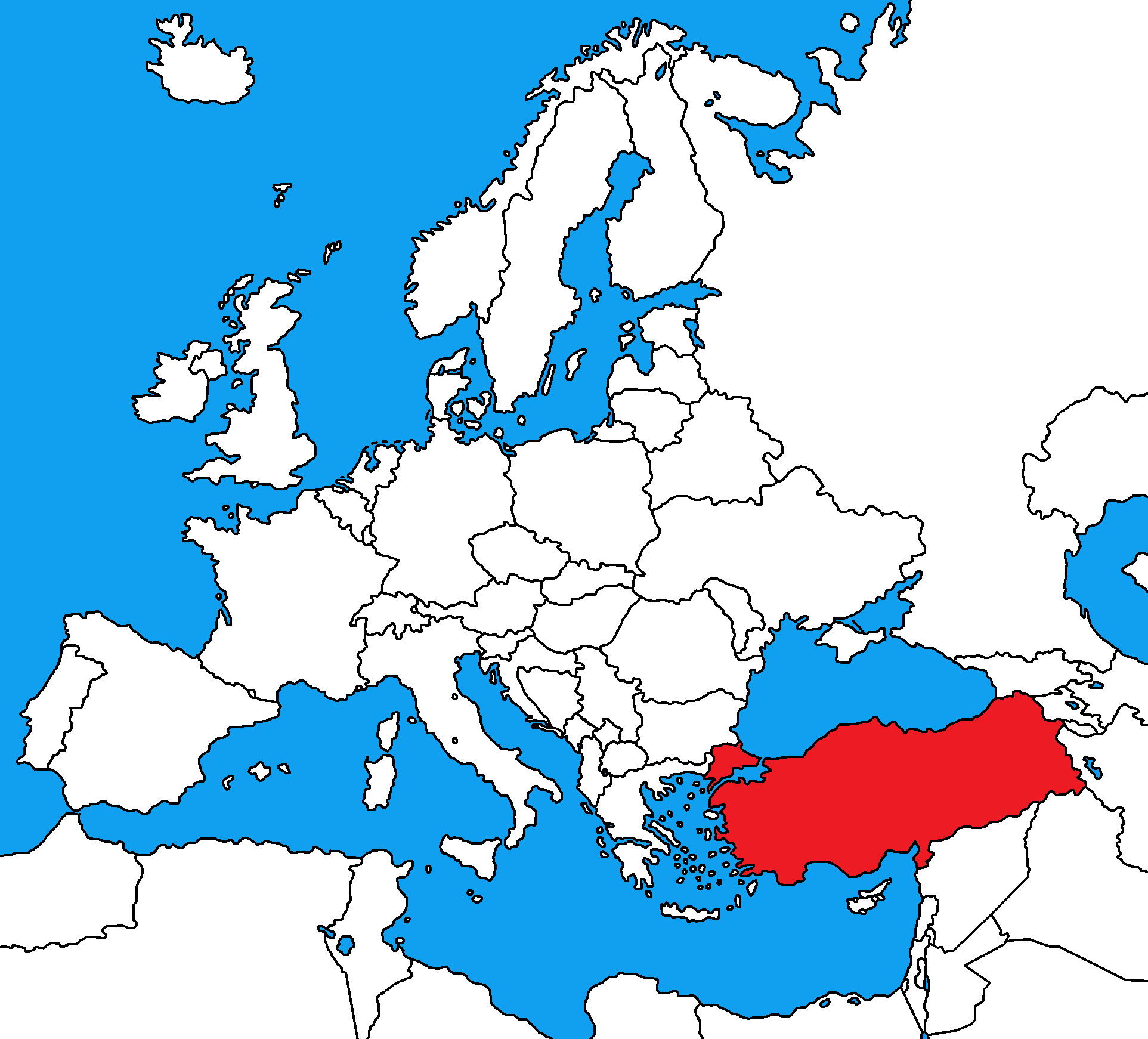
What country is this?

a)

Greece

b)

Russia

c)

Turkey

d)

Ukraine

171.
What is this?
a)
China
b)
Korea
c)
India
d)
Japan
172.
Which country is "Philippines"
a)
23
b)
24
c)
19
d)
21
173.
a)
Philippines
b)
Japan
c)
Indonesia
d)
Taiwan
174.
What country is represented by number 4?
a)
Saudi Arabia
b)
Israel
c)
Turkey
d)
Iraq
175.
a)
China
b)
Nepal
c)
Bhutan
d)
India
176.
a)
North Korea
b)
South Korea
c)
Japan
d)
China
177.
Which country is highlighted on the map?
a)
United States
b)
Brazil
c)
Mexico
d)
Canada
178.
Which ocean is #2?
a)
Atlantic Ocean
b)
Pacific Ocean
c)
Arctic Ocean
d)
Indian Ocean
179.
Which ocean is #4?
a)
Atlantic Ocean
b)
Pacific Ocean
c)
Arctic Ocean
d)
Indian Ocean
180.
Which ocean is #1?
a)
Atlantic Ocean
b)
Pacific Ocean
c)
Arctic Ocean
d)
Indian Ocean
181.
Which ocean is #3?
a)
Atlantic Ocean
b)
Pacific Ocean
c)
Arctic Ocean
d)
Indian Ocean
182.
The Aztecs and Mayans came from which continent?
a)
The Americas
b)
Australia
c)
Africa
d)
Europe
183.
Rome is the capital of which country?
a)
France
b)
Greece
c)
Italy
d)
Macedonia

Similar Resources on Wayground