
Font size
 Worksheets
Chem Test Coach Reid
Total questions: 96
Worksheet time: 2hrs 42mins

Which subatomic particle has a positive charge?
proton
nuetron
electron
atom

Which subatomic particle has a negative charge?
proton
neutron
electron
atom

Which subatomic particle has a neutral (0) charge?
proton
nuetron
electron
atom

Why is the overall charge of an atom neutral (0)?
They have the same number of protons and neutrons.
They have the same number of protons and electrons.
They have the same number of electrons and neutrons.
Which TWO of the following subatomic particles are inside the nucleus?
protons
electrons
neutrons
There are no subatomic particles in the nucleus of an atom.
The number of which subatomic particle determines the element of an atom (if it's carbon, oxygen, nitrogen, etc.)?
proton
neutron
electron
Subatomic particles do no determine the element of an atom.

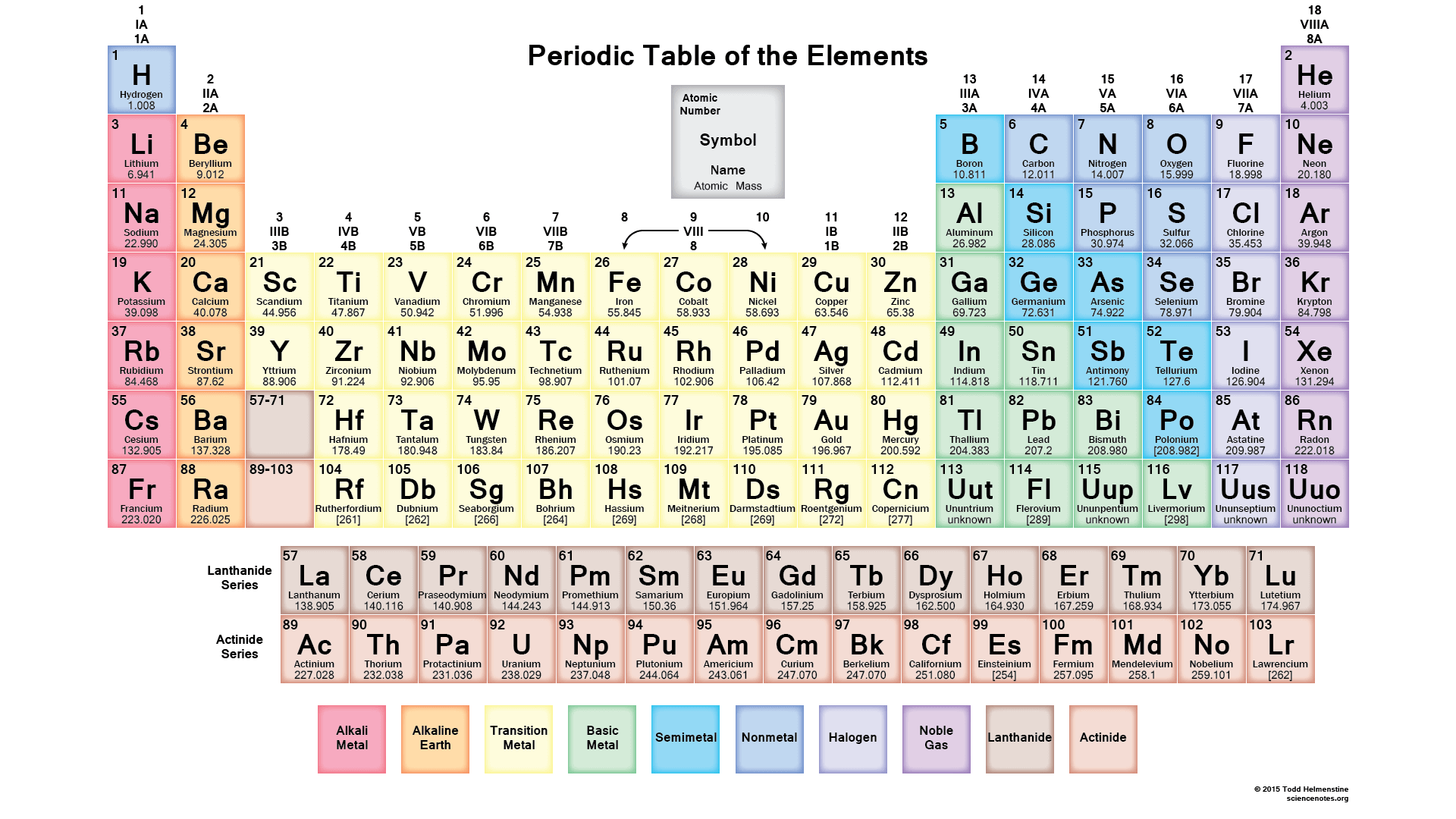
Use a periodic table to help you determine the element in the image. (Hint: Use the # of protons.)
carbon
lithium
beryllium
nitrogen

Use a periodic table to help you determine the element in the image. (Hint: Use the # of protons.)
boron
beryllium
neon
lithium

How many protons does fluorine have?
19
1
9
10

How many neutrons does nitrogen have?
7
14
0
6
What is the atomic number?
the number of protons in the nucleus
the number of protons and neutrons in the nucleus
the number of neutrons in the nucleus
the number of protons in the energy levels
What is the mass number?
the number of protons in the nucleus
the number of protons and neutrons in the nucleus
the number of neutrons in the nucleus
the number of protons and electrons in the atom
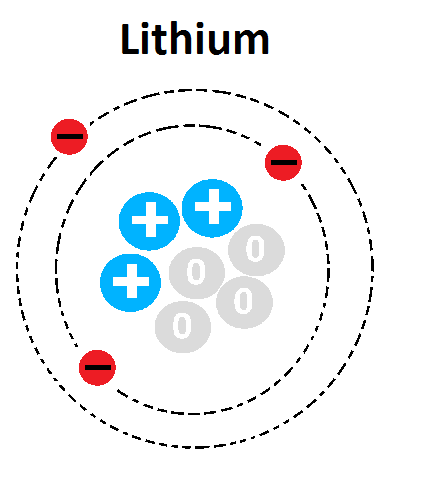
What is the atomic number of this atom?
1
3
4
7
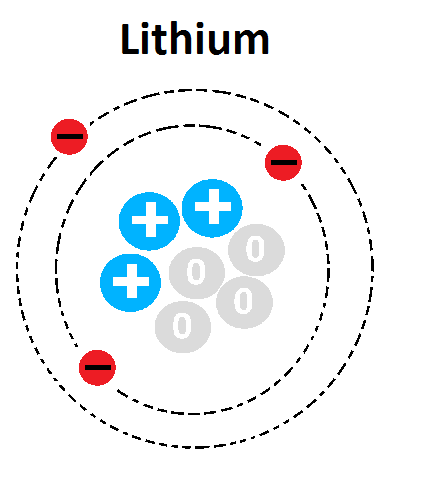
What is the mass number of this atom?
1
3
4
7
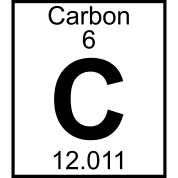

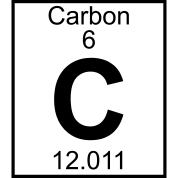
What does the 6 represent?
Atomic mass
atomic number
chemical symbol
element name
An atom has 10 protons, 15 neutrons and 10 electrons what is its mass number.
20
10
35
25
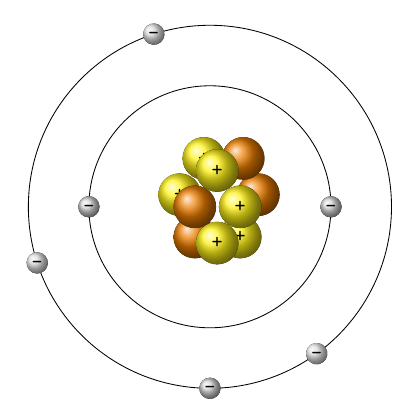
How many electrons does this atom have?
2
4
6
10

Which of the following determines the identity of an element?
number of protons
atomic mass
number of neutrons
number of shells

The order of elements in the periodic table is based on
the number of protons in the nucleus.
the electric charge of the nucleus.
the number of neutrons in the nucleus.
atomic mass.
Which of the following elements is an alkali metal?
calcium
magnesium
mercury
sodium
Mendeleev left gaps in his periodic table because
the table was too small.
protons belonged there.
the table was too full.
no known elements fit there.
The three main groups of elements are metals, nonmetals, and
inert gases.
alkali metals.
radioactive isotopes.
semiconductors/metalloids.
The order of elements in the modern periodic table is based on an element's
atomic number.
name.
chemical symbol.
atomic mass.
Which statement about the alkali metals is correct?
They are located in the left-most column of the periodic table.
They are extremely nonreactive.
They are usually gases.
They form negative ions with a 1- charge.
Which group is very stable due to the fact that they have a full outermost energy level?
alkali metals
halogens
alkaline-earth metals
noble gases
Which of the following is a property of group 18 elements?
malleable
brittleness
high electrical conductivity
unlikely to react with other elements
Based on its location on the periodic table, which of these elements most likely has physical and chemical properties most similar to boron (B)?
magnesium (Mg)
aluminum (Al)
neon (Ne)
chlorine (Cl)
Alkali metals are extremely reactive because they
have every small atomic masses.
are not solid at room temperature.
have one valence electron that is easily removed to form a positive ion.
have two valence electrons that form compounds with calcium and magnesium.





What element is represented in this Bohr Model?
Carbon
Hydrogen
Aluminum
Lithium


This is the location of electrons in an atom.
nucleus
protons
orbitals
neutrons

If an atom of Phosphorus has 16 neutrons, what is it's mass number?
15
16
30.974
31
Protons + Neutrons =
the average atomic mass
mass number
number of electrons
APE MAN

What is the name of the family that is highlighted?
Alkali Metal Family
Halogen Family
Noble Gas Family
Transition Metal Family
As you move from left to right on the periodic table, the number of valence electrons.......
Increases
Decreases
Remains the same
The common charge on an atom in group 17 would be....
+1
+7
-7
-1
17
What are the horizontal rows on the periodic table called?
periods
groups
metals
nonmetals
metalloids

Who proposed a model with electrons moving in specific layers?
Rutherford
Bohr
Thomson
Dalton

Who discovered the electrons?
Rutherford
Bohr
Thomson
Dalton

Who discovered the nucleus?
Rutherford
Bohr
Thomson
Dalton


noble gases

As you look down a group, ionization energy and electronegativity
increases
decreases
As you look from left to right across a period, ionization energy and electronegativity both
increase
decrease

Which element has the greater ionization energy?
Magnesium (Mg)
Phosphorus (P)

