
NEW
Font size
 Worksheets
1 Extensive & Intensive Properties
Total questions: 35
Worksheet time: 1hrs 7mins
Which set of properties, intensive or extensive, are based on the size of a sample?
intensive
extensive
Which instrument is used to measure an intensive property?


Which of the following properties is related to mass and volume, but not an extensive property?
Number of Atoms
Moles
Density
Potential Energy
What kind of physical property is this? States of Matter
intensive
extensive
A 10 pound block of ice takes longer to melt than a 10 pound bag of ice cubes. What kind of property is this?
Extensive
Intensive
Both are correct
You have a large pot of water boiling at 1000C and a cup of water boiling at 1000C. Which one has more energy?
a large pot with an intensive property
a cup with an intensive property
both are the same with an intensive property
a large pot with an extensive property
a cup with an extensive property
A pot of water boils at 1000C at the same temperature as a cup of water. Is this intensive or extensive?
Intensive
Extensive
Properties that DO depend on the amount of matter present.
Mass
Hardness
Extensive
Intensive
Properties that depend on the identity of substance.
Mass
Hardness
Extensive
Intensive
The mass of a substance divided by its volume.
Volume
Density
Mass
Length
Which of the following is an intensive property?
Color
Mass
Volume
Weight
What does it mean for a material to be ductile?
can be hit with a mallet and not be broken
can be easily bent
can be drawn out into a wire
shrinks when wet
What doe it mean for a material to be malleable?
can be hit with a mallet and not break
can be easily bent
shrinks when wet
can be drawn out into a wire
What kind of physical property is this? Color
intensive
extensive
What kind of physical property is this? Temperature
intensive
extensive
What kind of physical property is this? Energy
intensive
extensive
What kind of physical property is this? Number of Atoms
intensive
extensive
What kind of physical property is this? Hardness
intensive
extensive
What kind of physical property is this? Density
intensive
extensive
What kind of physical property is this? Odor
intensive
extensive
What kind of physical property is this? Boiling Point
intensive
extensive
What kind of physical property is this? Specific Heat
intensive
extensive
What kind of physical property is this? Volume
intensive
extensive
What kind of physical property is this? Melting Point
intensive
extensive
What kind of physical property is this? Mass
intensive
extensive
What kind of physical property is this? Number of Moles
intensive
extensive
What kind of physical property is this? Length
intensive
extensive
Reactivity is what type of property?
Physical
Chemical
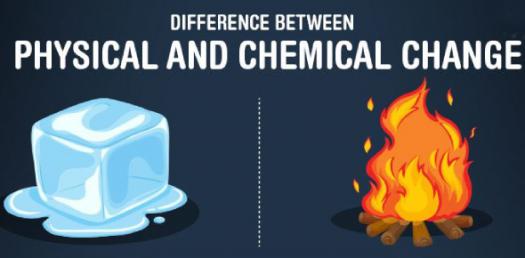
What is a sign of a physical change?
Bubbles forming
Color changing
Stretching
Producing heat

What is a sign of a chemical change?
Stretching
Tearing
Compressing
Bubbles
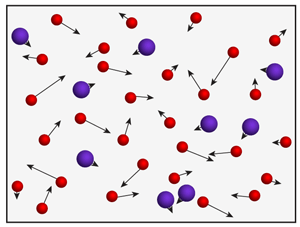
What happens to the atoms of a substance in a physical change?
Atoms get bigger
Atoms change their arrangement and motion
Atoms get smaller
Atoms bond together differently
What happens to the atoms of a substance in a chemical change?
Atoms get bigger
Atoms change their arrangement and motion
Atoms get smaller
Atoms bond together differently
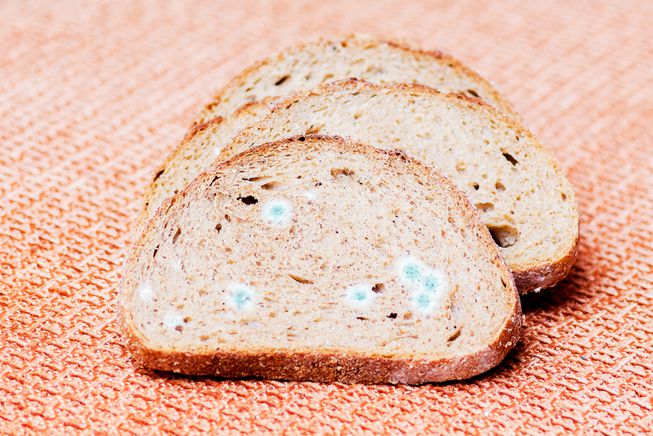
Moldy Bread
Physical Change
Chemical Change
Which of the following changes is a physical change of matter?
water evaporating
paper burning
a nail rusting
a silver spoon tarnishing

You mixed two liquids and a precipitate formed, what kind of change occured?
Physical
Chemical

