
 Worksheets
Culture and Population Patterns
Total questions: 55
Worksheet time: 31mins

Cultural diffusion is best described as...
sharing music from one culture to another
Cultural geography
the spreading of religion
the spreading of ideas, languages, and traditions from one culture to another

What statement is an example of cultural diffusion?
Venezuela has large reserves of oil
Texas has large amounts of oil
students in China learn Chinese in school
young people dance to rock music in Japan

When a person moves permanently from their home to another place, their culture is being spread through which of the following
Food
Migration
War
Trade
This is the spread of cultural items such as ideas, styles, religions, technologies, and languages between individuals, whether within a single culture or from one culture to another.
Demography
Population Growth
Cultural Diffusion
Geology
The beliefs, goals, and practices that a group of people share is known as its
behavior
interdependence
culture
diffusion
The way people eat in their country such as with forks, chopsticks or fingers is an example of a (an)
element of culture
ethnic group
cultural diffusion
culture region
Language, religion, government, and entertainment are
elements of culture
characteristics of globalization
what makes up an ethnic group
elements that make a society level
Which of these is NOT an example of cultural diffusion?
McDonald's in China
Mexican restaurants in Texas
Sushi bars in California
storms in both Canada and Brazil
One way to avoid problems between cultures is to
ignore other peoples' opinions that differ from yours
separate by race or ethnicity in cities
teach about the different cultures that exist
create separate schools for different cultures
Which is NOT an example of cultural diffusion?
Muslim professor moving to America to teach Arabic at a university.
Different languages spoken in Lubbock
Missionaries spreading Christianity around the world.
Students from different cultures in a classroom.
The gathering of different cultures in a common place is?
Cultural diffusion
Culture
Multiculturism
Multidiffusion
A category of people that identify with each other based on common background.
perception
bias
ethnicity
The process of creating an international network of trade, communication and culture.
globalization
diversity
assimilation
Multinatural cooperation
The number of people in a given land area
population density
IMF
immigration
emmigration
Which one of the following is a push factor in emigration?
Political freedom
Job opportunities in host country
Higher incomes in host country
War
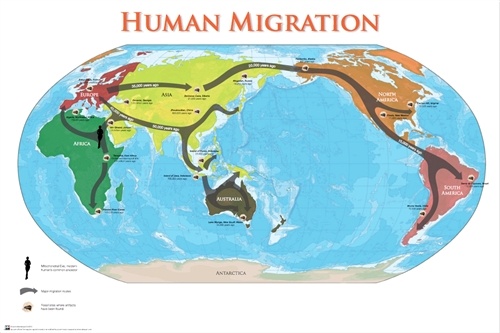

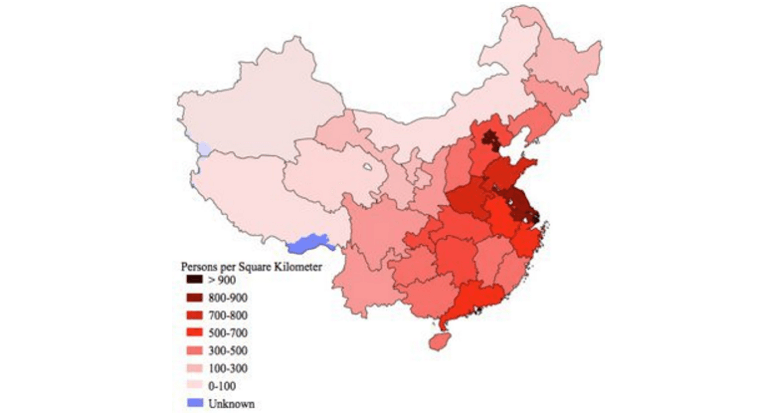


One reason the world is growing so quickly is because...
The world has infinite resources for everyone
Birth rate is higher than death rate
There are more and more places for people to live
Death rate is higher than birth rate
Most of the world's population lives in...
North America
Europe
Africa
Asia
A person forced to flee their country due to war, violence, or natural disaster is called a...
Immigrant
A runner
Refugee
An illegal alien
Things that attract people to a new place are called
Push factors
Pull factors
Something that makes people want to leave where they are is called a...
Push factor
Pull factor
An example of a push factor is...
A new job
A better school
Natural disaster
Better health care

This population pyramid shows...
Rapid growth
Slow growth
Negative growth

This population pyramid shows...
Rapid growth
Slow growth
Negative growth

This population pyramid shows...
Rapid growth
Slow growth
Negative growth
The more dense a population is, the greater the risk of:
improved health care
more clean drinking water
the spread of disease
people having more space to live in.
__________________ is too many people in one place for the resources available.
Sustainability
Overpopulation
Pollution
Urbanization
Around the world, population tends to be heavily distributed along -
coastal regions.
mountainous regions.
desert regions.
polar regions.
Which of the following factors is least likely to influence population distribution?
availability of natural resources
natural scenery
economic development
conflict among religious and/or ethnic groups

Near a river, population density would be...
high
low



