
 Worksheets
OCR GCSE PE - Respiratory System & Aerobic/Anaerobic Exercise
Total questions: 20
Worksheet time: 12mins
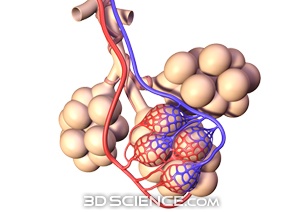
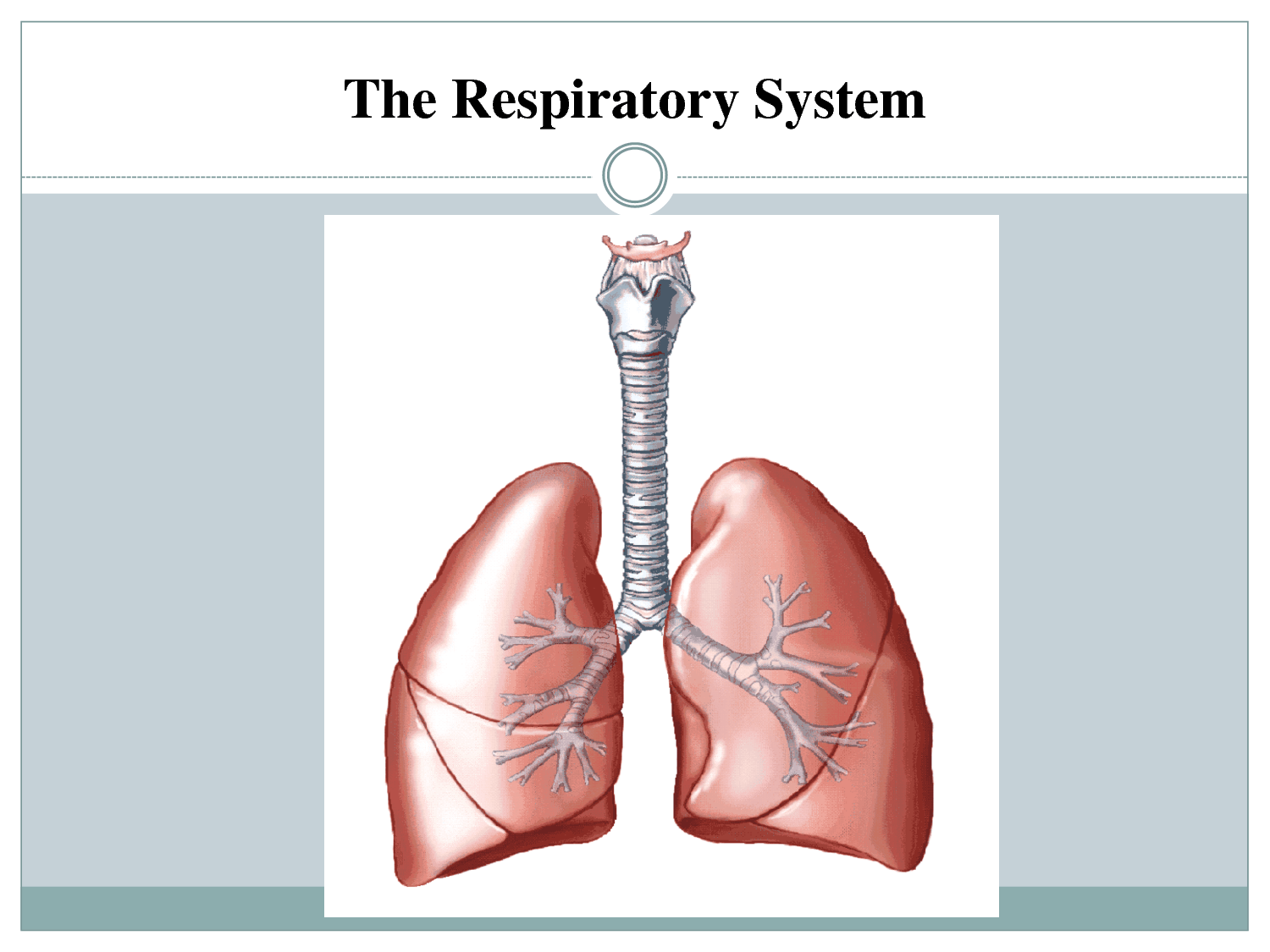
Given the following structures:
1. Bronchiole
2. Trachea
3. Brochi
4. Alveoli
Which of the following is the correct order that air would flow during inhalation.
1,2,3,4
2,3,1,4
2,1,3,4
4,2,3,1
What is the correct term for the drawing in of breath; inhalation?
Inspiration
Expiration
Aspiration
Explanation
Where does Gas exchange happen?
Alveoli
Nose
Lung
Bronchi
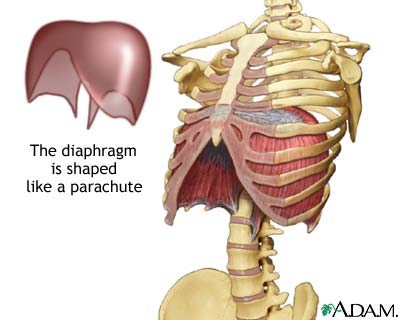
What is function of the dome-shaped diaphragm muscle?
This is where gas exchange happens.
Air passes through the diaphragm on the way to the lungs.
It attaches to the lungs and contracts and relaxes to help breathing.


Label C is...
Trachea
Diaphragm
Bronchi
Alveoli

Label D is...
Trachea
Diaphragm
Bronchi
Alveoli
What are the 3 things that assist Gaseous Exchange?
Large surface area of alveoli allows diffusion to take place.
Capillaries very near to alveoli, so diffusion distance is very short.
Veins have valves to prevent the backflow of blood
Alveoli are covered in tiny capillaries so gases can pass through the thin walls and travel into the blood stream
Lung oxygenate the blood so it can be transported to the muscles
When we inspire (breath in), the intercostal muscles...
Relax
Contract
Detach
Tidal Volume is...
The amount of blood leaving the heart
The volume of air inspired or expired per breath
The volume of air inspired or expired per minute
The amount of breaths taken per minute
Minute Ventilation is the amount of air a person breaths in per minute, what is the correct equation to calculate Minute Ventilation?
Cardiac Output x Stroke Volume
Tidal Volume x Breathing Rate
Stroke Volume x Breathing Rate
Tidal Volume x Stroke Volume
What 3 sports/activities use Aerobic Respiration
Marathon Runner
100m Sprinter
5000m Row
Tackle in Rugby
Lasting 90 minutes in Football
What 3 sports/activities us Anaerobic Respiration?
Long Jump
Sprinting to intercept in Netball
400m Swim
100m Sprint
1500m Race
What is the equation for Anaerobic Respiration
Glucose >>> Energy + Lactic Acid
Energy = Glucose + Lactic Acid
Lactic Acid <<< Glucose + Energy
What is the equation for Aerobic Respiration?
Energy = CO2 + Water + O2
Glucose <<< O2 + Water + Energy
Glucose + O2 >>> Energy + CO2 + Water

