
 Worksheets
Unit 1 Test Review
Total questions: 70
Worksheet time: 42mins

Which of the following were negative effects of the Columbian Exchange?
The spread of disease killed millions of indigenous people in the Americas.
Agriculture spread to more regions.
Failure to enslave Native Americans led to the Atlantic slave trade which lasted 300 years
Europeans established global trade networks that brought maize to Europe, chili peppers to India, and wheat to the Americas.
Europeans turned to African slaves after Native Americans died off from diseases like small pox, measles, and malaria.
True
False
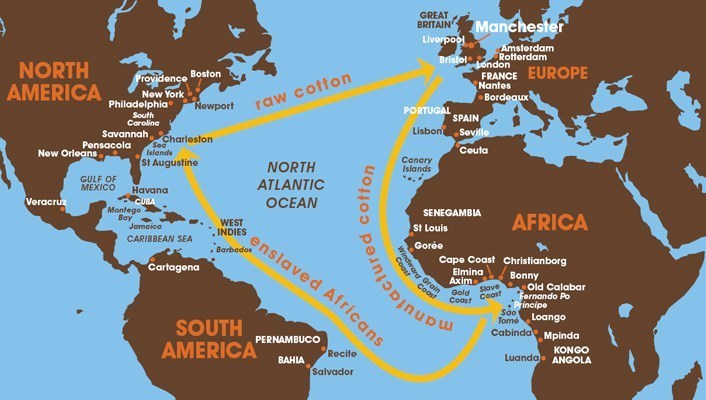
What was the journey from Africa to the New world called?
Old Passage
New Passage
Middle Passage
Slave Passage
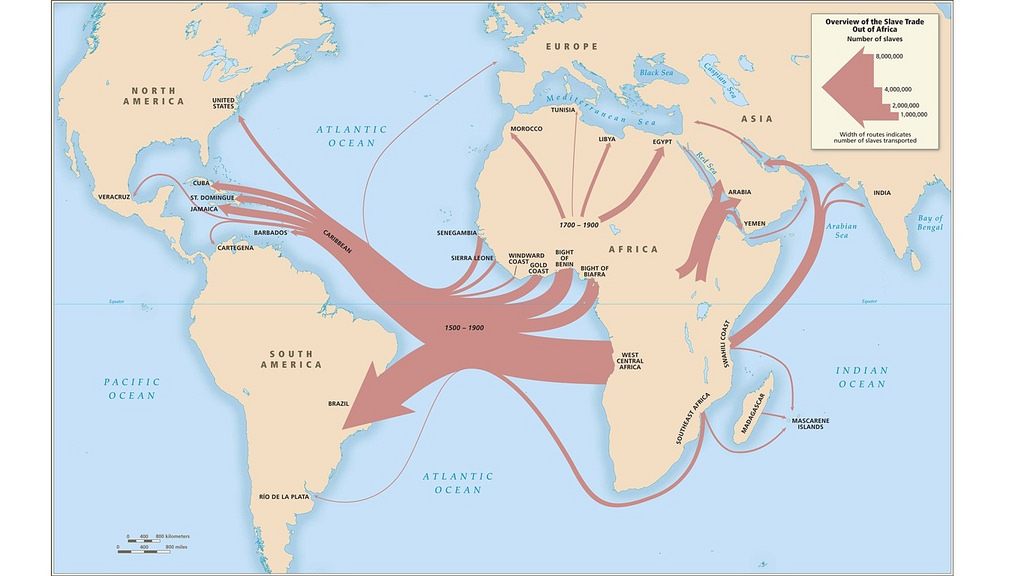
According to this map, most African slaves were brought to
North America
South America
Europe
Asia
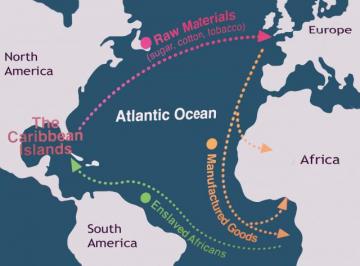
Which of these events happened first?
Europeans traded manufactured goods with African rulers who captured slaves and sold them to Europeans
Europeans tried to enslave Native Americans, but many died from Old world diseases
Slaves were transported to the New World to work on plantations (huge farms)
What happened to the population of many indigenous Americans due to Europe's invasion and colonization of Latin America?
The population decreased significantly due to diseases and warfare
The population increased significantly due to diseases and warfare
The population didn't change much
The population increased significantly due to the new crops and animals
What does indigenous mean?
the native people of a given place
the people who colonize a new place
What is an export?
the sending of goods to another country
the receiving of good fro another country
using goods from another country
bringing tobacco into the colonies

Enslaved people were brought to the New World to work on _________
Plantations
Factories
building ships
becoming traders

The __________ colonies' economy depended on slave labor.
New England
Southern
Middle
Mercantilism was ________.
taking natural resources to the colonies to sell
Trading with the french and Spanish
Had nothing to do with trade
Taking natural resources from the colonies to make money
Middle colonies economies were based on ________
Plantations and slave labor
Ship building, fishing, whaling
Trading, furs, and grains
Religion

What items were exported from the Americas during the Triangular Trade?
Finished products like textiles, rum, and manufactured goods
African Slaves
Raw goods like tobacco, sugar cane, and cotton
Roman Catholic Missionaries
What was the major export from Africa during the Triangular Trade?
Raw Goods like cotton and sugar cane
Enslaved people
Finished products like textiles and rum
Roman Catholic Missionaries

Why did the English settle Jamestown?
To drive the Spanish out of the area
To drive the French out of the area
To trade with Native Americans
To make a profit to compete with other European countries


For what reason did the colonists settle in Plymouth?
To trade with Native Americans
To make a profit
To seek religious freedom
To drive the French out of the area

When the contract ended for an indentured servant, the indentured servant ___.
becomes a slave
must return to Europe
is free to do what he wants
must work without pay for an additional 4 years.
gets a plot of land and some tools if that is part of the contract
Mistreatment of an individual or group of individuals as a response to their religious beliefs.
Contentment
Possessed
Persecution
This word means relating to money
Social
Civics
Economic
This word means people interacting with each other
Social
Civics
Economics
This word means relating to government, laws, and rights
Social
Political
Economics

Colony A is...
Massachusetts
New Hampshire
Connecticut
Rhode Island

Colony B is...
Massachusetts
New Hampshire
Connecticut
Rhode Island

Colony C is...
Massachusetts
New Hampshire
Connecticut
Rhode Island

Colony D is...
Massachusetts
New Hampshire
Connecticut
Rhode Island


A on the map is...
Georgia
South Carolina
Virginia
Maryland

Using the map, B is...
North Carolina
Virginia
Maryland
Georgia

Which colony is C on the map?
Virginia
North Carolina
South Carolina
Georgia

Which colony is D on the map?
South Carolina
Georgia
North Carolina
Maryland

Which colony is E on the map?
Virginia
North Carolina
South Carolina
Georgia
What is the House of Burgesses?
The first legislative assembly of elected representatives in the American colonies.
The first group of elected representatives to leave the colonies.
The first house that was built in Jamestown, Virginia.
Bacon's Rebellion was initiated by a group of farmers who felt most directly threatened by
an increase in royal taxes
the power of large planters
conflicts with American Indians
the growth of the slave trade
"The spreading of a group of people to different parts of the world from their original homeland", is the definition of which of the following
Surplus
Migration
Diaspora
Surplus
This map is illustrating which social studies term?
Taino
Colonization
Diaspora
Indigenous
What was the major export from Europe during the Triangular Trade?
Raw Goods like cotton and sugar cane
Enslaved people
Finished products like textiles, guns, and rum
Roman Catholic Missionaries
Which of the following statements are true about indentured servitude and slave labor?
Indentured servants had a set time they worked, while slavery lasted a person's whole life
Indentured servants came from Africa only, while slave labor was found in the Americas
Indentured servants gave their consent to work for someone, while enslaved people were forced into it
Indentured servants had rights, while enslaved people did not

Colony A is...
Delaware
New Jersey
New York
Pennsylvania
Colony B is...
Delaware
New Jersey
New York
Pennsylvania
Colony C is...
Delaware
New Jersey
New York
Pennsylvania
Colony D is...
Delaware
New Jersey
New York
Pennsylvania
Which of the following were positive effects of the Columbian Exchange?
New foods helped people become healthier and populations increase
Knowledge, culture, and religion were shared
European countries colonized the Americas and funded their empires
Disease was shared and led to the death of many people who did not have immunity
Which of the following were laws passed by the House of Burgesses following Bacon's Rebellion, Elizabeth Key Grinsted's case, and the Stono Rebellion?
Enslaved people could only travel with their enslaver's written permission
Enslaved people cannot carry arms
Status (free or enslaved) would follow the mother
Free people of African descent cannot trade
Which indigenous group first helped the English colonists grow tobacco, then fought over land claims?
Powhatan
Lenape
Taino
Wampanoag
Which indigenous group first helped the English colonists grow crops in rocky, sandy soil using fish as fertilizer, then fought over land claims as colonists kept expanding?
Powhatan
Lenape
Taino
Wampanoag
Cash crops were grown primarily in this region:
New England
Middle
Southern
Dissenters fled Puritan Massachusetts Bay Colony and set up new colonies in this region:
New England
Middle
Southern
Which of the following are true of colonial legislative bodies?
Colonies were under the authority of the British government
Distance allowed colonists to govern themselves as long as they stayed within the boundaries of English law
White, landowning males of age could vote for representatives
The British government left the colonies alone to govern themselves as long as they were earning money through mercantilism
Who is responsible for your education, choices, actions?
Me
My teachers
My parents
My principals

