
 Worksheets
2nd Nine Weeks Test Review
Total questions: 149
Worksheet time: 1hrs 23mins
The French and Indian war was fought between the
French against the Indians
Indians against the Spanish
French and British against the Indians
The French and Indians against the British and the colonists.
This decree by King George the III moved Georgia’s boundary to the Mississippi River and forbade (prohibited) colonists from moving west of the Appalachian Mountains.
The Line of Demarcation 1773
The Proclamation of 1763
The Treaty of Tordesillas 1770
Why were Georgians reluctant to join the colonists in revolution?
Georgia was not yet a colony
Georgia could not afford to fight.
Most Georgians were too scared to fight.
The economy depended on trade with Great Britain and many were loyal to their families back in England.
All of the following Georgians signed the Declaration of Independence EXCEPT
Lyman Hall
Button Gwinnett
George Walton
James Oglethorpe
"For cutting off our Trade with all parts of the world:
For imposing Taxes on us without our Consent:
For depriving us in many cases, of the benefit of Trial by Jury:
For transporting us beyond Seas to be tried for pretended offences:” What part of The Declaration of Independence is being quoted above?
The preamble
The declaration
The grievances
The conclusion
Which of these accurately reflects a weakness in the Articles of Confederation?
The central government held too much power over the states.
The document was too easily amended by the states.
There was no separation of powers. (Only had Congress)
Congress taxed citizens too much.
"Great Britain should not tax the colonists. We have no representation in Parliament." This statement would be said by a
Patriot
Loyalist
"Colonists are British subjects and should obey British law." This statement would be said by a
Patriot
Loyalist
Even though few Georgians participated in the French and Indian War, how did Georgia benefit from the British victory over the French and Indians?
Georgia's second oldest city, Augusta, became the capital of Georgia.
Georgia's boundaries were extended to the Mississippi River, almost doubling Georgia's size.
Georgia stopped being a proprietary colony and became a royal colony.
Sunbury became the official port of entry for ships from other countries.
In which section of the Declaration of Independence would you find the statement that discusses the rights of the people?
Preamble
Grievances
Declaration
Which of the following BEST describes an important strength of the Articles of Confederation?
It provided a strong state government
It limited each state's power in Congress
It provided for a strong central government
It provided a system of checks and balances
Who issued the Proclamation of 1763?
King George II
King George III
James Oglethorpe
The three parts of the Declaration of Independence are
Preamble
List of Demands
Grievances
Declaration
Why does the Declaration of Independence include a list of grievances? PICK TWO
to act a list of demands from the colonists to the king
to illustrate how England's government had failed the colonies
to defend the colonies' decision to become an independent nation
to explain that human rights are given by nature, not man
This was a meeting of delegates from 12 of the 13 colonies (except Georgia) to discuss problems with Great Britain to promote independence.
First Continental Congress
Boston Tea Party
The Liberty Boys
The Sons of Liberty
This group would have met to discuss ways to protest the acts on the colonists
Liberty Boys
Tories
Loyalists
Whigs
Who joined the colonists in the fight in the Siege of Savannah?
France
Spain
American Indians
Netherlands
What happened to the Loyalists at the end of the Revolutionary War?
They were arrested.
They pledged their loyalty to Georgia to keep their land.
Most gave up their land and left the state.
Most were kicked out of the state and moved to England.
Why were many Georgians angered by the Proclamation of 1763?
They were unable to settle west of the Appalachian Mountains.
They wanted to trade with the American Indians but were not allowed to do so.
They wanted land in South Carolina.
Which grievance was NOT brought against the king in the Declaration of Independence?
imposed unfair taxes
suspended colonial governments
promoted slavery
restricted trade in the colonies
Georgians were not as angry over the Proclamation of 1763 because...
they gained more coastal land for settlement
they gained a monopoly on trade with the American Indians
they were exempt from paying taxes
they were granted an new colony to act as a buffer
Why was control of Savannah important to the Loyalists? PICK TWO
They could prevent enemies from receiving supplies.
Colonists had grown wealthy from trade.
Savannah was the only way to reach Augusta.
The area lacked resources so they needed to live in this area.
What was the main purpose of the Proclamation of 1763?
to limit conflict with the Indians
to encourage settlement in the West
to repay debts from the war
to seize lands owned by Spain
The Liberty Boys were formed because of...
The Sugar Act
The Stamp Act
The Intolerable Acts
The Townshend Act
Which of the following is NOT a state capital of Georgia?
Savannah
Macon
Milledgeville
Atlanta
Augusta
What is a land grant university?
the federal government donated land for the college
land management was taught at the university
only Georgia citizens could attend the university
only Georgia residents could attend the university for free
What was the court's opinion of Worchester vs. Georgia?
The American Indians were not US citizens so the government did not have to respect their claims to land.
The American Indians were US citizens and entitled to protection under the constitution.
The American Indians were sovereign and not subject to US laws.
The American Indians were not sovereign and could not enter into treaties.
The Cherokee who traveled on the Trail of Tears settled in what state?
Kansas
Oklahoma
Texas
Arizona
Which is the best summary of the Yazoo Land Fraud?
The government did not own the land they planned to give away.
Legislators were bribed into making a land deal.
More land was given away than they had available.
Only veterans were able to receive land.
The removal of the Cherokee Indians was known as
The Trail of Tears
Manifest Destiny
The Trail of Thunder
McIntosh Madness
Why did the settlers' demands for the removal of the Cherokee Indians increase in the 1820's?
The Cherokee were opposed to slavery.
The Cherokee had a civil war.
The Cherokee had gold on their land.
The Cherokee had silver on their land.
Why was William McIntosh executed by the Creek Indians?
He gave away Creek land without their consent.
He gave away Creek land with their consent.
He opposed slavery.
He refused to negotiate a treaty.
Which land policy placed tickets in a drum?
Headright System
Yazoo Land System
Land Grant
Land Lottery
Which land policy gave away free land, up to 1000 acres to attract families to settle in the areas?
Headright System
Yazoo Land System
Land Lottery
Land Grant
What was MOST responsible for reducing economic diversity and increasing slavery?
Railroads
Cotton Jane
Mechanical Reaper
Cotton Gin
Land policies began to
sell land to large companies to provide protection
give voting aged men the right to own land
give veterans a way to own land
to redistribute Indian lands taken after the war
How did the cotton gin change the South? PICK TWO
Cotton production became easier
More land became available for farming
The farmland became overused and ruined
The demand for slavery increased
Which city was the 4th capital of Georgia?
Macon
Milledgeville
Montgomery
Mayberry
Which city was the 2nd capital of Georgia?
Atlanta
Albany
Acworth
Augusta
Who was the Chief Justice of the US Supreme Court who ruled that Cherokee territory was not subject to state law?
John Marshall
John Ross
John C. Calhoun
Andrew Jackson
How was the Yazoo Act different from the other land policies?
It granted land to people who promised to work.
It redistributed land to settlers.
It set aside land for manufacturing.
It sold land to companies who bribed lawmakers.
What problem did the cotton gin solve?
It efficiently harvested raw cotton.
It removed seeds from cotton fiber.
It quickly plowed the cotton fields.
It irrigated the fields of cotton plants.
Before the Civil War, the economy depended on
paper
railroads
cotton
tobacco
The land in the land lotteries originally belonged to what two groups?
Creek and Cherokee
Creek and Yamacraw
Seminole and Cherokee
Cherokee and Yamacraw
What motivated Congress to enact the Indian Removal Act of 1830?
the need for land
the need for access to rivers
discovery of Gold in Georgia
In what THREE ways did the cotton gin affect Georgia?
delayed industrial development
hindered economic diversity
increased the need for slaves
improved relations with Indians
What is important about the founding of the University of Georgia?
It was the first college in Georgia
It was the first university for women
it was the first private school in the South
It was the first state-chartered university in the United States
Why did capitals move five times?
They followed the population as it moved east.
They followed the population as it moved west.
They followed the population as it moved south.
They followed the population as it moved north.
How did the development of the cotton gin affect the state of Georgia? PICK THREE
Cities became overcrowded
Railroads expanded
Economy focused on one crop
Creek and Cherokee Indians were forced to move west
The railroads were expanded for which reason?
to decrease reliance on rivers
to move cheap labor to manufacturing facilities
to move materials for industrialization
to improve routes to transport cotton
What was a negative consequence of the invention of the cotton gin?
dependence on a single crop
increased competition among the states
decreased trade between the north and the south
urban areas became overcrowded
These key words describe the headright system
200, 1000
100, 1000
50, 1000
25, 1000
These key words describe the moving of capitals
south, people
north, people
west, people
east, people
These key words describe the Yazoo Land Fraud
bribes, expensive
bribes, cheap
bribes, stolen
bribes, free
After the invention of the cotton gin, what happened to the population in Georgia?
increased
decreased
no change
Why was William McIntosh often opposed by other Creek leaders?
He refused to sign treaties with the US government
He started wars with other Indians
He forced the Creek to maintain their traditional lifestyle
He supported US interests over the Creeks.
Which Creek chief agreed to give Creek land to the US without the permission of the other tribal chiefs?
John Ross
Sam Worcester
William McIntosh
John Marshall
Which Indian chief was killed by members for not following their laws?
William McIntosh
John Ross
John Marshall
William McAllen
Who drafted the charter for the University of Georgia?
Button Gwinnett
George Walton
William Few
Abraham Baldwin
Why did Congress want to enforce the Indian Removal Act?
gold in Georgia
cheap labor in the north
desire to build a city in New Orleans
lack of farmland in the American West
What land would have been used under the Headright System?
land between the coast and the Oconee River
land near the Chattahoochee River by Columbus
land in the ridge and valley area
land near the Okefenokee Swamp
What THREE areas were impacted by the development of the cotton gin?
railroads expanded
the Creek and Cherokee people were forced to move west.
farmers struggled due to declining profits
trade between GA and northern states declined
Georgia's economy became dependent on a single crop
What school is the first chartered state university in the United States?
Harvard
Yale
University of Georgia
University of South Carolina
The capital of Georgia moved from Augusta to Louisville because
the Chattahoochee River became a major trade route
the population began to shift west from the coast
the development of the plantation economy
the constant threat of Indian tribes
Railroads were chartered to
improve transportation to move cotton
begin industrialization
allow cheap labor to aid with manufacturing
decrease reliance on rivers and Indian attacks
One negative consequence of the cotton gin invention was
overcrowding of urban areas
dependence on a single crop
reduction of profits in farmers
trade decreased between Georgia and the northern states
BEFORE the Civil War, this was the most important crop
indigo
cotton
rice
silk
UGA is the birthplace of the American system of public higher education because it was the first to
offer academic scholarships
be funded by a state government
to desegregate
to be funded by the federal government
Georgia had a major increase in population from 179-=1820 due to
development of railroads
Yazoo land fraud
invention of the cotton gin
Georgia gold rush
Politicians wanted the Creek Indians to move because they...
wanted peace with the French
wanted to expand the fur trade
wanted peace with the Cherokee
wanted to expand the plantation system
The President of the US during the Civil War
Alexander Stephens
Abraham Lincoln
Alec Baldwin
William T. Sherman
The right of a state to void or not follow a federal law is
States' Rights
Compromise of 1850
Tariff
Nullification
The belief that a state had a right to nullify federal laws, secede from the Union, and decide whether to allow slavery in the state
States' Rights
Missouri Compromise
Compromise of 1850
Nullification
Agreement that admitted California as a free state, allowed popular sovereignty to decide the slave issue in the western territories, and issued a strong Fugitive Slave Law
Nullification
States' Rights
Compromise of 1850
Missouri Compromise
A tax on foreign goods imported into the United States
Nullification
Tariff
Compromise of 1850
Fee
Southern states opposed the Compromise of 1850 because
California was admitted as a free state which gave the North control of the Congress
It closed western territories to the spread of slavery
It allowed popular sovereignty to decide the slavery issue in the western territories
It created a tariff on foreign goods
In the Dred Scott Case, the US Supreme Court ruled that
Slaves who lived in free states were free
Slaves were not citizens, but could sue their masters in federal court
Slaves were property, without rights, and could be taken anywhere
Runaway slaves in the Northern states had to be returned to their masters
Georgia's Antebellum economy, education, transportation, and society were most like that of the
Northern States
Southern States
Western Territories
Western States
Which political party supported slavery, secession, and states' rights
Know-Nothings
Whigs
Democrats
Republicans
What event led Georgia and other southern states to secede from the US?
Dred Scott Decision
Fighting in Kansas between slave and free setters
Compromise of 1850
1860 Presidential election of Lincoln
By 1860, which political party was the strongest in Georgia and the South?
Democrat
Whig
Republican
Constitutional Union
What crop kept slavery a necessity to Georgia's economy and the Southern way of life?
Tobacco
Rice
Cotton
Indigo
Which group in Georgia wanted to remain as part of the Union?
Southern Democrats in GA; they believed the Republican Party would take over the Confederacy
Manufacturers and factory owners; they relied on coal and steel from the north
Large plantation owners; they depended on northern markets to sell their cotton crops
Small farmers from the northern counties; they were less invested in the debate over slavery
The Battle of Chickamauga is significant because it was
the site of the first Union victory
the deadliest Civil War battle to date
the last Union incursion into the South
the first major battle fought in Georgia
Why did nearly one-third of the prisoners of war in Andersonville, GA, die while in captivity?
They were executed.
They failed in their attempts to escape.
They were subject to exposure, hunger, and disease.
They were forced into service in the Confederate Army.
Which of the following was true of Georgia in the early stages of the Civil War?
Due to its rail lines Atlanta became a major center of manufacturing and trade in the South.
Georgia continued to trade cotton extensively with Northern textile manufacturers.
Due to its deep water ports, Savannah became the center of trade between the South and Europe.
Georgia increased tobacco production as prices for the good rose significantly.
What was the purpose of the Anaconda Plan?
to block foreign troops from helping the South
to distract the Confederate navy so weapons could be shipped up the Mississippi River to arm Southern slaves
to cut off Confederate supply lines in order to weaken the South
to prevent Southerners from accessing the food they needed
The Union blockade of Georgia's coast was part of
King Cotton Diplomacy
The Anaconda Plan
Sherman's March to the Sea
the Battle of Fort Polaski
The largest Civil War battle fought in Georgia was
the Battle of Atlanta
the Battle of Chickamauga
the Battle of Fort Polaski
the Battle of Chattanooga
What was the main strategy of the Union's "Anaconda Plan" during the Civil War?
capturing Atlanta to disrupt the Confederate rail system
sending Northern spies into the South to help free slaves
invading Richmond and capturing Confederate politicians
blockading the coast of the Confederacy to prevent trade
Why was Atlanta specifically targeted by the Union Army?
Atlanta was the Confederacy's largest port.
Atlanta was the capital city of the Confederacy.
Atlanta was General Sherman's hometown.
Atlanta was an important Confederate railroad hub.
Which event showed that some parts of the country were unwilling to accept the results of the 1860 presidential election?
the adoption of the Fugitive Slave Act
the secession of South Carolina from the Union
violent confrontations over the Dred Scot decision
John Brown's raid on Harper's Ferry and his execution
During which period in history did Georgia begin to shift from cotton production to producing textiles and weapons?
the early stages of the Civil War
the build-up to the Revolutionary War
the Trustee Period of colonial Georgia
the entry of the US into World War I
Why did Sherman fight so hard to take Atlanta and then destroy it?
It was too costly to hold due to constant Confederate sieges.
The citizens proved unruly and were too difficult to suppress.
The city was the South's major center of manufacturing and transportation.
Union forces were dwindling and Sherman's troops were needed elsewhere.
Burning buildings, homes, and farms; stealing food, livestock and valuables; and trampling fields describes
the Battle of Gettysburg
the Battle of Chickamauga
the Seige of Savannah
the March to the Sea
Which Union tactic led to the growth of Georgia's industrial economy during the Civil War?
destroying the railroad lines connecting Southern states
burning stored bales of cotton that were ready for shipment
blockading Georgia's coast and cutting off trade with Europe
freeing slaves in Georgia through the Emancipation Proclamation
John C. Calhoun proposed "nullification" which is really about
states' rights
national bank
voting reforms
national rights
Which region had the greater navy and was able to cut off the south from European trade?
north
west
east
What THREE issues divided the North and the South?
tariffs
slavery
states' rights
women's suffrage
When something is good for a region and not necessarily the entire county, it is known as
sectionalism
states' rights
slavery
regionalism
Harriet Tubman is best known for
Compromise of 1850
Underground Railroad
Trail of Tears
Northern Turnpike
The main issue between the North and the South was
taxes
secessionism
slavery
tariffs
How did the Georgia Platform stop secession for several years?
supported ALL parts of the Compromise of 1850
supported SOME parts of the Compromise of 1850
supported a county by county vote on the Compromise of 1850
supported a statewide vote on the Compromise of 1850
This party wanted to prevent the expansion of slavery.
Republican
Northern Democrats
Southern Democrats
Constitutional Union

Which is the best conclusion based on this map?
The Democratic party was united on slavery.
The goal of John Bell was to ban slavery.
Abraham Lincoln supported popular sovereignty
John Breckenridge vowed to uphold slavery.

What does this picture represent as a battle strategy of the Civil War?
March to the Sea
Blockade Buster
Anaconda Plan
Battle of Chickamauga
Why was is so important to destroy Atlanta?
It would cost too much to stay under siege.
The citizens were hard to control.
The city was the hub of manufacturing and transportation.
Union troops were decreasing in size and they needs troops in other places.
The struggle between the North and The South was made worse by
westward expansion
conquering Mexico
discovery of gold in California
demand for cotton in England.

What does this picture capture?
The hunt to find and imprison leaders of the Confederate government.
Cutting off rail supply lines and disrupt the economy
Helping freedmen and freedwomen find their way to Union territory
Finding employment for freedmen and freedwomen
The Emancipation Proclamation...
freed all slaves in the North and the South
freed all slaves in states that were rebelling against the Union
gave everyone the right to vote
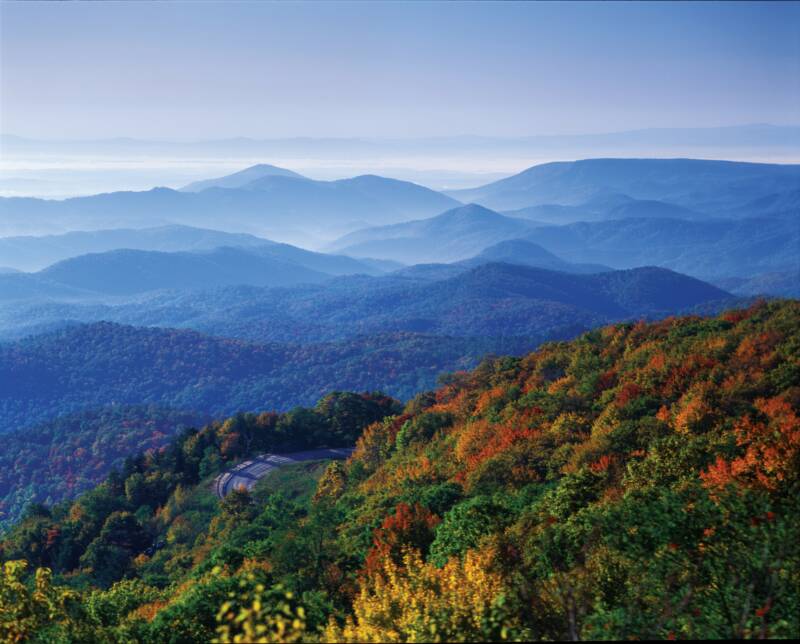
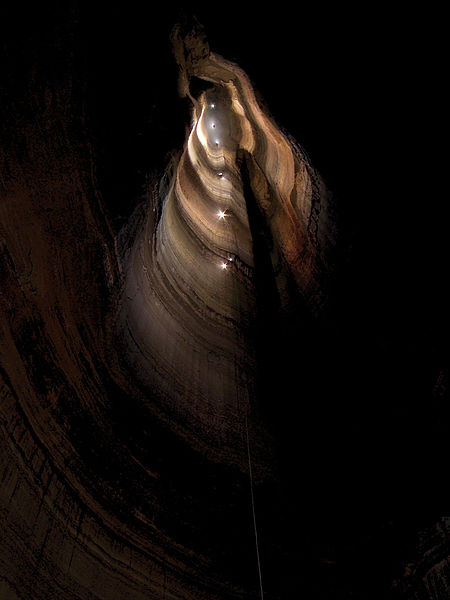
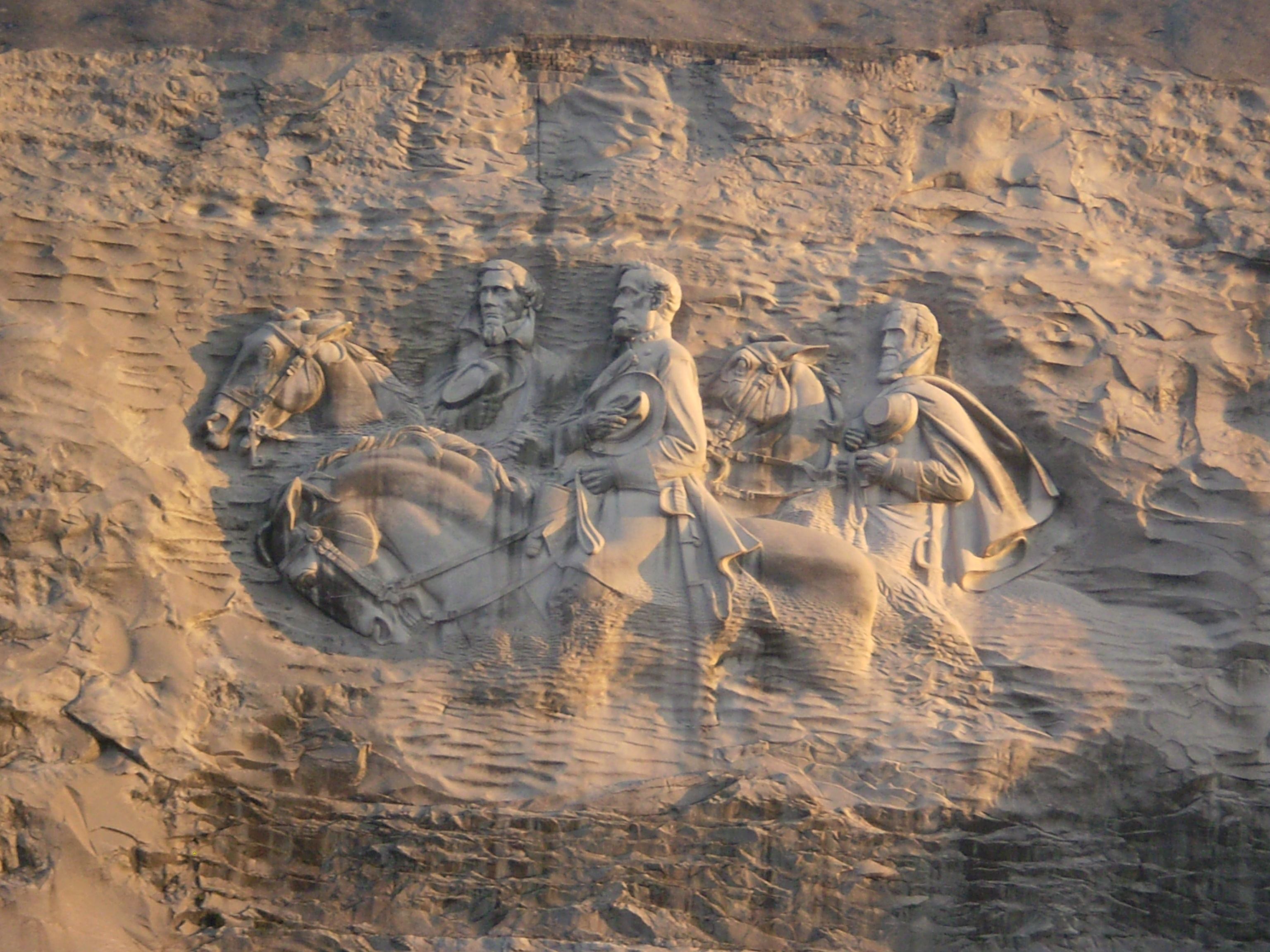
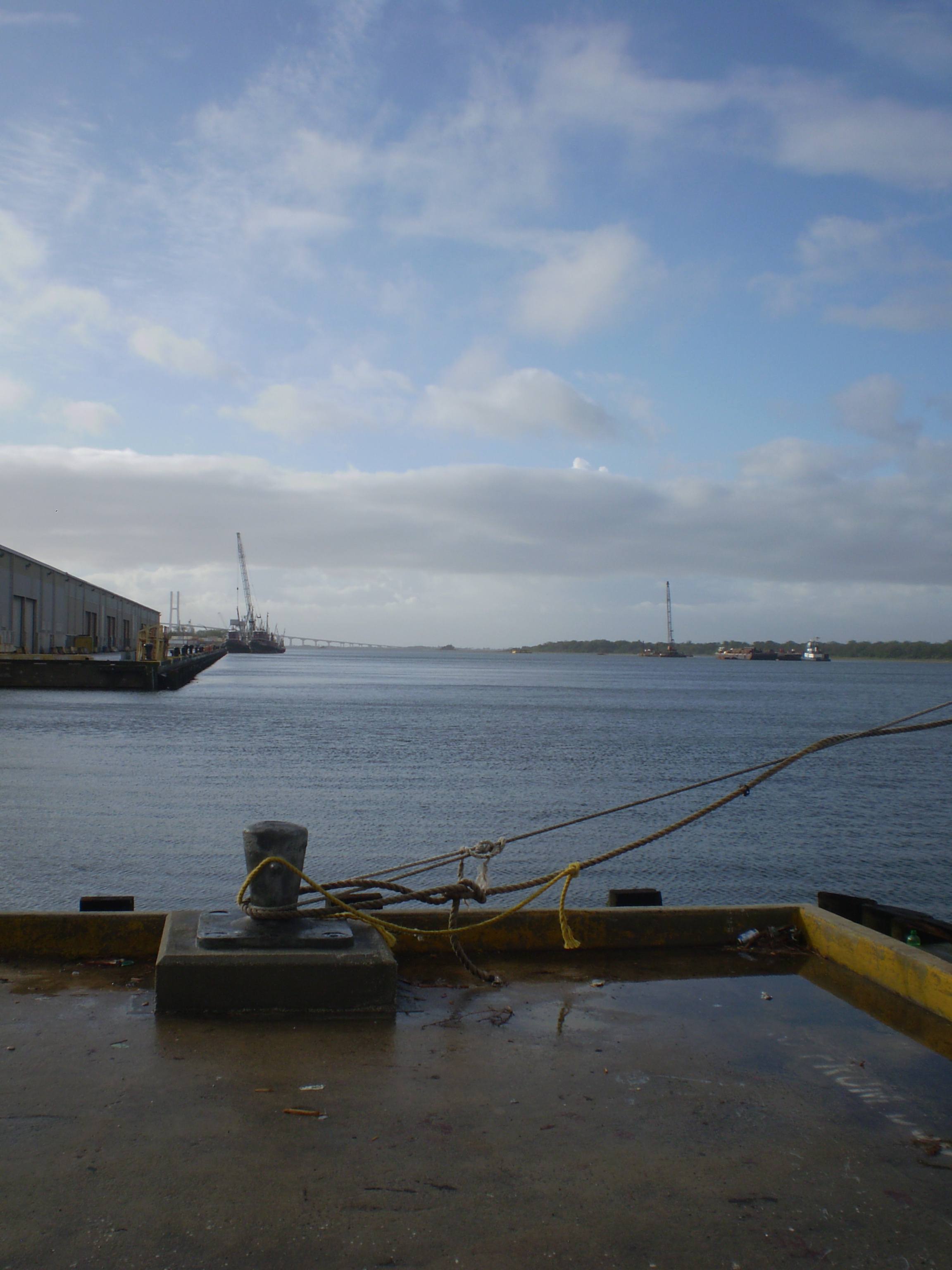
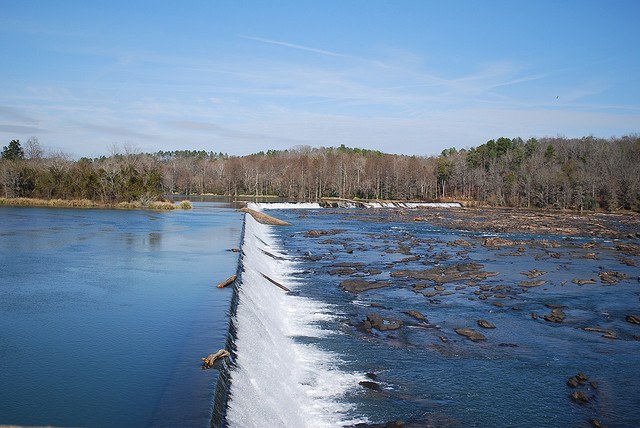
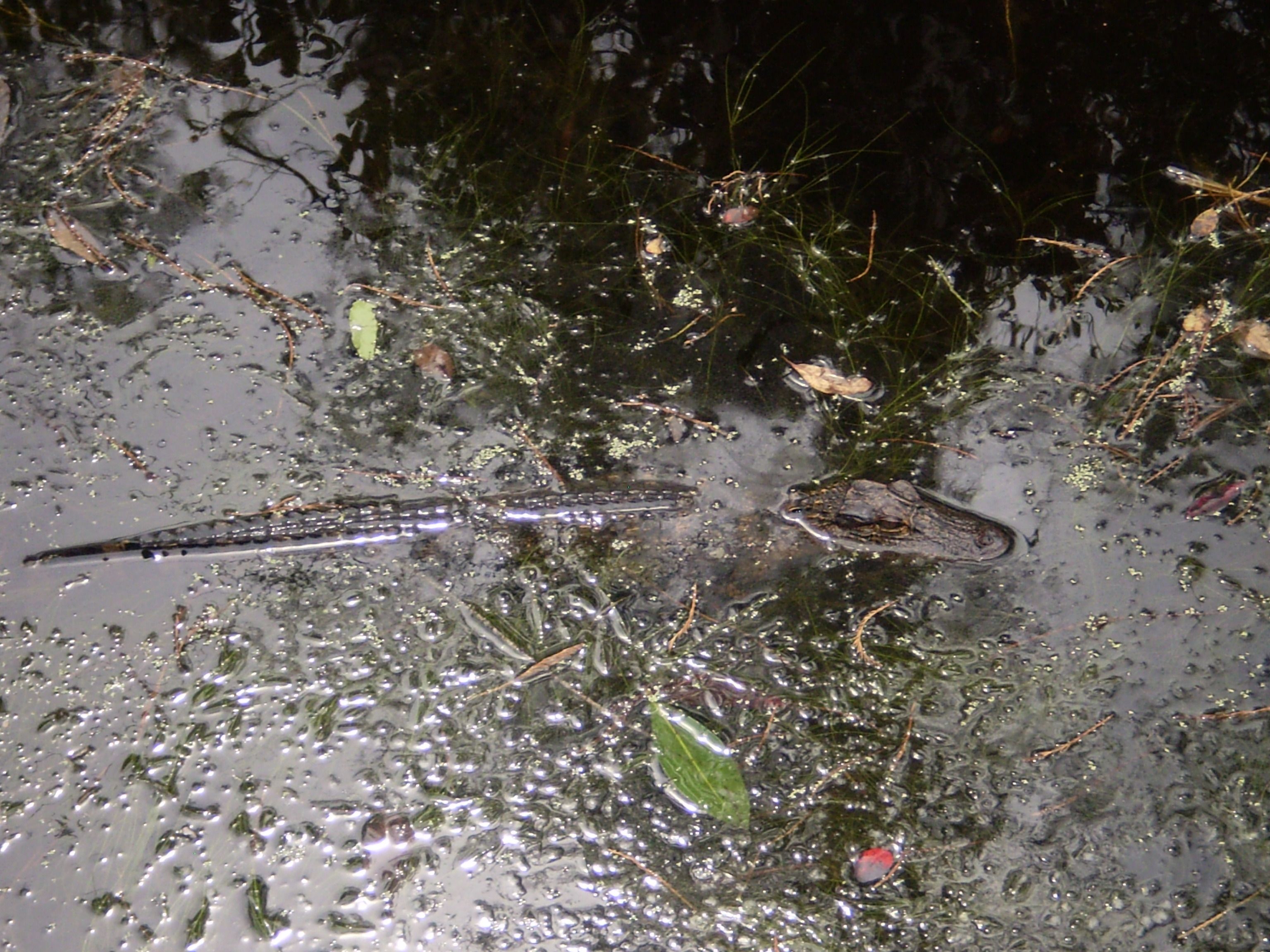
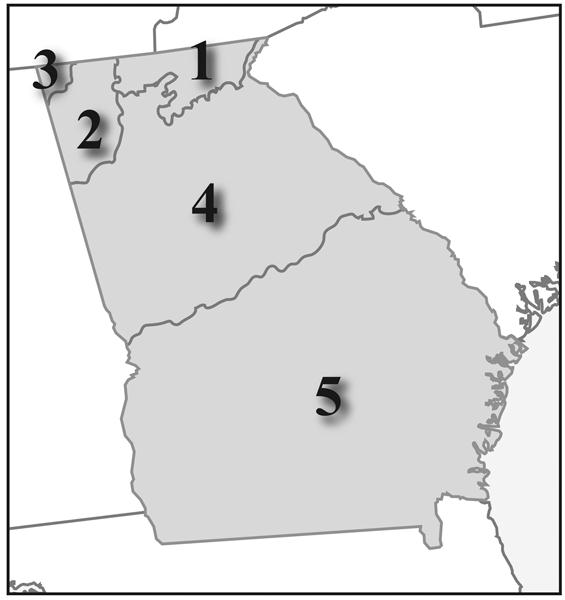
-Flat Land in Southern Georgia
-Hot Summers and Cool Winters
-Many Agricultural Products Peanuts, Pecans, Vidalia Onions, and Timber
-Deep Water Ports
-Serves as most of the Gerogia-South Carolina border
-Forms Lake Hartwell in eastern Georgia
-Lies in the Piedmont and Coastal Plain regions
-Source of hydroelectric power
-Source of irrigation and drinking wate

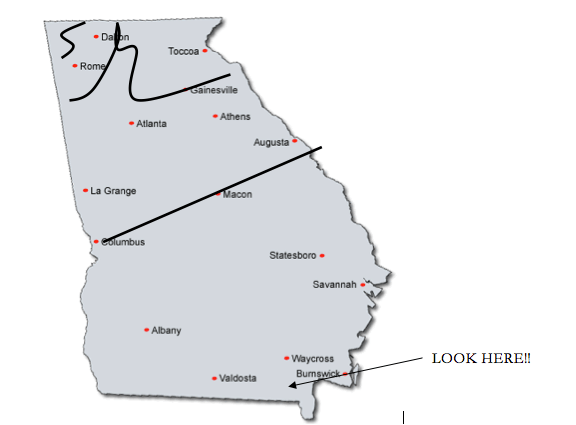
The BOLD line (with arrows pointing to it) represents which river in Georgia that is a source of water, recreational activities, and access rights are disputed by Alabama and Florida.

