
 Worksheets
Neolithic Revolution
Total questions: 64
Worksheet time: 33mins
innovations, cultivation
The Neolithic Revolution is a turning point because...
Historians love fancy words
It changed human history FOREVER
It continued habits from Paleolithic times
The Neolithic Revolution is...
When humans began migrating around the world
When humans discovered fire
When domestication of plants & animals began
Domestication is...
Breeding animals/plants for qualities you like
Migration from Africa to Asia
Cats & dogs
SOCIAL life changed in the Neolithic Revolution because...
Surplus of food led to social classes, but before everyone was the same
Food scarcity forced humans to be in small groups of hunter-gatherers
Everyone was egalitarian
POLITICAL life changed in the Neolithic Revolution because...
Kings were at the top of the Social Hierarchy afterward
Everyone remained equal
Farming made people sick and die
ECONOMIC life changed because of the Neolithic Revolution because...
women and men remained equal
People started to farm instead of hunt & gather
Women became more powerful than men
SEDENTARY life is...
settled life- as in farms & civilizations
nomadic life- as in migration from place to place
pastoral life- as in herders or cowboys
Specialization of labor is...
People have different jobs
Everyone farms so there is enough food
Migration
SURPLUS of food is...
Extra food that can be used for storage & allows large populations
Not enough food leading to starvation
Just the right amount of food for survival
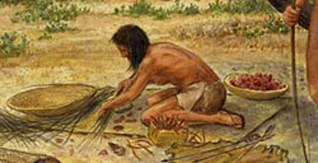
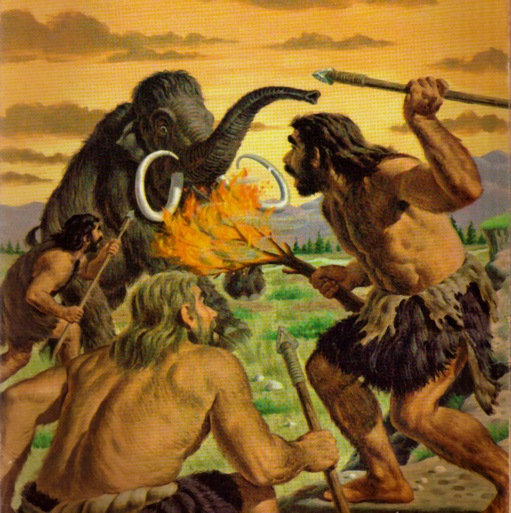
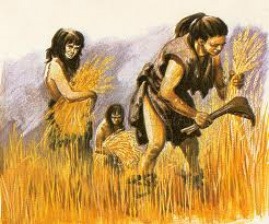

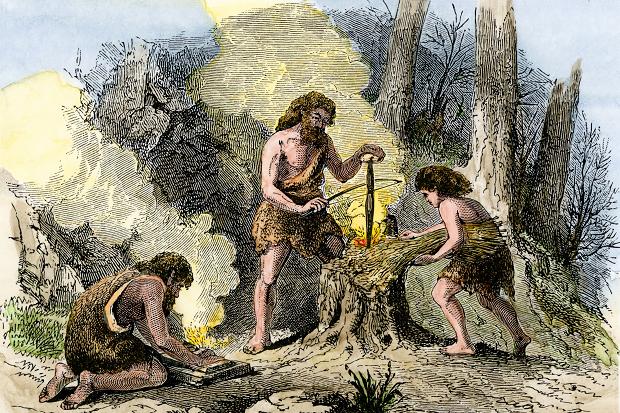
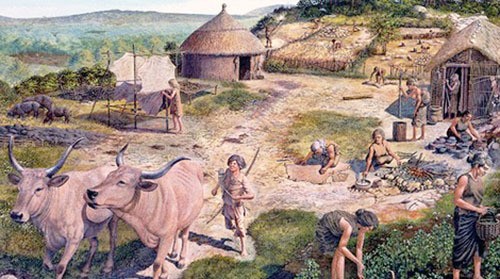
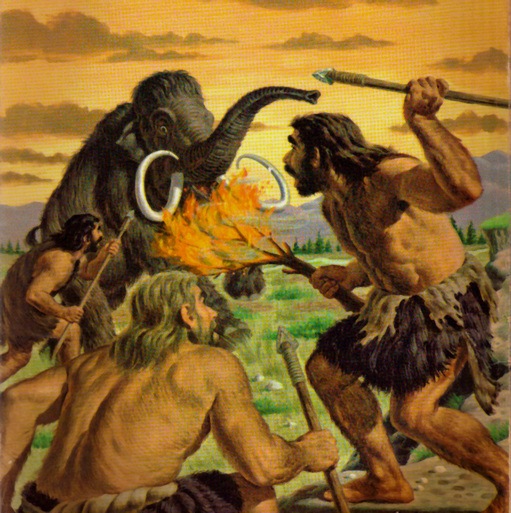
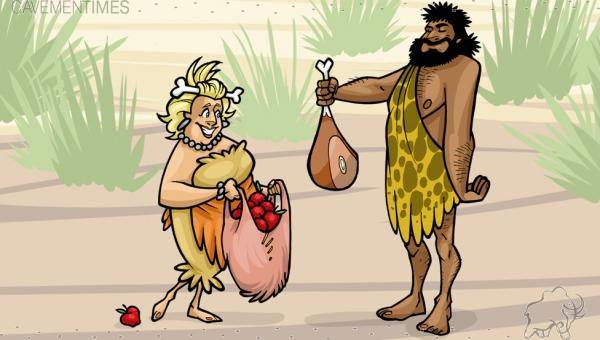


A surplus of food led to more complex societies
Artisans were:
Skilled workers who made jewelry and weapons
Unskilled workers
Nomads
Forgers
A key shift of the Neolithic Revolution was
Children began to work more
Shift from men hunting to women hunting
Shift from simple cultures to complex culture
Animals were no longer used for food
The book gives how many basic elements of a civilization?
1
4
5
6
A complex culture in which large numbers of humans share a number of common elements is:
Farming
Artisans
Religion
Civilization
Which is not a basic element of civilization
Religion
Government
Social Structure
Sports
Religions in early civilizations were almost always
Polytheistic
Monotheistic
Christianity
Buddhism
During the Neolithic Revolution population:
Slightly Increased
Increased by a large amount
Did not increase
Decreased
The average Band or Clan was about ____ people.
50-60
10-20
30-40
60-70
Which resources were LEAST important to Paleolithic peoples?
Water Sources
Edible Plants
Social Structure
Animal Herds
Early Humans began in ______ ________ and migrated across the World.
Eastern Africa
Southern Africa
Near East
Far East
The Agricultural Revolution lead to all the following results EXCEPT...
Male/Female Equality
Development of new jobs (Traders, Builders, Tool Makers)
Growth of villages into larger towns, eventually cities
Increased dependence on animals as a source of food and supporting labor
What was the first animal to be domesticated?
chickens
sheep
dogs
pigs
What was the greatest benefit to people when early farmers began to raise plants and animals?
easy travel
shared most work
kept pets
stable food supply
Some negative effects of the Neolithic Revolution are..
deforestation, overgrazing, & social inequality
more diverse diet & healthier human socieities
egalitarian societies, migration, & hunter-gatherer life styles.
Some positive effects of the Neolithic Revolution was
women gained more power & humans lived in harmony with nature.
egalitarian society & hunter-gatherer life style.
surplus of food, new technology for transportation, inter-regional trade

Which social scientist would find these tools most useful in understanding how early man lived?
an economist
a political scientist
an archaeologist
a forensic detective

Based on the evidence provided by these images, which is most likely the geographic setting of Catalhoyuk?
a rainforest
a desert
a mountainous region
a plain or savanna (grassland)

Based on the evidence included in these images, one type of technology that the people of Catalhoyuk had developed included
use of metal.
wheeled carts.
carved wooden tools.
cloth weaving.


