
NEW
Font size
 Worksheets
taste and smell quiz
Total questions: 20
Worksheet time: 11mins

Senses that respond to chemicals in solution utilize which of the following:
Meissner's corpuscle
chemoreceptors
crista ampullaris
beta lactamase

Which of the following senses are most closely related:
touch and smell
smell and taste
taste and hearing
hearing and smell

Which of the following is linked closely to the limbic system:
gestation
equilibrium
olfactation
gustation

The nerves associated with smell are referred to as the:
olfactory receptor cells
smell cells
gustatory receptor cells
umami cells

Which of the following is false:
Olfactory and gustatory hairs are parts of the smell and taste nerve cells, respectively
Hearing and balance are both sensed in the inner ear
Taste buds are found only on the tongue
All of the above are false
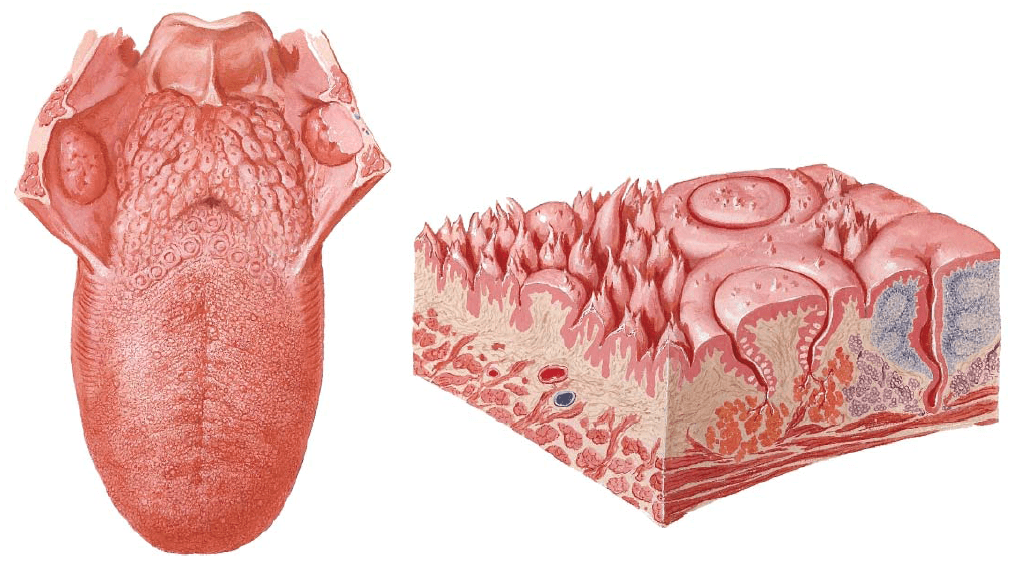
Small projections located on the tongue’s surface where taste buds are located are known as:
papillae
gustatory cells
olfactory epithelium
mucous producing glands

Which of the following papillae do not contain taste buds:
fungiform
filiform
circumvallate
all of the above

Which of the following receptors guide the intake of carbohydrates:
sweet
sour
bitter
umami
salty

Which of the following receptors respond to nitrogen containing molecules:
sweet
sour
bitter
umami
salty

Which of the following receptors guides the intake of protein:
sweet
sour
bitter
umami
salty

Which of the following receptors would guide the intake of minerals such as sodium, potassium, calcium, iron, etc:
sweet
sour
bitter
umami
salty

Which of the following responds to acidic solutions:
sweet
sour
bitter
umami
salty

Which of the following detects spoiled foods and poisons:
sweet
sour
bitter
umami
salty
Our noses can detect chemicals in the air
True
False
NOT a primary taste sensation
bitter
salty
sweet
peppery
can detect the largest variety
taste buds
olfactory receptors
cones
rods
chemical sense of smell
ageusia
gustation
olfaction
anosmia
A person who can smell nothing has:
anosmia
hyperosmia
hyposmia
Redosmia
A person can smell through their mouth and through their nose.
true
false
The taste buds that are the most resilient as a person ages are:
Bitter
Sour
Sweet
Salty

