
 Worksheets
Invasive Species
Total questions: 10
Worksheet time: 10mins

When functioning properly, ecosystems house organisms that keep each other’s populations _________________.
balanced
in peril
extinct
growing out of control

What is an invasive species?
A species that is in an ecosystem as a result of primary succession
A species that is native to the land
A species that is not part of the original ecosystem but has made its way into it
A species that wipes out all organisms in the area

Kudzu has overgrown many parts of the southern United States and as a result, many native ground plants have disappeared from the area. This is an example of:
Parasitism between kudzu and the native plants
A predator/prey relationship between ground plants and kudzu
Competition occurring between the native and invasive species
Commensalism occurring between the kudzu and native plants

Why are Burmese pythons not a problem in their native Asia, but are a problem in Florida?
They are much bigger in Florida
Diseases, parasites, and predators help to control their population in Asia
They have more predators in Florida
They have less predators in Asia

How were European rabbits introduced to Australia?
Accidentally, on ships
Accidentally, carried by a hawk
Intentionally, as small game to hunt
Intentionally, to keep plant species in check
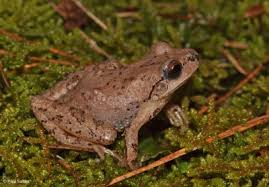

A limiting factor is:
Environmental factors that restrict the size or range of a species
Environmental factors that allow a species to grow exponentially
Environmental factors that allow a species to exceed its carrying capacity
Environmental factors that keep an organism in one area

An example of a limiting factor is:
Climate
Food availability
Presence/absence of predators
All of the above

If a species is introduced to a new habitat, and the limiting factors of the new habitat fail to restrict the species' growth, the species will:
Continue to multiply
Out compete native species for resources
Disrupt the ecosystem
All of the above

The __________________ of a species in an environment is the maximum population size of the species that the environment can sustain indefinitely, given the food, habitat, water, and other necessities available in the environment.
limiting factors
carrying capacity
extinction
growth

