
 Worksheets
Nuclear Chemistry Review Questions
Total questions: 20
Worksheet time: 39mins
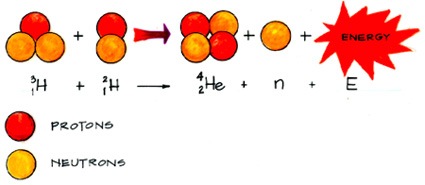

The nuclear process occurring at all nuclear power plants today.
Nuclear fusion
Nuclear fission
Combustion
Multiplication
What is the arguably one of the largest benefits of nuclear fusion over nuclear fission?
Nuclear fusion produces no radioactive waste
Nuclear fusion produces more radioactive waste
Nuclear fusion is cheaper and easier to produce
Nuclear fusion requires rare, expensive elements to work
This is the name for the type of radiation that naturally occurs in the environment and is generally safe.
background radiation
environmental radiation
ionizing radiation
acceptable radiation
What makes an element's nucleus unstable and therefore radioactive?
Too many protons with the same charge repelling away from each other.
Not enough neutrons to help bind the nucleus together.
A nucleus is bombarded with high speed particles that slam into the nucleus and make it unstable.
All the above can be factors

What kind of radiation do cell phones release?
Ionizing Radiation
Non Ionizing Radiation
No Radiation released

What type of radiation is released from a microwave?
Ionizing Radiation
Non Ionizing Radiation
No Radiation is released

What type of radiation is released from a tanning bed?
Ionizing Radiation
Non Ionizing Radiation
No radiation is released

What kind of radiation is used for X RAYS
Ionizing Radiation
Non Ionizing Radiation
X Rays don't use radiation
Which of the following is generally the largest source of background radiation?
nuclear power plants
rocks and soil
radon gas in the air
medical processes such as x-rays

What is being released from the top of these nuclear cooling towers?
acid rain causing sulfur compounds
greenhouse gases like CO2
water vapor
nuclear waste
What form of radiation is all light?
electromagnetic radiation
ionizing radiation
particle radiation
visual radiation
Which of the following is a form of radiation?
Radio Waves
Visible Light
Warmth from a fire
All of the above

Why do we need neutron absorption or control rods in a nuclear reactor?
it recycles the fuel
it increases heat absorption
it speeds up a reaction
it controls the speed of the reaction
Which of the following is a disadvantage of nuclear energy as a power source?
Nuclear energy (per pound of fuel source) produces less energy than the burning coal
Nuclear energy produces air pollution
Nuclear waste must be safely stored for a long time
The fuel source is a very limited resource in the US
Because the preparation of fissionable nuclear material is complex, how many countries are confirmed to have nuclear weapons?
5
15
25
35
Which of the following is TRUE?
All radiation is very dangerous and should be avoided
Radiation is all around us but is not useful to us in any way
Most radiation has no effect on living things and is used in many ways
Radiation is a poisonous gas released by certain elements
What is the proper scientific name for radiation that can effect other atoms?
ionizing radiation
toxic radiation
non ionizing radiation
radioisotope

