wayground logo

Free Printable Worksheets

Font size

S
M
L
XL
Worksheets

The Moon and it's Phases

Total questions: 146

Worksheet time: 3hrs 13mins

Name
Class
Date
1.

If the moon is roughly 3/4 illuminated we say it is in the _________________________ stage.

a)

Crescent

b)

New

c)

Gibbous

d)

Quarter

2.

If the moon is fully illuminated it is said to be a____________ moon.

a)

New

b)

Full

c)

Crescent

d)

Gibbous

3.

Which month is the best month to view moon phases because the number of days almost matches the lunar month?

a)

February

b)

April

c)

July

d)

December

4.

If the illuminated side of the moon is on the right, the moon is said to be:

a)

Waxing

b)

Shrinking

c)

Waning

d)

Not moving

5.

When the moon is between the sun and the earth, we basically do not see it. What is this phase called?

a)

Full Moon

b)

Waning Crescent

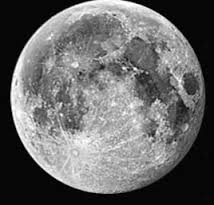
c)

Waning Gibbous

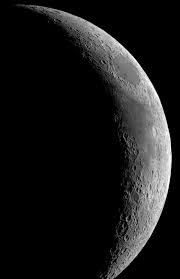
d)

New Moon

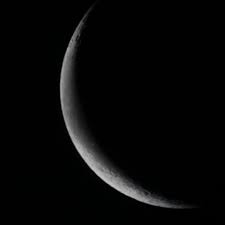
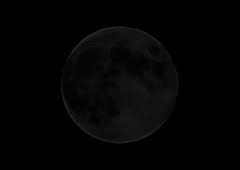
6.

Rotation describes an objects motion:

a)

Around the sun

b)

On it's own axis

c)

Around Earth

d)

Around Mars

7.

Why does the moon appear to shine?

a)

Because it reflects it's on light

b)

Because it makes it's own light

c)

Because it reflects light from the sun

d)

Because it reflects light from Earth

8.

What is the moon mostly made of?

a)

Green Cheese

b)

Hot gases

c)

Lava

d)

Rock

9.

Which phase below is NOT a phase of the moon?

a)

New Moon

b)

Waxing Crescent

c)

Old Moon

d)

Waning Gibbous

10.

As the moon continues it's journey around the Earth, the portion we see will begin to grow smaller or ___________?

a)

Wane

b)

Grow

c)

Stay the same

d)

Wax

11.

As the moon continues it's journey around the Earth, the portion we see will begin to grow smaller or ___________?

a)

Wane

b)

Grow

c)

Stay the same

d)

Wax

12.

A satellite is defined as something that orbits a planet. How many NATURAL satellite(s) does Earth have?

a)

Five

b)

Sixteen

c)

One

d)

Three

13.

Why do the craters and Maria that are on the moon still look the same?

a)

No one has ever been to the moon to disturb them

b)

There is no atmosphere or weather on the moon

c)

The temperature is too cold to change them

d)

There is so much gravity on the moon that pulls them

14.

The term REVOLUTION means to:

a)

An imaginary line that runs through Earth

b)

A phase of the moon

c)

A planet's elliptical orbit around the sun

d)

Spinning of a planet on it's own axis

15.

The Lunar Cycle is a fancy term for:

a)

The phases of the moon

b)

First cousin to the water cycle

c)

Second cousin to the rock cycle

d)

Chemical change

16.

We always see the same side of the moon because?

a)

We can only look at night

b)

We have low power telescopes

c)

The moon rotates and revolves at roughly the same rate the Earth does

d)

We don't know where to look

17.

This phase of the moon is just a small sliver. There is a waxing one and a waning one on each side of the new moon.

a)

Full Moon

b)

Crescent

c)

New Moon

d)

Gibbous

18.
Name the moon phase
a)
First Quarter
b)
Last Quarter
c)
New Moon
d)
Full Moon
19.
Tides are caused by ___________
a)
wind
b)
gravitational pull of moon
c)
waves gravitation toward land
d)
rain
20.
Which of the following statements is most accurate about the Movement of Earth and the Sun?
a)
The Sun revolves around the Earth
b)
The Earth rotates around the Sun
c)
The Earth revolves around the Sun
d)
The Earth rotates and revolves around the Sun 
21.
What is a lunar month?
a)
The time from one new moon to the next new moon.  
b)
The time from one full moon to the next full moon. 
c)
The time it takes the moon to orbit the earth.
d)
The month of October .
22.

When the Moon is directly between the Sun and the Earth, what phase would the Moon be in?

a)

Full Moon

b)

New Moon

c)

Half Moon

d)

Waxing Crescent

23.

What term is associated with the moons that are increasing in size (more light on them) each day?

a)

Waxing moons

b)

Waning moons

c)

Crescent moons

d)

Gibbous moons

24.

What phase of the moon is this?

a)

Waxing Gibbous

b)

Waning Gibbous

c)

Waxing crescent

d)

Waning crescent

25.
The different phases of the Moon are caused by:
a)
The days of the months
b)
The angle at which we see the lit Moon as it revolves around the Earth
c)
The position of the Earth in its orbit around the Sun
d)
The tides of the ocean
26.

The Moon gets its light from the

a)

It reflects the Earth's light

b)

It reflects the other stars' light

c)

It reflects the Sun's light

d)

It makes its own light

27.

About how long does it take the Moon to complete it's cycle?

a)

around 1 week

b)

around 1 month

c)

around 1 year

d)

around 1 day

28.

What phase of the moon is shown?

a)

waning gibbous

b)

1st quarter

c)

waxing crescent

d)

Waxing gibbous

29.
Name the phase of the moon that comes BEFORE this moon phase.
a)
waxing gibbous
b)
waning gibbous
c)
waning crescent
d)
waxing crescent
30.

How much of the Moon is always reflecting light from the Sun?

a)

The entire moon is always illuminated

b)

Half of the Moon is always illuminated; it's just not always facing Earth

c)

Half of the Moon is illuminated only during the new moon

d)

Half of the Moon is illuminated only during the full moon

31.

What is the phase of the Moon at position #5?

a)

New Moon

b)

Third Quarter Moon

c)

First Quarter Moon

d)

Full Moon

32.

What is the phase of the Moon at position #5?

a)

New Moon

b)

Third Quarter Moon

c)

First Quarter Moon

d)

Full Moon

33.

What is the correct phases of the Moon at position 3?

a)

Waning Crescent

b)

First Quarter (or Waxing Half)

c)

Third Quarter (or Waning Half)

d)

Waxing Gibbous

34.
What are the correct phases of the Moon from position 6 through 8?
a)
Waning Crescent, First Quarter, Waning Gibbous
b)
Waning Gibbous, Third Quarter, Waning Crescent
c)
Waxing Crescent, First Quarter, Waxing Gibbous
d)
Waxing Gibbous, Third Quarter, Waxing Crescent
35.
Is the Moon bigger or small than the Earth?
a)
Bigger
b)
Smaller
c)
The same
36.
When the Earth is between the Moon and the Sun, it is most likeky a:
a)
Full Moon
b)
Half Moon
c)
3rd Quarter Moon
37.
The Moon gets its light from the
a)
Earth
b)
Stars
c)
Sun
38.
About how long does it take the Moon to complete it's cycle?
a)
1 week
b)
1 month
c)
1 year
39.
Why does the Moon have different phases?
a)
It follows the Sun around the Earth.
b)
It moves around the Earth.
c)
It moves around the Sun.
40.
What is the correct order of the Moon Phases?
a)
1st Quarter, 3rd Quarter, New, Full
b)
New, 1st Quarter, Full, 3rd Quarter
c)
New, Full 1st Quarter, 3rd Quarter
41.
We can see the light shining on the Moon during the New Moon Phase. 
a)
True
b)
False
42.
When the Moon is between the Earth and the Sun, it is most likely in what phase?
a)
New
b)
3rd Quarter
c)
Full
43.
People from Earth have traveled to the Moon.
a)
True
b)
False
44.
How many phases of the moon are there?
a)
eight
b)
four
c)
ten
45.
How does the Moon move relative to the Earth and Sun?
a)
Moon revolves around Sun
b)
Moon revolves around Earth
c)
Earth revolves around Moon
d)
Moon rotates around Sun
46.
Where does moonshine come from?
a)
Moon creates its own light
b)
From reflected sunlight
c)
From reflected earthshine
d)
From refracted starshine
47.
What does the word "lunar" mean?
a)
Related to the Moon
b)
Related to the Sun
c)
Related to the Earth
d)
Related to eclipses
48.
What causes the Moon to change phases throughout the month?
a)
Earth's shadow on the Moon
b)
Earth seeing the Moon from different angles
c)
Sun's shadow on the Moon
d)
Moon's shadow on the Earth
49.
What does "waxing" mean?
a)
Become larger, stronger, brighter
b)
Become smaller, weaker, dimmer
c)
Rotate
d)
Revolve
50.
What is a "gibbous" shape?
a)
Half circle
b)
Less than half circle
c)
More than half circle
d)
Full circle
51.
Is there a "dark side" of the Moon, the same side that is always in darkness?
a)
Yes, of course
b)
No, it's a myth
52.
How much of the Moon's surface is lit by the Sun?
a)
100% (all of it)
b)
50% (half of it)
c)
25% (quarter of it)
d)
It changes between 0-100%
53.
From Earth, why do we always see the same side of the Moon?
a)
Moon doesn't rotate
b)
Earth's rotation is faster than Moon's
c)
Moon's rotation is same speed as its revolution
d)
Moon's rotation is faster than Earth's
54.
From Earth, why do we always see the same side of the Moon?
a)
Moon doesn't rotate
b)
Earth's rotation is faster than Moon's
c)
Moon's rotation is same speed as its revolution
d)
Moon's rotation is faster than Earth's
55.
Roughly once a month, during the Full Moon, why do we not always see a lunar eclipse?
a)
Earth's tilted axis
b)
Earth's tilted orbit
c)
Moon's tilted orbit
d)
Moon's tilted axis
56.
How many days does one cycle of lunar phases take?
a)
29.5
b)
365
c)
28-31
d)
7
57.
When the Moon is between the Earth and Sun, what is the phase?
a)
Full
b)
New
c)
Quarter
d)
Crescent
58.
When the Moon is on the opposite side of Earth from the Sun, what is the phase?
a)
Full
b)
New
c)
Quarter
d)
Gibbous
59.
When the Moon is at a right angle to the Earth relative to the Sun, what phase is it?
a)
Full
b)
New
c)
Quarter
d)
Harvest
60.

Which moon phase is pictured?

a)

Full Moon

b)

New Moon

c)

Waning Gibbous

d)

Third Quarter

61.

Which moon phase is pictured?

a)

Waxing Gibbous

b)

Waning Gibbous

c)

First Quarter

d)

Last Quarter

62.

Which moon phase is pictured?

a)

Waxing Crescent

b)

Waning Gibbous

c)

Waxing Gibbous

d)

First Quarter

63.

Which moon phase is pictured?

a)

Waxing Crescent

b)

Waning Gibbous

c)

Waxing Gibbous

d)

First Quarter

64.

Which moon phase is pictured?

a)

Waxing Crescent

b)

Waning Crescent

c)

New Moon

d)

Waning Gibbous

65.

Which moon phase is pictured?

a)

Third Quarter

b)

First Quarter

c)

Waning Gibbous

d)

Waxing Gibbous

66.

Which moon phase is pictured?

a)

Last Quarter

b)

Waning Crescent

c)

First Quarter

d)

Waxing Crescent

67.

Which moon phase is pictured?

a)

New Moon

b)

Waxing Gibbous

c)

Full Moon

d)

Third Quarter

68.

Which moon phase is pictured?

a)

Third Quarter

b)

Waning Gibbous

c)

Waxing Gibbous

d)

Full Moon

69.

True or False: The moon emits it's own light.

a)

True

b)

False

70.

Select all the following that are true about the full moon.

a)

The entire moon is illuminated by the sun.

b)

The sun illuminates the side of the moon not visible by the Earth.

c)

The moon is in between the Sun and Earth.

d)

The Earth is in between the moon and Sun.

71.

What is the relationship between the Moon, Earth, and Sun that makes the moon phases?

a)

Light from the Sun reflects off the Earth onto the Moon.

b)

Light from the Sun reflects the shadow of the Earth on the moon.

c)

As the Moon makes its way around the Earth, the Sun illuminates different parts of the Moon's surface at different angles.

72.

When the Earth is between the Moon and the Sun, it is most likely a:

a)

Full Moon

b)

Half Moon

c)

3rd Quarter Moon

73.
The Moon gets its light from the
a)
Earth
b)
Stars
c)
Sun
74.
About how long does it take the Moon to complete it's cycle?
a)
1 week
b)
1 month
c)
1 year
75.
Why does the Moon have different phases?
a)
It follows the Sun around the Earth.
b)
It moves around the Earth.
c)
It moves around the Sun.
76.
We can see the light shining on the Moon during the New Moon Phase. 
a)
True
b)
False
77.
People from Earth have traveled to the Moon.
a)
True
b)
False
78.
How many phases of the moon are there?
a)
eight
b)
four
c)
ten
79.
a)
new 
b)
waning gibbous
c)
full 
80.
a)
1st quarter 
b)
waxing crescent 
c)
last quarter
81.
a)
waxing gibbous
b)
new moon
c)
1st quarter
82.
a)
waxing gibbous
b)
new moon
c)
1st quarter
83.
a)
waxing gibbous
b)
waning crescent
c)
full moon
84.
a)
new 
b)
full 
c)
1st quarter
85.
a)
waning gibbous
b)
1st  quarter 
c)
waxing crescent
86.
a)
last quarter
b)
1st quarter
c)
waxing gibbous
87.
a)
new 
b)
waxing gibbous
c)
waning crescent 
88.

If we are experiencing a new moon on March 6 what will the moon look like on 15?

a)
b)
c)
d)
89.

What should the moon look like on the 5 of March?

a)
b)
c)
d)
90.

What moon would you expect to see on March 23rd?

a)
b)
c)
d)
91.

What moon would you expect to see on March 18th?

a)
b)
c)
d)
92.
Which moon phases are "crescents"?
a)
1 and 5
b)
2 and 8
c)
4 and 6
d)
3 and 7
93.

What comes directly after this moon phase?

a)

First Quarter

b)

waning gibbious

c)

New Moon

d)

Full Moon

94.

It's Full Moon today how long does it take to have another Full Moon?

a)

30 days

b)

1 year

c)

18 weeks

d)

1 hour

95.
What moon phase came right BEFORE this one?
a)
First Quarter
b)
Last Quarter
c)
New Moon
d)
Full Moon
96.

What is the missing lunar phase?

a)

Third Quarter

b)

Waxing Crescent

c)

New Moon

d)

Waning Gibbous

97.

Use the calendar to predict the moon phase on March 9th.

a)

New Moon

b)

Full Moon

c)

Third Quarter

d)

First Quarter

98.

Use the calendar to predict the moon phase on March 26th.

a)

Waxing Crescent

b)

Waning Crescent

c)

Waning Gibbous

d)

Waxing Gibbous

99.

Use the calendar to predict the moon phase on March 30th.

a)

New Moon

b)

Full Moon

c)

Third Quarter

d)

First Quarter

100.
Name the phase of the moon for letter a
a)
First Quarter
b)
Last Quarter
c)
Waxing Gibbous
d)
Waning Gibbous
101.
Name the phase of the moon for letter f
a)
Waning Gibbous
b)
Waxing Gibbous
c)
Waning Crescent
d)
Waxing Crescent
102.

What is a moon phase?

a)

The shape of the moon as the sunlight hits it during its revolution in about a month.

b)

It is a solar eclipse

c)

It is an ancient symbol

d)

It tracks time

103.

During the phases of the moon it appears to change shape. This change in appearance is due to the moon...

a)

Physically changing size and shape

b)

Reflecting a different amount of light due to the alignment with Earth and the sun.

c)

Moving closer and then farther away

d)

Having craters on its surface

104.

What part of the moon do we see from Earth?

a)

All of it

b)

None of it

c)

The same side

d)

Only one quarter

105.

The moon seems to change shape from day to day in a cycle that lasts about a month as it goes through...

a)

Revolutions

b)

Rotations

c)

Eclipses

d)

Phases

106.

As the moon shape appears to get smaller, we say the moon is...

a)

Swelling

b)

Waning

c)

Waxing

d)

Disappearing

107.

About how long does it take the moon to take one complete cycle around the earth?

a)

65 days

b)

365 days

c)

8 days

d)

28 days

108.

Which moon phase is when you can't see the moon at all.

a)

Waning crescent

b)

Waxing gibbous

c)

Full moon

d)

New moon

109.

What causes the phase of the moon to change each night?

a)

The moon changes it's shape throughout the course of a month.

b)

The season of the year determines the shape of the moon.

c)

The alignment between Earth, Moon and Sun determines the amount of light reflected by the moon.

d)

The closer the Moon is to Earth, the more light the Moon reflects.

110.

Phases of the moon in which the moon appears to be getting larger are referred as ...

a)

Waxing

b)

New

c)

Waning

d)

Eclipse

111.

Phases of the moon in which the moon appears to be getting larger are referred as ...

a)

Waxing

b)

New

c)

Waning

d)

Eclipse

112.

Phases of the moon in which the moon appears to be getting larger are referred as ...

a)

Waxing

b)

New

c)

Waning

d)

Eclipse

113.

Which of the following words describes the phases of the moon?

a)

none, quarter, half, three quarters, full

b)

dark, light, half, quarter, blue

c)

new, crescent, quarter, gibbous, full

d)

first quarter, second quarter, third quarter, fourth quarter
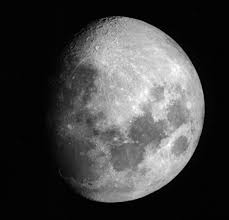
114.
The moon seems to change shape from day to day in a cycle that lasts about a month as it goes through _.
a)
revolutions
b)
phases
c)
rotations
d)
eclipses
115.
As the moon's shape appears to get smaller, we say that the moon is _.
a)
swelling
b)
waxing
c)
waning
d)
disappearing
116.
About how long does it take the moon to make one complete cycle around the earth?
a)
65 days
b)
8 days
c)
365 days
d)
28 days
117.
Phases of the moon in which the moon appears to be getting larger are referred to as _.
a)
waxing
b)
waning
c)
new
d)
eclipse
118.
Name the moon phase
a)
waning crescent
b)
waxing crescent
c)
waning gibbous
d)
waxing gibbous
119.
Name the moon phase
a)
waning crescent
b)
waxing crescent
c)
waning gibbous
d)
waxing gibbous
120.
Name the moon phase
a)
waning crescent
b)
waxing crescent
c)
waning gibbous
d)
waxing gibbous
121.
Name the moon phase
a)
First Quarter
b)
Last Quarter
c)
New Moon
d)
Full Moon
122.
Name the moon phase
a)
First Quarter
b)
Last Quarter
c)
New Moon
d)
Full Moon
123.
Name the moon phase
a)
First Quarter
b)
Last Quarter
c)
New Moon
d)
Full Moon
124.
When the moon is in between the earth and the sun it is a
a)
New Moon
b)
Full Moon
c)
First Quarter
d)
Third Quarter
125.
How many phases does the moon have?
a)
7 phases
b)
5 phases
c)
I do not know
d)
8 phases
126.
What phase comes AFTER this one?
a)
Waxing Crescent
b)
Waning Gibbous
c)
Waxing Gibbous
d)
Third Quarter
127.
The Moon orbits Earth in a ________________ direction
a)
clockwise
b)
counterclockwise
c)
upwards
d)
downwards
128.
Changes in the moon's appearance are
a)
phases
b)
eclipses
c)
stages
d)
cycle
129.
Define Waxing
a)
Moon is increasing and light part appears to be growing
b)
Completely illuminated
c)
dark side is facing earth
d)
Moon is decreasing and light part appears to be shrinking
130.
Define Gibbous
a)
Less than half of moon visible
b)
More than half of moon visible
c)
All of moon visible
d)
None of moon visible
131.
Define Gibbous
a)
Less than half of moon visible
b)
More than half of moon visible
c)
All of moon visible
d)
None of moon visible
132.
Define Full Moon
a)
None of moon is visible
b)
Half moon phase is visible
c)
Complete moon face is visible
d)
Less Than half of moon is visible
133.
Define New Moon
a)
None of moon is visible from Earth
b)
All of moon visible from Earth
c)
Moon is 1/2 visible from Earth
d)
Moon is more than Half Visible from Earth
134.
Define New Moon
a)
None of moon is visible from Earth
b)
All of moon visible from Earth
c)
Moon is 1/2 visible from Earth
d)
Moon is more than Half Visible from Earth
135.
Name this moon phase
a)
Waxing Gibbous
b)
Waxing Crescent
c)
Waning Crescent
d)
Waning Gibbous
136.
Name this moon phase
a)
Waning Crescent
b)
Waxing Crescent
c)
Waning Gibbous
d)
Waxing Gibbous
137.
Name this moon phase
a)
Waning Crescent
b)
Waxing Crescent
c)
Waning Gibbous
d)
Waxing Gibbous
138.
The phase of the moon that occurs between the sun and Earth
a)
Full moon
b)
Waxing crescent
c)
Waning Crescent
d)
New Moon
139.
The phase of the moon that occurs between the sun and Earth
a)
Full moon
b)
Waxing crescent
c)
Waning Crescent
d)
New Moon
140.
In which moon phase, can the moon not be seen at all?
a)
Waning crescent
b)
Full moon
c)
Waxing gibbous
d)
New moon
141.
The 1st Quarter moon is lit on the:
a)
Left Side
b)
Right Side
142.
What is the correct order of the moon phases?
a)
new, full, 1st quarter, 3rd quarter
b)
new moon, 1st quarter, full moon, 3rd quarter
c)
1st quarter, 3rd quarter, new moon, full moon
d)
new, 1st quarter, 3rd quarter, full
143.
Name this moon phase
a)
waning crescent
b)
waxing crescent
c)
waning gibbous
d)
waxing gibbous
144.
Name this moon phase
a)
First Quarter
b)
Last Quarter
c)
New Moon
d)
Full Moon
145.
Name this moon phase
a)
First Quarter
b)
Last Quarter
c)
New Moon
d)
Full Moon
146.
What are the reasons for the season?
a)
Earth's tilt & rotation
b)
Earth's tilt & revolution
c)
Earth's rotation & revolution
d)
Earth's tilt & resolution