
 Worksheets
Bonds
Total questions: 17
Worksheet time: 10mins
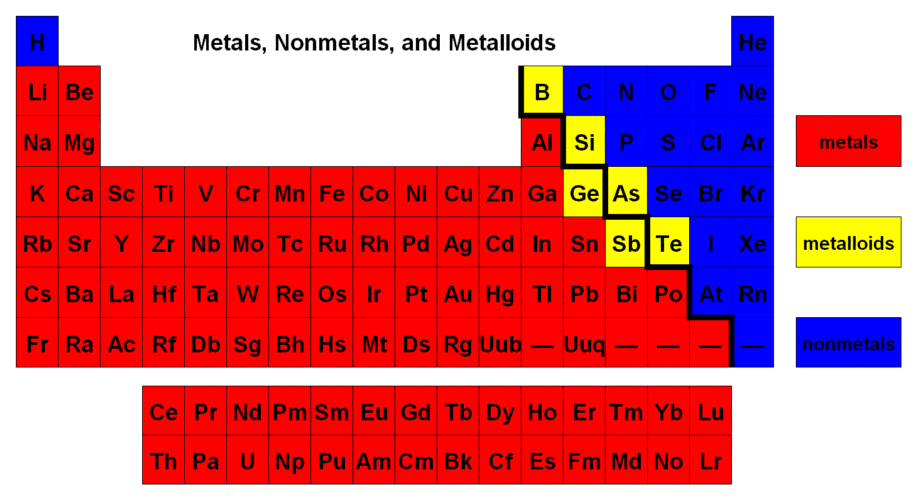
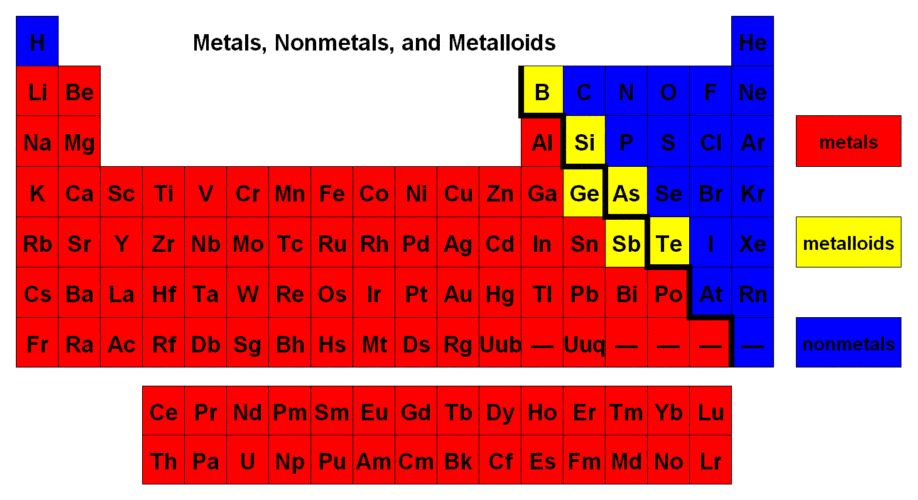
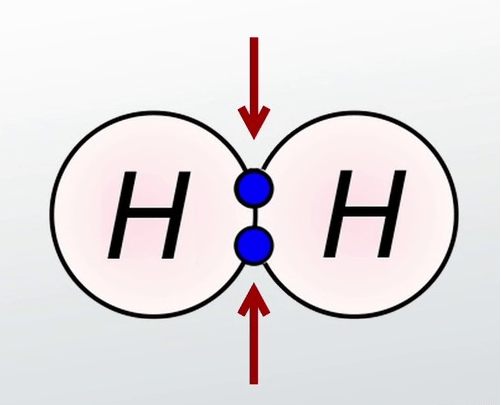
In a polar covalent bond, electrons are shared:
equally
unequally
between two metals
between a metal and a non-metal
Polar substances like water are good at dissolving ___________.
other polar substances
non polar substances
all substances
no substances
In a nonpolar covalent bond, electrons are shared:
equally
unequally
between two metals
between a metal and a non-metal
What is meant when it is said that atoms "share electrons"?
electrons orbit both atoms
electrons are split with half of the charge going to each atom
one atom gives extra electrons to the other
atoms have a charge
Polar molecules (those with polar bonds) ___.
are neutral but act as if each side has a charge
are charged compounds
are neutral molecules with no charge or attraction
Non-polar molecules (those with only nonpolar bonds) ___.
are neutral but act as if each side has a charge
are charged compounds
are neutral molecules with no charge or attraction
Ionic compounds (those held together with ionic bonds) ___.
are neutral but act as if each side has a charge
are charged compounds
are neutral molecules with no charge or attraction
What type of bonds make a compound hydrophobic?
Nonpolar only
Any type of covalent bond
Polar bonds only
Polar or ionic bonds
What type of bonds make a compound hydrophyllic?
Nonpolar only
Any type of covalent bond
Polar bonds only
Polar or ionic bonds
What type of bonds make a compound hydrophilic?
Nonpolar only
Any type of covalent bond
Polar bonds only
Polar or ionic bonds
What type of compounds dissolve in water?
Nonpolar only
Any type of covalent bond
Polar bonds only
Polar or ionic bonds
What type of compounds don't dissolve in water?
Nonpolar only
Any type of covalent bond
Polar bonds only
Polar or ionic bonds

