
 Worksheets
Europe
Total questions: 42
Worksheet time: 28mins
Name
Class
Date
1.
How do Europeans work to cooperate together and maintain peace?
a)
Membership in the European Union
b)
Agreeing never to argue again
c)
Agreeing that all countries are brothers to one another
d)
Membership in NAFTA
2.
Which of the following are major landforms in Europe?
a)
the Alps
b)
Italian Peninsula
c)
Iberian Peninsula
d)
all of these
3.
Which sea borders Europe to the south?
a)
North
b)
Baltic
c)
Mediterranean
d)
Caspian
4.
Europe is attached to which continent?
a)
Africa
b)
South America
c)
Australia
d)
Asia
5.
What is the main religion in Europe?
a)
Christianity
b)
Buddhism
c)
Islam
d)
Hinduism
6.
What oceans border Europe?
a)
Pacific and Atlantic
b)
Indian and Southern
c)
Atlantic and Arctic
d)
Indian and Pacific
7.
Protestants were protesting
a)
God
b)
Nobles
c)
The People
d)
Corrupt practices of the Catholic Church
8.

Which country is highlighted on the map?
a)
Germany
b)
Italy
c)
Poland
d)
Ukraine
9.

What is the name of the country that is dark green in the picture?
a)
Germany
b)
Russia
c)
United Kingdom
d)
Poland
10.

Spain
a)
C
b)
B
c)
D
d)
H
11.

France
a)
C
b)
B
c)
A
d)
H
12.

Germany
a)
E
b)
B
c)
F
d)
H
13.

Russia
a)
I
b)
B
c)
G
d)
H
14.

The Alps
a)
D
b)
B
c)
F
d)
G
15.

Name the physical feature.
a)
Ural Mountains
b)
Alps
c)
European Plain
d)
Pyrenees Mountains
16.

Which institution was very powerful during the Middle Ages?
a)
Catholic Church
b)
King
c)
Schools
17.

The time period where people were interested in learning again is called
a)
the Middle Ages
b)
Black Death
c)
the Renaissance
18.

Why would a country want to join the European Union (EU)?
a)
Removal of Trade Barriers ex): tariffs/taxes on imports
b)
Access to larger and competitive markets (more customers to sell to)
c)
Common currency $$$ in all countries (Euro)
d)
All of the above
19.

The industrial revolution brought many people to ____________ areas looking for factory jobs
a)
Urban
b)
Rural
20.
Which period in history is known as the time in which there was a "rebirth" of the arts and sciences in Europe?
a)
The Enlightenment
b)
The Renaissance
c)
The Crusades
d)
The Industrial Revolution
21.

19 of the 28 countries in the European Union use this common currency.
a)
dollar
b)
pound
c)
mark
d)
euro
22.
Where is the Scandinavian Peninsula?
a)
Northern Europe (Sweden and Finland)
b)
Western Europe (Portugal and Spain)
c)
Southern Europe (France)
d)
Eastern Europe (Russia)
23.
The European Union has made trade easier in Europe by using a common currency called the:
a)
Dollar
b)
Euro
c)
Crown
d)
Ruble
24.
The separation of Western and Eastern Europe by an imaginary line is known as
a)
Berlin Wall
b)
a river
c)
Iron Curtain
d)
a fence
25.
The Protestant Reformation had a lasting impact on Northern Europe.
a)
True
b)
False
26.
Which two countries form the Iberian Peninsula?
a)
Spain and Italy
b)
Spain and Portugal
c)
Norway and Sweden
d)
Denmark and Finland
27.
Europe had natural resources for the textile industry to flourish or grow. This marked the beginning of what era?
a)
Industrial Revolution
b)
French Revolution
c)
World War I
d)
World War II
28.
Which correctly identifies effects of the Industrial Revolution?
a)
Population growth, urbanization, pollution
b)
Population growth, Ruralization, Clean air
c)
Population decrease, Urbanization, pollution
d)
Population decrease, Ruralization, clean air
29.
A long term result of the Industrial Revolution in Europe was...
a)
Increase in the number of farms
b)
Decline in international trade
c)
General rise in standard of living
d)
A strengthening of economic power of the nobility
30.
Mountains that divide Russia by its European and Asian area
a)
Ural Mountains
b)
Alps
c)
Sierra Madre
d)
Rocky Mountains
31.
the process of moving from an agricultural society, in which most goods are handmade, to a society that thrives on machine-manufactured goods
a)
textile
b)
economy
c)
industrialization
d)
technology
32.
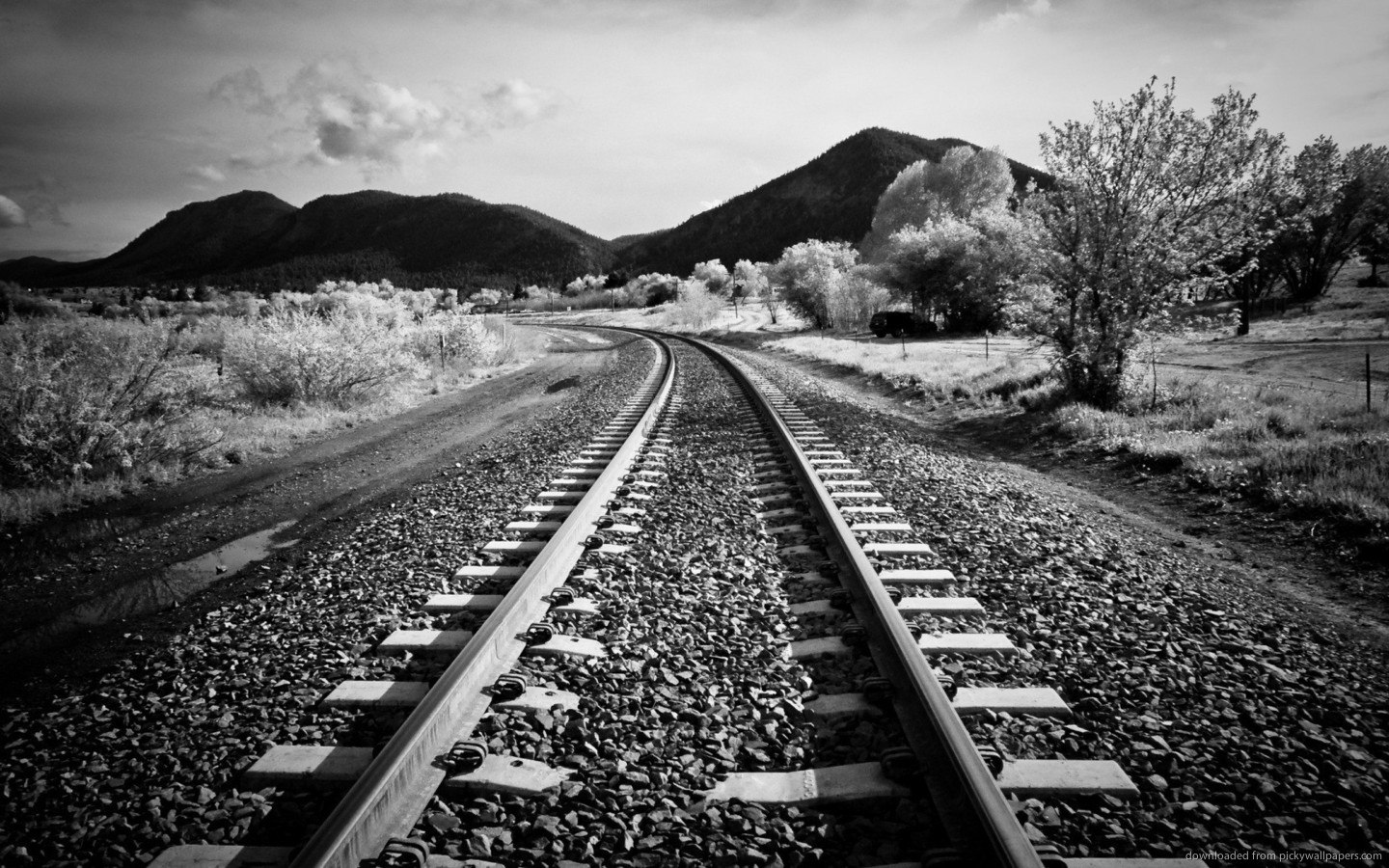
Why were railroads so important during this time?
a)
they moved goods more quickly and less expensively over greater distances
b)
they were fun to ride on to go visit family in other states
c)
people could ride on railroads to get to their jobs in another city
33.
A place where people and machines join together to mass produce goods.
a)
Cartel
b)
Corporation
c)
Factory
d)
Urbanization
34.
What is the movement from rural to urban areas called?
a)
Moving
b)
colonization
c)
inflation
d)
urbanization
35.
This machine allowed factories to be built anywhere, powered by coal.
a)
flying shuttle
b)
steam engine
c)
spinning jenny
d)
cotton gin
36.
Which statement is true?
a)
Children were not allowed to work in the mines during the Industrial Revolution
b)
Work conditions were closely regulated
c)
There were no labor laws that prevented children from working
d)
Children were allowed to work but they were treated fairly.
37.
What were living conditions in the city like during the Industrial Revolution?
a)
Very extravagant
b)
Strict housing regulations
c)
Spacious and luxurious
d)
Crowded and unsanitary
38.
Define urban
a)
relating to the city
b)
relating to the countryside
c)
people who work for hourly wages
d)
growth spurts
39.
Why do most Europeans live in cities?
a)
To avoid pollution
b)
The countryside is dangerous
c)
To find jobs
d)
To escape war
40.
Which of the following is a benefit of a common currency?
a)
It makes trade and travel throughout Europe easier.
b)
It makes trade throughout Europe more difficult.
c)
It makes it easier for Europeans to get jobs throughout the world.
d)
It creates conflict between nations.
41.
Who was Martin Luther?
a)
A man who worked out too much
b)
The man who beheaded anyone
c)
first leader of the Christian humanism movement
d)
the young monk who challenged the Roman Catholic Church
42.
What was the Reformation?
a)
pardons for sins
b)
the young monk
c)
the events that led to Protestantism
d)
a bill of rights
100 %

