
 Worksheets
Grasslands
Total questions: 28
Worksheet time: 49mins
Name
Class
Date
1.

Grasslands are located between a desert and a ________________.
a)
Ocean
b)
Desert
c)
Forest
2.

Grasslands are located everywhere EXCEPT
a)
Georgia
b)
Antarctica
c)
U.S.
3.

What kind of weather is there in the grasslands?
a)
sunny, windy
b)
cold, icy
4.

Wild Fire
a)
starts by mainly humans
b)
starts naturally from wind and dry weather
5.

Types of plants in the Grasslands
a)
wild flowers
b)
short grasses
c)
tall grasses
6.
The grasslands are found in the middle ____________
a)
graze
b)
trees
c)
fast
d)
latitudes
7.
Many animals of the grasslands do this.
a)
latitudes
b)
trees
c)
fast
d)
graze
8.

How can small animals stay safe from predators?
a)
Hide in the grass
b)
Hide behind the couch
c)
Stay out in the open
9.

There are many herbivores that live in the grasslands.
a)
True
b)
False
10.
There are different types of grasslands.
a)
True
b)
False
11.
The grasslands have plenty of shelter for animals.
a)
True
b)
False
12.

A habitat is home to a tangle of food chains called ___
a)
a nutrient hub
b)
an energy chain
c)
a food web
d)
the carbon cycle
13.
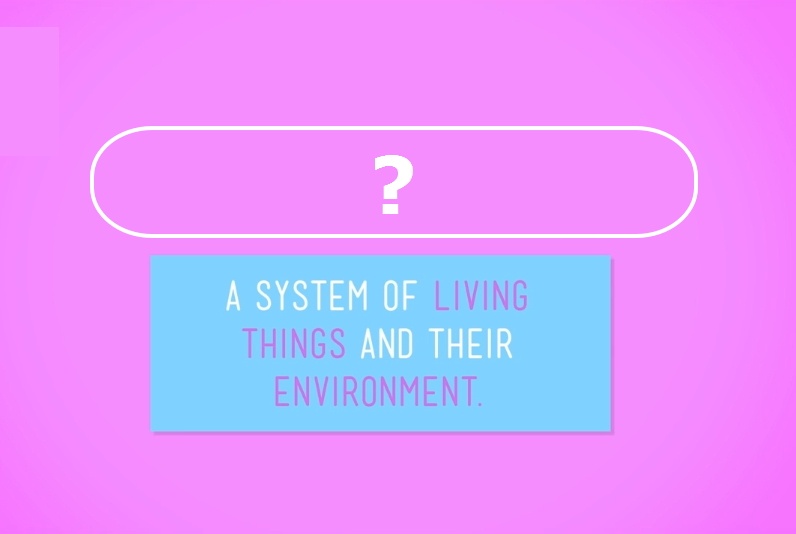
The interaction of living and non-living things in a habitat is called ___
a)
an environment
b)
an ecosystem
c)
a food web
d)
a food chain
14.
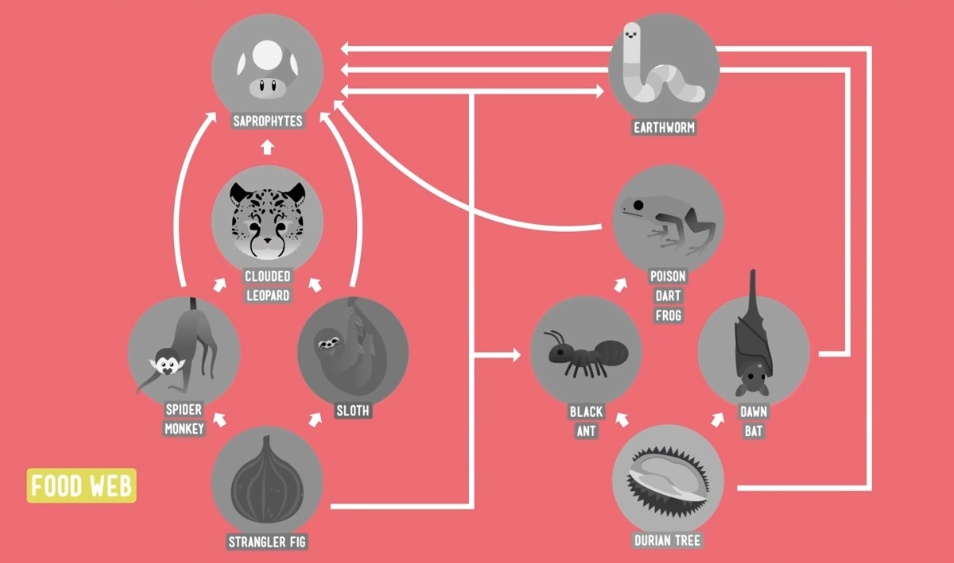
In the example, none of the animals had enough to eat, all because of the loss of ___
a)
one species
b)
two species
c)
three species
d)
several species
15.

What is a producer?
a)
an organism that gets energy from eating other organisms
b)
an organisms that uses sunlight to make its own food
c)
an organism that gets energy from eating dead organisms, non-living material or waste
d)
an organism that uses chemical energy to make its own food
16.
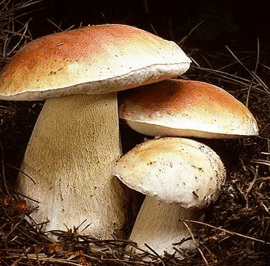
An organism that gets energy from breaking down dead organisms, non-living material or waste
a)
producer
b)
consumer
c)
decomposer
d)
autotroph
17.

An energy pyramid represents what?
a)
How much sunlight is available for the ecosystem to use.
b)
How much energy a particular organism needs.
c)
How much energy is needed to build a pyramid.
d)
The amount of energy available to the next 'feeder' in a food web.
18.
A plant growing in response to the sunlight.
a)
Geotropism
b)
Phototropism
c)
Thigmotropism
d)
Hydrotropism
19.

What is the source of energy for photosynthesis?
a)
carbohydrates-chemical
b)
sunlight-radiant
c)
heat-thermal
d)
television-electrical
20.
What gas is released by plants during photosynthesis?
a)
sulfur
b)
carbon dioxide
c)
oxygen
d)
hydrogen
21.
What are the products (what's made) during photosynthesis?
a)
glucose and oxygen
b)
water, light, and carbon dioxide
22.
What is the energy conversion during photosynthesis?
a)
chemical --> chemical
b)
thermal --> electrical
c)
chemical --> electrical
d)
radiant --> chemical
23.

In which organelle (part of the cell) does photosynthesis take place?
a)
mitochondria
b)
chloroplast
c)
nucleus
d)
cell membrane
24.

What type of tropism response to water?
a)
Hydrotropism
b)
Gravitropism
c)
Thigmotropism
d)
Phototropism
25.

What type of tropism response to light?
a)
Gravitropism
b)
Thigmotropism
c)
Phototropism
d)
Hydrotropism
26.

What type of tropism response to gravity?
a)
Hydrotropism
b)
Phototropism
c)
Thigmotropism
d)
Gravitropism
27.

A sunflower turns toward the sun, what type of tropism would this be?
a)
Hypothyroidism
b)
Phototropism
c)
Thigmotropism
d)
Gravitropism
28.

What type of tropism response to touch?
a)
Gravitropism
b)
Phototropism
c)
Thigmotropism
d)
Hydrotropism
100 %

