
 Worksheets
IA3 Review
Total questions: 30
Worksheet time: 30mins
Name
Class
Date
1.

The property of luster means..
a)
the hardness of a mineral
b)
the color of the mineral
c)
the streak the mineral leaves
d)
how the mineral reflects light
2.

A geologist is a scientist who studies_______.
a)
plants and animals
b)
fossils
c)
rocks and minerals
d)
ocean animals
3.
What mineral is the softest?
a)
quartz (7)
b)
mica (2)
c)
feldspar (6)
d)
talc (1)
4.

Using the Mohs Hardness Scale (click the text to see the Scale), name two minerals harder than Fluorite.
a)
Talc and Calcite
b)
Gypsum and Quartz
c)
Quartz and Feldspar
d)
Diamond and Talc
5.
A rock is a naturally formed solid made of one or more ________.
a)
elements
b)
chemicals
c)
minerals
6.

What is the process that picks up and moves weathered rocks?
a)
Erosion
b)
Landslide
c)
Weathering
7.
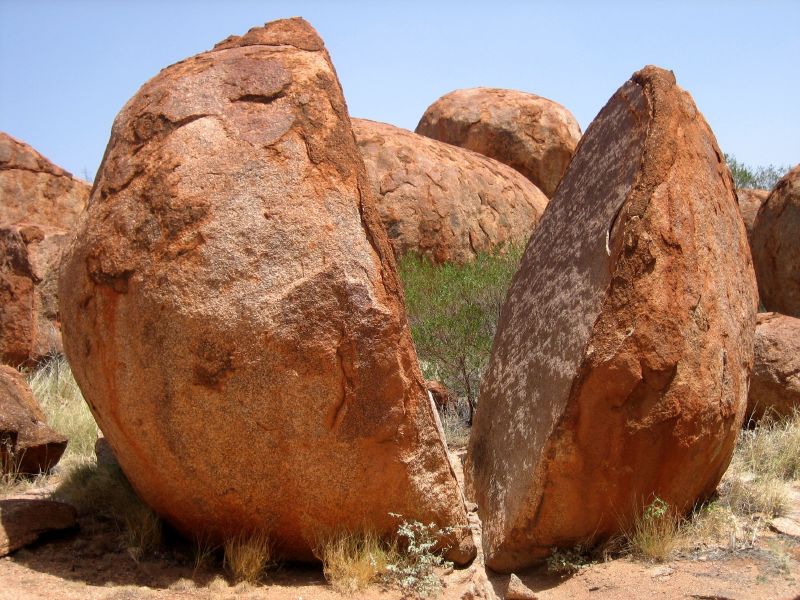
What is the wearing away or breaking down of rocks called?
a)
Weathering
b)
Erosion
c)
Glaciers
8.
Weathering and erosion are the same thing.
a)
True
b)
False
9.
What is soil?
a)
It is the loose material in which plants can grow in the upper layer of Earth.
b)
It is the leaf that grows on the plant.
c)
It is the food that can be found inside the seed.
10.
Humus is:
a)
the part of soil made up of decayed parts of once-living things.
b)
a dip that is made of garbanzo beans.
c)
a bone that can be found in the upper arm.
d)
a sound people make when their lips are together.
11.
There are FOUR components of soil: water, air, organic material, and ________.
a)
conservation
b)
rock
c)
subsoil
d)
loamy
12.
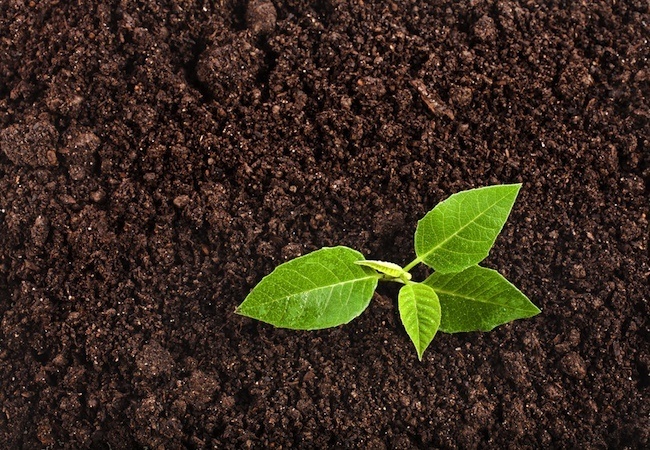
Which of the following is NOT one of the three types of soil?
a)
clay
b)
sand
c)
silt
d)
mud
13.

_______ is the type of soil used most often with plants. It is a mixture of clay, sand, and silt.
a)
loam
b)
humus
c)
mud
d)
dirt
14.

What is a soil problem all farmers face?
a)
soil hardening
b)
soil erosion
c)
soil spoiling
d)
soil pollution
15.
How would you describe the texture of "sandy" soil?
a)
sticky
b)
gritty
c)
smooth
d)
slimy
16.
What do we call dirt?
a)
air
b)
water
c)
soil
d)
ice
17.
I am gray in color. I am also very soft and powdery. What am I?
a)
silt
b)
humus
c)
clay
d)
loam
18.
The way soil feels is called its _____.
a)
type
b)
texture
c)
particle
d)
grain size
19.
I am red in color. I am hard when dry but sticky when wet. What am I?
a)
silt
b)
humus
c)
clay
d)
loam
20.
Many plants cannot grow in sandy soil. Why is this true?
a)
Sandy soil does not hold enough water.
b)
Oxygen cannot pass through sandy soil.
c)
Roots cannot easily push through clay soil.
d)
Sandy soil has too many nutrients.
21.
the trace or remains of an organism that lived a loooong time ago, often preserved in sediment
a)
half-life
b)
fossil
c)
geologic time-scale
d)
evolution
22.

this type of fossil is a mark or cavity made in sediment in the shape of a shell or other body
a)
cast
b)
trace
c)
petrified
d)
mold
23.
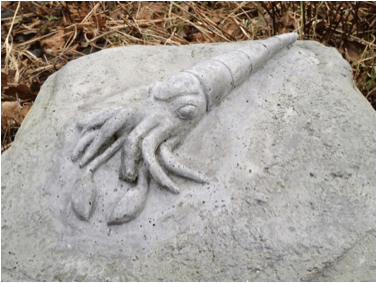
this type of fossil is a mold filled with sediment that creates a solid copy of an organism
a)
mold
b)
petrified
c)
cast
d)
trace
24.

this type of fossil provides evidence of the activities of ancient organisms; examples include marks left by footprints or tails
a)
mold
b)
carbon film
c)
trace
d)
cast
25.
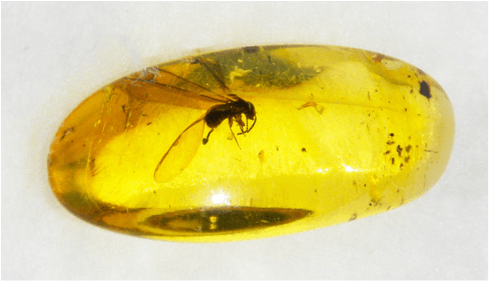
this material does an excellent job of preserving insect remains
a)
cast
b)
amber
c)
mold
d)
carbon film
26.

a scientist who studies fossils
a)
geologist
b)
biologist
c)
paleontologist
d)
chemist
27.
This word means something is gone forever. All of one kind of a plant or animal dies and is never seen again.
a)
trace fossil
b)
extinct
c)
preserved
d)
paleontologist
28.
Which animal part would MOST LIKELY form a fossil?
a)
fur
b)
lung
c)
bone
d)
muscle
29.
Fossils of fish are found under land where cows now live. What does this tell you?
a)
the fish were dropped their by flying birds
b)
this land was once under the ocean
c)
farmers fed the fish to the cows
d)
fish used to live on land
30.

In which kind of rock do we usually find a fossil?
a)
sedimentary rock
b)
rock candy
c)
hard rock
100 %

