Wayground logo

Free Printable Worksheets

Font size

S
M
L
XL
Worksheets

Sensory Receptors

Total questions: 25

Worksheet time: 15mins

Name
Class
Date
1.
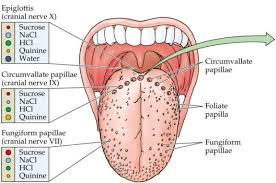
The sense of taste detects ________________ stimuli.
a)
chemical
b)
mechanical
c)
electromagnetic
d)
thermal
2.
The sense of smell detects ________________ stimuli.
a)
chemical
b)
thermal
c)
mechanical
d)
electromagnetic
3.
The sense of hearing detects ________________ stimuli.
a)
electromagnetic
b)
thermal
c)
mechanical
d)
chemical
4.
The sense of touch detects ________________ stimuli.
a)
electromagnetic
b)
chemical
c)
mechanical
d)
pH
5.
The sense of sight detects ________________ stimuli.
a)
electromagnetic
b)
chemical
c)
mechanical
d)
temperature
6.
Which properties of nerve cells are most important for their ability to carry out their task in helping animals deal with sensory input?
a)
Nerve cells are sometimes packed closely together and sometimes widely spaced.
b)
Nerve cells can carry signals and connect all parts of the body to the brain.
c)
Nerve cells can be damaged by a serious injury or by disease.
d)
Nerve cells grow and reproduce like other cells of the body.
7.
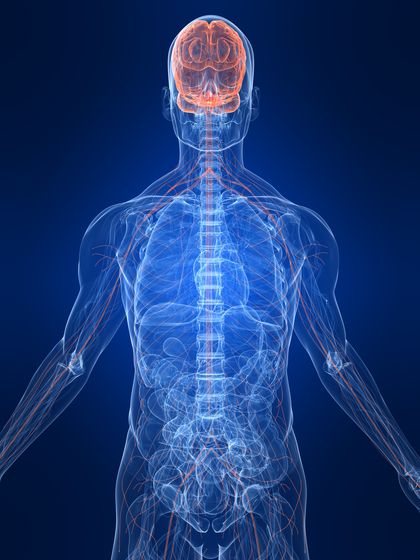
What is the main function of the nervous system?
a)
Responsible for control of the body and communication among body parts
b)
Responsible for production of offspring
c)
Helps to rid the body of toxins, water, and other unwanted materials and transports lymph, a fluid containing infection-fighting white blood cells, throughout the body
d)
Provides oxygen to the body's cells, while moving carbon dioxide
8.

“They are cells specialized in picking up stimulus, whether they are internal or external, and send them to the brain through the nervous system”. This is the definition of...

a)

Stimulus

b)

Receptor

c)

Sense

d)

Taste

9.
A receptor that detects light and darkness it's called...
a)
Photoreceptor
b)
Mechanoreceptor
c)
Chemoreceptor
d)
brightnessreceptor
10.
Taste receptors in the gustatory system are...
a)
Chemoreceptors
b)
Mechanoreceptors
c)
Electroreceptors
d)
Photoreceptors
11.

Taste and smell are similar because:

a)

They are both located on the face

b)

They both detect chemicals

c)

They both require conscious effort to detect

d)

They both bypass the brain

12.
What are the parts of the nervous system?
a)
Reflexes, brain, nerves
b)
Lungs, brain, nerves
c)
Brain, muscles, nerves
d)
Brain, spine, nerves
13.
Which of the following is the best example of how storing sensory information can benefit an organism?
a)
When a fire approaches, animals can sense the heat and are able to escape and avoid being harmed.
b)
Some male moths are able to use chemicals emitted by the female to find them, even from many miles away.
c)
Birds that get sick from eating monarch butterflies will avoid eating butterflies with the same coloration.
d)
Many predators have very good hearing that allows them to detect the movement of their prey.
14.

Anything that causes you to react is called

a)

sound

b)

response

c)

stimulus

d)

memory

15.

Memory is important for which behavior

a)

innate response

b)

learned response

c)

external stimuli

d)

internal stimuli

16.
Your body contains sense receptors that _________________ so your body can take in information and respond appropriately.
a)
send information to your brain
b)
warm your body
c)
keep you happy
d)
send information to your heart
17.

Animals use their _________ to gather information.

a)

senses

b)

memories

c)

survival

d)

specialized

18.

The systems within our body work together.

a)

False

b)

True

19.

Which answer below correctly orders the steps that our nervous system takes to sense the world around us?

a)

Sensory receptors in our sense organs receive information, then the message/signal travels through our nerves to our brain, and finally the brain processes this information and decides what to do

b)

Messages/signals travel through our nerves to our brain, then the brain processes this information and decides what to do, and finally the sensory receptors in our sense organs receive information

c)

The brain processes information and decides what to do, then sensory receptors in our sense organs receive information, and finally the message/signal travels through our nerves to our brain

20.

The part of the nervous system that carries signals/messages from our sensory receptors to our brain are ______________.

a)

nerves

b)

hormones

c)

intestines

d)

bones

21.

Sensory receptors in the skin have a different structure than sensory receptors in the eye. The most reasonable explanation for the difference in the structure of these receptors is that –

a)

receptors in the skin are connected to nerve cells, but receptors in the eye are not.

b)

receptors in the eye respond to a different type of input than receptors in the skin.

c)

there are many more sensory receptors in the skin than receptors in the eye.

d)

only the sensory receptors in the eye transmit signals directly to the brain.

22.

This diagram shows the process the body uses to respond to information received through the senses. Which of the following best describes the information that should fill in step 2?

a)

Information stored for later use

b)

Receptors respond to the information

c)

Information carried to the brain

d)

Body systems respond to the information

23.

The illustration below shows the structure of the human eye. The sensory receptors on the back of the eye react to light. The pupil is a hole in the iris, a structure in the front of the eye. Movements of the iris can cause the pupil to become larger or smaller. What observation would provide evidence for the claim that, by controlling the size of the pupil, the iris controls the amount of light that reaches the receptors in the eye?

a)

There are no sensory receptors directly on the pupil at the front of the eye.

b)

Shining a bright light directly away from the eye causes no change in the pupil.

c)

Other animals, such as fish and cats, have a pupil with a very different shape.

d)

The pupil becomes larger in dim light and smaller in bright light.

24.
These are specialized structures of the nervous system that pick up stimuli from inside or outside the body.
a)
Sensory Retrievers
b)
Sensory Input
c)
Sensory Signals
d)
Sensory Receptors
25.
What do you call specialized sense receptors that signal the body about danger with pain?
a)
painreceptor
b)
tasteceptor
c)
nociceptor
d)
electroreceptor