wayground logo

Free Printable Worksheets

Font size

S
M
L
XL
Worksheets

Science Review

Total questions: 93

Worksheet time: 8hrs 45mins

Name
Class
Date
1.

Salmonella and E. Coli can be found on ________________ and ________________ so it is important to cook all meat to kill bacteria.

a)

Waffles and scrambled eggs

b)

Broccoli and steamed corn

c)

Eggs and raw chicken

d)

Pancakes and bacon

2.
Harmful viruses can cause:
a)
Colds
b)
Influenza
c)
Both of the above
d)
Neither of the above
3.

Some algae can suddenly “bloom”, or grow, very quickly. People call this reddish water a red tide. Some algae in a red tide contain poison that can kill fish.

a)

Harmful

b)

Beneficial

4.

Which of the following is evidence that microorganisms can be harmful to larger organisms?

a)

Microorganisms break down wastes.

b)

Microorganisms can be used to make antibiotics

c)

Microorganisms can cause some foods to spoil

d)

Microorganisms can add nutrients to soil.

5.
Fungi is benefical to us because of the following reason:
a)
They are a source of oxygen
b)
They can clean up pollution
c)
They are a source of antibiotics
d)
They help to clean run off from waste
6.
What is true about bacteria?
a)
Bacteria use photosynthesis to make their own food
b)
Bacteria can only be found in dirt
c)
Bacteria is always beneficial
d)
Bacteria can be used to make certain foods
7.

Probiotics are an example of ....

a)

microorganisms that can make people sick

b)

microorganism that lives in the ocean

c)

live bacteria; and, all bacteria is harmful

d)

live bacteria; and, probiotics are helpful to humans by helping in the digestion of food

8.

Four students in Mrs. Harper's class make the following observations. Choose which student is correct

a)

Samerius says that all microorganisms are found in the ocean. Some are helpful, but some are harmful. It's best to shower after swimming at the beach.

b)

Emily says that all microorganisms are harmful. This is why we must get vaccinations and antibiotics from the doctor.

c)

Melissa says that some microorganisms are helpful and some are harmful. The best way to protect ourselves from harmful microorganisms is to wash our hands with soap and water.

d)

Jonathan says it's impossible to become sick from bacteria. Only viruses and fungi can make a person sick. Make sure to sneeze in your elbow to prevent the spread of germs.

9.
Which best describes where you would find microorganisms?
a)
in ponds, lakes, and oceans.
b)
in animals, plants, and humans.
c)
on food that has rotted.
d)
everywhere around us.
10.

Mold can be helpful when it helps dead things (plants, animals)...

a)

Grow

b)

Decay

c)

Reproduce

11.
Marco went to the doctor and was given a vaccine containing a virus. When Marco was surprised the vaccine contained a virus, the doctor explained that viruses and other microorganisms...
a)
only cause sickness to people
b)
can have benefits to people
c)
are rarely useful to people
d)
should not be placed in the body
12.

What are three helpful organisms?

a)

Mold, Salmonella, and E.coli

b)

Yeast, Algae, Mold

c)

Athletes Foot, Pink Eye, Strep throat

13.

Micro means...

a)

large

b)

tiny

c)

living

d)

many

14.
Which of the following is NOT made using helpful microorganisms?
a)
bread
b)
cheese
c)
steak
d)
yogurt
15.
Bacteria cause cholera, an often fatal disease.
a)
Harmful
b)
Beneficial
16.
Dill pickles are cucumbers that have been fermented by bacteria.
a)
Beneficial
b)
Harmful
17.
Microbes are used to help clean up oil spills.
a)
Beneficial 
b)
Harmful
18.
A virus causes polio, which sometimes leads to paralysis.
a)
Beneficial
b)
Harmful
19.
Fungi and bacteria are used to produce antibiotics.
a)
Harmful
b)
Beneficial
20.
Yeast is used to make bread.
a)
Harmful
b)
Beneficial
21.
Microbes cause food to spoil.
a)
Harmful
b)
Beneficial
22.
A fungus is used to make riboflavin, an important vitamin.
a)
Harmful
b)
Beneficial
23.
A protozoan causes a fatal form of meningitis.
a)
Harmful
b)
Beneficial
24.
Bacteria caused food poisoning.
a)
Harmful
b)
Beneficial
25.
Bacteria are used to ferment milk to produce cheese.
a)
Harmful
b)
Beneficial
26.
Bacteria cause tetanus, a serious infectious disease.
a)
Harmful
b)
Beneficial
27.
One virus is used to vaccinate people against other viruses.
a)
Harmful
b)
Beneficial
28.
Which best explains why a child may look like his father, but is not able to play basketball as well as him?
a)
Physical characteristics are inherited, but the ability to shoot a basketball is not.
b)
The ability to shoot a basketball is inherited, but physical characteristics are not.
c)
The child chooses to look like his father, but he does not choose to play basketball.
d)
He hates playing basketball so he doesn't care if his dad can play.
29.
Which characteristic did Malek most likely inherit from his parents?
a)
his ability to read fast
b)
his need to wear glasses
c)
his ability to speak English
d)
his need to count using his fingers
30.
Which characteristic is inherited?
a)
hair color
b)
sleeping late
c)
enjoying hiking
d)
loving to read
31.
Which best describes an inherited trait?
a)
a characteristic one chooses to express
b)
a characteristic one receives from the food one eats
c)
a characteristic that is passed on from one's parents
d)
a characteristic that is influenced by one's surroundings
32.
Which is an example of a learned characteristic?
a)
color of a dog's fur
b)
color blindness of a person
c)
the ability of a mouse to run a maze
d)
a person's ability to roll their tongue
33.

The following are inherited traits of humans EXCEPT...

a)

long hair

b)

blue eyes

c)

speaks two languages

d)

small dimples

34.

A dog rolls over and receives a treat. The dog rolls over again. This is an example of...

a)

learned behavior

b)

inherited behavior

35.

The passing on of genetic traits from parents to children or offspring.

a)

Nurture

b)

Heredity

c)

Environment

36.

To receive a characteristic or trait genetically form one's parent or grandparent.

a)

Inherit

b)

Nurture

c)

Acquire

37.
What is an inherited trait?
a)
A characteristic passed from a dog to his owner
b)
A characteristic passed from parents to their offspring.
c)
A behavior that an organism inherits.
d)
A trait that you learn from your teacher.
38.
Which of the following are examples of inherited traits:
a)
blue eyes, brown hair, table manners
b)
speaking english, spanish and french
c)
red hair, brown eyes, curly hair
d)
playing video games, drawing, riding a bicycle
39.
A learned behavior is something you learn from your experiences
a)
True
b)
False
40.

Emily has brown hair. Which is most likely a true statement about Emily?

a)

Emily’s favorite color is brown.

b)

Emily has a parent with brown hair.

c)

Emily’s older brother has brown hair.

d)

Emily was able to pick her hair color at birth

41.
Which characteristic would a child not inherit from one or both of its parents?
a)
freckles
b)
hair style
c)
eye color
d)
dimples
42.
Which trait does a puppy inherit from its parents?
a)
fur color and pattern
b)
obedience to commands
c)
food brand preferences
d)
affection for a specific home
43.
Which statement best supports why many offspring look similar to their parents?
a)
Offspring inherit characteristics from one parent.
b)
Offspring inherit characteristics from both parents.
c)
Parents choose which characteristics to pass on to their offspring.
d)
Parents choose to change their appearance to match that of their offspring.
44.

The traits that are passed down from our parents are passed down through which structure?

a)

skin

b)

blood type

c)

genes

45.

Which of these is not an instincts behavior?

a)

Dog barking

b)

Bird building a nest

c)

Baby crying for it's mother

d)

Fish coming to the top of a tank for food

e)

Shark hunting its prey

46.

A change that alters the physical properties of a substance without changing its composition (what the substance is made of).

a)

Physical Change

b)

Chemical Change

47.
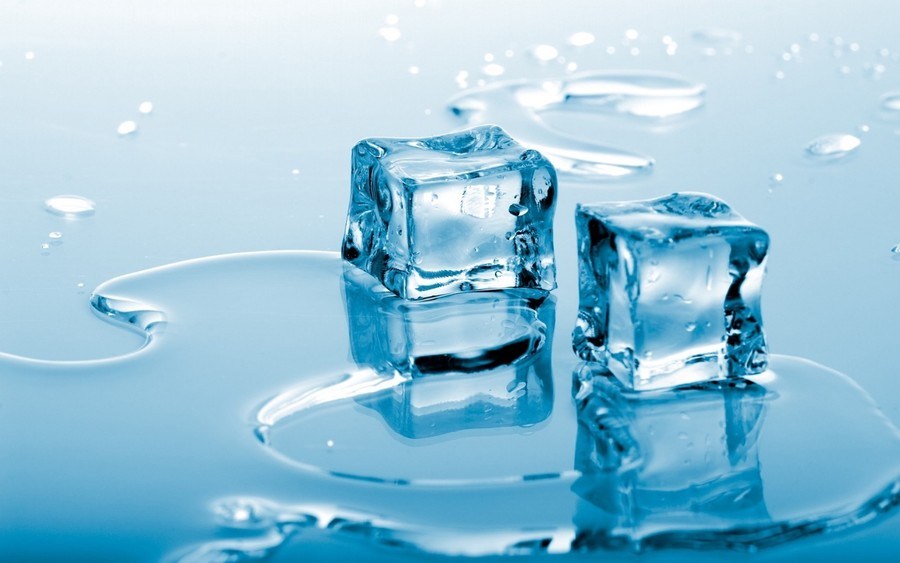
Water freezing into ice is an example of a...
a)
Physical Change
b)
Chemical Change
48.
Any change in the state of matter of a substance is a...
a)
Physical Change
b)
Chemical Change
49.
A change in matter that forms one or more new substances with new chemical properties is a/an...
a)
Physical Change
b)
Chemical Change
50.
Which of the following indicates a chemical change?
a)
Change in state of matter
b)
Temperature change
c)
Change in size 
d)
Change in shape
51.

Which of the following DOES NOT indicate a chemical change/reaction is occurring?

a)

Creation of a New Color

b)

Formation of a Precipitate (solid)

c)

Formation of gas/bubbles

d)

State of matter change

52.

Which of the following indicates a PHYSICAL change?

a)

Change in temperature

b)

Change in shape

c)

Formation of a precipitate (solid)

d)

Change in color

53.
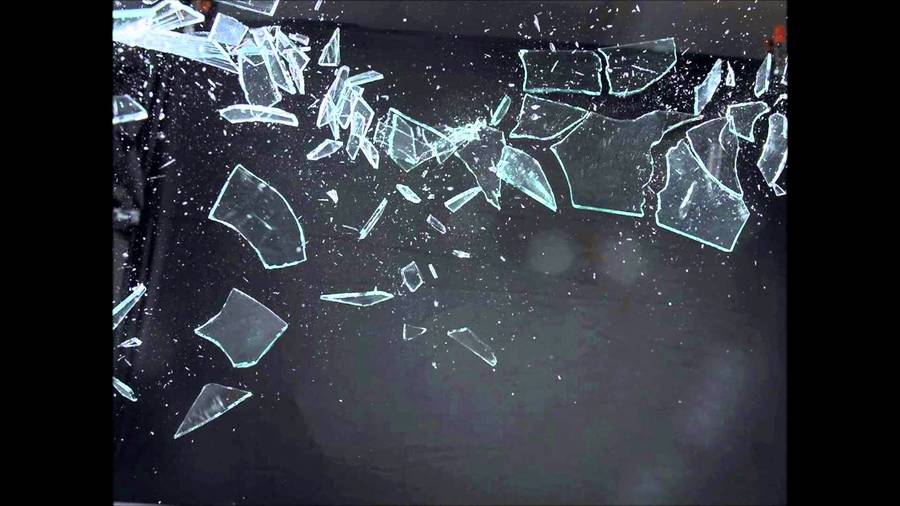
Chemical or Physical?  Glass breaking into tiny shards
a)
Chemical Change
b)
Physical Change
54.

Physical or Chemical Change? Iron rusting

a)

Physical Change

b)

Chemical Change

55.
Physical or Chemical Change?  Cutting an orange into wedges.
a)
Physical Change
b)
Chemical Change
56.
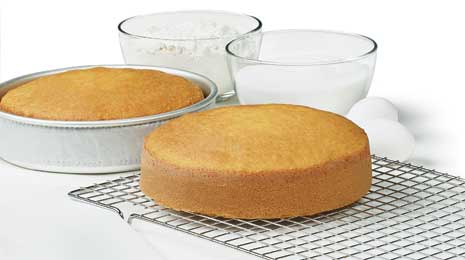
Physical or Chemical Change?  Baking a cake.
a)
Chemical Change
b)
Physical Change
57.
Physical or Chemical Change?  Logs burning in a campfire.
a)
Physical Change
b)
Chemical Change
58.
Physical or Chemical Change?  Making a paper airplane.
a)
Physical Change
b)
Chemical Change
59.

Is melting butter for popcorn a chemical or physical change?

a)

chemical

b)

physical

60.
Which of the following is NOT an example of a physical change?
a)
crumpled paper
b)
pencil sharpening
c)
shrunken clothing
d)
rust
61.
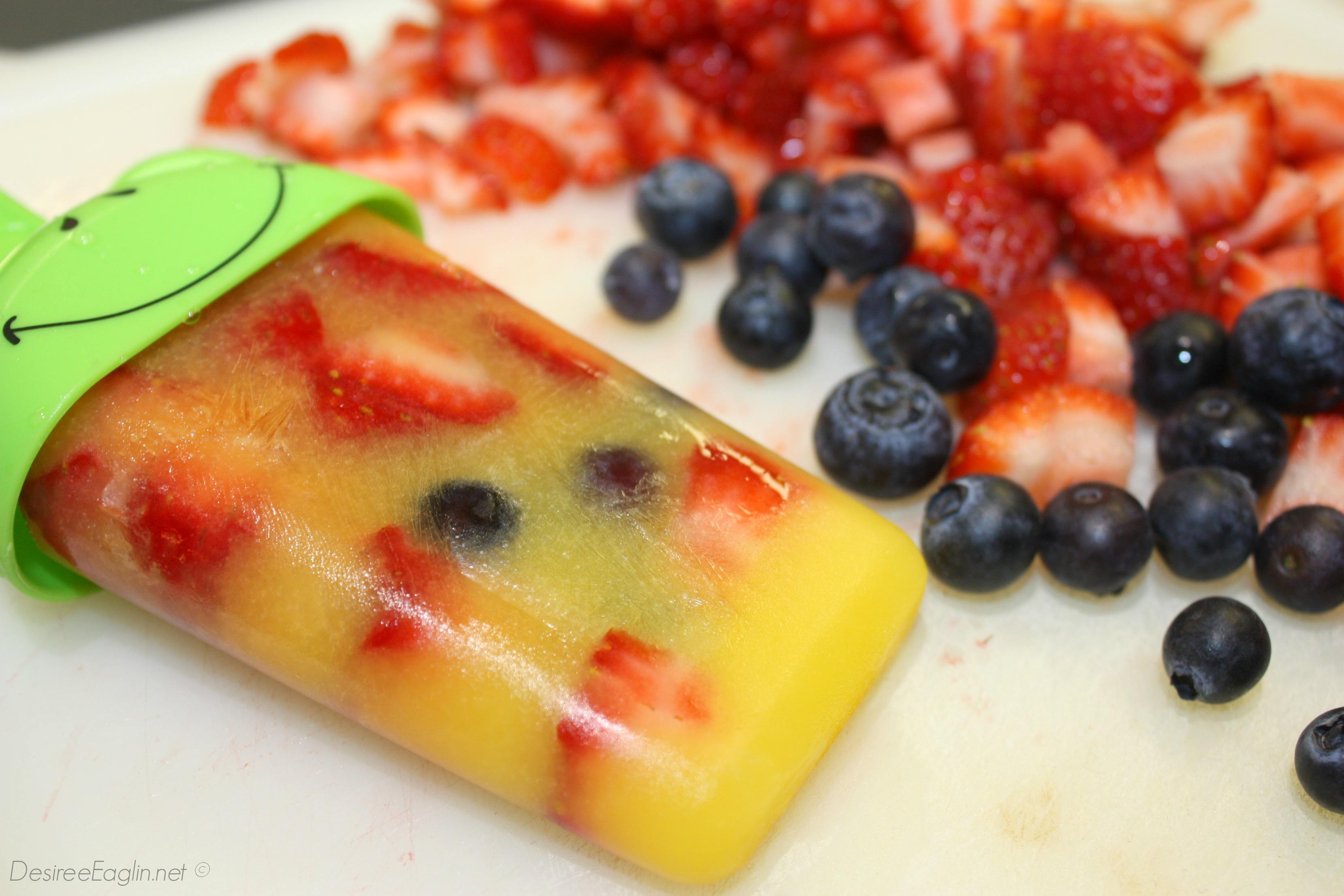
Freezing Juice?
a)
Physical Change
b)
Chemical Change
62.
Fizzing, foaming, and burning are all examples of
a)
Chemical change
b)
Physical change
63.

When you break a cracker into pieces it is a...

a)

Chemical change

b)

Physical change

64.
Photosynthesis is an example of a
a)
physical change
b)
chemical change
65.
Dissolving sugar in water is an example of a 
a)
physical change
b)
chemical change
66.
Digesting your food is an example of 
a)
chemical change
b)
physical change
67.

Cutting a log in to small pieces is a chemical change.

a)

true

b)

false

68.
Which is an example of a chemical reaction?
a)
paper cut into small pieces
b)
chocolate melting in a pan
c)
flour and sugar mixed in a bowl
d)
cookies baking in an oven
69.
Exploding Fireworks?
a)
Physical Change 
b)
Chemical Change 
70.
Rotting bananas?
a)
Physical Change
b)
Chemical Change
71.
Cutting your hair?
a)
Physical Change
b)
Chemical Change
72.
Is spoiling food a physical or chemical change?
a)
phyiscal
b)
chemical
73.
Which answer makes a correct statement?
a)
Physical change only changes the size.
b)
Physical change only changes the color.
c)
Physical changes begin and end with the same matter.
d)
Physical changes change the matter into something total different.
74.
A teacher is demonstrating physical and chemical changes to her class. Which action should she use to demonstrate a chemical change?
a)
cutting a piece of paper
b)
folding a piece of paper
c)
tearing a piece of paper
d)
burning a piece of paper
75.
A group of students investigated physical and chemical changes using paper.  The students recorded their observations in a table.
Which student correctly recorded all the changes that took place?
a)
Student 1
b)
Student 2
c)
Student 3
d)
Student 4
76.

Mr. Lopez spilled his favorite snack. Is it a mixture or a solution? Why?

a)

Its a mixture, because it is made up of 2 or more substances that can be easily separated.

b)

Its a mixture, because it can only be separated with a sieve.

c)

Its a solution, because it can only be separated by dissolving it in water.

d)

Its a solution because it can not be separated easily.

77.

Mixtures are combinations of two materials that retain, or keep, their physical properties.

a)

True

b)

False

78.

What happens when water mixes with sugar?

a)

the appearance of sugar changes

b)

the shape of water changes

c)

the taste of sugar changes

d)

the state of water changes

79.
Do not form new properties. 
a)
mixture
b)
solution
80.

Can be easily separated.

a)

mixture

b)

solution

81.
Form new physical properties. 
a)
mixture
b)
solution
82.
Substances don't dissolve. 
a)
mixture
b)
solution
83.
Difficult to separate. 
a)
mixture
b)
solution
84.
Some substances dissolve. 
a)
mixture
b)
solution
85.
Saltwater
a)
mixture
b)
solution
86.
Shampoo
a)
mixture
b)
solution
87.
Trail mix
a)
mixture
b)
solution
88.

Dirt in water

a)

Mixture

b)

Solution

c)

Element

89.

Sweet Tea

a)

Mixture

b)

Solution

c)

Element

90.

Cough Syrup

a)

Mixture

b)

Solution

c)

Element

91.

Assorted rocks

a)

Mixture

b)

Solution

c)

Element

92.
Coffee is a 
a)
solution
b)
mixture
93.
A fruit salad is a 
a)
solution
b)
mixture