
 Worksheets
MOE - Chapter 3 - Matter and Atoms
Total questions: 28
Worksheet time: 28mins
Name
Class
Date
1.
Something that takes up space and has mass.
a)
volume
b)
matter
c)
mass
d)
density
2.
What are the three states of matter?
a)
solid, volume, mass
b)
density, volume, mass
c)
solid, liquid, gas
d)
density, gas, volume
3.
__________ are the building blocks of life.
a)
solids
b)
gases
c)
atoms
d)
nutrients
4.
I am the smallest whole particle of matter.
a)
atom
b)
compound
c)
molecule
d)
mixture
5.
I am two or more atoms chemically bonded.
a)
atom
b)
compound
c)
molecule
d)
mixture
6.
I am 2 or more elements chemically bonded.
a)
atom
b)
molecule
c)
compound
d)
mixture
7.
Which 2 kinds of particles make up the nucleus of an atom?
a)
electrons and neutrons
b)
electrons and nuclei
c)
protons and neutrons
d)
protons and kryptons
8.
Which particle carries a negative charge?
a)
protons
b)
neutrons
c)
electrons
9.
A pure substance that cannot be broken down into any other substance by chemical or physical means. There are about 100 of us shown in the Periodic Table
a)
compound
b)
mixture
c)
molecule
d)
element
10.
What kind of charge do protons have?
a)
positive
b)
negative
c)
neutral
11.
Neutrons have a ________ charge.
a)
positive
b)
negative
c)
neutral
12.
Atomic number is
a)
Number of protons or electrons
b)
Number of protons and neutrons
c)
Your phone number
13.
Two or more atoms joined together for a(n)...
a)
Element
b)
Compound
c)
Molecule
d)
Mixture
14.

How many neutrons does the isotope of lithium have?
a)
8
b)
3
c)
4
d)
5
15.
What charge does an atom have if it LOSES an electron?
a)
Positive (+)
b)
Negative (-)
16.
Ions are:
a)
atoms with a positive or negative charge
b)
atoms with no charge
c)
atoms with ONLY a positive charge
d)
atoms with ONLY a negative charge
17.
What charge does an atom have if it GAINS an electrons?
a)
Positive (+)
b)
Negative (-)
18.

What do these isotopes of carbon all have in common?
a)
neutrons & mass number
b)
atomic number and neutrons
c)
atomic number and electrons
d)
protons, atomic number, and mass number
19.
Isotopes are atoms that have different
a)
Mass numbers
b)
Element names
c)
Atomic Numbers
20.

Carbon has an atomic number of 6 and an atomic mass of 12. Which elements are considered isotopes of carbon?
a)
Carbon-12
b)
Carbon-13
c)
Carbon-14
d)
Both Carbon-13 and Carbon-14
21.
Sand and clay is an example of a mixture of solids.
a)
True
b)
False
22.
The air around was is a mixture of gases.
a)
True
b)
False
23.
Is blood a mixture?
a)
No
b)
Yes
24.
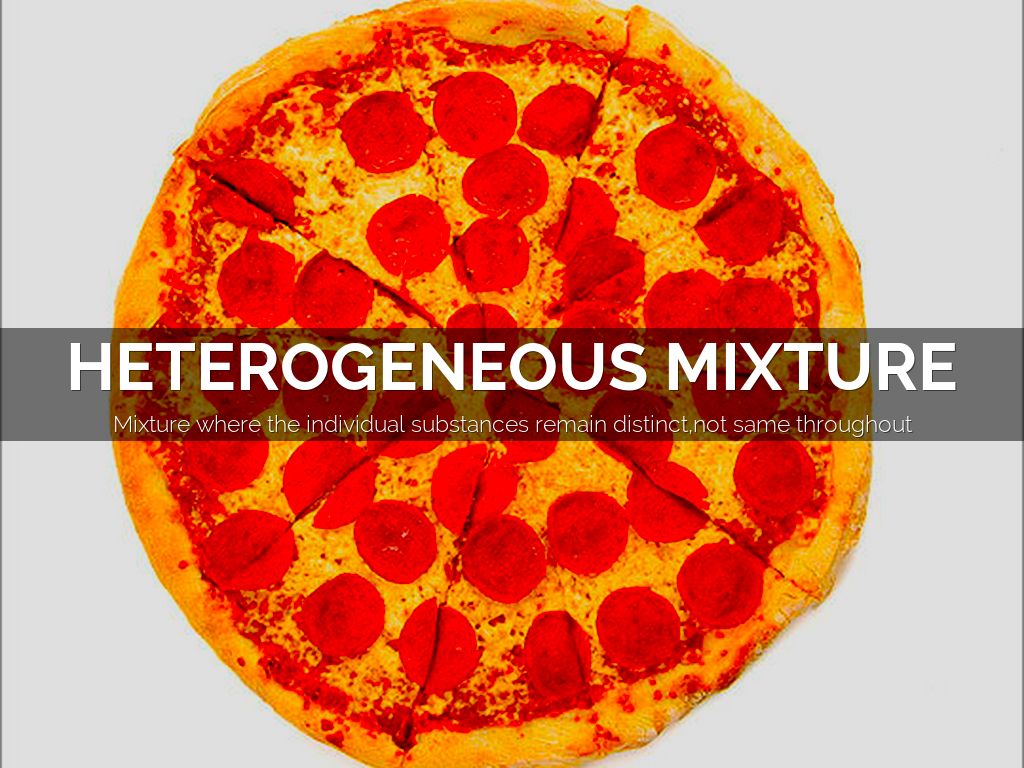
What does it mean if a mixture is heterogeneous?
a)
you can see the different parts
b)
cannot tell one part from another
c)
very well blended
d)
made of elements
25.

What does it mean if a mixture is homogeneous?
a)
you can see the different parts
b)
cannot tell one part from another
c)
chunks of particles
d)
made of elements
26.

What type of mixture is this?
a)
heterogeneous
b)
homogeneous
27.

What type of mixture is this?
a)
heterogeneous
b)
homogeneous
28.

What type of mixture is this?
a)
heterogeneous
b)
homogeneous
100 %

