
NEW
Font size
 Worksheets
2nd Year Science Christmas Test SOCC
Total questions: 53
Worksheet time: 1hrs 6mins


Pressure depends on depth
In static electricity, charges build up on an object, but they do not flow continuously.

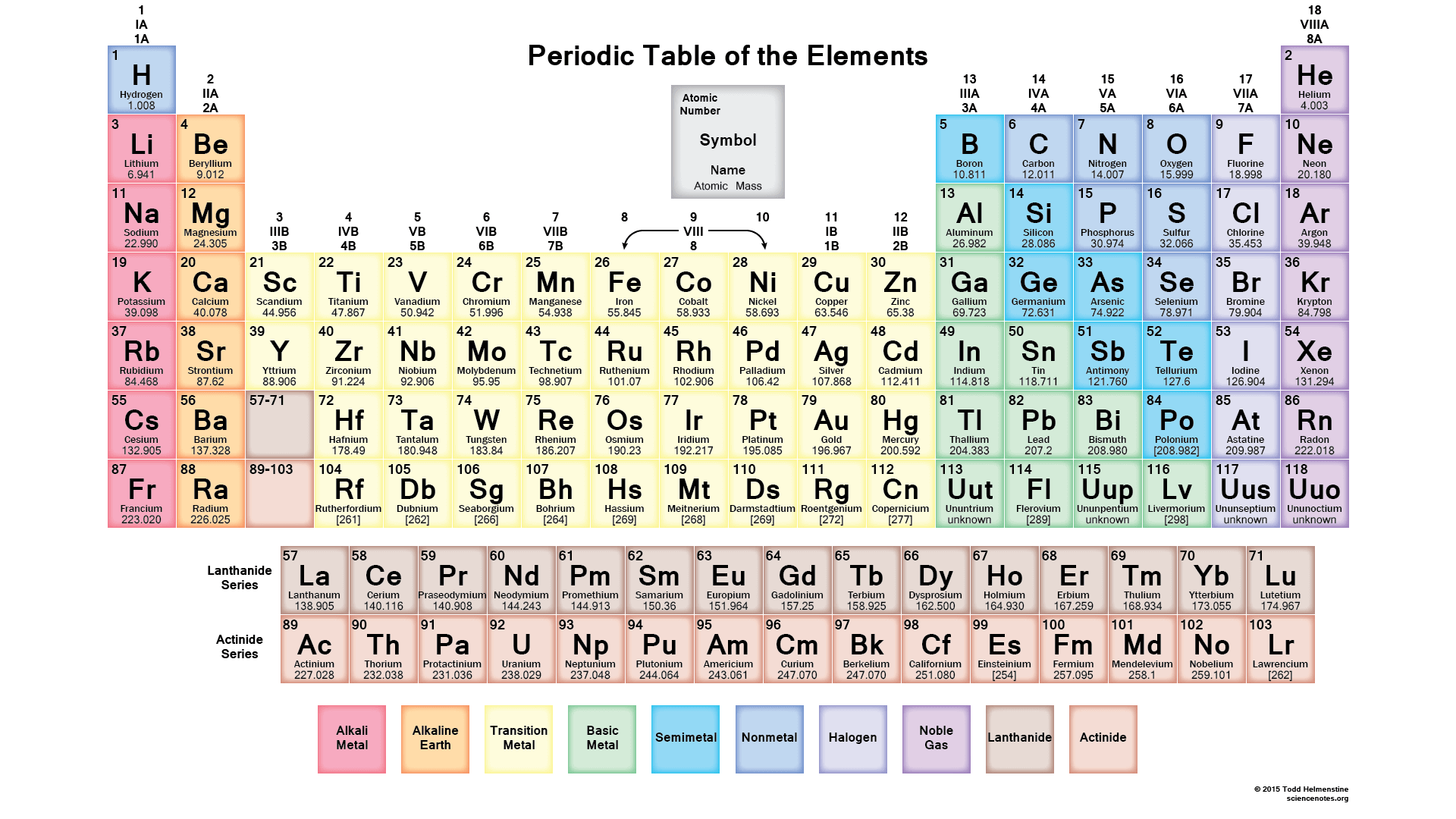
How many protons does an aluminium atom have? (Use the image to help you)
27
14
40
13

How many neutrons does a sodium atom have? (Use the image to help you)
23
11
12
34


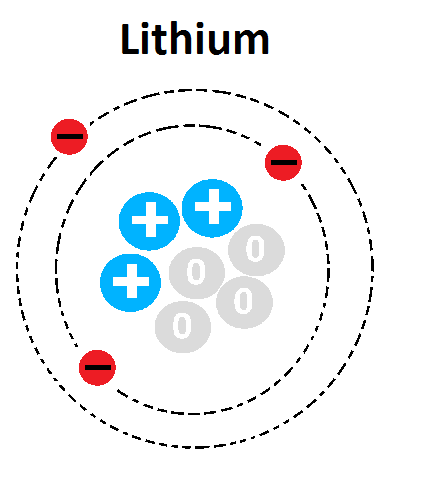
What is the atomic number of this atom?
1
3
4
7
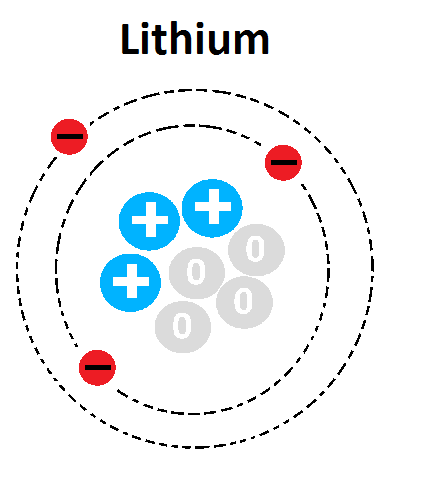
What is the mass number of this atom?
1
3
4
7

What does the 6 represent?
Atomic mass
atomic number
chemical symbol
element name


The vertical (up and down) columns in the Periodic Table are called
groups
towers
periods
atomic numbers


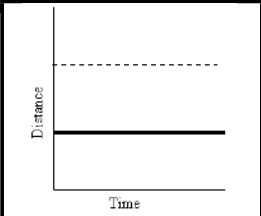
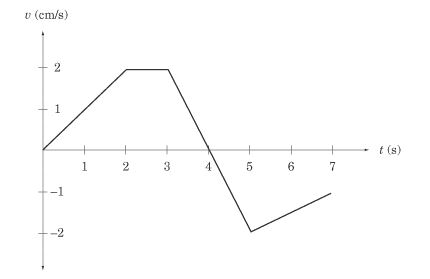
What is happening between 2 and 3 seconds?
The object is not moving.
The object is not accelerating.
The object is slowing down.
The object is speeding up.

What is happening between 3 seconds and 4 seconds?
The object is moving in a negative direction.
The object is returning to its starting position.
The object is slowing to a stop.
The object is changing direction.
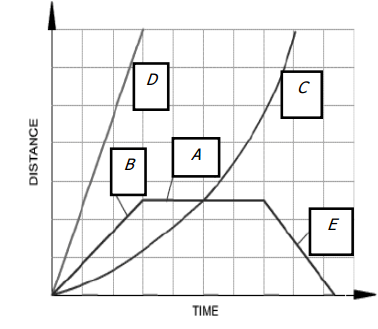

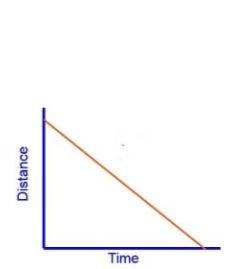
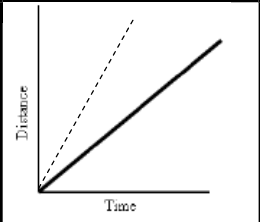
What is this line of this graph showing?
moving away from starting point at a constant speed
moving back towards the starting point at a constant speed
acceleration (getting faster)
deceleration (getting slower)
Mercury,Saturn
Jupiter, Uranus, Neptune
Jupiter, Neptune,
Mercury,Saturn,
Uranus
Mars,Jupiter,
Saturn,Uranus
Neptune

Which planet revolves the slowest?
Neptune
Venus
Jupiter
Mars

Which planet rotates the fastest?
Jupiter
Mars
Earth
Saturn

Which planet is the coldest?
Neptune
Earth
Mars
Jupiter

Which planet has the most moons?
Jupiter
Saturn
Mars
Earth

Which planet is the hottest?
Venus
Neptune
Mercury
Earth

Which planet has the least amount of moons?
Mercury
Earth
Neptune
Mars

When comparing the average temperatures of the planets, one could conclude that.....
all of the temperatures of the planets are very similar.
the outer planets are hotter than the inner planets.
the inner planets are hotter than the outer planets.

From the choices below, which planet revolves faster?
Neptune
Mercury
Mars
Jupiter

