
 Worksheets
Year 7 Textiles Technology
Total questions: 29
Worksheet time: 22mins

Pins and needles must be used with caution because:
They are very expensive and break easily.
If they fall on the floor they can get sucked up by a vacuum cleaner
They are sharp and you could hurt yourself or others
They are small and could get lost easily

When using scissors it is important to:
Carry them with the point facing down
Carry them with the point facing forward
Use them while walking to save time
Use fabric scissors to cut paper

Listening and following teacher instructions is important because:
Your teacher always knows best.
You need to show respect and tell other students to be quiet.
Otherwise you will not get a good mark.
Teachers like to be listened to.
Not listening to the teacher is against school rules.
It can help you have success with your project.
It can help you and your class mates stay safe.
Select all of the images that show textiles products.
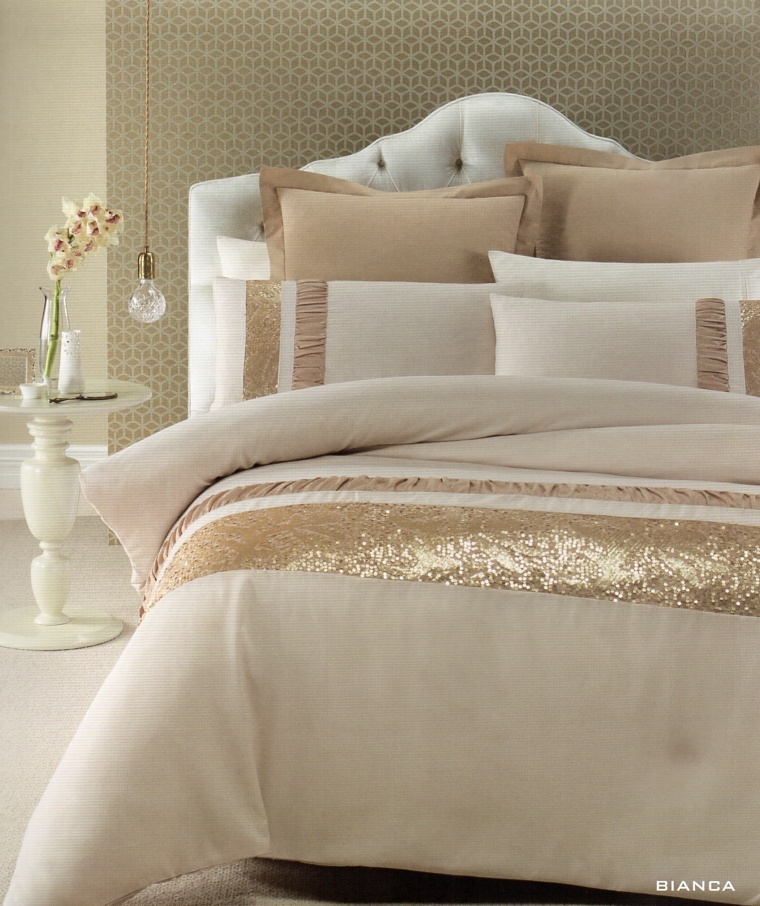
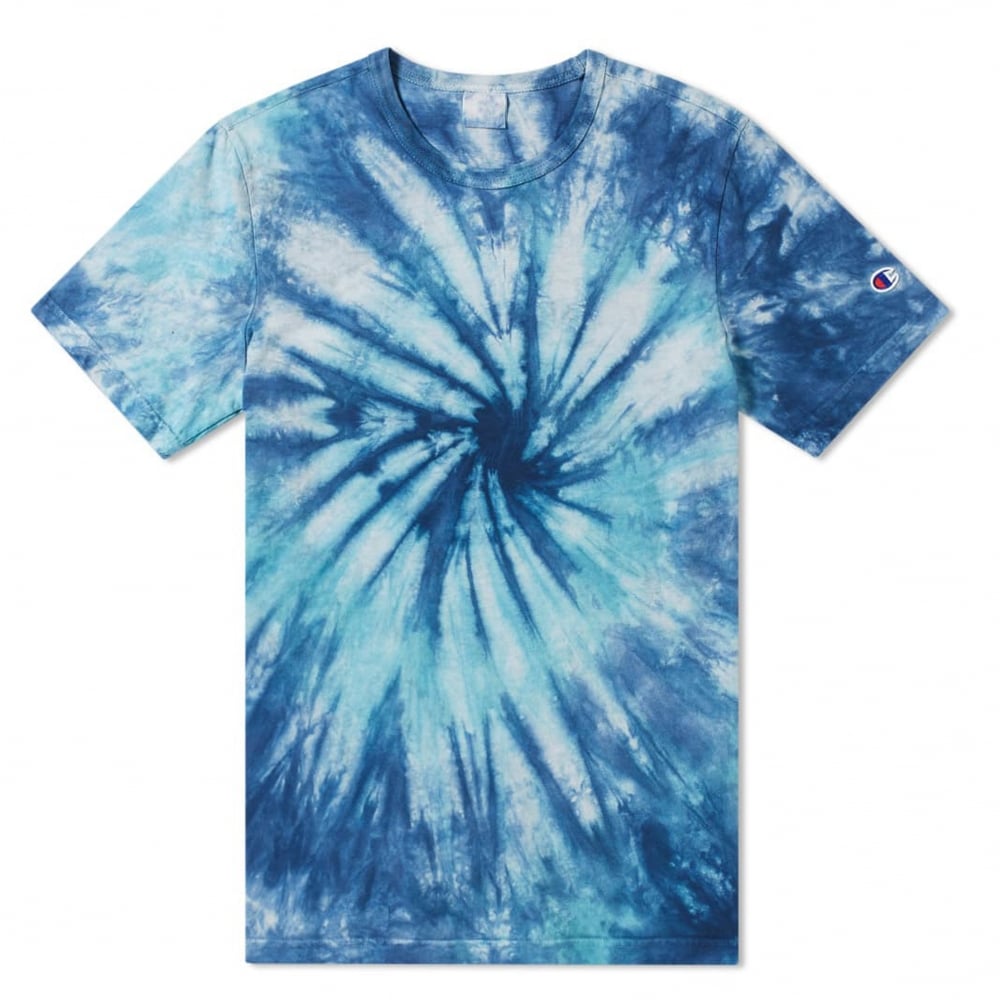
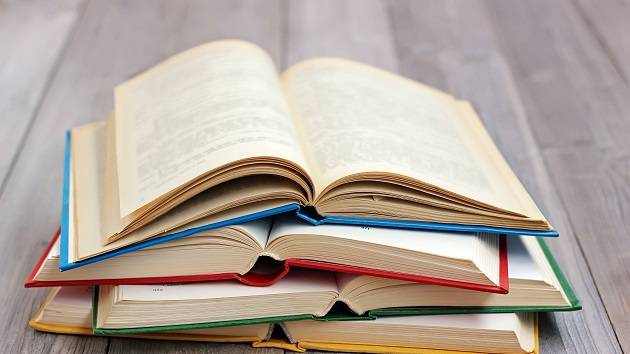
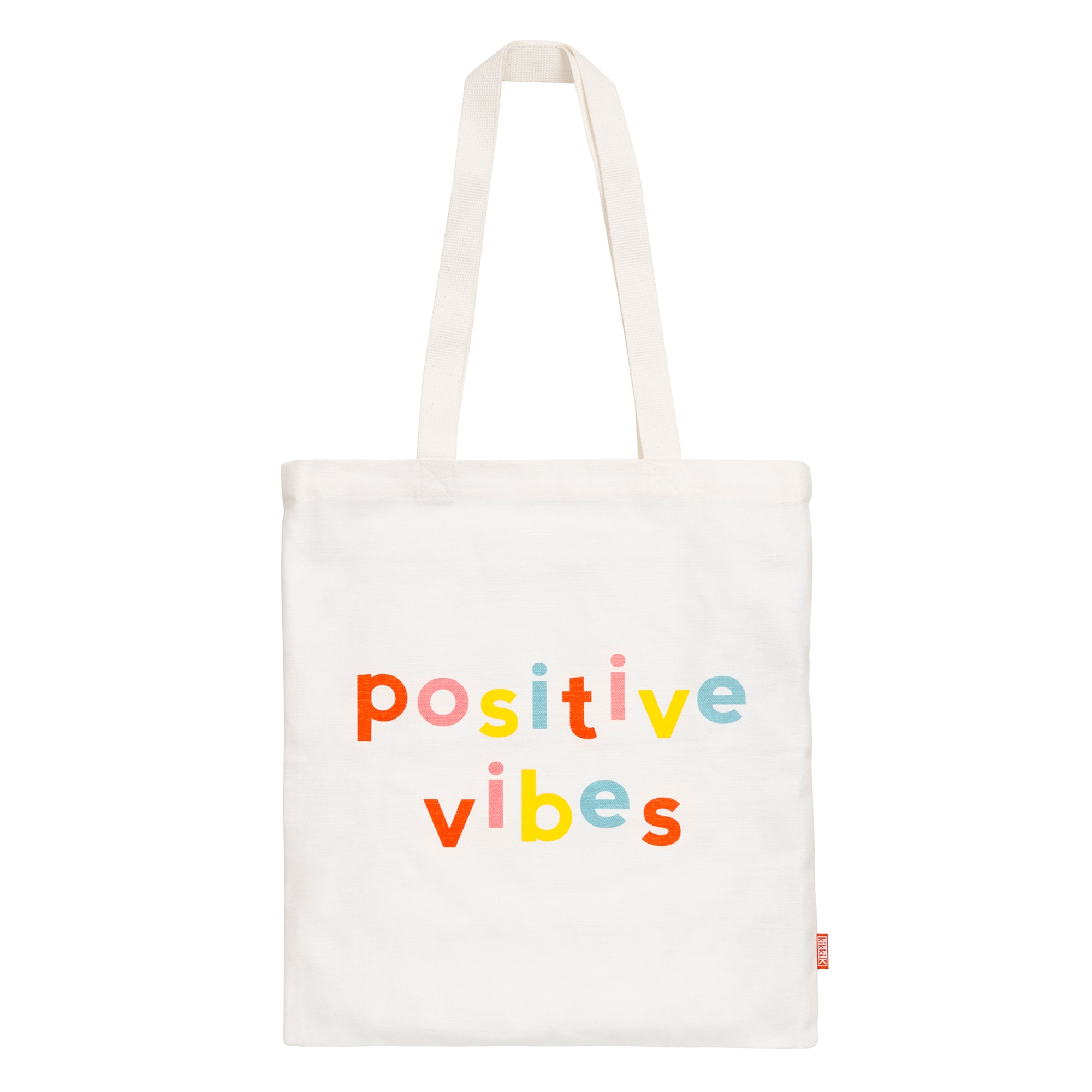
Fibres are the _____________ unit of a textiles fabric. Fibres are hairlike strands which are twisted together to make yarns.
Biggest
Weakest
Smallest
Strongest

The correct method of fabric production is:
Fibre > Yarn > Fabric
Fabric > Fibre > Yarn
Yarn > Fibre > Fabric
Fibre > Fabric > Yarn

Fibres are classified under two main categories, these are...
Cotton and Polyester
Manufactured and Regenerated
Animal and plant
Natural and Manufactured

Cotton, Wool, Linen and Silk are examples of:
Natural Fibres
Manufactured Fibres
Regenerated Fibres
Animal Fibres

Polyester, Nylon and Acrylic are examples of:
Natural Fibres
Synthetic Fibres
Regenerated Fibres
Expensive fibres

Which of the following is an advantage of cotton:
Expensive
Stiff
Comfortable
Shiny

This is a fine, lustrous (shiny) fibre that comes from a cocoon spun by a worm. It is sensitive to heat, sunlight and water spots.
Flax
Silk
Acrylic
Cotton

Fibres that form the fleece of a sheep are:
Wool
Cotton
Leather
Nylon

A common stitch used in sewing and embroidery where the thread runs in and out of the fabric
Chain stitch
Running stitch
Blanket stitch
Cross stitch

A sewing and embroidery technique in which a series of looped stitches form a chain-like pattern
Running stitch
Lazy daisy stitch
Chain stitch
Blanket stitch

A sewing and embroidery stitch that includes a series of flat stitches that are used to completely cover a section of the background fabric.
Satin stich
French knot
Feather stitch
Cross stitch
Natural fibers come from where?
Grass clippings
Wool products
Chemicals
Plants and animals
Linen comes from
the cotton plant
bamboo
the flax plant
wool and other animals
Absorbent, renewable, strong, dyes well, shrinks in hot water are properties of....
Polyester
Linen
Acetate
Cotton
A decorative form of stitching by hand is called
Embrodery
Embrodiery
Ebroidery
Embroidery
To create stitches by hand you need
A needle and thread
A needle and string
A needle and fred
String and a pin
A clothing item made from cotton is
A wedding dress
A school uniform
A pair of jeans
A Christmas jumper
A clothing item made from wool would be
A wedding dress
A school uniform
A pair of jeans
A Christmas jumper
A clothing item made from polyester would be
A wedding dress
A school uniform
A pair of jeans
A Christmas jumper
Viscose is an example of a regenerated fibre. Regenerated fibres are made from
Coal and oil
Petroleum
Animal fleece
Wood pulp
This stitch is commonly used to outline shapes
running stitch
blanket stitch
french knot
back stitch
This stitch is commonly used to reinforce the edge of fabric
Blanket stitch
Satin stitch
Back stitch
Running stitch
This fabric can be made from recycled plastic bottles.
Nylon
Cotton
Polyester
Viscose
A useful property of using polyester fabric is
It is does not shrink when washed and is crease resistant.
It has no environmental impact
It is extremely absorbent so is good for towels
It is good for summer clothes
Which fact is not true about textile artists Izziyana Suhaimi and Jose Romussi
They both focus their work on people
They both use stitching to add colour to their work
They both have elements of black and white in their work
They both use pencil or fine liner to create a portrait image

