
 Worksheets
Ecosystems and Succession
Total questions: 20
Worksheet time: 29mins
Organisms that can produce their own source of food are called...
heterotrophs
omnivores
autotrophs
herbivores
A consumer that eats only plants is called...
an omnivore
a carnivore
an autotroph
an herbivore
Herbivores are also called...
secondary consumers
primary consumers
producers
tertiary consumers
Heterotrophs that eat producers and other heterotrophs are called...
autotrophs
herbivores
carnivores
omnivores
How much energy moves from trophic level to trophic level?
100%
50%
1%
10%
Energy enters an ecosystem as...
chemicals
food
minerals
sunlight
Most of the 90% of the energy that doesn't move on from trophic level to trophic level...
is absorbed into the soil.
is used to maintain the metabolism of that particular organism.
is used to make pretty babies.
is exerted in arguments with a mate.
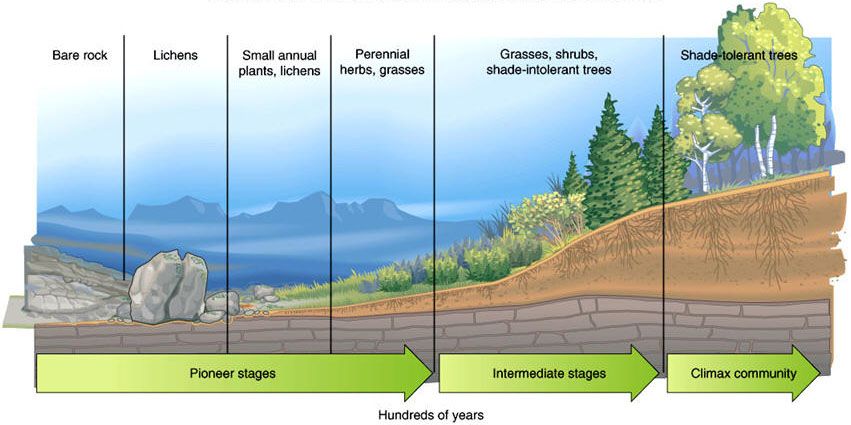
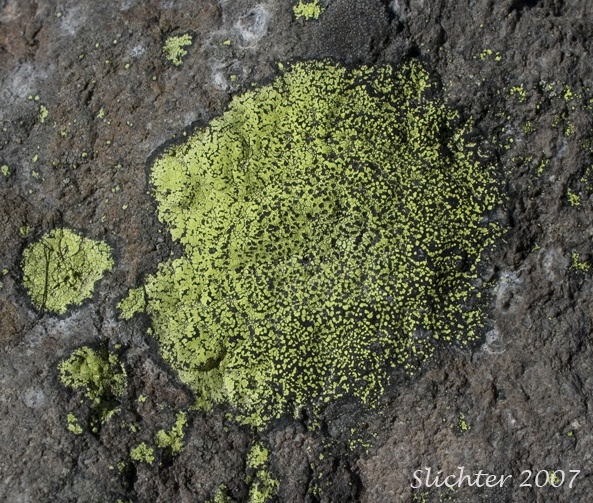
After a volcanic eruption, lava covers the land. What is the order that plants grow to repopulate the area?
lichens → shrubs → soil → trees
lichens → soil → shrubs→grasses
soil → trees → shrubs → lichens
lichens → grasses → shrubs → trees
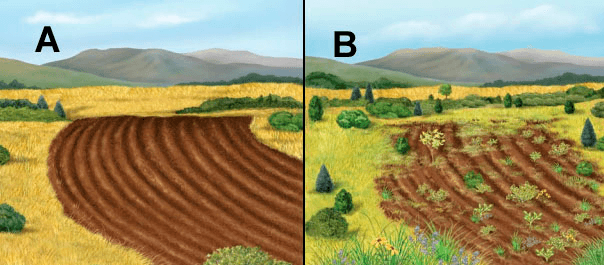
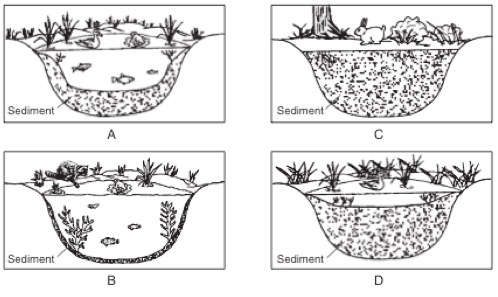

This is an example of...
Secondary succession
Primary succession
Primary consumption
Climax communities

Put these biomes in order of NPP, from highest NPP to lowest: temperate grasslands, deserts, tropical seasonal forests, midlatitude deciduous forests
temperate grasslands, tropical seasonal forests, midlatitude deciduous forests, deserts
tropical seasonal forests, temperate grasslands, midlatitude deciduous forests, deserts
tropical seasonal forests, deserts, midlatitude deciduous forests, temperate grasslands
tropical seasonal forests, midlatitude deciduous forests, temperate grasslands, deserts
deserts, temperate grasslands, midlatitude deciduous forests, tropical seasonal forests
Which is the most productive Wisconsin ecosystem?
swamps and marshes
boreal forests
midlatitude deciduous forests
grasslands
tundra
What is a keystone species?
a species that is at a high trophic level that can be used to determine the health of an ecosystem
a species that is at a low trophic level that all other organisms in the ecosystem feed on
a species, not necessarily at a certain trophic level, that all other species depend on and its absence would cause ecosystem collapse
The job of an organism within an ecosystem is also called its
habitat
biomass
niche
competition
Which of the following biomes does NOT have a simple structure?
temperate grasslands
needleleaf forests
tropical savanna
arctic tundra
temperate rainforest

