
 Worksheets
Community Ecology
Total questions: 20
Worksheet time: 21mins
Name
Class
Date
1.
A human & a Tape Worm: The tape worm gets a place to live in the intestines of the human and food from the human. The human loses weight and nutrients from the tape worm.
a)
Mutualism
b)
Commensalism
c)
Parasitism
2.
Bird & Tree: A bird builds a nest in a hole in the trunk of the tree. It is protected from the rain and predators. The tree is not harmed or helped by the bird.
a)
Mutualism
b)
Commensalism
c)
Parasitism
3.
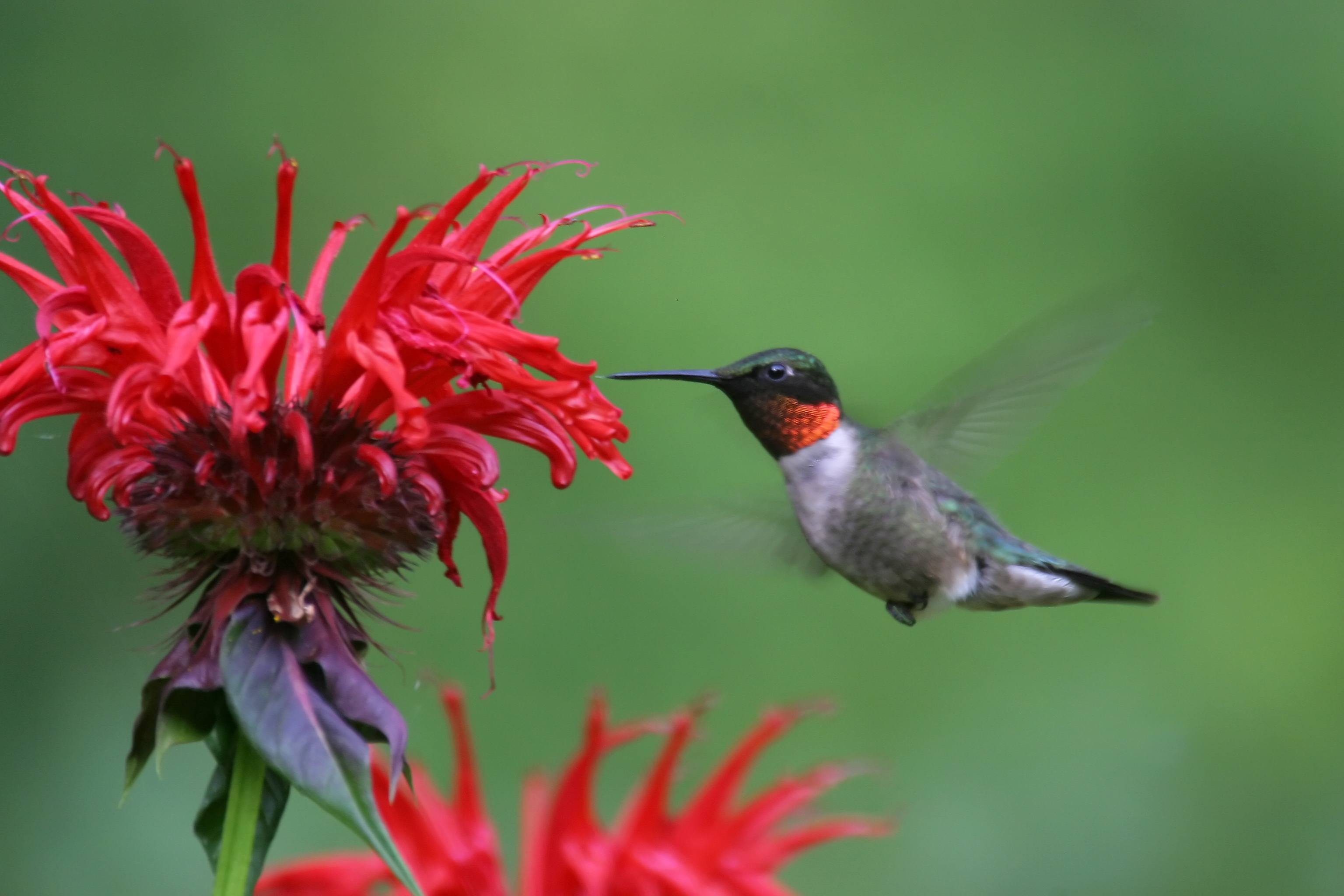
What type of symbiosis? Hummingbirds feed on nectar from flowers. The flowers are pollinated by hummingbirds as they move from flower to flower.
a)
commensalism
b)
mutualism
c)
parasitism
d)
predation
4.
Tree kangaroos live in the upper branches of trees in the rainforests of Queensland, as well as on the island of New Guinea. This is an example of the tree kangaroos ___.
a)
niche
b)
habitat
c)
community
d)
population
5.
The concept that predators can affect the size and distribution of other animals is known as
a)
predation
b)
herbivory
c)
tolerance
d)
limitation
6.
Groups of different populations that live in a given area and interact are called a(n)...
a)
Community
b)
Colony
c)
Population
d)
Ecosystem
7.
What is the term for each step in the transfer of energy and matter within a biological community?
a)
energy path
b)
food web
c)
trophic level
d)
food pyramid
8.
The energy at each trophic level in the pryamid of energy decreases by a factor of ____.
a)
10
b)
1
c)
100
d)
2
9.

diagram that shows the energy available to each trophic level in an ecosystem; 10% is passed on to upper levels, the rest is lost as heat
a)
succession
b)
cellular respiration
c)
energy pyramid
d)
biochemical cycle
10.
Food webs are models that show
a)
one sequence of producers and consumers.
b)
complex networks of feeding relationships.
c)
stored energy in food chains
d)
only primary consumers in an ecosystem
11.
What effect does biodiversity have on a community?
a)
It makes destruction by insects impossible.
b)
It makes primary succession more likely.
c)
It enables species to survive in a desert.
d)
It enables the community to withstand changes.
12.
Competition between members of the same species is called
a)
Intraspecific
b)
Interspecific
c)
Primary
d)
Secondary
13.
Which of the following are considered to be a symbiotic relationship?
a)
A. Competition
b)
B. Commensalism
c)
C. Mutualism
d)
D. Both B and C.
14.
The type of succession that occurs in an area with no life is:
a)
Intraspecific
b)
Interspecific
c)
Primary
d)
Secondary
15.
Competition between members of different species
a)
Intraspecific
b)
Interspecific
c)
Primary
d)
Secondary
16.
The type of succession that occurs after an inhabited area was disturbed:
a)
Intraspecific
b)
Interspecific
c)
Primary
d)
Secondary
17.
The type of mimicry is it where one organism is dangerous and the other is harmless?
a)
Batesian
b)
Mullerian
c)
Aposemetric
d)
Camoflauge
18.
The type of mimicry where both organisms are dangerous?
a)
Batesian
b)
Mullerian
c)
Aposematic
d)
Camoflauge
19.
1. The type of symbiotic relationship where one organism benefits and the other is not harmed or helped?
a)
Mutualsim
b)
Parasatism
c)
Commensalism
d)
Mullerian
20.

These snakes are an example of what?
a)
Camouflage
b)
Mimicry
c)
Succession
d)
Gause's Principal
100 %

