
 Worksheets
U.S. History ACP Review
Total questions: 56
Worksheet time: 36mins
To adjust to changing times, the constitution can be changed through.....?
The amendment process
Judicial Review
Triangle Trade
Involuntary Servitude


Common Sense, a pamphlet calling for the American Independence from England, was written by?
Samuel Adams
Patrick Henry
Paul Revere
Thomas Paine

He was the commander of the Continental Army?
George Washington
Paul Revere
Alexander Hamilton
Lord Cornwallis

What phrase exemplifies the American colonist attitude about the taxes being levied on them by the English parliament?
"Give me Liberty or Give me Death"
"No Taxation without Representation"
"Be Excellent to Each Other"
"I came, I saw, I conquered"

Mercantilism is designed to benefit the mother country. What do colonies provide the mother country?
Slaves
Raw Materials
Finished Products
Factories

The proclamation of 1763 forbade?
Colonists expanding north into Canada
Colonists expanding south into Florida
Colonists expanding west over the Appalachian Mountains
Colonists expanding southeast into Louisiana

One way the colonists resisted taxes was to boycott British goods. What is a boycott?
Creating a monopoly
A refusal to buy a particular product.
An element of vertical integration.
A supplier of raw materials.
Who was known as for writing books encouraging people to rebel against the British? (Not Cute)
Martha Washington
Mercy Otis Warren
Samuel Adams
Abigail Adams

This is considered the first battle of the American Revolution?
Battle of Bunker Hill
Battle of Yorktown
Battle of Saratoga
Lexington & Concord

These acts shut down Boston harbor, imposed military rule on Boston and were punishment for the Boston Tea Party
Townshend Act
Stamp Act
Sugar Act
Intolerable Acts
"The highest tax, £10, was placed ... on attorney licenses. Cards were taxed a shilling a pack, dice ten shillings, and newspapers and pamphlets at the rate of a penny for a single sheet and a shilling for every sheet in pamphlets or papers totaling more than one sheet and fewer than six sheets"
The following quote is referring to what?
Sugar Act
Stamp Act
Townshend Act
Intolerable Act
Which of the following was not a reason for British Settlement in America?
Libertarian Freedom
Religious Freedom
Economic Freedom
Political Freedom

"Transcontinental journeys were still treacherous and time consuming. Ships traveling across the Atlantic took at least six to eight weeks, sometimes longer depending on weather conditions."
The quote explains one of the reasons for....?
growth of representative government
creating new ways of preserving food
the invention of air travel
an increase in taxes on the colonies
With its origin in the first meeting at Jamestown in July 1619, this was the first democratically-elected legislative body in the British American colonies
Delaware Delegation of Order
New York Haven of Laws
North Carolina General Assembly
Virginia House of Burgesses
Which Document is quoted here: "We hold these truths to be self-evident, that all men are created equal, that they are endowed by their Creator with certain unalienable Rights, that among these are Life, Liberty and the pursuit of Happiness."
Proclamation of 1763
Declaration of Independence
Treaty of Paris
Constitution

The three-fifth compromise was an agreement concerning what?
How many slaves should be freed
How slaves should be counted for congress
How much money each slave would cost
How long slaves would have to work during the day
The weakness of the Articles of Confederation were a driving force behind what event?
Constitutional Convention of 1787
Declaration of 1800
Treaty of Paris 1783
Freedom Act of 1790

The creation of our current legislative body pictured above was a result of what event?
Three-fifths compromise
The great compromise
The accelerated agreement
Washington compromise
"Washington assumed emergency power to assemble more than 12,000 men from the surrounding states and eastern Pennsylvania as a federal militia." This test of federal authority was in response to...?
Pennsylvania Uprising
Washington's Rebellion
Whiskey Rebellion
Shays Rebellion
The fertile soil and long growing seasons led to the rise of what in the Southern Colonies?
Small Farmers Alliance
Plantation System
Shipbuilding
Breadbasket Economics
"He has kept among us, in times of peace, Standing Armies without the Consent of our legislatures." The grievance listed above is a result of what law?
Quartering Act
Sugar Act
Townshend Act
Stamp Act
Fishing and shipbuilding were an essential economic part of what colonial region?
Southern
Middle
New England
Western
Which document served as inspiration for the Declaration of Independence.
The Kings Letter
The Treaty of Paris 1763
The Constitution
The Magna Carta
What served as the inspiration for the Bill of Rights?
Proclamation of 1763
English Bill of Rights
Royal Lawbook
Civil Rights Act
These documents were written to convince people that ratifying the constitution was necessary.
Federalist Books
Washington Letters
Anti-Federalist Papers
Federalist Papers
The driving economic force behind France coming to the new world was what?
Timber
Bear pelt
Beaver Fur
Catfish skin
The ability to worship in whatever we please is guaranteed under which amendment?
Second Amendment
First Amendment
Fifth Amendment
Tenth Amendment
Practitioners of the Catholic Church left England and established which colony?
Maryland
Virginia
Massachusetts
Delaware
Puritans settled in which colony?
New York
Tennessee
Maryland
Massachusetts
Known for his naval victories and remembered as the father of the navy was who?
Jack Sparrow
John Paul Jones
Davy Jones
Horatio Gates
In an act of civil disobedience against the Tea Act, the Sons of Liberty climbed aboard British ships and threw tea into the ocean in what would be known as......?
Boston Massacre
Boston Protest
Boston Tea Party
Freedom of Boston


Criminal Proceedings; Due Process; Eminent Domain; Double Jeopardy; Protection from Self incrimination(do not have to testify against yourself)
3rd Amendment
4th Amendment
2nd Amendment
5th Amendment
Powers not given to the national government in the Constitution, are powers reserved for the States.
10th Amendment
4th Amendment
6th Amendment
8th Amendment

The first 10 amendments to the Constitution are called the...
Articles of Confederation
Virginia Compromise
Bill of Rights
Declaration of Independence
Donald Trump has said he will take away your unalienable rights, what is he trying to take away?
Life, liberty and the pursuit of happiness
Freedom, justice and breathing
Fear, hope and clothing
Building, crafting and camping
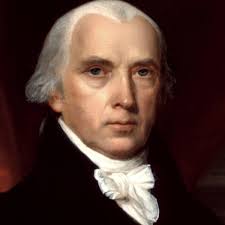
Who is known as the "Father of the Constitution"?
George Washington
Alexander Hamilton
James Madison
Benjamin Franklin
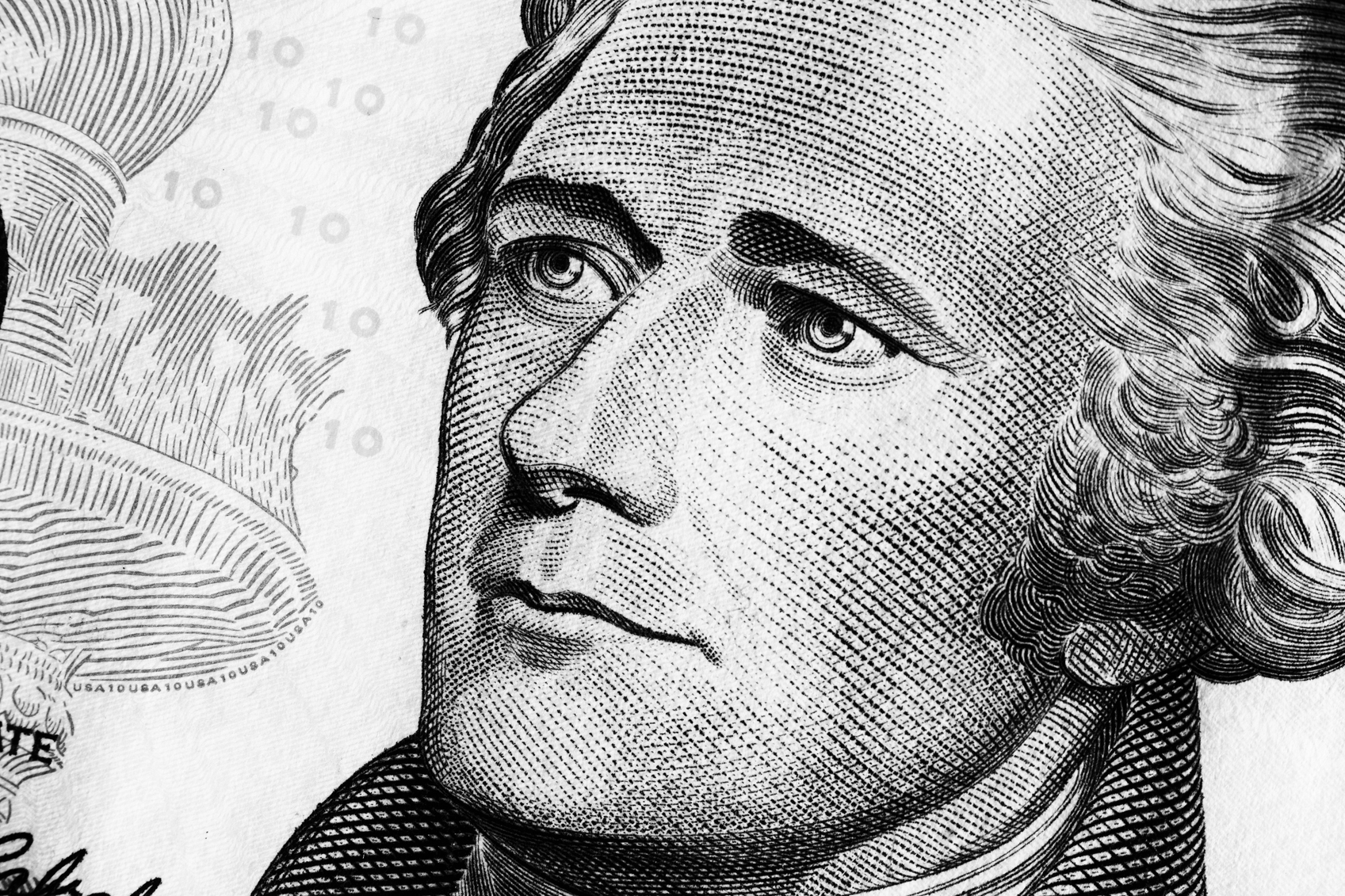
Who is known as the leader of the Federalists?
Alexander Hamilton
John Adams
Patrick Henry
Benjamin Franklin
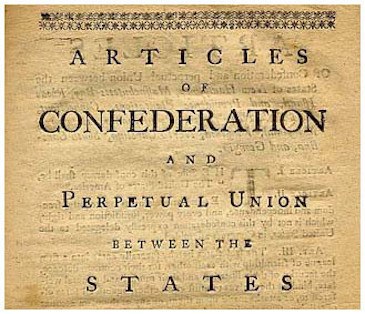
Federalists believed that the Articles of Confederation were a ________ and set up a ________ National Government.
Success, Strong.
Success, Weak.
Failure, Weak.
Failure, Strong.
The ___________ are for the ratification (approval) of the U.S Constitution.
Federalists
Anti-Federalists
Whiggs
Representatives
The ___________ are NOT for the ratification (approval) of the U.S Constitution.
Anti-Federalists.
Federalists.
Whiggs.
Supreme Court Justices.
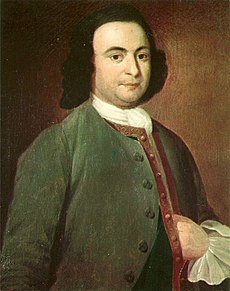
Who was the leader of the Anti-Federalists?
George Mason
George Washington
George Bush
Patrick Henry
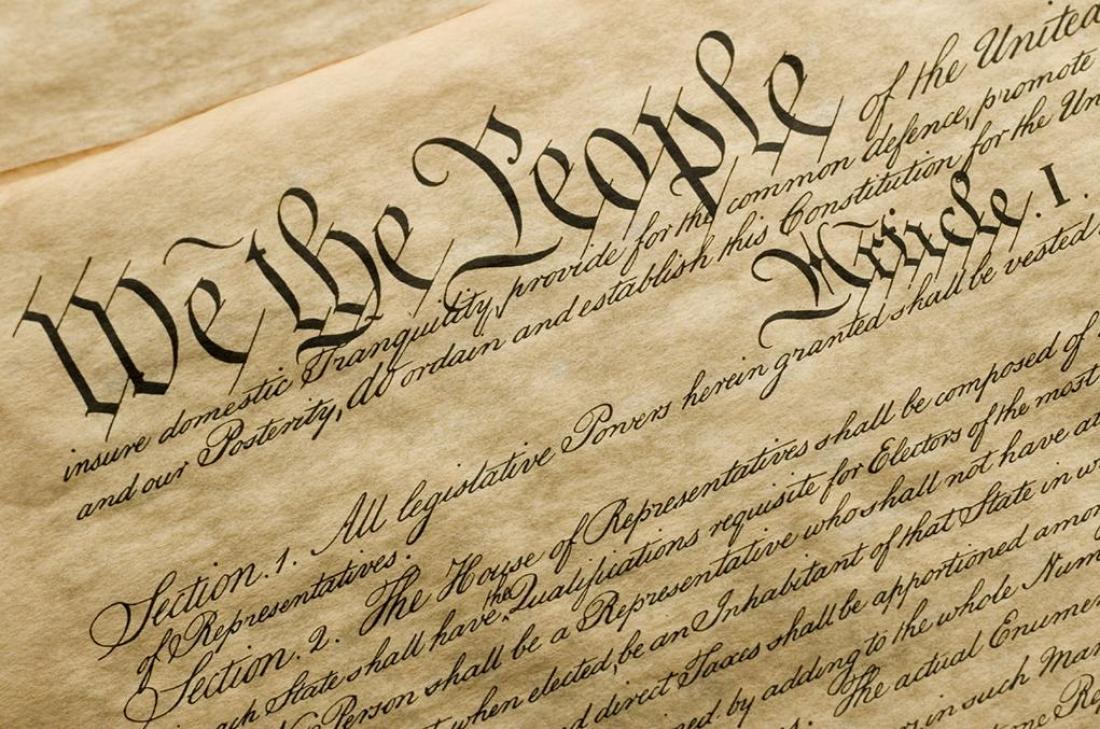
How did the Federalists and Anti-Federalists "compromise" to ratify (approve) the U.S Constitution?
The added the Bill of Rights (First 10 Amendments)
They outlawed cruel and unusual punishment.
Ensured due process of the law.
The Federalists threatened the Anti-Federalists to war.
This agreement was a set of rules of rules for self-governance created by the Puritans.
Magna Carta
House of Burgesses
Mayflower Compact
Constitution
The middle colonies were known as the breadbasket colonies due to what?
They created a new bread that never went bad
Wheat and grain was their main crop
Basket weaving was their main export
They had a thriving timber industry

