
 Worksheets
Round 6 - Ecology and Classification
Total questions: 20
Worksheet time: 24mins

A __________ is an organism that gets energy from eating other organisms.
Producer
Consumer
Decomposer
Prey

A ________ is an animal that is hunted and eaten for food.
Predator
Prey
Population
Autotroph
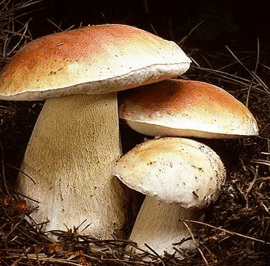
A _______ is an organism that gets energy from breaking down dead organisms, non-living material or waste.
Producer
Consumer
Decomposer
Autotroph


Amanda wants to know how drinking milk affects how tall she grows. Which is the independent variable e.g. the variable not affected or changed?
Her height
Drinking milk

Amanda wants to know how drinking milk affects how tall she grows. Which is the dependent variable e.g. the variable being studied/measured?
Her height
Drinking milk

Tigers, jellyfish, gorillas and humans are all part of which kingdom?
Animalia
Plantae
Fungi
Protista
Monera

Mushrooms, yeast and mould are part of which kingdom?
Animalia
Plantae
Fungi
Protista
Monera

Trees, flowers and ferns are part of which kingdom?
Animalia
Plantae
Fungi
Protista
Monera

Snails, slugs and octopus are examples of which phylum?
Cnidarian
Chordata
Mollusca
Echinoderm

When introduced to a new habitat, non-native plants often threaten the native plants. Why is this?
Non-native plants eat the native plants.
Non-native plants are eaten by more native animals.
Non-native plants cause native animals to relocate.
Non-native plants compete with the native plants for resources.

What is the definition of a native species?
A species which is local and has lived in the same ecosystem.
A species which travels to many ecosystems as long as they are in Australia.
A species which was once introduced but so old that is very common.
A species which competes with other native species.

