
 Worksheets
Fall 2019-2020 Environmental Systems Final Review
Total questions: 50
Worksheet time: 54mins
Tool used by a taxonomist to identify an unknown organism is a:
dichotomous key
binomial nomenclature
scientific name
binomial key

arachnids and insects?
What type of characteristics are used to make a dichotomous key?
Characteristics that make an organism different from any other organism. (type of beaks, claws, root systems)
Characteristics like age of an organism
Where the organism lives
How many organisms live in the environment
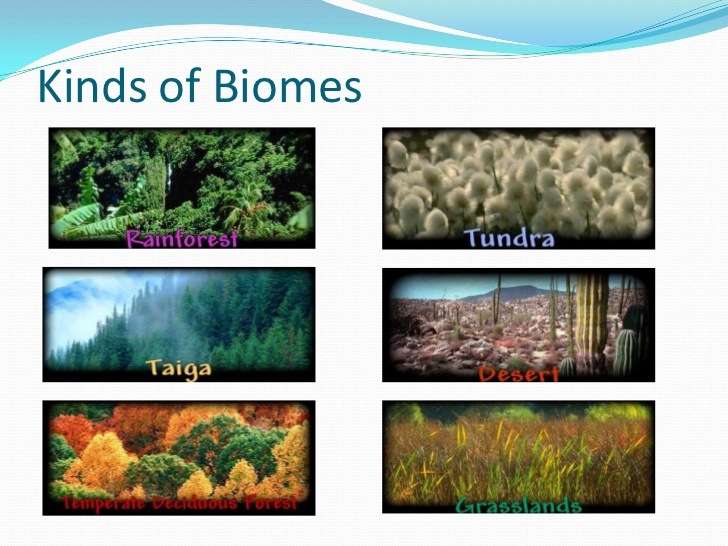

Which one of these is a biotic factor found in terrestrial biomes?
kinds of trees
temperature
air quality
wind direction

Which characteristics are biomes not classified by?
Climate
Plants
Soil quality
Precipitation

_____________ involves conserving the world’s resources for future use, for example in reducing fuel consumption, designing energy-efficient buildings, and recycling used materials.
Ecology
Environmental determinism
Possibilism
Sustainability
Which of the following energy sources is a fossil fuel?
Wind
Coal
Fission
Water
What is a non-renewable resource?
The ability to recover after a disturbance
Using resources that preserve ecosystem services
resource that can be produced or replaced by healthy ecosystems functions
resource that cannot be replenished or replaced by a natural process within a reasonable amount of time
Leaving the ground exposed after harvest and plowing it during planting season erodes the soil. Which of the following statements best describes the likely effect on fertility of the land year after year?
Erosion will have no effect because the soil underneath has the same properties as the eroded soil.
Erosion will make the land more fertile because the soil underneath will have unused nutrients that the eroded soil did not have.
Erosion will make the land less fertile because the topsoil generally has better properties for supporting plant growth than the soil underneath.
Erosion will have little to no effect because the farmer will rotate crops year after year to maintain the properties of the soil that support plant growth.
Most forms of renewable energy produce a small amount of pollution from the generators that help to produce electricity. Which form of energy below does not use a turbine and generator for electricity?
Hydroelectric energy
Wind energy
Solar energy
Geothermal energy

A huge rock at the state park gets hot during the day. The rock was warmed from the Sun by
conduction
convection
radiation
How does heat move?
from a warmer to a cooler object
from a cooler to a warmer object
toward a hot object
away from a cold object


What is the correct order (starting from the surface) of Earth's layers?
crust, outer core, inner core, mantle
mantle, outer core, inner core, crust
crust, mantle, outer core, inner core
outer core, inner core, crust, mantle
The thinnest layer of Earth is the
Outer core
Inner core
Mantle
Crust
Which is made up mostly of iron and nickel.
Mantle
Core
Crust
What layer is found underneath the lithosphere? This layer consist of pliable material which allows tectonic plates to move.
Lithosphere
Asthenosphere
Inner Core
Outer Core
Earth's current atmosphere is
78% nitrogen, 21% oxygen
78% hydrogen, 21%nitrogen
78% nitrogen, 21% argon, 1% oxygen
78% oxygen, 21% nitrogen, 1% carbon dioxide
The layers of the atmosphere in order from bottom to top are
thermosphere, stratosphere, mesosphere, troposphere, exosphere
troposphere, mesosphere, stratosphere, thermosphere, exosphere
troposphere, stratosphere, mesosphere, thermosphere, exosphere
mesosphere, thermosphere, troposphere, stratosphere, exosphere
A layer of air that surrounds Earth
ionosphere
exosphere
atmosphere
stratosphere
The hottest layer of the atmosphere
troposphere
stratosphere
mesosphere
thermosphere
exosphere
The coldest and thinnest layer of the atmosphere
troposphere
stratosphere
mesosphere
thermosphere
exosphere

This sphere is composed of all the living things
Hydrosphere
Biosphere
Atmosphere
Geosphere
Cryosphere
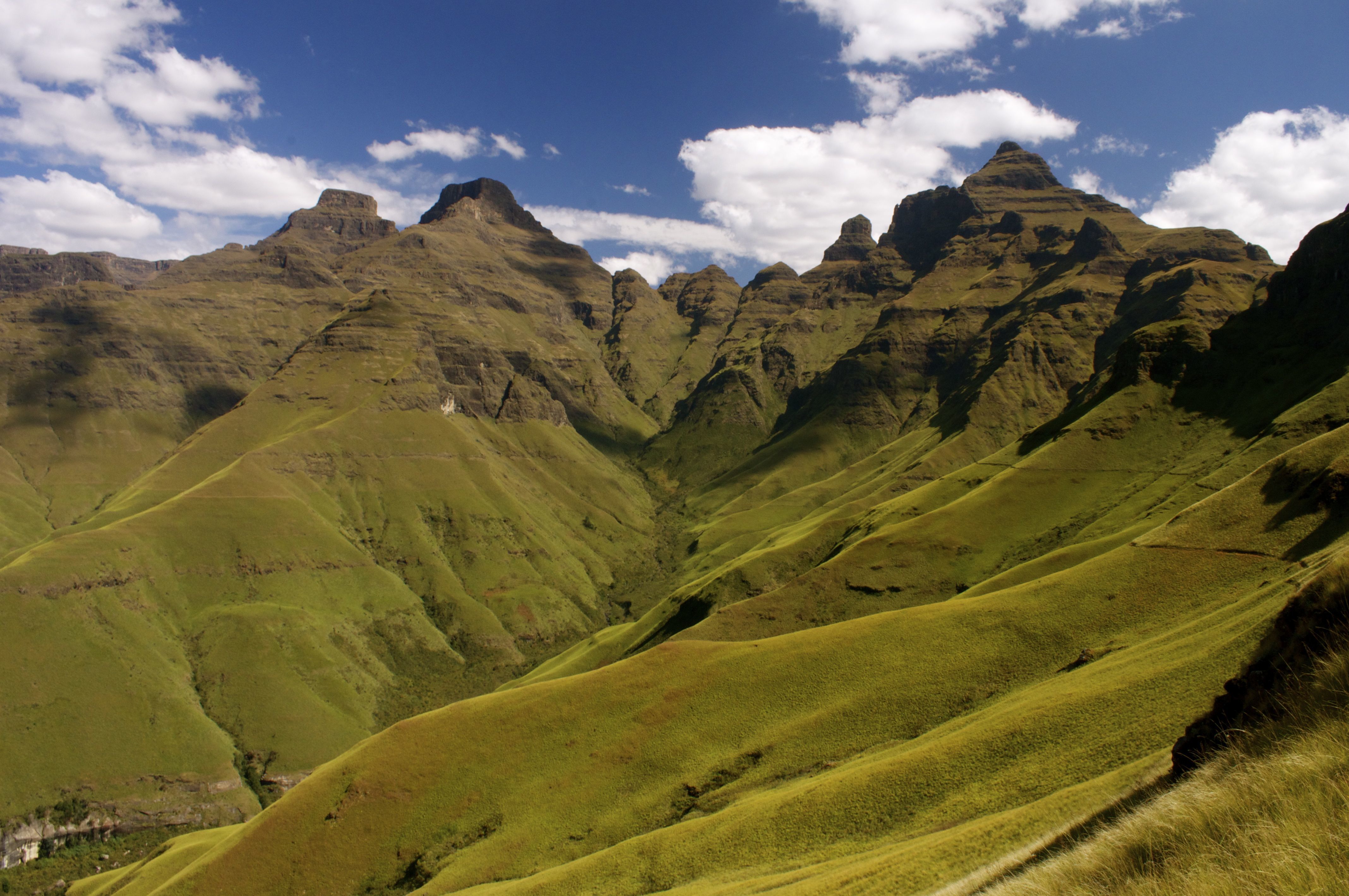
This sphere includes the continents, the ocean floor, all the rocks on the surface, and all of the sand in the deserts.
Hydrosphere
Biosphere
Atmosphere
Geosphere
Cryosphere
Bio =
Earth
Freezing
Life
Water
Air
Atmo =
Earth
Freezing
Life
Water
Air

This sphere contains all of the solid water on Earth
Hydrosphere
Biosphere
Atmosphere
Geosphere
Cryosphere

What part of the water cycle does this picture show?
condensation
precipitation
evaporation
transpiration
What converts nitrogen into a useable form for plants and animals?
bacteria
fungi
plants
animals

How does carbon in a grass plant get into a lion?
The lion eats an antelope that ate the grass
Carbon from grass doesn't end up in a lion.
The lion absorbs the carbon given off by transpiration
The lion breathes in carbon given out by the plant

What part of the water cycle does this picture show?
condensation
precipitation
evaporation
transpiration
Producers are ...
plants
able to do photosynthesis
also called autotrophs
all of these are true
The original source of energy for a food web is...
plants
sun
producers
decomposers
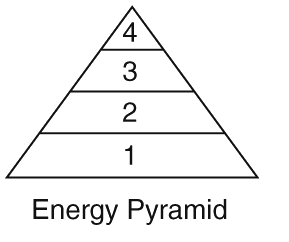
Level 1 on the pyramid
Producers
Primary Consumer
Secondary Consumer
Tertiary Consumer
Which section of the pyramid has the most energy?
1
2
3
4
Decomposers get energy from...
the sun
eating plants
eating animals
dead things and waste
Which of the following is an example of an abiotic limiting factor on population size?
water availability
parasites
disease
predation

What type of growth is shown on this graph?
logistic
exponential
average
density-independent

